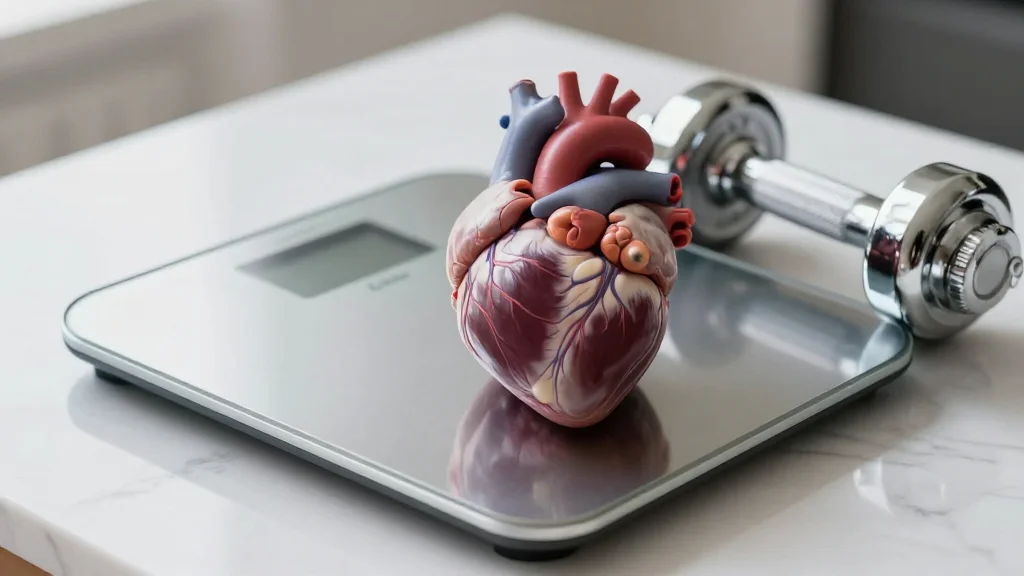
Weight Loss Reverses Heart Muscle Weakness in Obese HFpEF Patients, Johns Hopkins Study Finds

Why It Matters
The study bridges a gap between lifestyle modification and molecular cardiology, showing that a core biohacking practice—weight loss—can directly repair heart muscle function. This evidence could shift treatment paradigms for HFpEF, a condition that currently lacks effective therapies and accounts for roughly half of the 6.6 million heart‑failure cases in the United States. By demonstrating a reversible cellular defect, the research validates a preventive strategy that can be adopted by individuals, clinicians, and commercial health‑optimization platforms. Moreover, the identification of troponin I as a modifiable molecular target creates a new therapeutic axis. If drug developers can mimic the biochemical effects of weight loss, they may offer alternatives for patients unable to achieve sufficient weight reduction, expanding the toolbox for managing obesity‑related heart failure.
Key Takeaways
- •Johns Hopkins study shows weight loss improves contractility of heart muscle cells in obese HFpEF patients.
- •Researchers identified a reversible chemical change in troponin I linked to weakened contraction.
- •Study analyzed biopsies from 80 patients and used AI to stratify subgroups by BMI.
- •Findings provide cellular proof that lifestyle biohacks can reverse cardiac dysfunction.
- •Future trials will test long‑term outcomes and potential drug combinations targeting troponin I.
Pulse Analysis
The convergence of clinical cardiology and biohacking is reshaping how we think about chronic disease management. Historically, HFpEF has been a therapeutic blind spot; standard heart‑failure drugs often fail to improve outcomes. This new evidence positions weight loss—not merely as a risk‑factor mitigation tool—but as a direct molecular intervention. The implication for the biohacking ecosystem is profound: platforms that can reliably track and drive weight loss may now claim evidence‑based cardiac benefits, a claim that can be quantified at the cellular level.
From a market perspective, the data could accelerate investment in AI‑driven nutrition and exercise coaching services that promise measurable cardiac outcomes. Venture capitalists have already shown appetite for digital therapeutics that target metabolic health; this study adds a compelling cardiology angle that could broaden the addressable market. Simultaneously, pharmaceutical firms may pursue troponin‑I‑modulating agents, potentially creating a hybrid model where drug therapy augments lifestyle biohacks.
Looking ahead, the key question is scalability. While the study demonstrates a clear mechanistic link, translating weight‑loss‑induced cellular repair into population‑wide health gains will require robust adherence strategies, equitable access to weight‑loss programs, and integration with existing heart‑failure care pathways. The next wave of research will need to answer whether modest, sustainable weight loss can achieve similar cellular benefits, or if only dramatic reductions are effective. The answer will dictate how biohacking moves from niche enthusiast circles into mainstream clinical practice.
Weight Loss Reverses Heart Muscle Weakness in Obese HFpEF Patients, Johns Hopkins Study Finds
Comments
Want to join the conversation?
Loading comments...