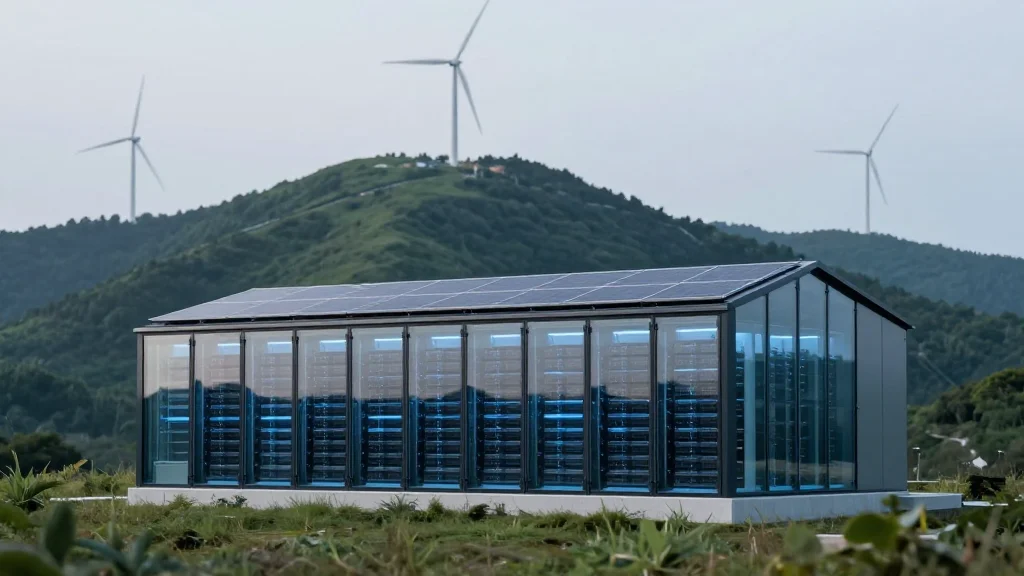
How Data Center Location, ESG Regulations, and AI Infrastructure Are Reshaping Risk
Companies Mentioned

Why It Matters
Location‑driven energy and climate risks now affect cost, resilience and regulatory compliance, making data‑center strategy a material factor for ERP performance and investor scrutiny.
Key Takeaways
- •Data center location drives energy cost, cooling needs, and reliability
- •EU and US ESG rules force detailed energy and water disclosures
- •Heat and water stress risk rising, especially in Western US and Asia
- •Hyperscalers adopt liquid cooling and AI optimization to cut consumption
- •ERP leaders must govern workload placement to manage infrastructure risk
Pulse Analysis
The physical geography of a data center is no longer a back‑office detail; it shapes the economics and reliability of every ERP transaction. Regions with abundant renewable power and cool climates—such as the Nordics, Canada, and the northern United States—offer lower cooling loads and more stable grids, translating into predictable operating expenses. Conversely, hubs in hot, water‑stressed zones face escalating energy prices, heightened heat‑island effects, and potential grid instability, which can disrupt ERP workloads that depend on continuous compute availability.
Regulatory momentum is turning these environmental variables into mandatory disclosures. The EU Energy Efficiency Directive and Corporate Sustainability Reporting Directive require precise reporting of electricity and water consumption, while California’s Scope 1‑3 mandates and emerging Singaporean and UAE frameworks extend similar obligations to non‑EU firms. This shift forces cloud providers and enterprises to factor location‑specific ESG performance into capital allocation, as investors increasingly scrutinize data‑center footprints as a proxy for climate credibility.
Hyperscalers are responding with advanced cooling technologies—liquid‑to‑chip systems, AI‑driven airflow management—and by locating new capacity in climate‑friendly regions. Yet the relentless growth of AI workloads inflates total power demand, even as per‑unit efficiency improves. For ERP decision‑makers, the implication is clear: visibility into where workloads run, the associated resource constraints, and the compliance landscape is now a strategic imperative. Integrating infrastructure risk metrics into ERP governance frameworks helps mitigate cost volatility, safeguard operational continuity, and align with evolving ESG expectations.
How Data Center Location, ESG Regulations, and AI Infrastructure Are Reshaping Risk
Comments
Want to join the conversation?
Loading comments...