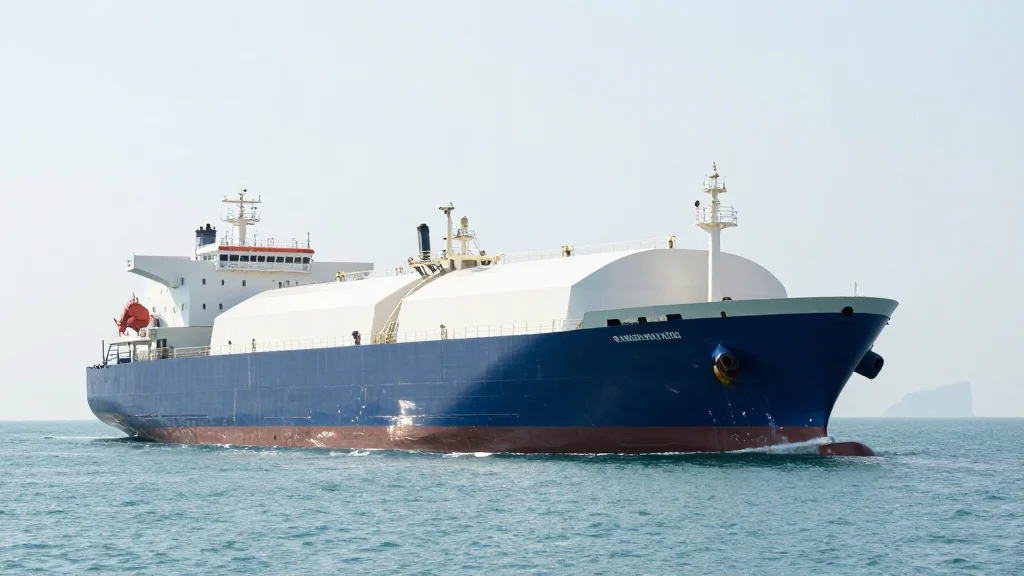
Shell Ramps up LNG Deliveries to India, Clinches 4 TBtu Fertilizer Contracts Amid Gulf Supply Shock

Companies Mentioned
Why It Matters
Shell’s expanded LNG deliveries to India illustrate how geopolitical shocks can quickly reshape commodity supply chains, forcing import‑dependent economies to diversify away from traditional sources. By capturing a majority of the fertilizer‑sector tenders, Shell not only secures revenue but also influences the cost structure of India’s critical urea market, which in turn affects food prices domestically and globally. The episode also spotlights the strategic importance of flexible import infrastructure and a robust shipping fleet in mitigating supply disruptions. For the broader commodities market, the shift signals a potential re‑balancing of LNG trade flows, with Gulf‑origin cargoes losing market share to more geographically dispersed suppliers. This could accelerate investments in new liquefaction projects outside the Middle East and spur competitive freight pricing, ultimately reshaping the global LNG pricing curve and influencing related commodities such as fertiliser and power generation fuels.
Key Takeaways
- •Shell became India's largest imported gas supplier in March, delivering a record‑high monthly LNG volume.
- •Secured 4 TBtu of fertilizer‑sector LNG contracts out of a 6 TBtu tender pool.
- •India’s LNG imports from Qatar halted, affecting 11.2 million tonnes of cargoes.
- •Shell leverages a 5 Mt/yr Hazira terminal and a fleet of >65 LNG carriers to source from Oman, Australia, Nigeria and beyond.
- •Shipping constraints could raise freight costs and pressure downstream gas‑intensive sectors.
Pulse Analysis
Shell’s swift scaling of LNG deliveries underscores the competitive advantage of integrated supply chains that combine upstream sourcing flexibility with downstream infrastructure. In the past decade, the company has built a diversified portfolio that insulates it from regional shocks—a strategy now paying dividends as the West Asia conflict disrupts Qatar’s shipments. This agility not only captures market share but also sets a benchmark for other majors that rely heavily on single‑source contracts.
Historically, India’s LNG imports have been dominated by long‑term contracts with Gulf producers, a model that offered price stability but limited responsiveness to supply shocks. The current crisis is accelerating a shift toward spot‑market procurement and multi‑source contracts, a trend that could erode the bargaining power of traditional Gulf exporters. As freight capacity tightens, carriers with larger, more modern fleets—like Shell’s—will command premium rates, potentially reshaping the cost dynamics of the global LNG market.
Looking forward, the key question is whether Shell can sustain its momentum as other players, notably U.S. and Australian exporters, increase their presence in the Indian market. If shipping bottlenecks ease and new liquefaction capacity comes online, competition could intensify, driving down spot prices and prompting Indian buyers to renegotiate long‑term contracts. For policymakers, the episode highlights the need for strategic gas storage and domestic production to buffer against future geopolitical disruptions.
Shell ramps up LNG deliveries to India, clinches 4 TBtu fertilizer contracts amid Gulf supply shock
Comments
Want to join the conversation?
Loading comments...