

The Neanderthal DNA Puzzle No One Can Explain - David Reich
David Reich’s talk tackles a perplexing genetic paradox: while modern humans carry Neanderthal signatures across most of their genome, the mitochondrial DNA and Y‑chromosome lineages form distinct Neanderthal clusters. He frames the issue through the lens of male reproductive variance in traditional societies, where a minority of men father many offspring while many have none, making paternal ancestry a potent factor in mating success. Reich highlights ethnographic evidence from Central African rainforest hunter‑gatherers, noting that children’s social treatment shifts depending on whether their father or mother belongs to an archaic lineage. He argues that an “archaic male” background can diminish a man’s competitiveness for local mates, a pattern that may help explain why paternal and maternal lineages show stronger Neanderthal affinity than autosomal DNA. A striking quote underscores the mystery: “If your dad is an archaic male, you’re not as successful in the competition for local females… This is a crazy result not seen in any other species.” This observation points to a unique human evolutionary dynamic where cultural mating systems intersect with deep genetic introgression. The implication is profound: existing models of human‑Neanderthal admixture, which treat gene flow as a uniform process, may be oversimplified. Researchers must consider sex‑biased introgression and social structures to fully reconstruct our species’ genetic heritage, reshaping narratives in anthropology, genetics, and even public health.

Why Neanderthals Might Be Our Cousins After All - David Reich
In a recent talk, geneticist David Reich proposes that Neanderthals should be viewed less as a separate branch and more as a culturally modern offshoot of a single pioneering population that originated the Middle Stone Age. He argues that this population...
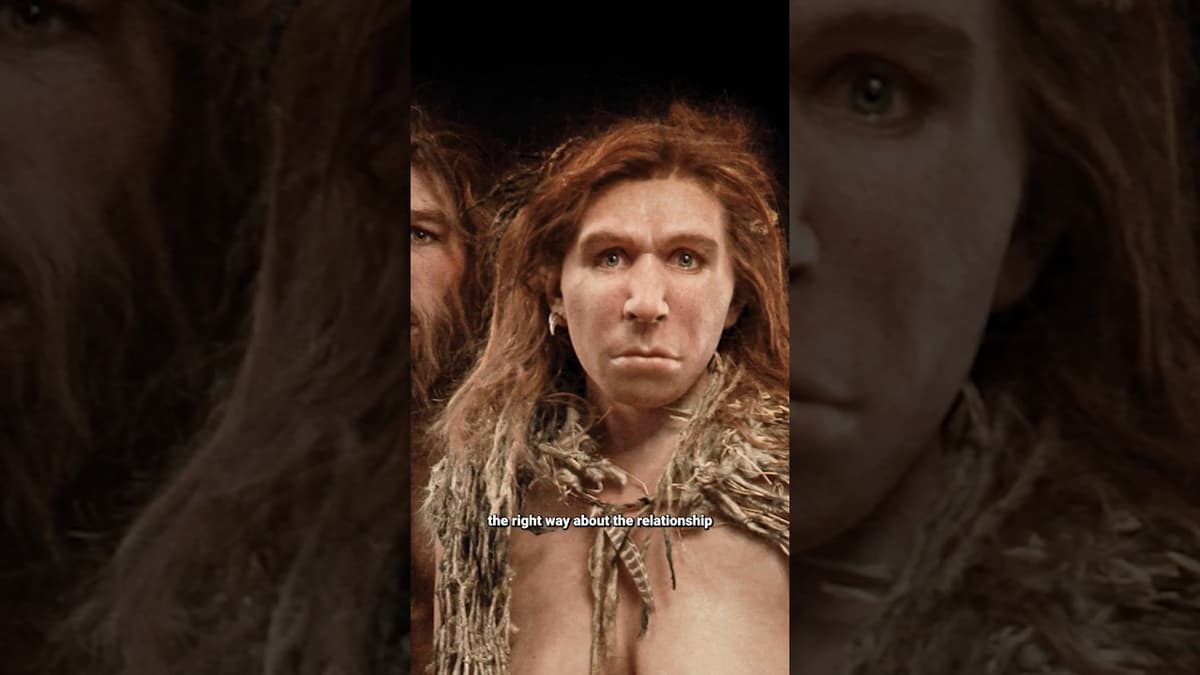
Were Neanderthals Culturally Modern Humans? - David Reich
David Reich argues that the conventional split between archaic humans and modern Homo sapiens may be misleading, suggesting Neanderthals should be viewed as culturally modern despite their genetic makeup. He highlights recent DNA studies showing a 200‑300,000‑year‑old interbreeding event that contributed...

A Pit in Spain Holds the Key to a Neanderthal DNA Mystery - David Reich
The video examines DNA from the Sima de los Huesos pit in northern Spain, dated between 400,000 and 300,000 years ago, and its surprising genetic composition. Whole‑genome sequencing shows the nuclear DNA clusters with Neanderthals, while the mitochondrial genome and Y‑chromosome...
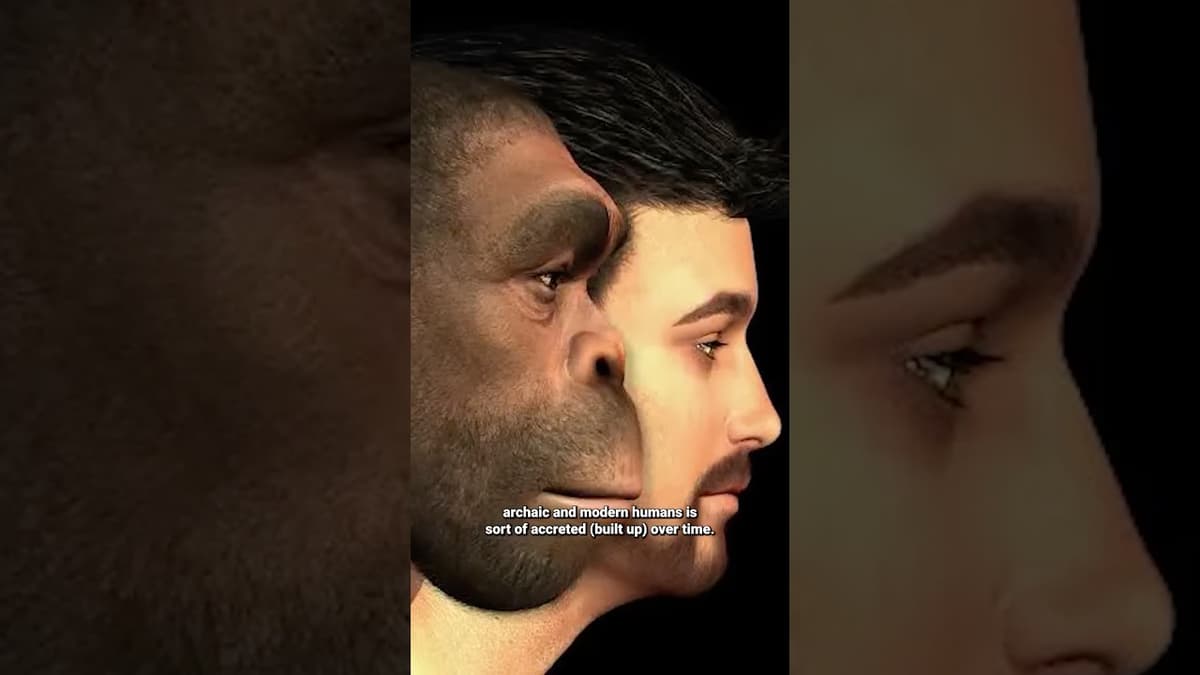
The Current Story of Human Evolution May Be Incomplete - David Reich
David Reich argues that the prevailing narrative of human evolution—depicting modern humans, Neanderthals, and Denisovans as tidy sister lineages—is increasingly untenable. He traces how the model has been built incrementally, adding successive admixture events to accommodate new genetic findings. The speaker...
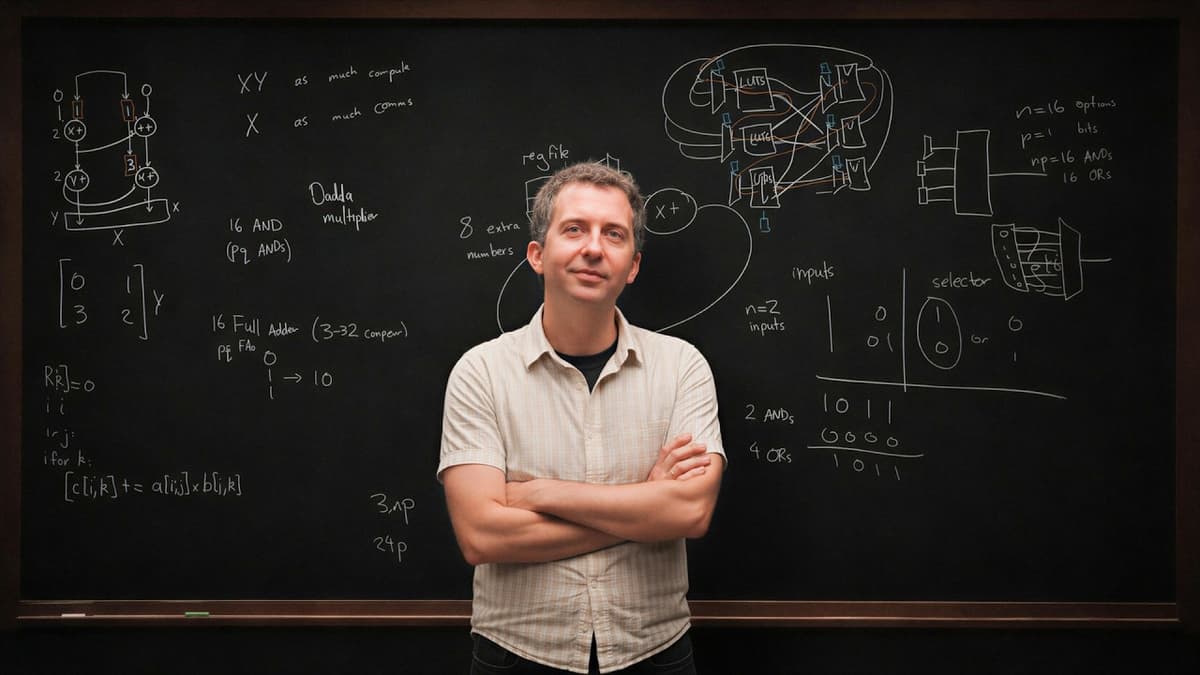
Chip Design From the Bottom up – Reiner Pope
Reiner Pope, CEO of chip startup MatX and former Google TPU architect, delivered a blackboard lecture that builds chip understanding from basic logic gates to complex accelerators. He walks through constructing a multiply‑accumulate unit, the role of multiplexers, and the...
Why Hasn't Evolution Eliminated Schizophrenia? - David Reich
David Reich explores a paradox: why schizophrenia and bipolar disorder have not been eradicated by natural selection despite millennia of strong negative pressure. He points to genomic studies that reveal a measurable decline in risk‑allele frequencies over the past 10,000...
Natural Selection Is Making Us Stay in School Longer - David Reich
In a recent talk, geneticist David Reich argues that natural selection has favored alleles that increase years of schooling, challenging the view that education length is purely cultural. He explains that polygenic scores for educational attainment correlate with a suite of...
Why Humans Stopped Evolving Smarter 2,000 Years Ago - David Reich
David Reich’s lecture examines why human brains have not become genetically smarter over the last two thousand years. By analyzing ancient DNA from white British populations, he tracks variants linked to modern IQ test performance, a proxy for cognitive ability,...
Why Humans Didn't Farm 50,000 Years Ago - David Reich
The video explores why humanity did not begin farming 50,000 years ago despite possessing the necessary genetic toolkit. David Reich argues that the decisive factor was not biology but the climate, which remained too volatile for reliable agriculture until the...

Why AI Won't Be a Monopoly - Dario Amodei
In a recent talk, OpenAI veteran Dario Amodei argued that artificial‑intelligence services are unlikely to become a single‑company monopoly. He likened the sector to cloud computing, where only a handful of firms dominate because of massive infrastructure costs. Amodei emphasized that...
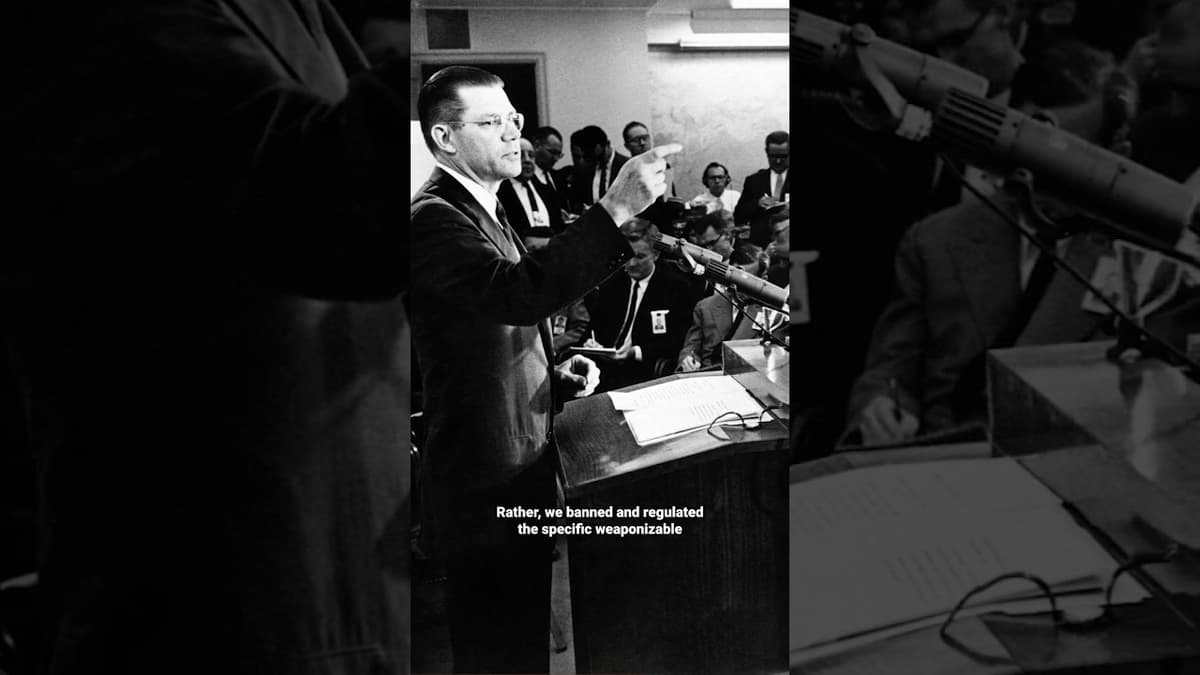
Why the Nukes Analogy for AI Is Wrong
The video challenges the common comparison between artificial intelligence and nuclear weapons, arguing that the analogy oversimplifies AI’s nature and policy implications. It explains that AI is an enabling technology akin to the industrial revolution, not a single, self‑contained weapon. Consequently,...

The Man Who Saved the World by Disobeying and What It Means for AI
The video opens with the Cold‑War tale of Soviet lieutenant colonel Stanislav Petrov, who ignored a false early‑warning alarm and prevented a retaliatory nuclear strike, illustrating how individual dissent can avert catastrophe. It then pivots to artificial‑intelligence alignment, arguing that the...
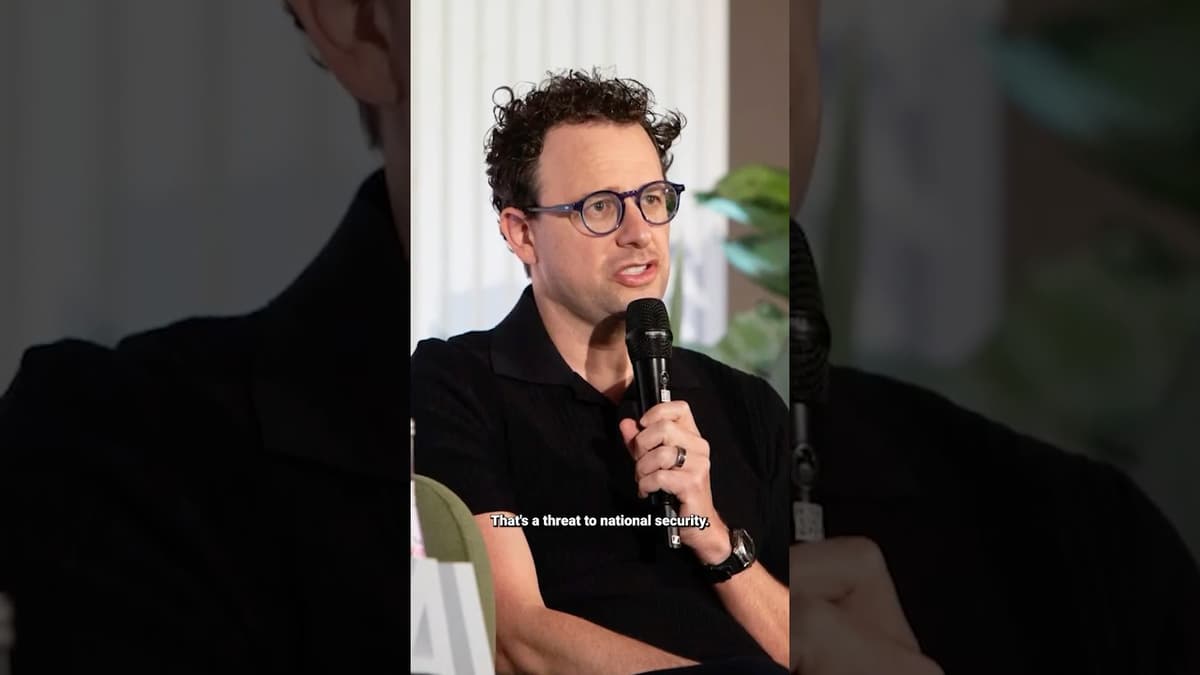
AI Regulation's Authoritarian Problem
The video argues that the AI safety community’s push for regulation may hand a “loaded bazooka” to authoritarian regimes. Vague concepts such as “catastrophic risk,” “national security,” and “autonomy risk” lack precise definitions, making them easy tools for political control. The...

Why You Shouldn't Trust the Pentagon's Promise on AI
The video warns that the Pentagon’s pledge not to employ artificial‑intelligence models for mass surveillance is unreliable. It highlights how existing statutes provide no Fourth Amendment shield for data shared with banks, ISPs, carriers or email providers, allowing the government...