

AI Delivers Rapid, Clear Interpretation of Newborn Test Results
My son was 11 days old and his blood test came back "abnormal". In the past, I would've spent six hours sick with worry waiting to hear from his doctor. Instead, AI got me the answer first - and explained it even better. Our baby was looking a bit jaundiced, so our pediatrician sent us to get his bilirubin levels tested and determine if he would need phototherapy. He told us he’d message us after he looked at the results, regardless of the outcome. We got the results in our patient portal by noon yesterday. All three lab values were flagged as “abnormal”. What did I do? Fed the results into Gemini, OpenEvidence and DoximityGPT. Here’s how they performed: → Gemini said the bilirubin levels were well below the threshold for needing phototherapy and gave the most comprehensive and consumer-friendly answer - what the test is for, what the values mean, potential causes of jaundice, suggestions on what to discuss with our doctor → DoximityGPT said the bilirubin levels were well below the threshold for needing phototherapy provided the best clinician-friendly answer (as if I were the baby’s physician) - referencing American Academic of Pediatric phototherapy guidelines, discussing additional risk factors that could influence decision for phototherapy, recommended management → OpenEvidence said there wasn’t enough information and prompted me for more (e.g. baby’s gestational age at birth) before it could give the same recommendation (although props to them for asking for more context). Triangulating the info from all three gave me a pretty good sense of what was going on. With Gemini in particular I had fun interacting with it to refresh my memory on jaundice, interpreting bilirubin levels, etc. While I still wanted confirmation from the pediatrician, I felt pretty reassured from my back and forth with these AI tools. Six hours later, I got a message from the pediatrician confirming that phototherapy wasn’t needed - but that was basically it. Unlike the AI tools, there was no explanation of the results. Nothing about how close this was to the threshold. Nothing about what to keep an eye out for. Now I was appreciative he even closed the loop and didn’t require a visit for it - I know how busy docs are, I didn’t expect an essay. Having a human pediatrician confirm things was still meaningful for us. But this is upside for AI - being able to fill in all the gaps with patient education that the physician won’t have the time for. The question is - is there some universal prompt or framework that would make AI explanations of test results actually useful? With Epic releasing its Emmi AI to help explain test results in MyChart, and Amazon releasing its Health AI agent to do the same - I guess we’ll find out. Because as much as I was able to use these AI tools to help us understand our baby’s result six hours faster and more comprehensively - I have to remind myself that my wife and I (who are both clinical) are in the minority of patients who can use AI to interpret test results reasonably well and safely.

Clinician Endorsement Drives Patient Adoption of Digital Health
I found a Digital Health tool in our patient portal early in my wife's pregnancy. Even though I knew what it was, even though I literally build Digital Health tools for a living - we did NOT use it. Why? Because...

OpenEvidence Turns Societies Into Evidence Creators, Securing AI CDS Moat
OpenEvidence started as the place clinicians go to find clinical evidence. Now they're becoming the place medical societies go to CREATE it - that's a whole new moat for winning the AI CDS market. My 5 thoughts... First, the gist of...

Diverse Nursing Approaches Enrich Patient Experience
I've been a dad for five days - and somehow, it's already made me question what I thought about AI and the patient experience. Lemme explain… We had an incredible experience in the hospital. Not because of any Tech… but because...
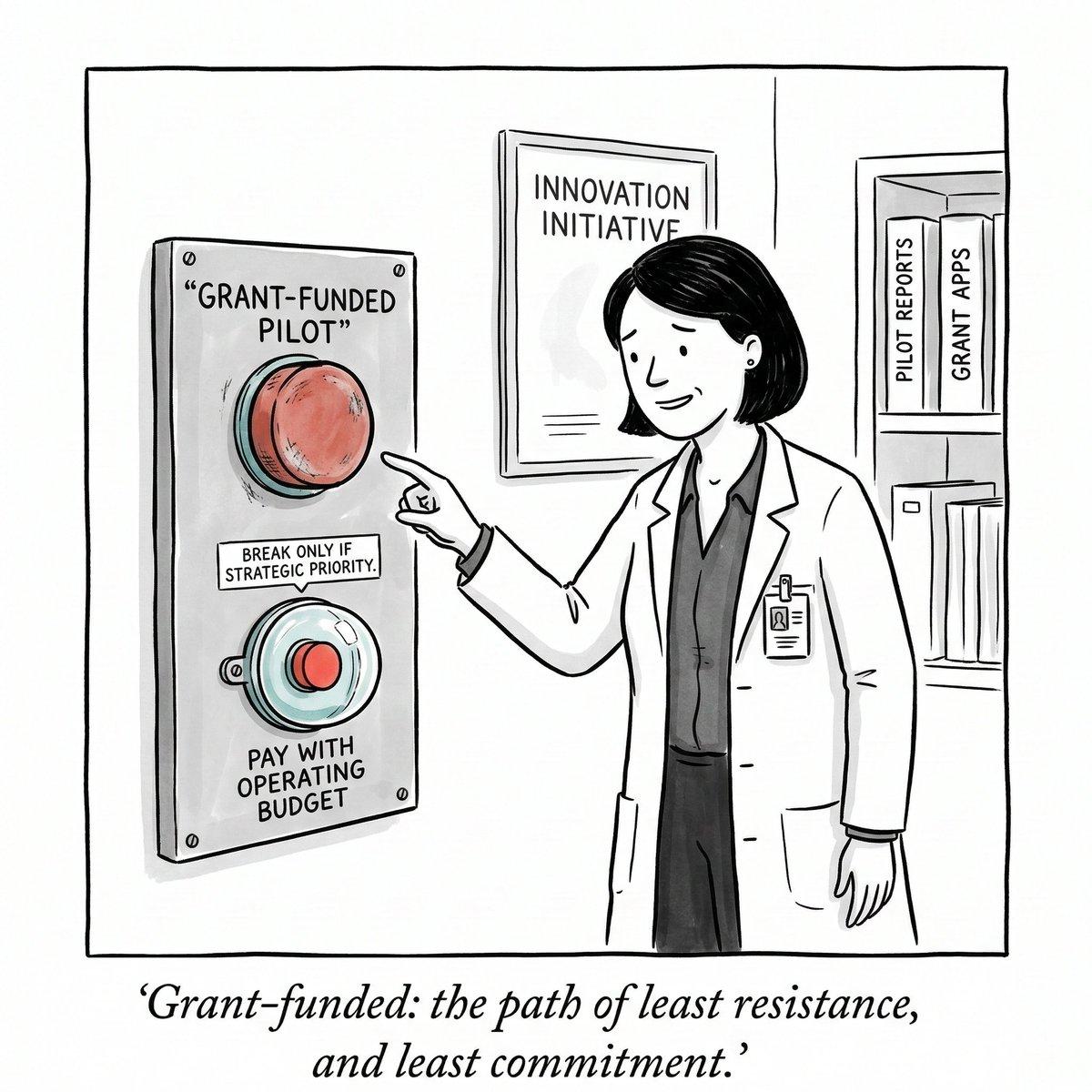
Grant-Funded Pilots Die without Upfront Purchase Commitment
A health system once celebrated our Health Tech partnership’s amazing results, and then walked away - all because of the most dangerous word in innovation: “grant-funded.” I've watched more grant-funded pilots quietly die than I care to count. The problem? A...
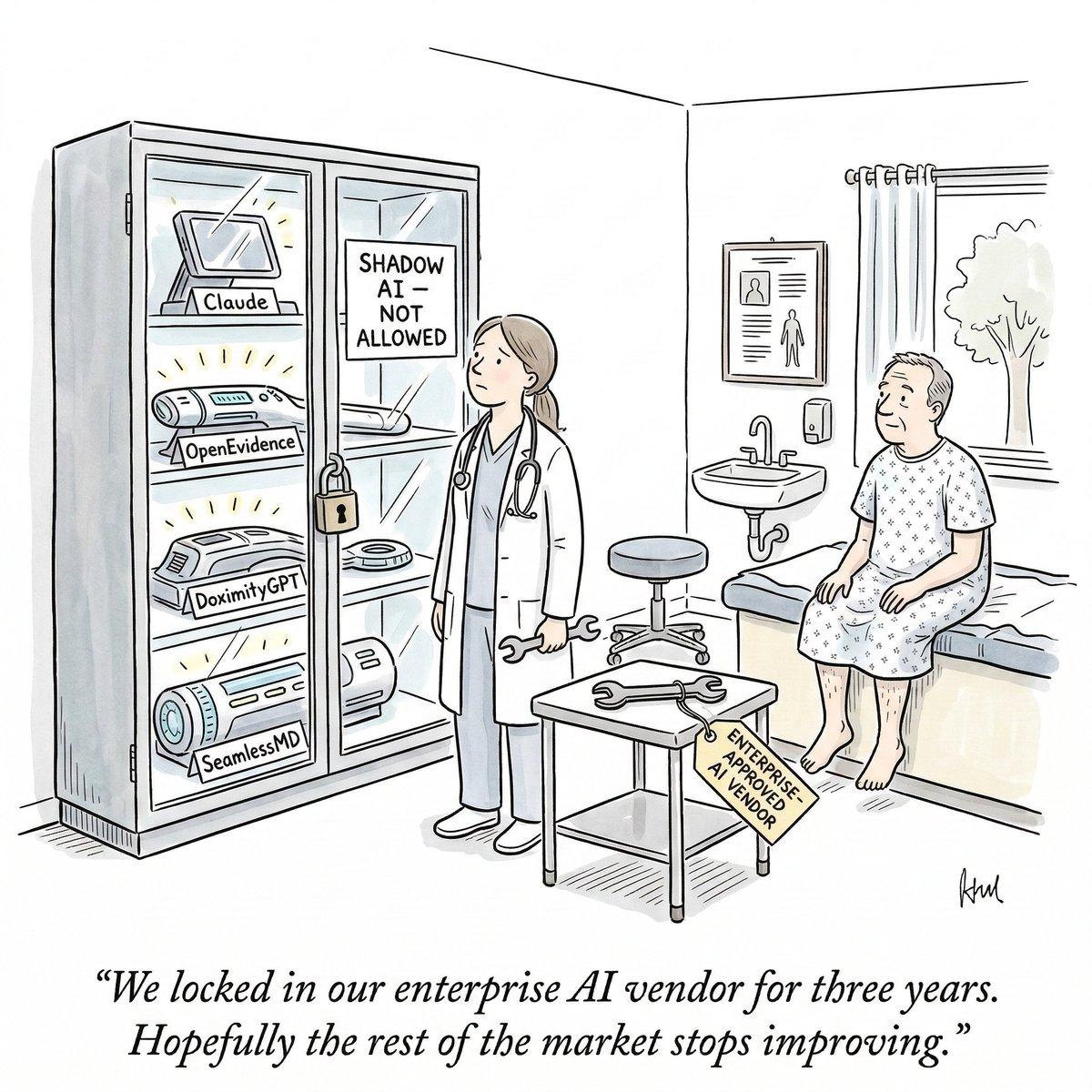
Don't Bet on One AI Vendor: Claude Beats ChatGPT, Gemini
The AI tool I called “best in class” just got dethroned - in three months. So when health systems go all-in on one AI vendor, is that a BIG mistake? I was loyal to ChatGPT. Then I became Gemini-pilled. Recently my...
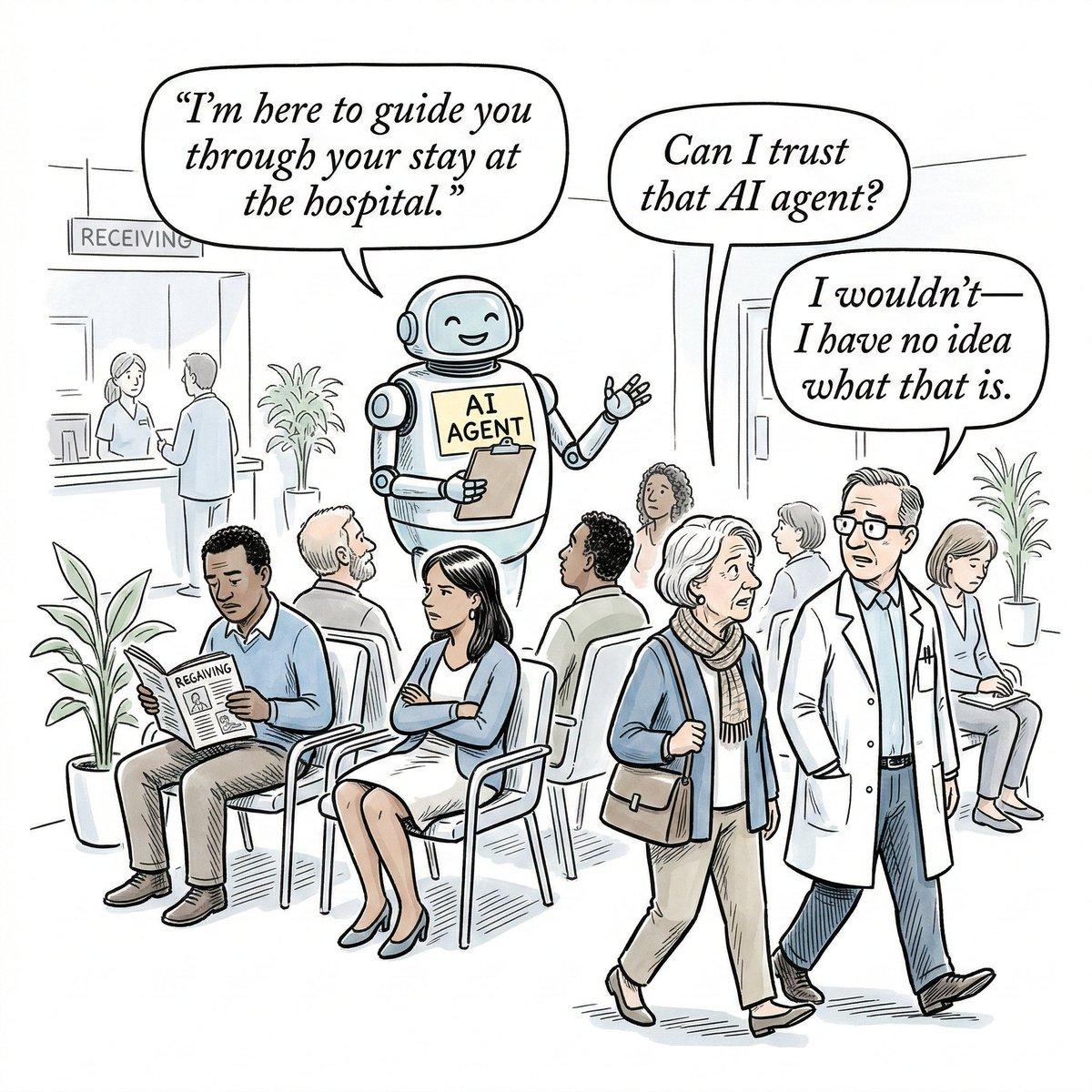
Human Trust Beats AI in Patient Engagement
I keep seeing AI-pilled people arguing that AI agents will magically solve patient engagement - but it won’t. If it were that easy, non-Tech solutions would’ve solved it already. At @SeamlessMD, I’ve spent the last 13+ years working with health systems...
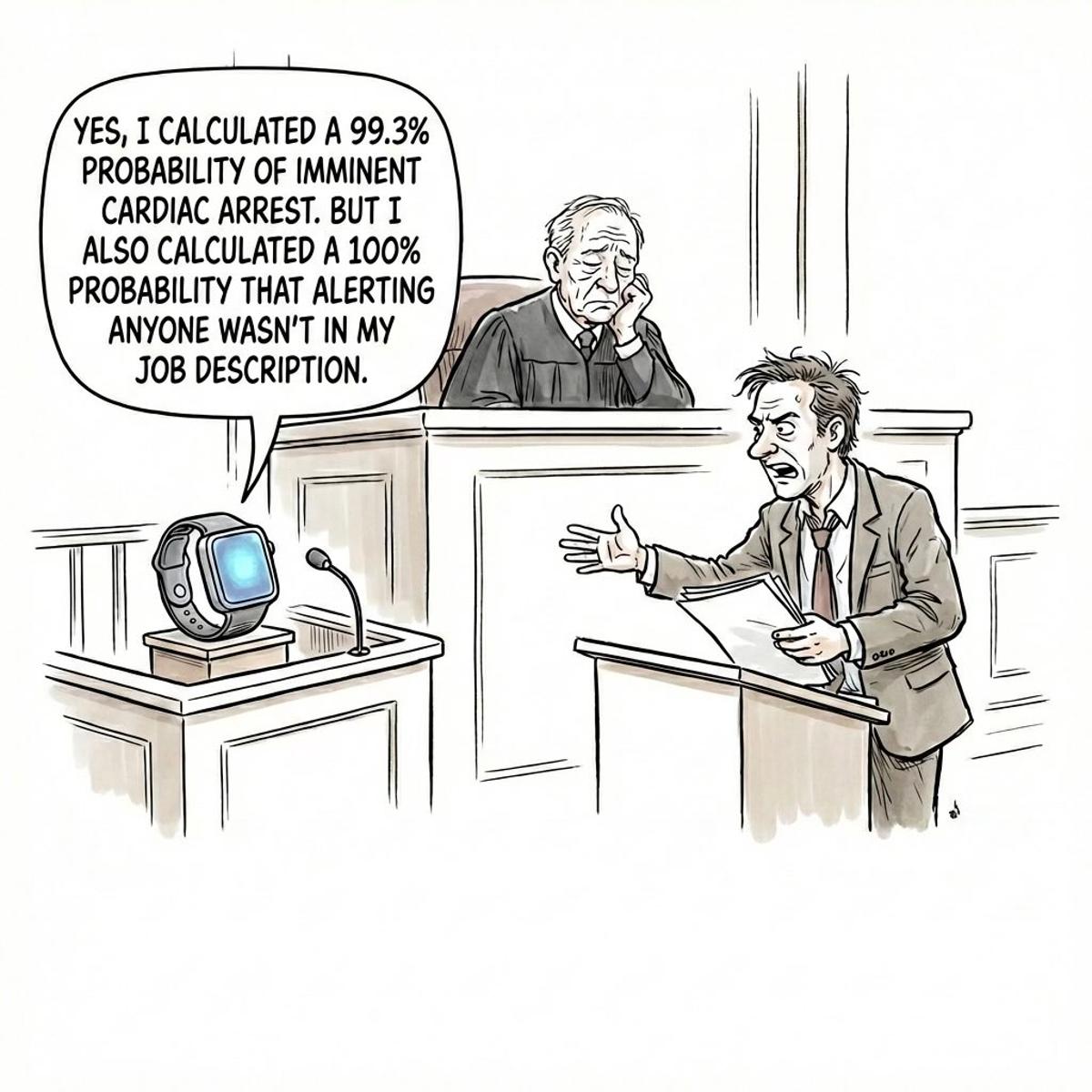
AI Health Alerts Force Companies to Choose Duty over Silence
In 2026, software doesn’t just store health data - AI allows it to see medical risk before anyone else. When consumers use AI for their health, we are increasingly faced with the dilemma of whether AI companies have a duty...
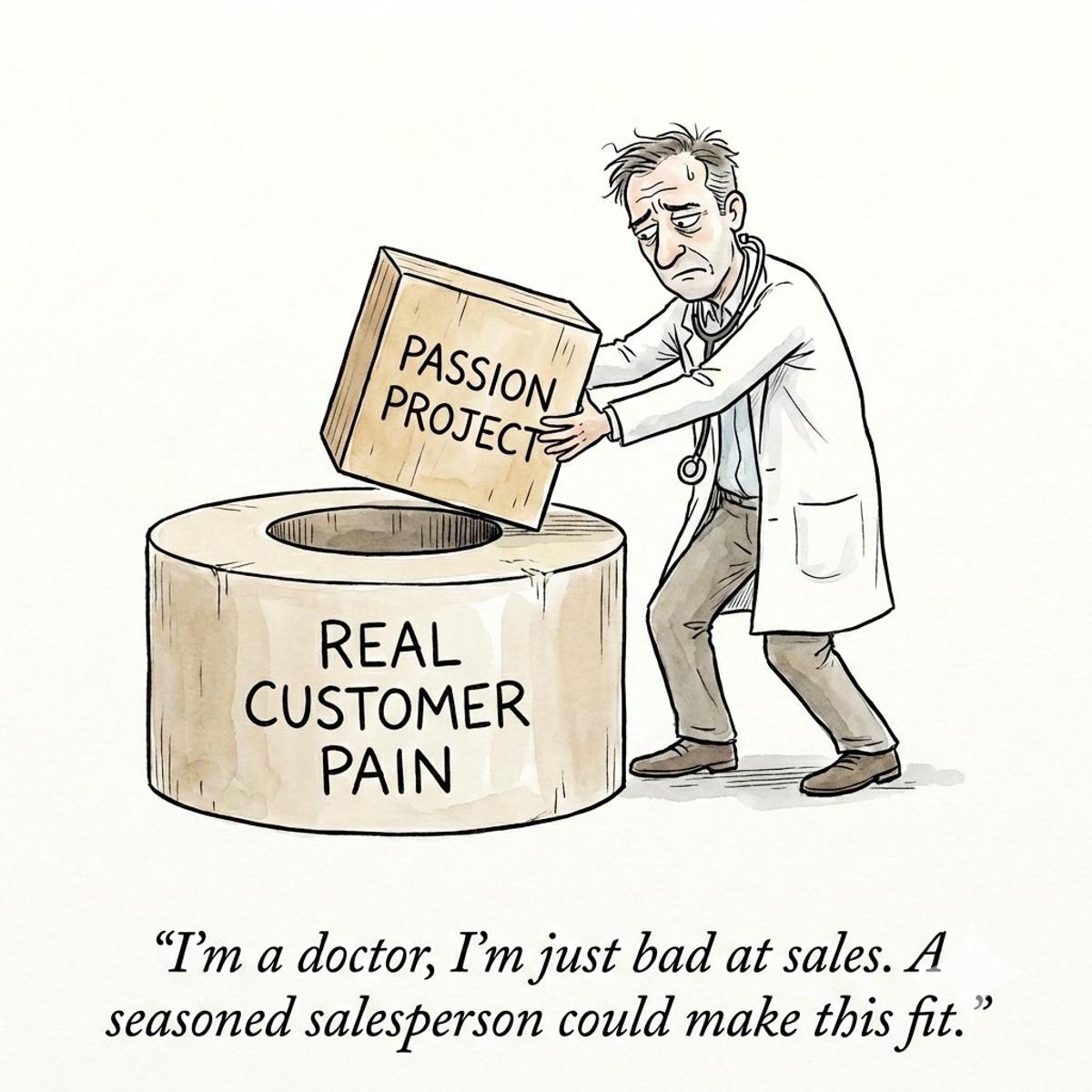
Clinician Startups Fail Because Product, Not Sales, Misses Market
When Clinician Entrepreneurs can’t get adoption, the Number 1 mistake is to think: “It’s not a product problem, it’s a sales problem.” Sorry but 99% of the time it IS a product problem. I’ve seen it over qnd over again from...
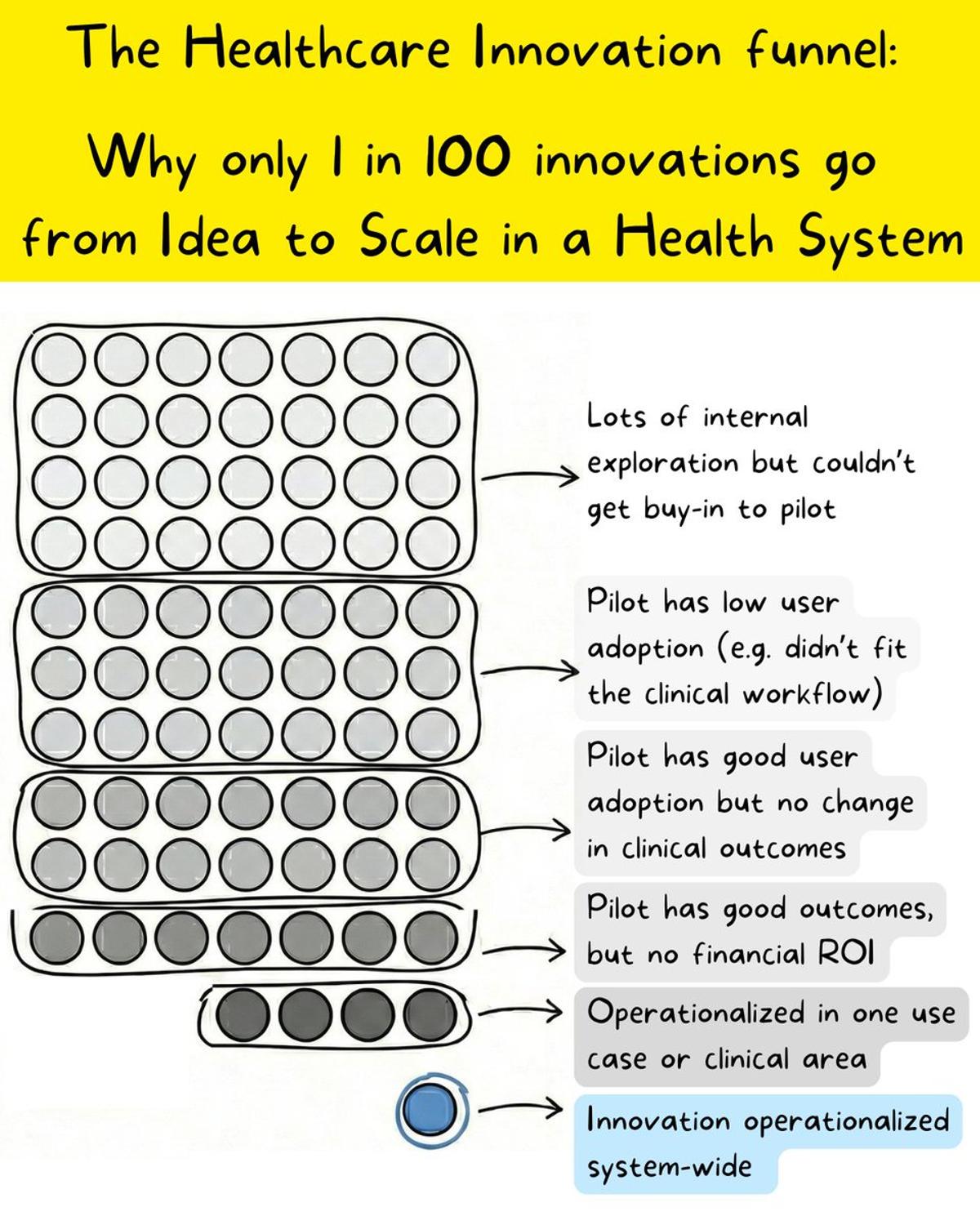
Most Health System Innovations Die Before Scaling
Many accuse health systems of not being willing to innovate. The truth? Lots of innovation is being explored all the time - you just don’t hear about them because most never make it to system-wide scale. For every 100 ideas that...
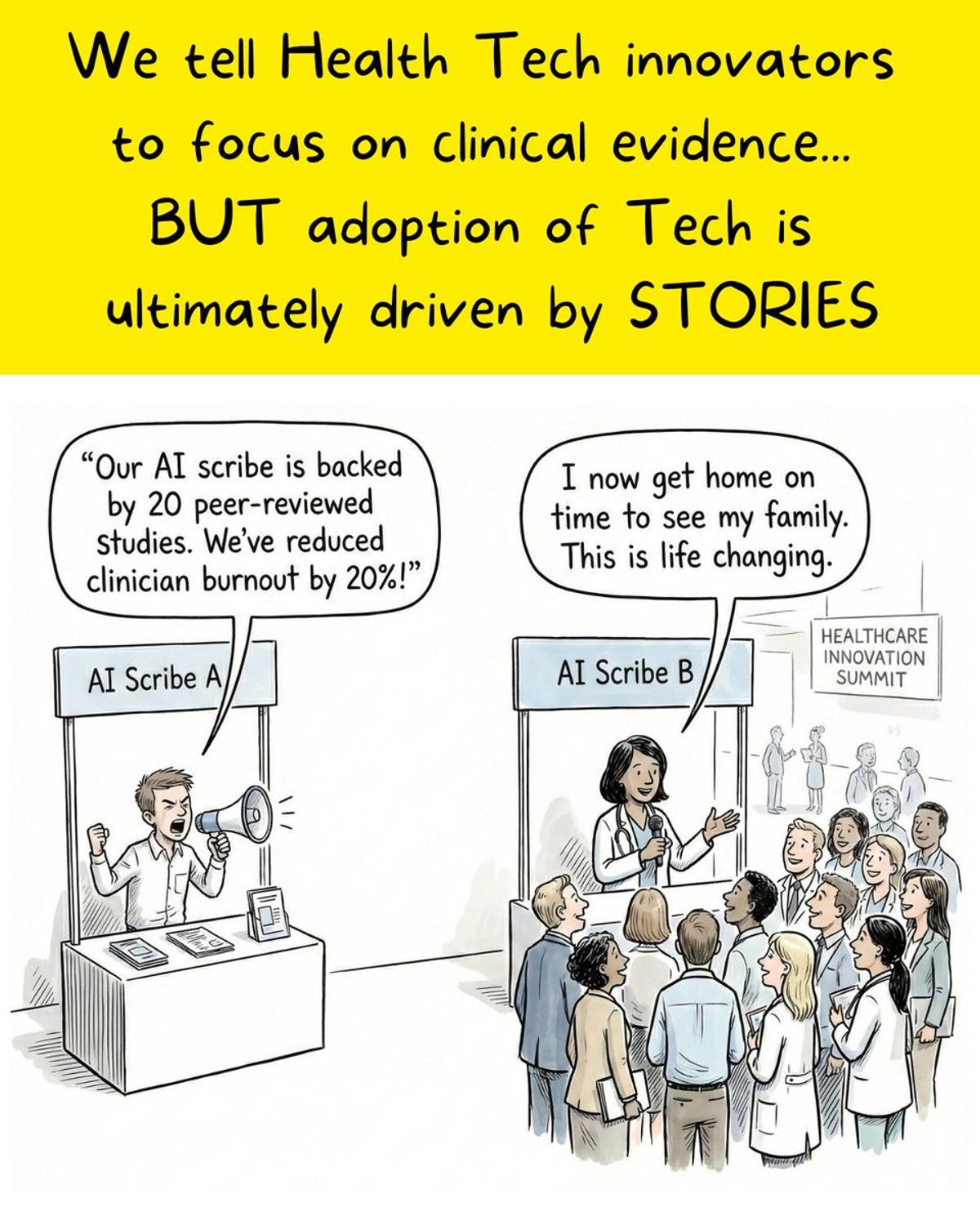
Stories, Not Data, Drive Health Tech Adoption
We want Health Tech to be evidence-based, but the truth is that adoption is ultimately driven by stories - NOT data. Here’s what I’ve seen play out over the past 13+ years over and over again: → Health system execs will choose...
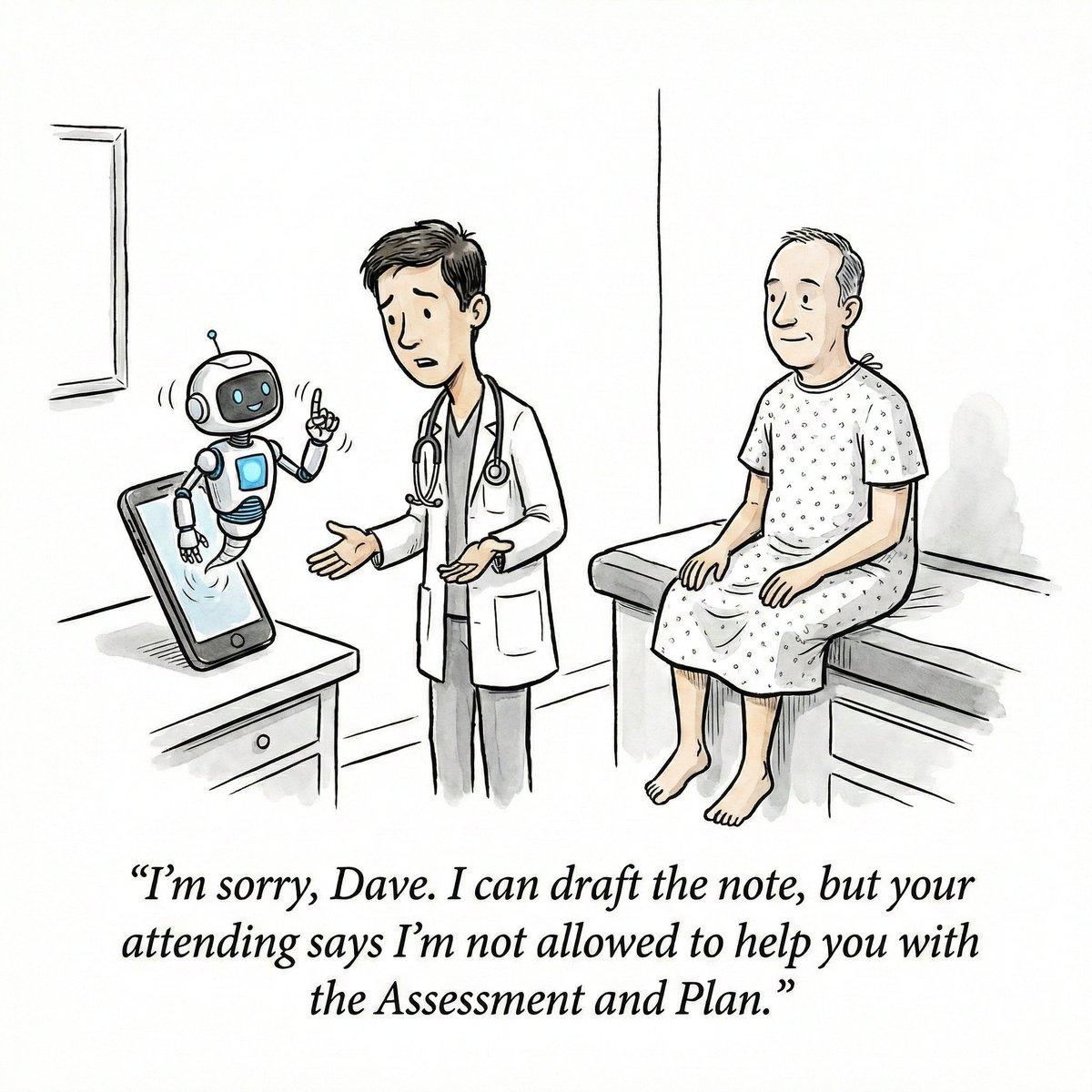
AI Scribes Should Aid Notes, Not Replace Trainee Assessments
Should residents and med students get access to AI scribes? Or does it risk critically de-skilling them? My 7 thoughts: 1/ Students are increasingly using scribes in all aspects of their life. I’m not in school anymore but I suspect many...
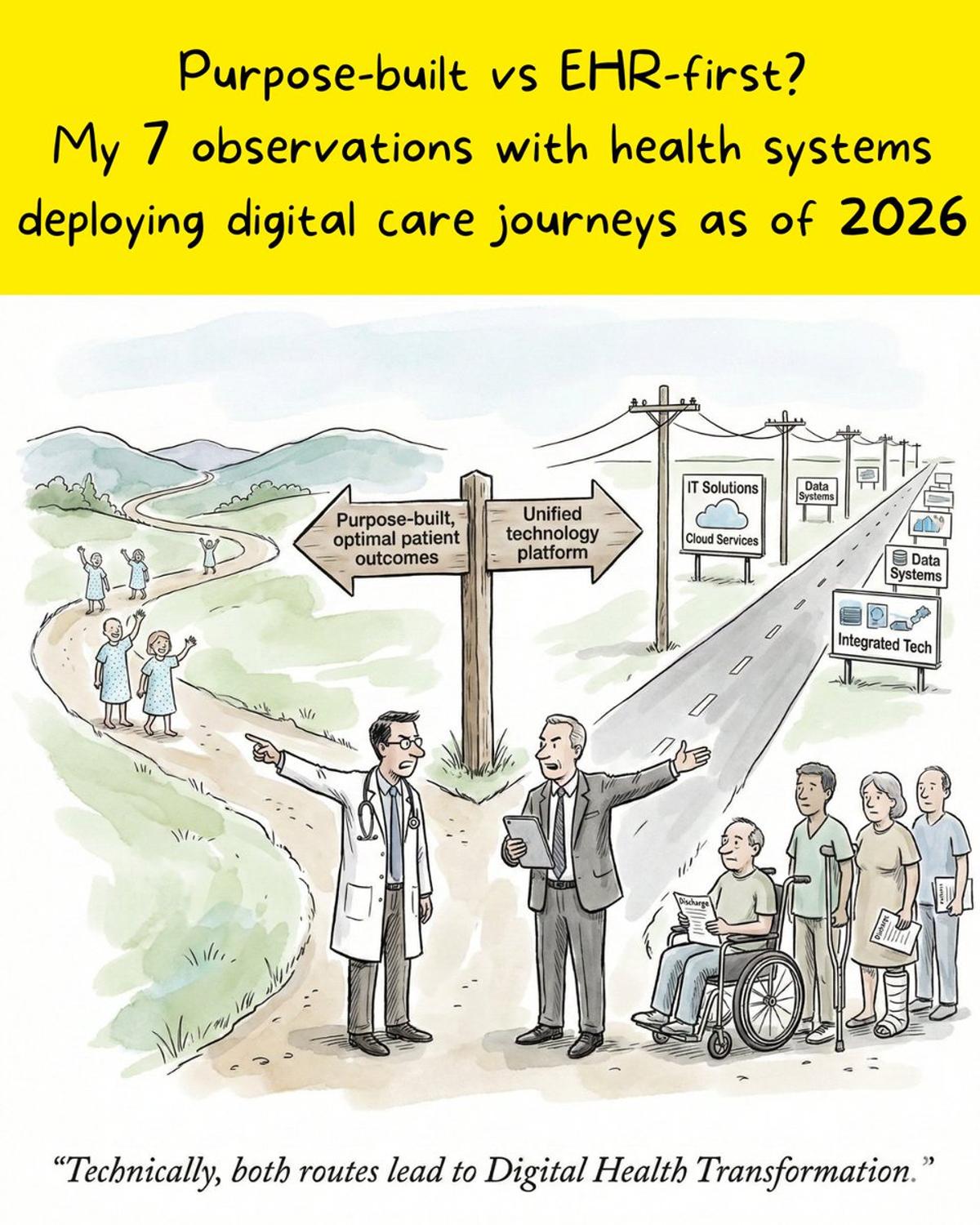
Executive Passion Drives Successful Digital Health Journeys
Since 2020, health systems have diverged in Digital Health strategies for patient journeys (e.g. pre/postsurgery engagement). Two main camps: Camp 1: “We will deliver the best digital experience for patients that delivers the highest patient adoption, engagement and outcomes - we’re...
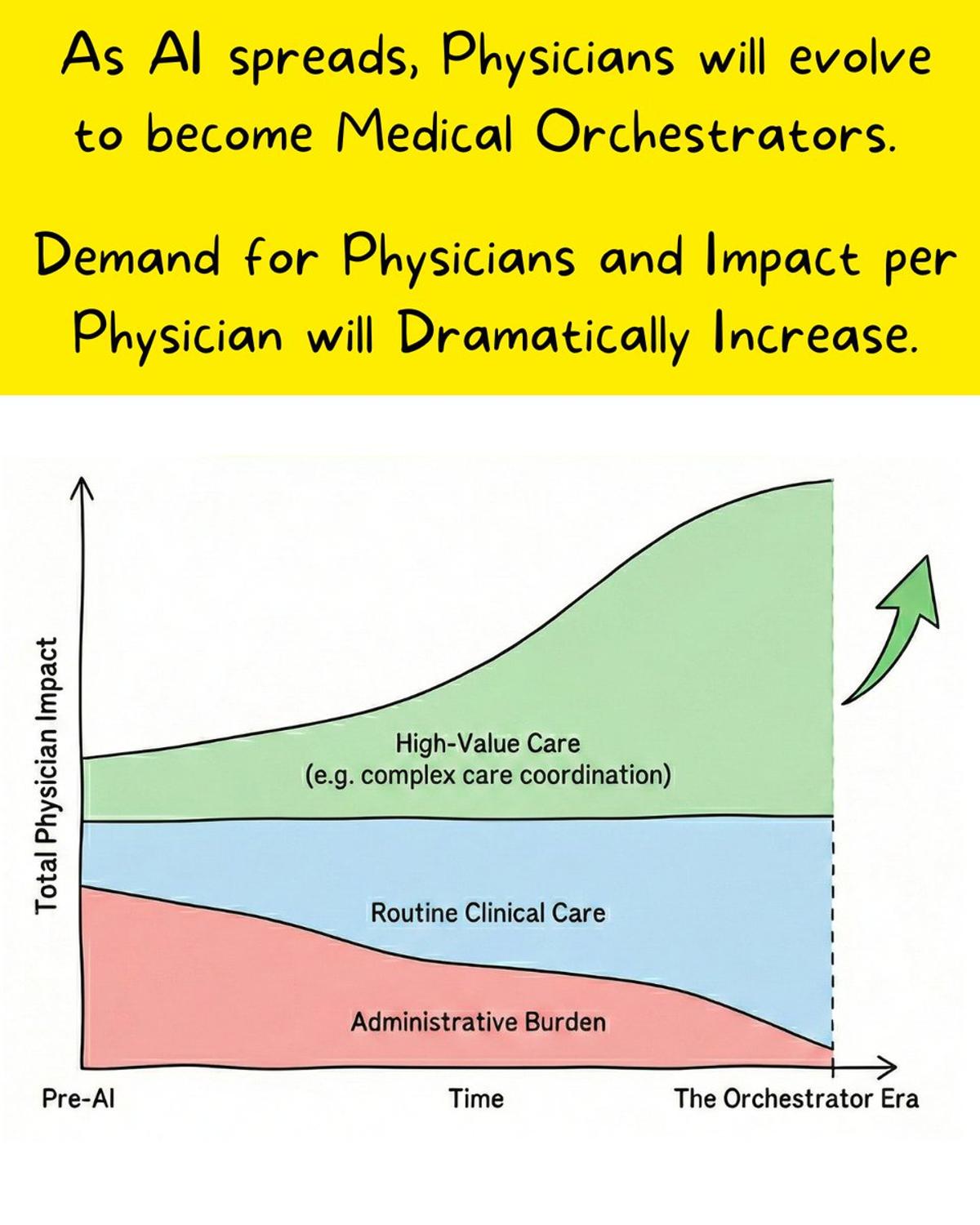
Physicians Evolve Into AI‑Guided Medical Orchestrators
Think AI will reduce demand for doctors? Consider this: Claude writes 100% of its own code, yet Anthropic's engineering team is exploding. We aren't looking at the end of the physicians, but the birth of Medical Orchestrators. When asked why Anthropic...
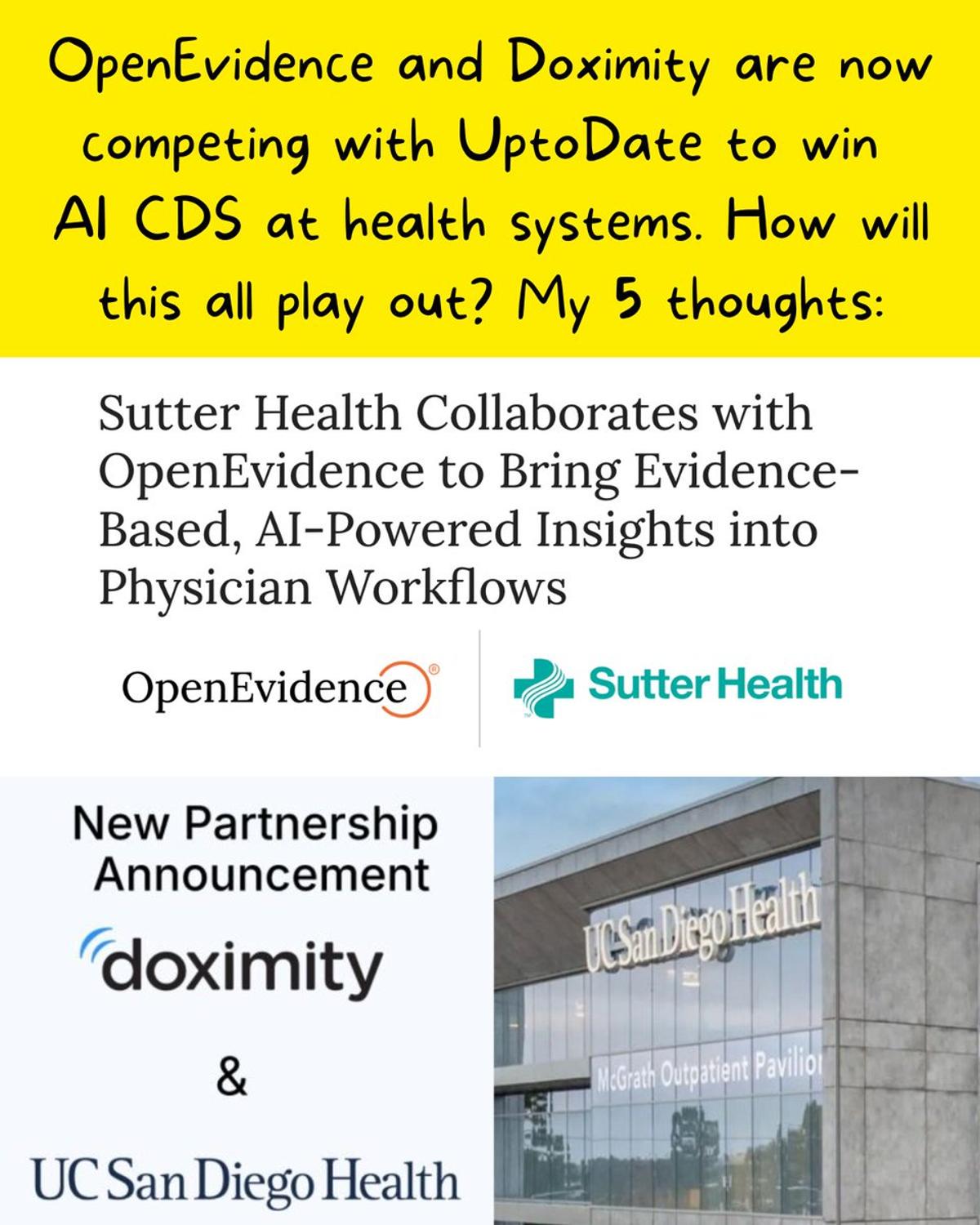
AI Docs Tools Expand Into Health System Enterprise
Those “direct-to-physician” CDS AI tools like OpenEvidence and DoximityGPT? They're now going after health systems too. My 5 thoughts on how this will all play out: First, the gist of what was announced: → Sutter Health will integrate OpenEvidence with Epic, allowing...