
Drug Launch Success In A Changing Commercial Landscape With ACMA's William Soliman, Ph.D.
In the latest episode of “The Business of Biotech,” host Ben Comr talks with Dr. William Soliman, founder and CEO of the Accreditation Council for Medical Affairs (ACMA) and CIO of White Mana Capital Partners, about why many drug launches fall short and how a new certification framework can change that. Soliman explains that before ACMA, pharmaceutical sales reps, medical science liaisons, and prior‑authorization specialists operated without any industry‑wide credential, resulting in uneven scientific knowledge and compliance risks. He cites that more than 65% of U.S. clinical research is funded by pharma, yet the professionals delivering that data often lack a uniform competency baseline. Using a barber‑license analogy, Soliman argues that just as barbers must be licensed for safety, medical‑affairs staff need accredited training. He highlights ACMA’s board‑certified Medical Affairs Specialist program, the PAX (Prior Authorization Certified) credential, and CE‑credit‑eligible courses for nurses and regulators, noting that over 1,000 biotech and pharma companies now partner with ACMA. The growing adoption of ACMA standards promises more accurate physician education, smoother insurance navigation, and higher launch success rates, while reducing regulatory exposure. For investors and executives, the certification trend signals a measurable lever to de‑risk product rollouts in an increasingly complex therapeutic landscape.
Having Achieved Quality, Downstream Teams Seek To Maximize Viral Vector Recovery
The panel discussed how downstream teams, having secured vector quality, are now concentrating on maximizing viral vector recovery. Participants highlighted that recovery yields remain modest, prompting a shift from pure cost concerns to meeting purity and CQA specifications required by...
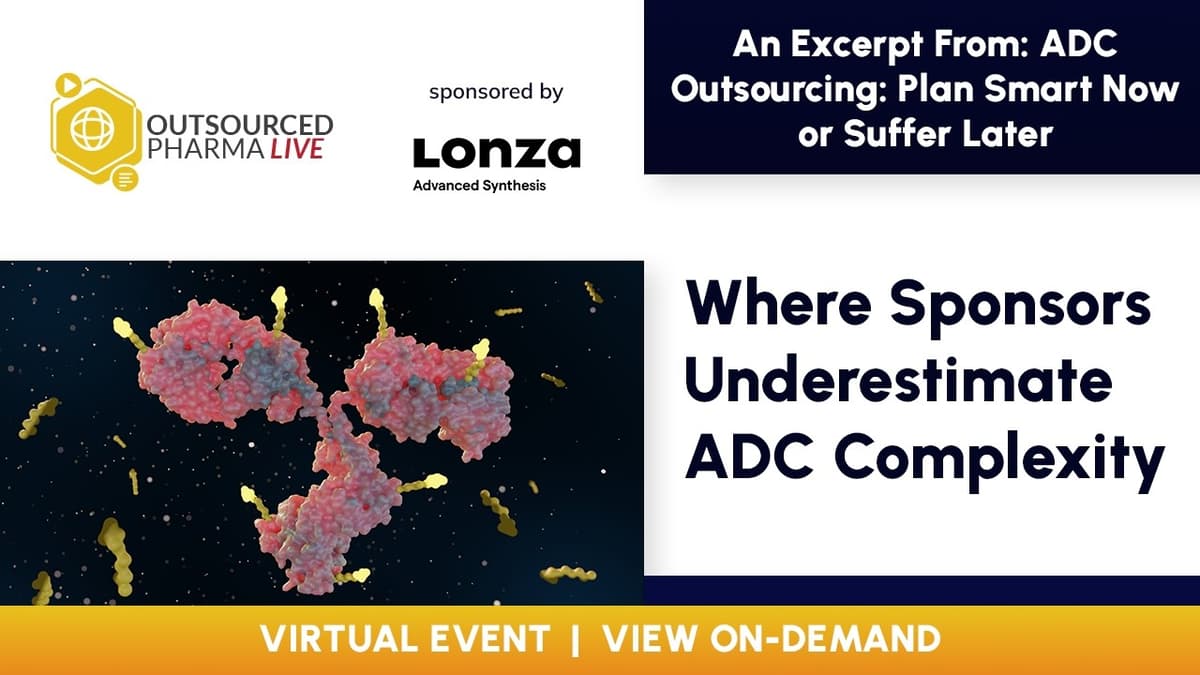
Where Sponsors Underestimate ADC Complexity
The Outsourced Pharma Live segment highlighted that sponsors frequently underestimate the complexity of antibody‑drug conjugate (ADC) projects, especially in bioconjugation and analytical development. Benjamin Hutchins explained that each ADC’s unique chemistry, payload, and molecular behavior demand bespoke process designs. He...
Derisking CNS Drug Development With Tortugas Neuroscience's Jeff Jonas, M.D.
In this interview, Jeff Jonas, MD, CEO of Tortuga Neuroscience, discusses the company’s $106 million launch and its mission to create orally administered small‑molecule therapies for high‑unmet‑need central nervous system disorders. Jonas, a Harvard‑trained psychiatrist with a track record of FDA‑approved...

Increasing Precision In Inhalation Delivery
The discussion centers on how advancing formulation science can sharpen the precision of inhaled therapeutics, especially as companies target both lung and nasal routes. Speakers note that roughly half of the pipeline now consists of biologics, prompting a push to deliver...
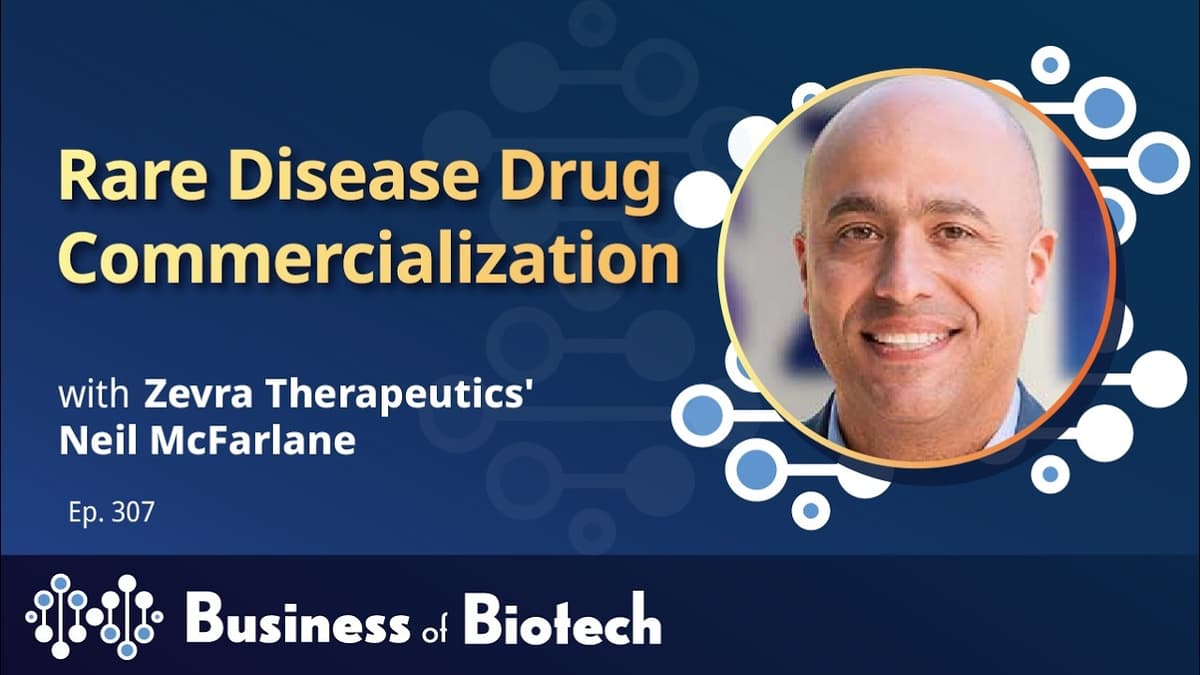
Rare Disease Drug Commercialization With Zevra Therapeutics' Neil McFarlane
In a Business of Biotech interview, Zevra Therapeutics CEO Neil McFarlane outlined the company’s recent rebrand from KemPharm and its sharpened focus on developing and commercializing rare‑disease therapeutics. He traced his unconventional path—from Army Reserve medic to transplant nurse practitioner—to...
Where Organ on Chips Will Add the Most Value in 3–5 Years
The discussion centers on how contract research organizations (CROs) and contract development and manufacturing organizations (CDMOs) can accelerate the adoption of organ‑on‑chip technologies over the next three to five years. Participants stress that scaling commercial systems and creating a unified...
The Role Of Regulators In Easing SUT Adoption
The panel examined how regulatory expectations shape the adoption of emerging manufacturing technologies in pharma. Participants highlighted that regulators frequently request extensive data sets—often beyond what a beta‑stage technology can realistically provide—creating a de‑facto barrier for innovators. Key insights included a...
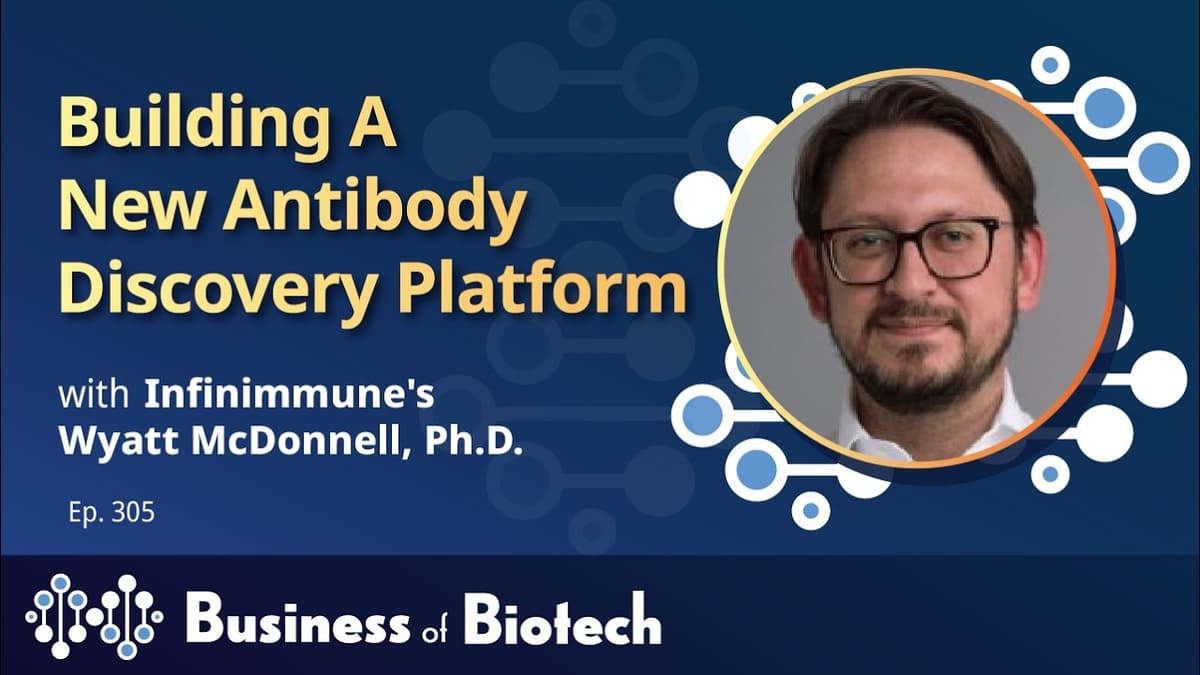
Building A New Antibody Discovery Platform With Infinimmune's Wyatt McDonnell, Ph.D.
In the latest episode of Business of Biotech, Life Science Leader’s Ben Comr sits down with Wyatt McDonnell, Ph.D., co‑founder and CEO of Infinimmune, to discuss the company’s novel antibody discovery platform that combines a vast repository of human blood...
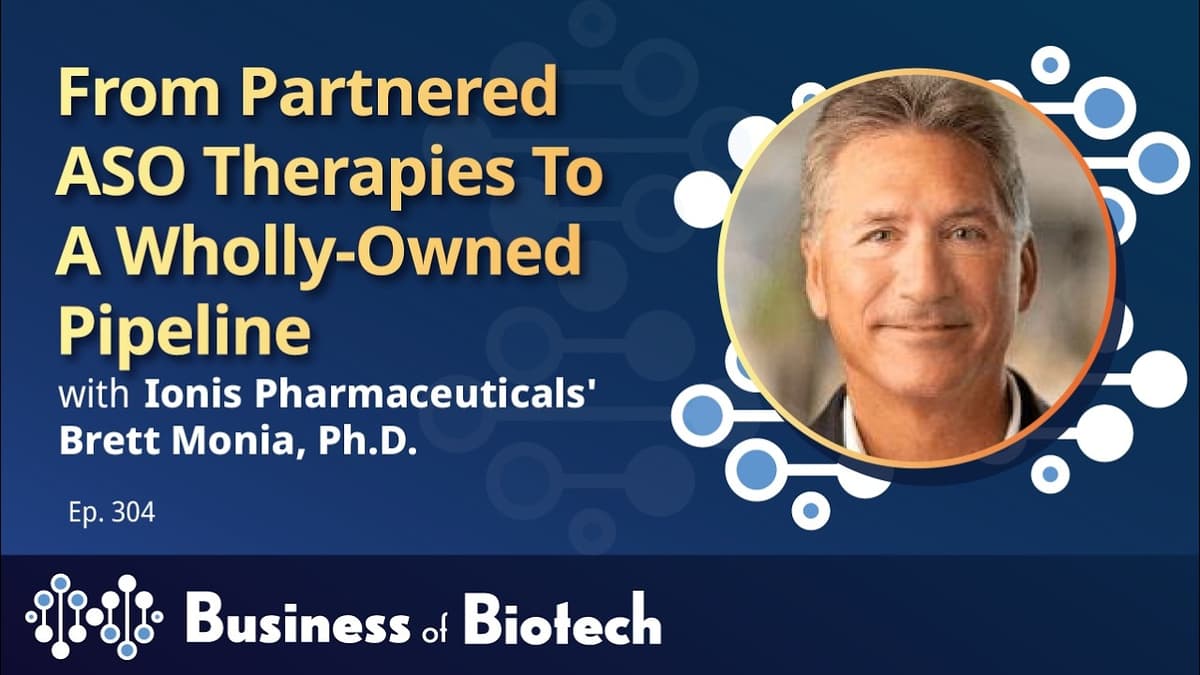
From Partnered ASO Therapies To A Wholly-Owned Pipeline With Ionis's Brett Monia, Ph.D.
The Business of Biotech interview with Ionis founder‑scientist Brett Monia, now CEO, explores how the RNA‑therapeutics pioneer moved from a partnership‑heavy antisense oligonucleotide (ASO) model to a wholly‑owned drug pipeline with built‑in commercialization capabilities. Monia recounts the early scientific unknowns—cellular uptake,...
Future Outlook: Technology and Innovation
The webinar explored how emerging technologies will reshape contamination control in pharmaceutical manufacturing over the next five to ten years. Participants highlighted a poll in which nearly 60% of attendees identified automation and robotics as the most impactful tools for...
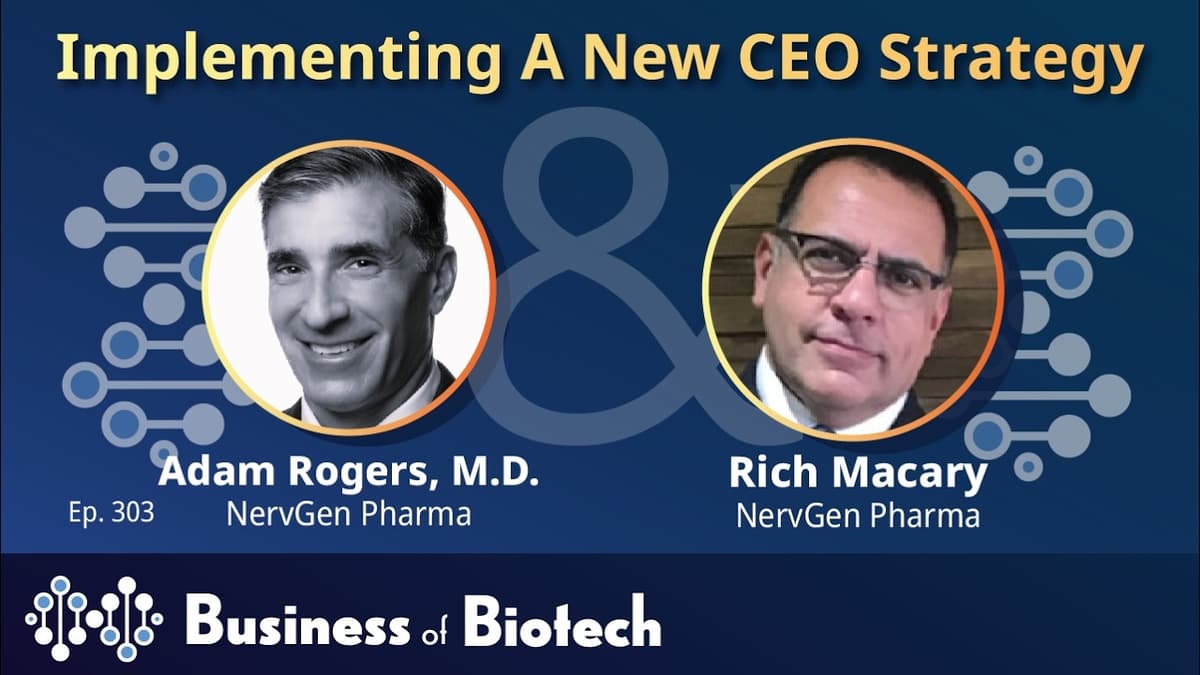
Implementing A New CEO Strategy With NervGen's Adam Rogers, M.D. And Rich Macary
The interview with NerveGen’s CEO Adam Rogers and adviser Rich McCary centers on the company’s new growth strategy as it prepares for a pivotal Phase III trial of its peptide therapy NVG291 for spinal‑cord injury. Rogers, a former biotech founder who...
Standards' Role In Biosimilarity Assessment
The video examines the US Pharmacopeia’s recommendation that the FDA promote the use of reference standards in biosimilarity assessments. It questions whether such standards can resolve the inherent variability seen across commercial biologic products. The speaker acknowledges that standards are indispensable...
Levers For Streamlining And Optimizing The Biosimilar Process
The panel discussed how biosimilar developers can streamline production by leveraging modern cell‑line engineering and a systematic set of process levers. Unlike de‑novo biologics, biosimilars must replicate a defined quality attribute envelope while seeking cost efficiencies. Advances in CHO cell line...
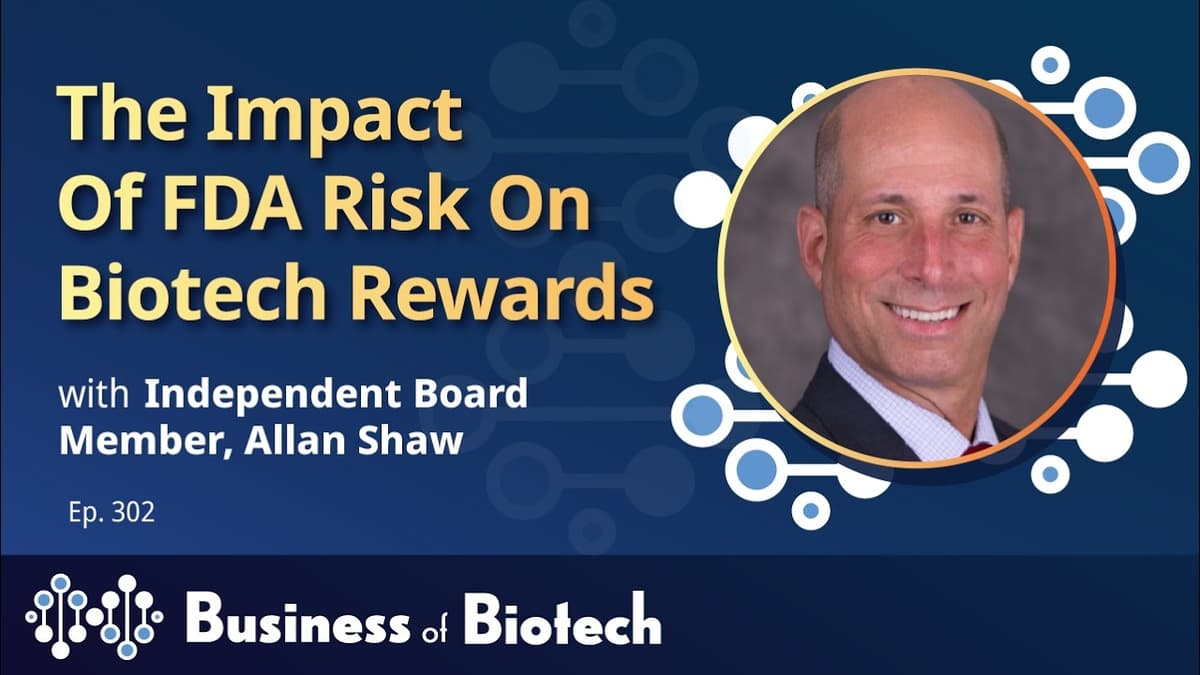
The Impact Of FDA Risk On Biotech Rewards With CFO And Board Director Allan Shaw
The conversation with veteran biotech CFO and board director Allan Shaw centers on the growing perception that the FDA’s public signals no longer match its internal decision‑making, creating heightened regulatory risk for drug developers. Shaw highlights a widening gap between...