
How Strattam Capital Is Helping Companies Adopt AI
The video outlines how Stratum Capital is guiding its portfolio firms through the complex transition to artificial‑intelligence‑driven operations. Rather than treating AI as a pure technology upgrade, Stratum emphasizes that adoption must be driven from the C‑suite, with a senior champion who embraces new ways of working. Stratum tackles three practical hurdles: securing top‑level belief, translating vague AI curiosity into concrete project pipelines, and fostering cross‑company knowledge exchange. It offers executives a menu of potential AI initiatives, each paired with expected customer impact and implementation difficulty, enabling rapid prioritization. The firm’s approach is illustrated with a light‑bulb analogy—if one company invents a breakthrough, the others are encouraged to adopt it rather than start from scratch. CEOs convene twice a year, where Stratum often “tells” rather than “asks,” sharing successful inventions and best‑practice playbooks across the portfolio. By institutionalizing leadership buy‑in, curated use‑case libraries, and regular peer learning, Stratum accelerates AI integration, driving competitive advantage and value creation for its investors and portfolio companies alike.
Why Great Investors Copy What Works Instead of Chasing Differentiation
The speaker argues that great investors should focus on being effective rather than striving for differentiation, copying proven practices that work across the industry. He stresses that the core mandate is to partner with management teams to increase company value,...
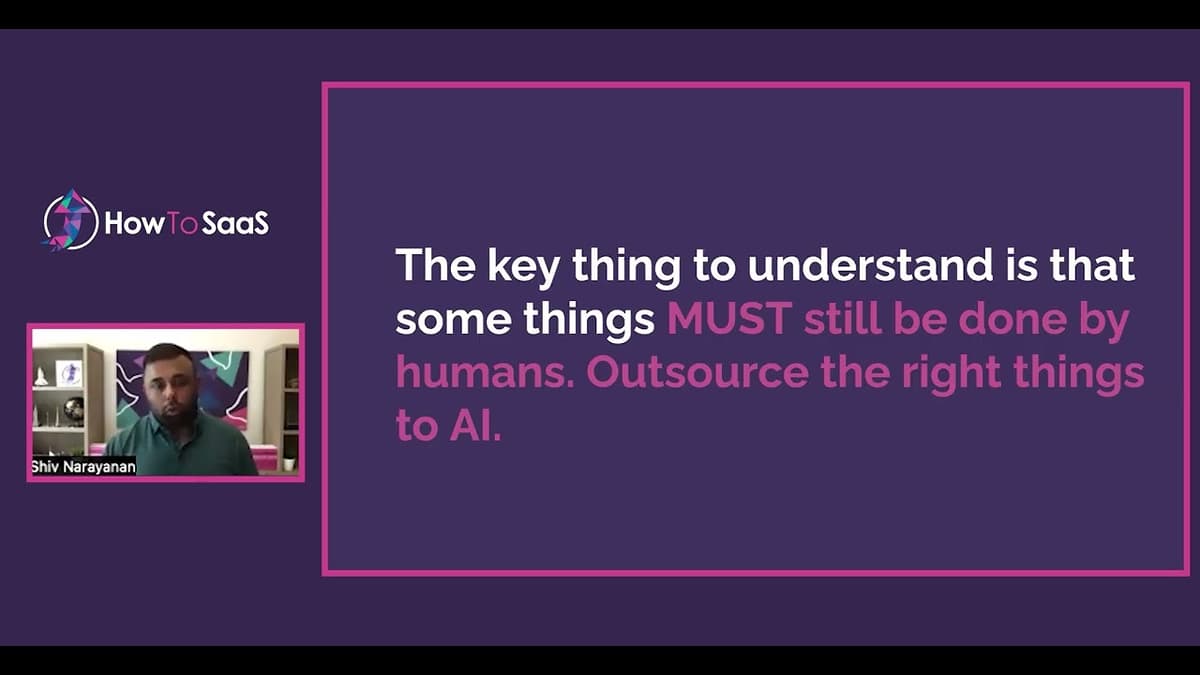
Marketing with AI Agents: How to Build a 10x Marketing Engine
The webinar, tied to the newly released AI Marketing Blueprint, explains how marketers can construct a ten‑times‑more‑productive engine by integrating AI agents into every stage of the funnel. The presenter outlines two core opportunities: an AI‑enabled buyer journey that keeps brands...
How AI Is Transforming Clinical Trial Patient Recruitment
The video explains how artificial intelligence is reshaping clinical‑trial patient recruitment by moving from broad, untargeted marketing to precise, data‑driven matching. Instead of inviting anyone through the door and then sifting through medical histories, AI algorithms analyze eligibility criteria up...
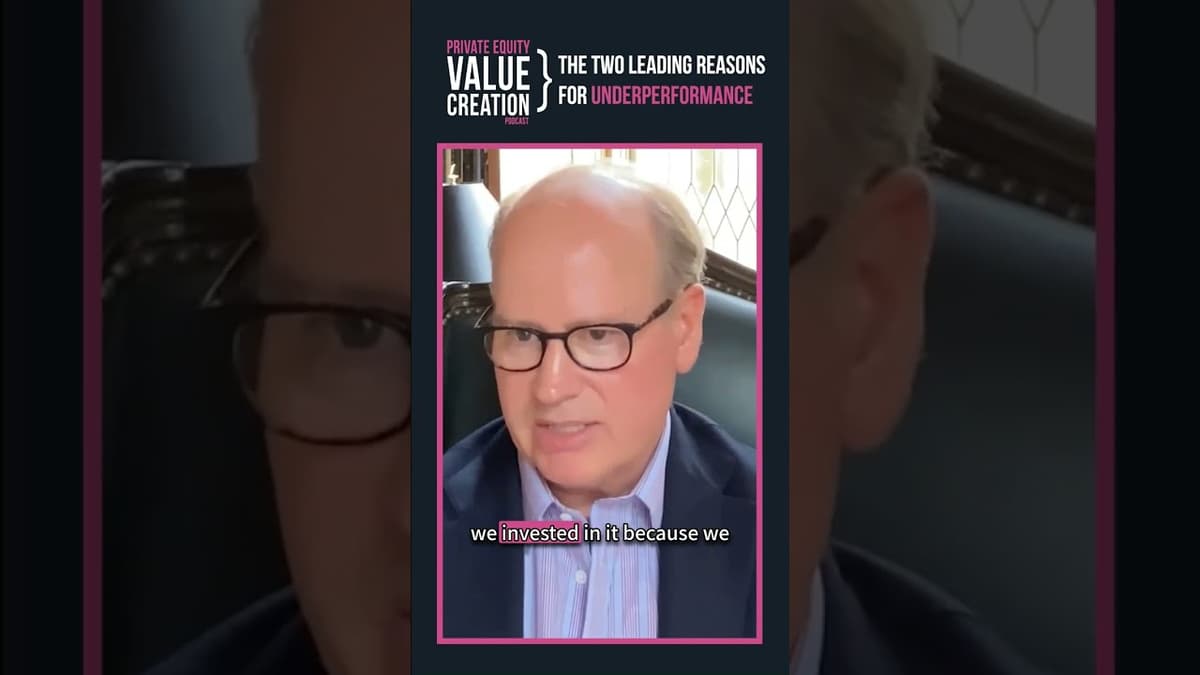
Why Private Equity Deals Fail: The #1 Mistake Investors Make
The video dissects the two primary reasons private‑equity transactions stumble: slow replacement of underperforming management and costly, delayed technology migrations. The speaker, drawing on experience from over 180 fundraises, argues that these operational missteps erode value faster than any market...

Why Indemnification Matters in Private Equity Deals
The video explains why indemnification provisions are a cornerstone of private‑equity M&A transactions, outlining how they protect buyers from hidden liabilities after a deal closes. Buyers base their valuation on the information disclosed during due diligence. When undisclosed issues later emerge,...
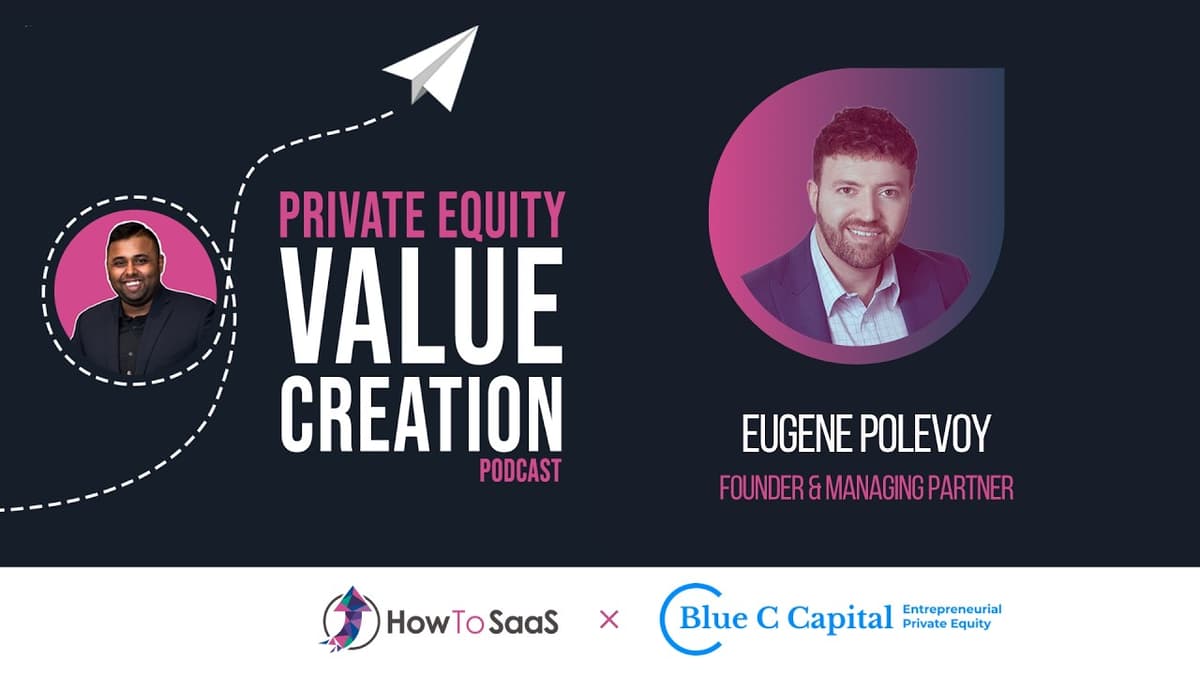
Ep. 132: Eugene Polevoy, Blue C Capital | The Independent Sponsor Model and Alignment-First Deals
The episode of Private Equity Value Creation Podcast features Eugene Polvoy, founder and managing partner of Blue Sea Capital, discussing his firm’s independent sponsor approach, which sits between traditional fund‑based private equity and search‑fund models. Polvoy explains that Blue Sea raises...

Why AI Companies Must Sell Outcomes Not Software
The video argues AI vendors must pivot from traditional SaaS product pitches to outcome‑oriented sales narratives, emphasizing the tangible business results AI delivers. Speakers note that unlike a known CRM, AI’s value is ambiguous; firms need to articulate the specific problem...
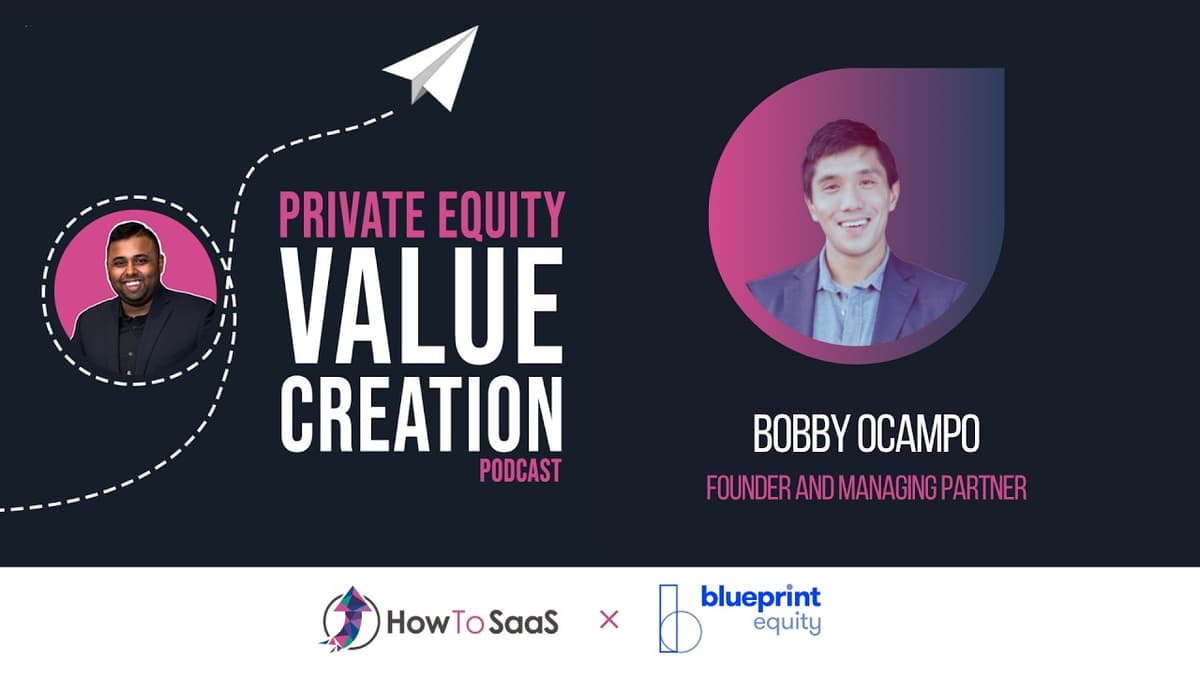
Ep. 130: Bobby Ocampo, Blueprint Equity | The Missing Middle and Hands-On Value Creation
In this episode of the Private Equity Value Creation podcast, host Shivinan interviews Bobby Ocampo, founder and managing partner of Blueprint Equity. The conversation centers on Blueprint’s niche focus on the “missing middle” – early‑stage, bootstrapped SaaS and AI‑native companies...
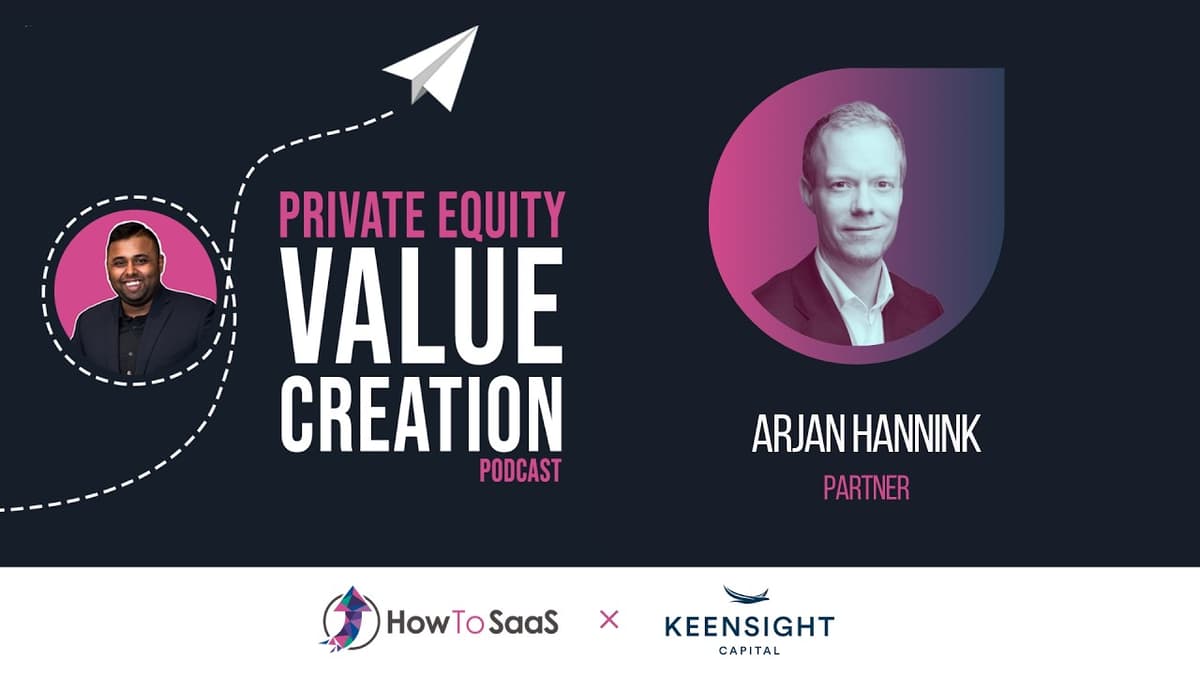
Ep. 129: Arjan Hannink, Keensight Capital | Building an Embedded Value Creation Team at Scale
In this episode of the Equity Value Creation podcast, partner Arjan Hannink of Keensight Capital explains how the firm embeds a dedicated value‑creation engine within each portfolio company, turning operating support into a scalable competitive advantage. Keensight’s model hinges on a...
The $5 Trillion Healthcare Market Explained
The video frames the U.S. healthcare sector as a $5 trillion economy, organized around the four “Ps”: patient, provider, payer and product companies (pharma and devices). It highlights that roughly 60 % of spending flows through providers, making the front‑door of medicine—prescription and...
Clear, Practical Guidance for the Changing AI Landscape
The video promotes the author’s new bestseller, *AI Marketing Blueprint*, which claims to provide a proven framework for companies to stay relevant in an AI‑driven marketplace. The book, now number one on Amazon across multiple categories, targets marketers who must...

How Secondary Investors Choose GPs
The video explains how secondary investors, exemplified by Pantheon, select general partners (GPs) for repeat capital deployment. Over 75‑80% of their allocations flow to GPs already on their platform through fund‑of‑funds, co‑investment, and secondary transactions, underscoring the weight of longstanding...
How Secondaries Investors Think About Liquidity and Exits
The video explains how secondary market investors evaluate liquidity and exit strategies when entering a company in its second year or acquiring a stake from another firm. The speaker emphasizes a buy‑and‑hold approach, staying invested through IPOs or acquisitions, and only...
What Distinguishes GP Stakes Firms?
The video explains how the firm differentiates itself in the growing GP‑stakes market, emphasizing its unique ownership structure, longevity, and life‑cycle investment approach. First, the firm is a subsidiary of the Kuwait pension system, giving it a true asset‑owner DNA while...