
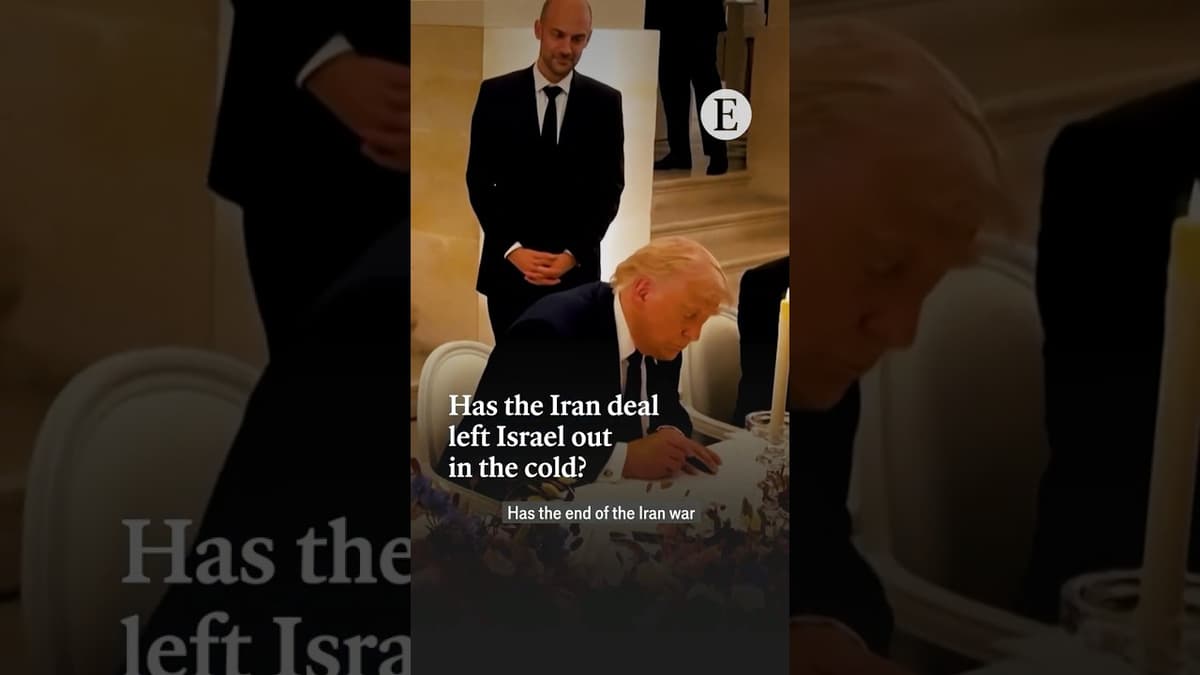
Has the Iran Deal Left Israel Out in the Cold? | The Economist
The Economist examines how the United States‑Iran agreement, brokered by President Donald Trump, leaves Israel on the sidelines, marking a stark shift from the close U.S.–Israel partnership that defined the early war against Tehran. Netanyahu invested massive political capital in convincing Washington that a direct conflict would topple Iran, yet the regime survives and the deal—described as a memorandum of understanding—fails to address Tehran’s nuclear enrichment or ballistic‑missile capabilities. Key data points include the 60‑day window for nuclear talks, no guarantee of a conclusive outcome, and the unintended immunity granted to Hezbollah, Iran’s most potent regional proxy. The article highlights Netanyahu’s claim that the war “saved Israel from nuclear annihilation” despite limited strategic gains, and notes Trump’s blunt criticism of the Israeli premier’s judgment. Notable quotations underscore the tension: “If I don’t like it, we’ll go back to shooting at them, dropping bombs on their heads,” and Trump labeling Netanyahu “a very difficult guy” lacking judgment. These remarks illustrate the growing divergence between U.S. diplomatic priorities and Israeli security expectations. The fallout could reshape Israeli politics, weakening Netanyahu’s re‑election bid and forcing a reassessment of Israel’s Iran strategy. With U.S. backing less certain, Israel may need new regional alliances and a revised approach to counter Iran’s nuclear and proxy threats.
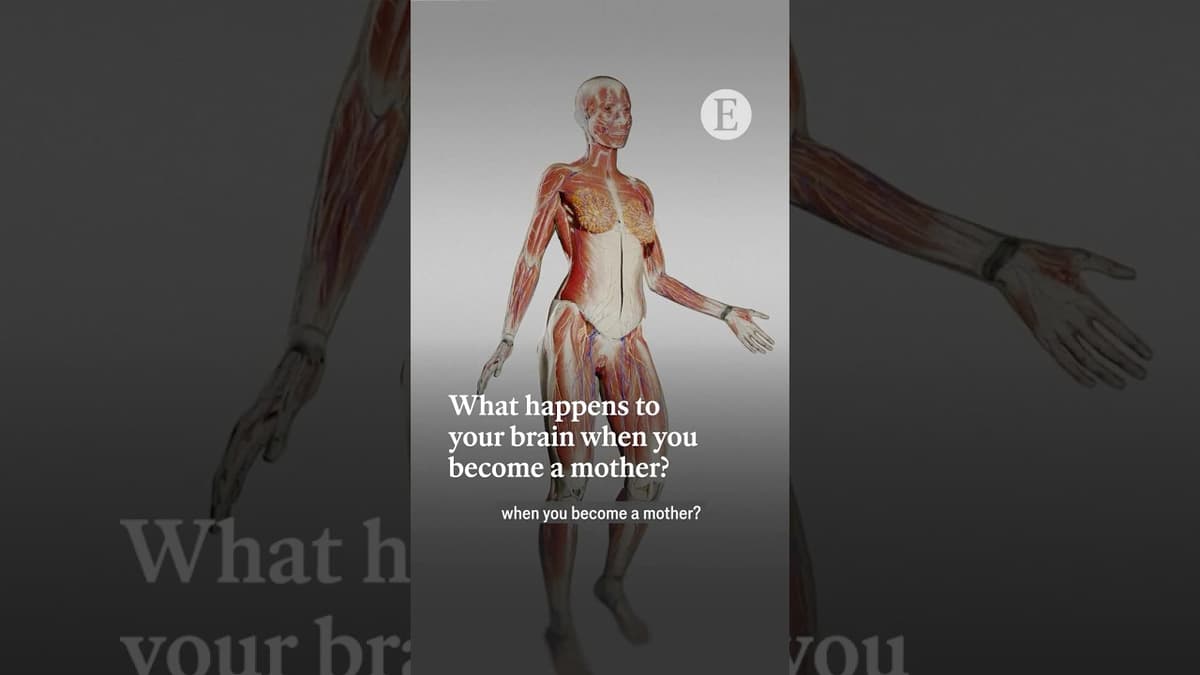
What Happens to Your Brain when You Become a Mother? | The Economist
The Economist video explores how motherhood reshapes the female brain, beginning as early as the first trimester, with measurable structural changes that persist long after delivery. Researchers found a roughly 5% reduction in cortical grey matter, interpreted as synaptic pruning that...
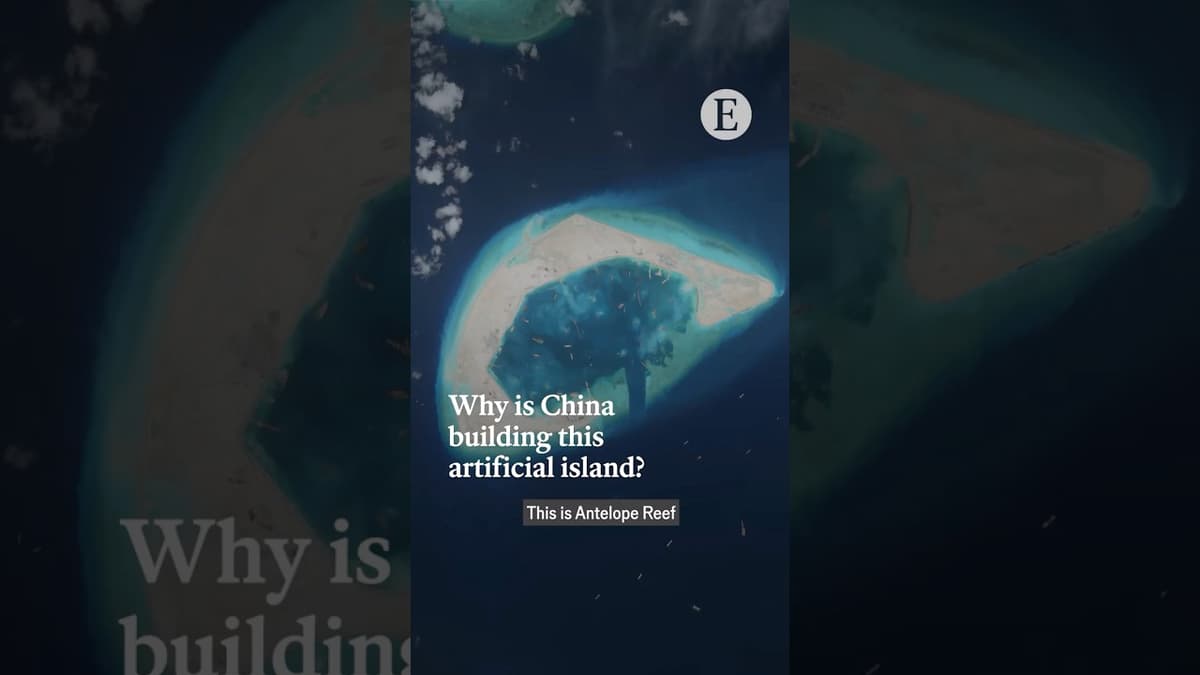
Why Is China Building This Artificial Island?
The video examines China's latest push to transform Antelope Reef, a former sandbar in the Paracel Islands, into a massive artificial platform that could eclipse its earlier bases and become the largest reclaimed landmass Beijing holds in the South China...
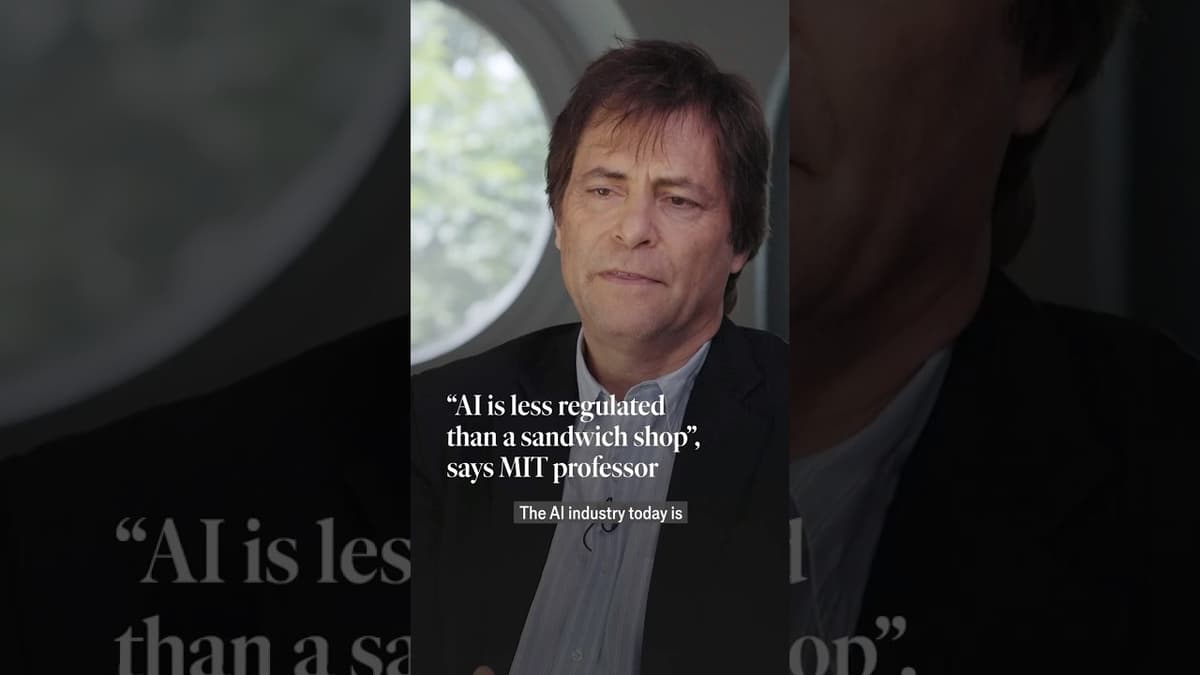
"AI Is Less Regulated than a Sandwich Shop", Says MIT Professor | The Economist
The video features an MIT professor comparing the AI sector’s regulatory vacuum to the strict oversight of a sandwich shop, arguing that AI is the only U.S. industry with fewer rules than a simple food outlet. He uses a vivid...
Why Are This Year's World Cup Tickets so Expensive? | The Economist
FIFA’s decision to take direct control of World Cup ticketing has introduced dynamic pricing, driving the 2026 tournament’s seats to unprecedented levels. Adjusted for inflation, group‑stage tickets now average $200, while a final‑match ticket costs as much as two Super...
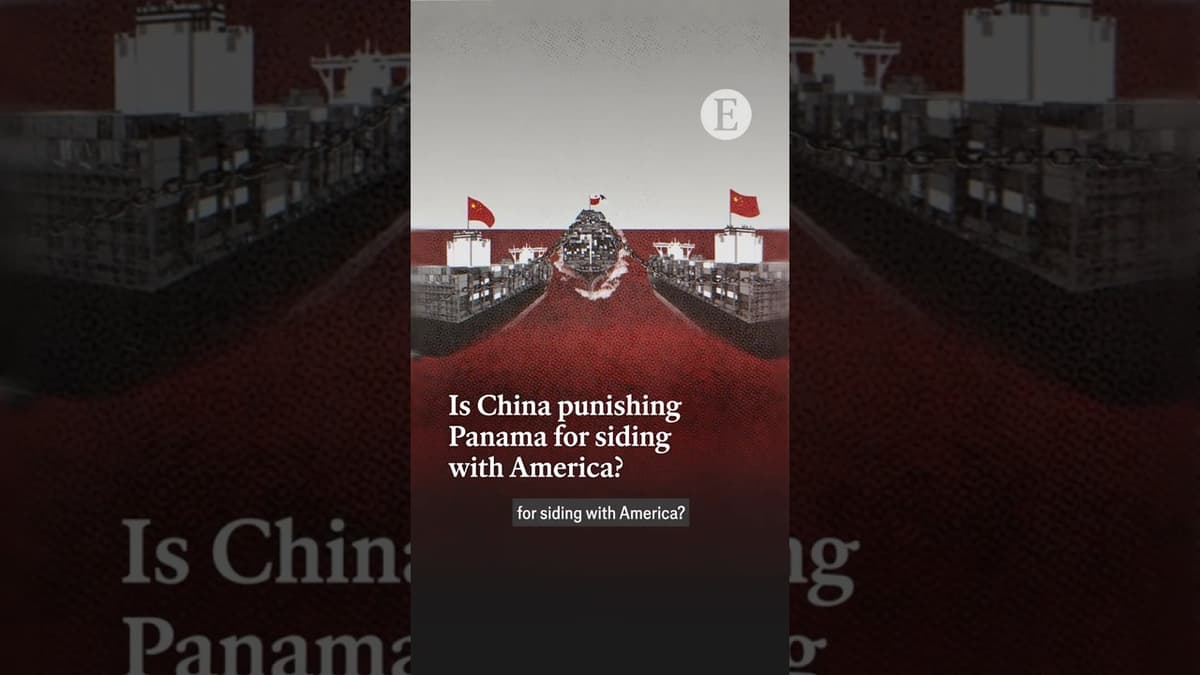
Is China Punishing Panama for Siding with America?
The video examines whether China is using maritime detentions to punish Panama after the Central American nation aligned with the United States on the Panama Canal and expelled a Hong Kong‑run port operator. Since Panama’s Supreme Court declared the Hong Kong...
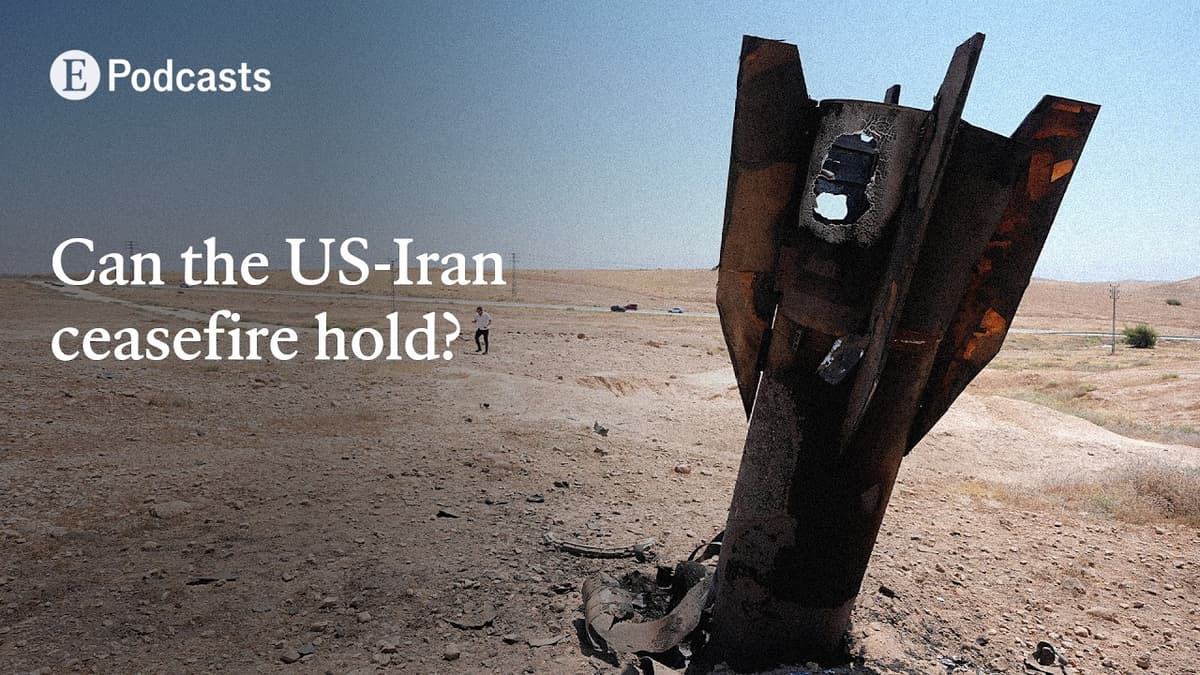
Can the US-Iran Ceasefire Hold? | The Economist
The Economist’s discussion marks two months since the U.S.–Iran cease‑fire took effect, but overnight Iran fired ballistic missiles at Israel and Israel responded with airstrikes on Iranian targets, raising the most serious breach yet. Iran said the missiles were retaliation for...
Can Running a McDonald’s Make You a Millionaire? | The Economist
The video examines how the McDonald’s franchise model has turned the fast‑food giant into one of the world’s most prolific wealth generators. While the brand is iconic, 95% of its U.S. outlets are owned by independent operators who pay an...
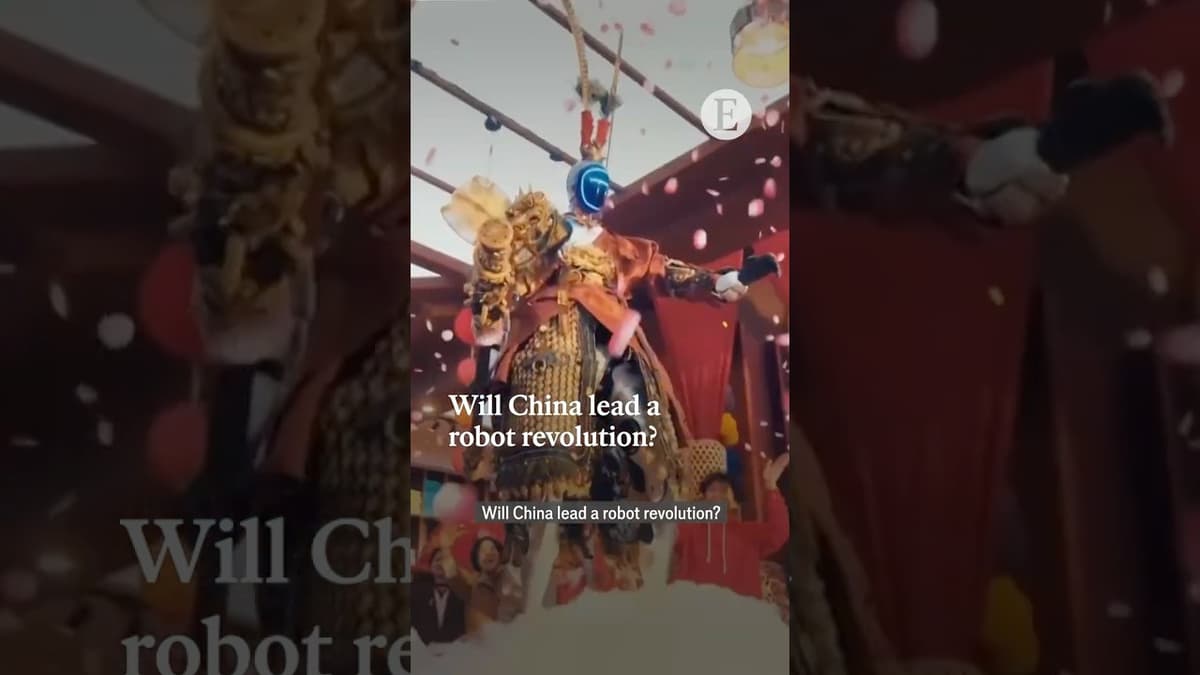
Will China Lead a Robot Revolution? | The Economist
The video asks whether China will spearhead a robot revolution, following the host as they rent a humanoid unit, Lingxi X2, and test it in an office setting. Analysts cited in the piece forecast a market worth $7.5 trillion a year by 2050,...
Why There Is Nowhere to Hide on the Ukrainian Battlefield | The Economist
The video argues that Ukraine’s battlefield has become almost fully visible due to an explosion of sensors—from drone‑borne cameras to synthetic‑aperture‑radar satellites and vehicle‑mounted detectors. This “translucent” environment, paired with a surge in affordable precision‑guided munitions, lets attackers strike anything...
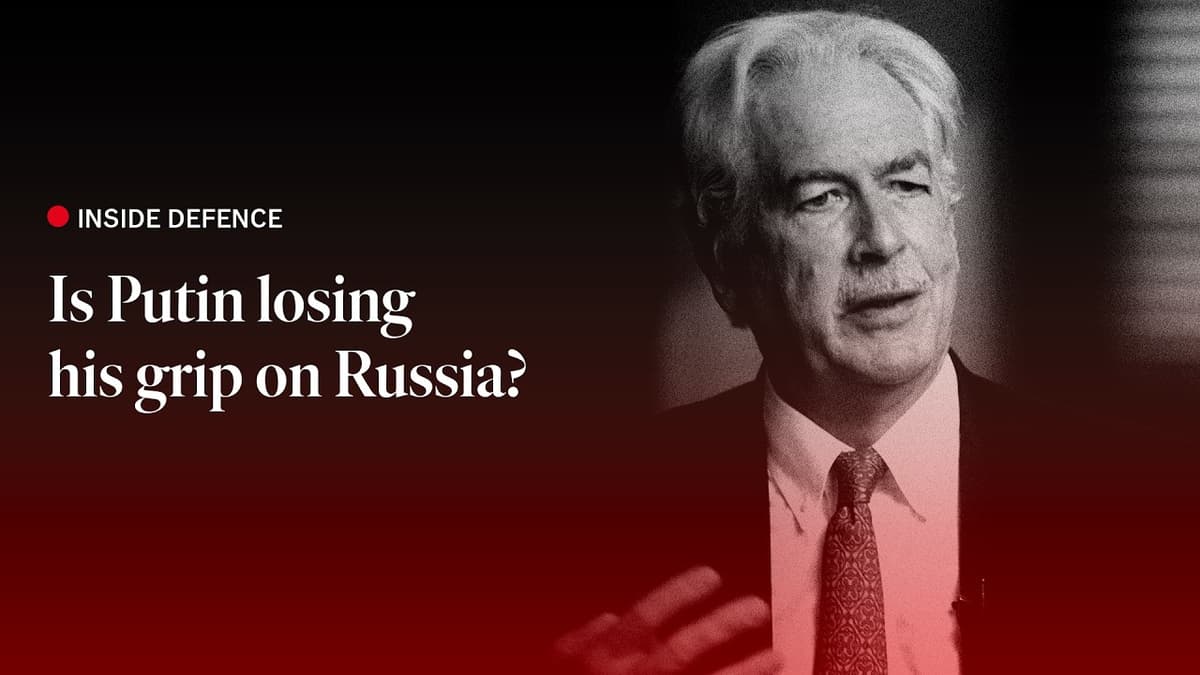
A Former CIA Director on Whether Russians Are Losing Faith in Vladimir Putin
A former CIA director revisits a November 2021 call with Vladimir Putin, revealing that the agency possessed detailed intelligence on both the military and political planning for an invasion of Ukraine. The director explains that the FSB, Russia’s domestic security service, led...
Why Have AI Data Centres Become so Unpopular? | The Economist
The Economist’s AI writer Alex Hern explains why AI data centres are facing a growing backlash in the United States. Rapid AI model training has spurred a wave of new facilities, but they are drawing criticism for massive electricity use,...
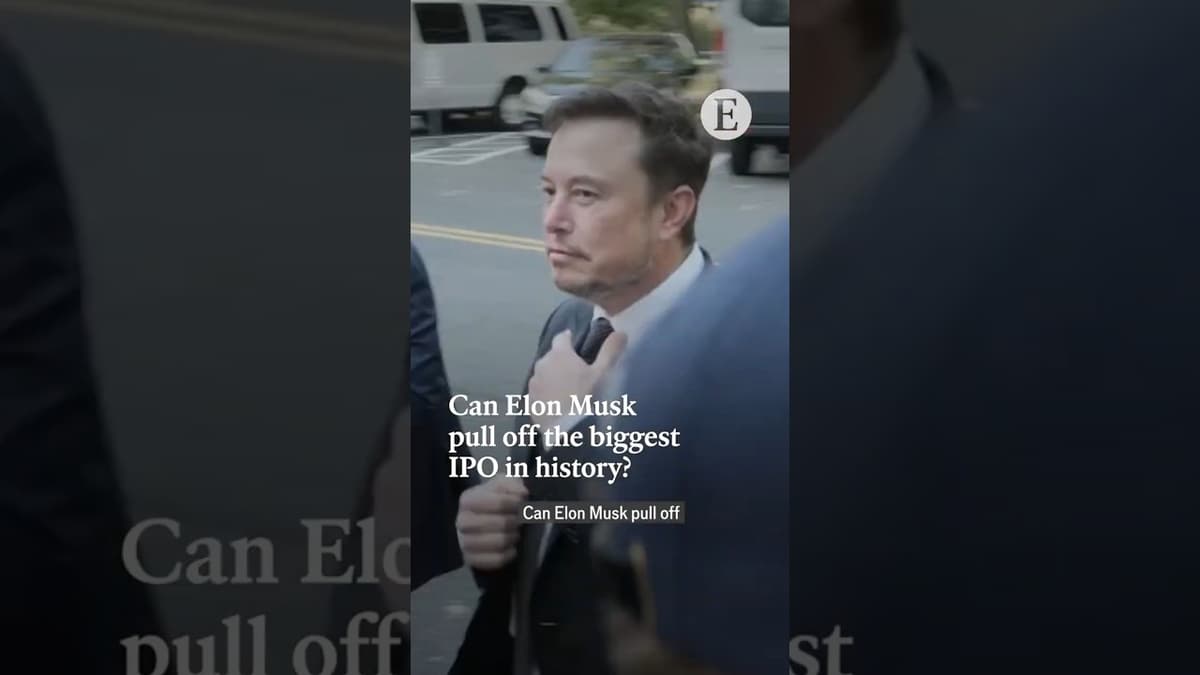
Can Elon Musk Pull Off the Biggest IPO in History?
SpaceX has formally filed to go public, positioning its offering as potentially the largest IPO in history with a target valuation of about $1.75 trillion. The filing highlights three strategic pillars: the rapidly expanding Starlink broadband service, the development of the...
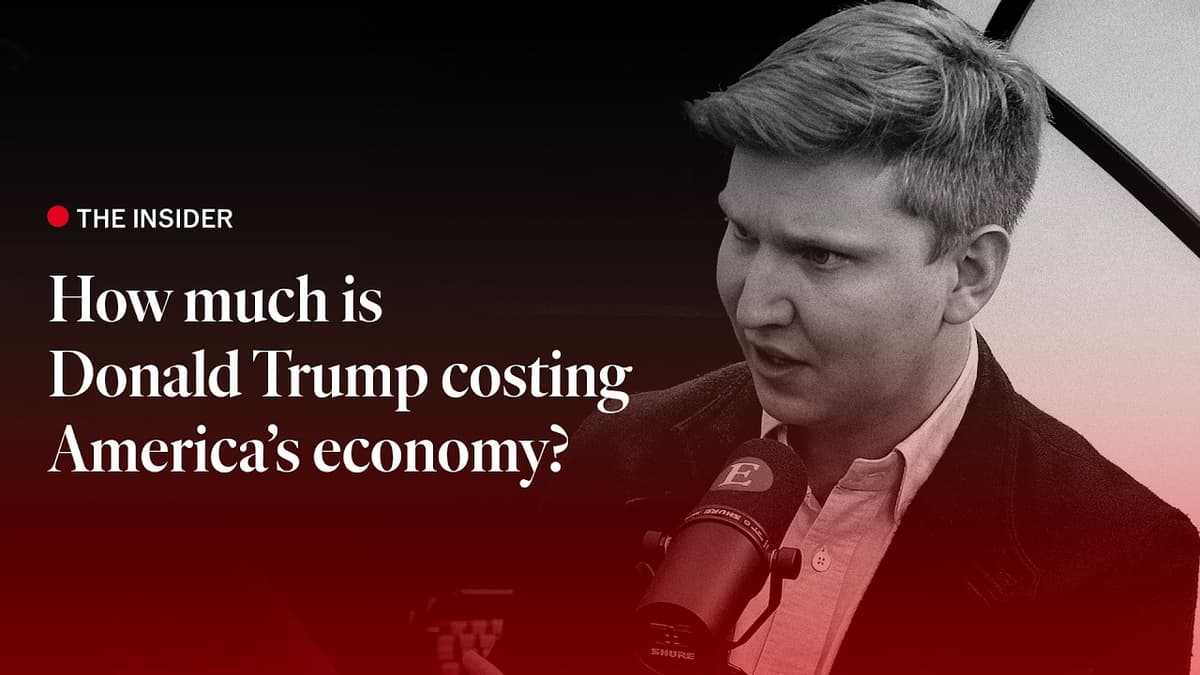
How Much Is Donald Trump Costing America’s Economy? | The Economist
The Economist video quantifies how Donald Trump's policies have weighed on U.S. economic performance, juxtaposing them against an unexpected AI‑driven surge that lifted growth in 2025. Using pre‑Trump baseline forecasts, the analysis estimates a near‑3% GDP expansion would have been realistic,...
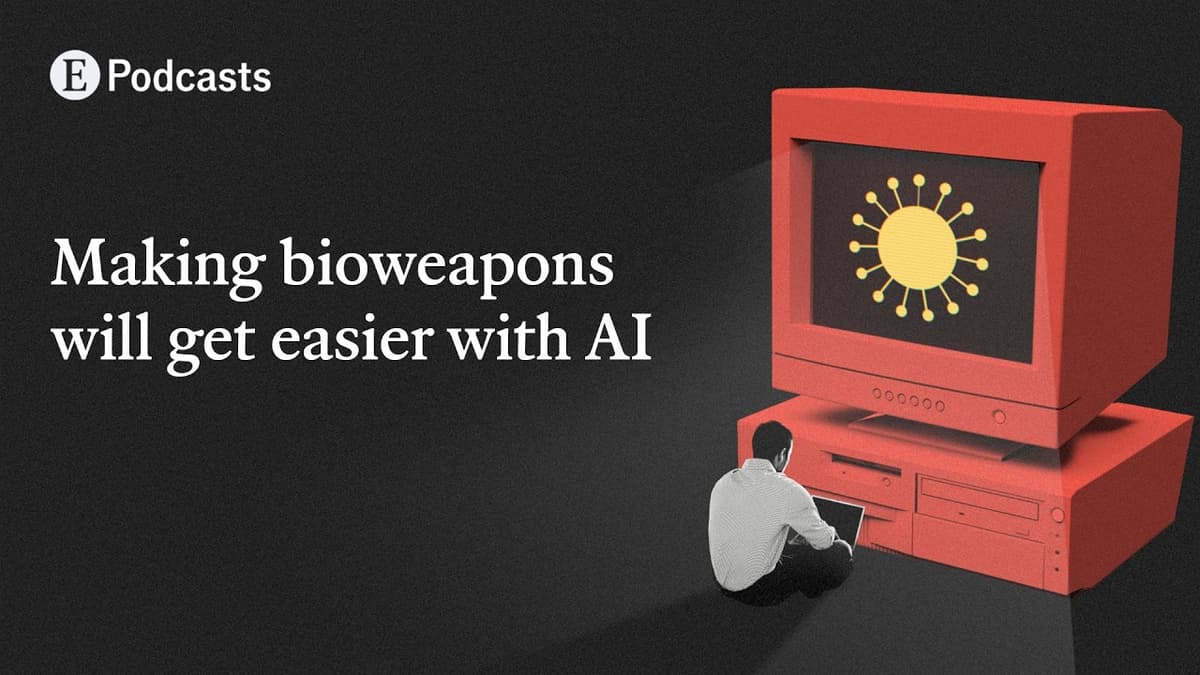
Creating Deadly Human Viruses Will Get Easier with AI | The Economist
The Economist warns that advanced AI is accelerating biological expertise, potentially enabling skilled individuals to design or modify viruses more easily by acting as an ‘infinitely patient’ expert tutor. While true novices gain limited practical lab help, professionals with molecular...