
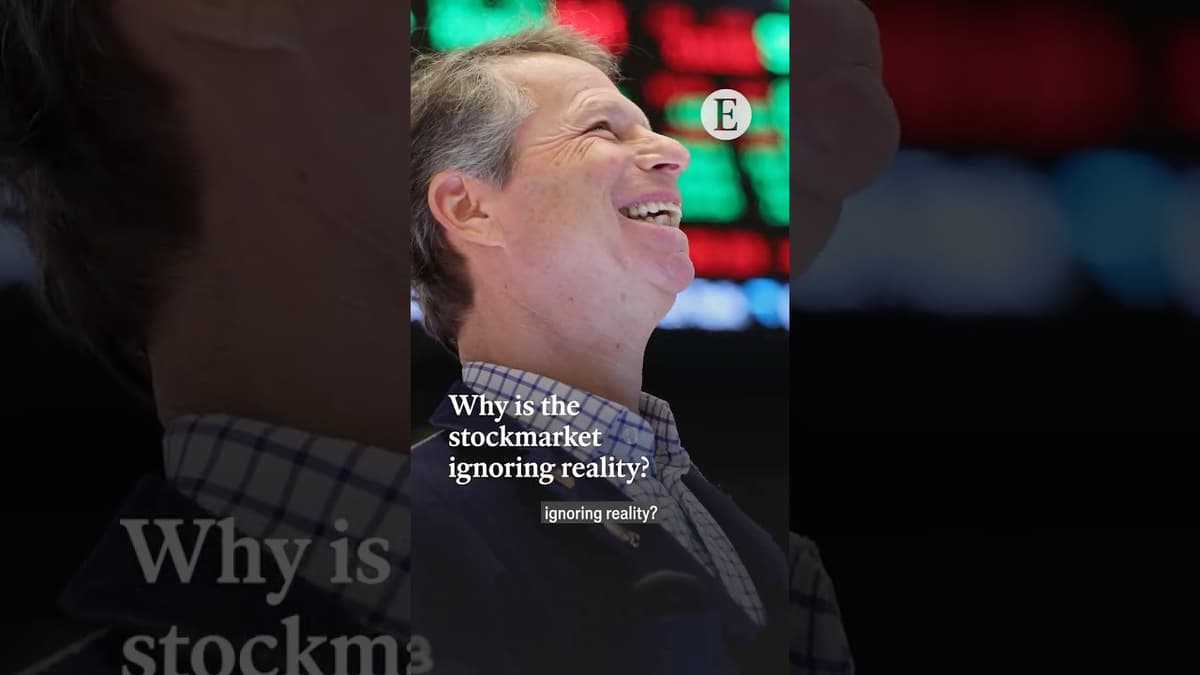
Why Is the Stockmarket Ignoring Reality? | The Economist
Global equity markets have rallied strongly in recent weeks, with investor optimism reaching levels last seen during the late-1990s dotcom boom, despite an ongoing Iran-related energy shock that has tightened supplies and disrupted supply chains. Corporate earnings have been robust across sectors, supporting valuations and reinforcing investor confidence after successive crises where markets rebounded sharply. That resilience—and a fear of missing out driven by memory of prior recoveries—has encouraged risk-taking even as bond markets price in higher inflation and fiscal strain. The contrast between lofty equity sentiment and clear macroeconomic risks raises the prospect of a sharp correction if the geopolitical shock persists or investor faith wanes.
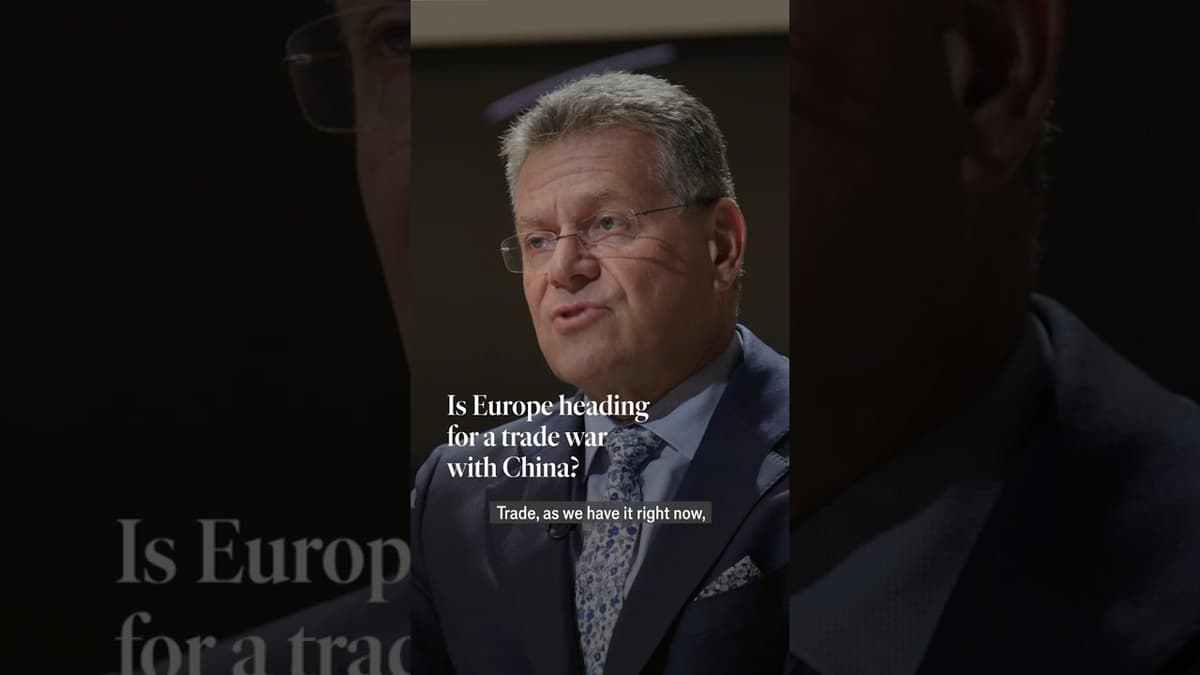
Is Europe Heading for a Trade War with China? | The Economist
The Economist interview examines whether Europe is drifting toward a trade war with China, featuring EU Trade Commissioner Mario Shevchuk. He outlines a stark imbalance: Chinese exports to the EU have risen about 50% in five years while EU exports...
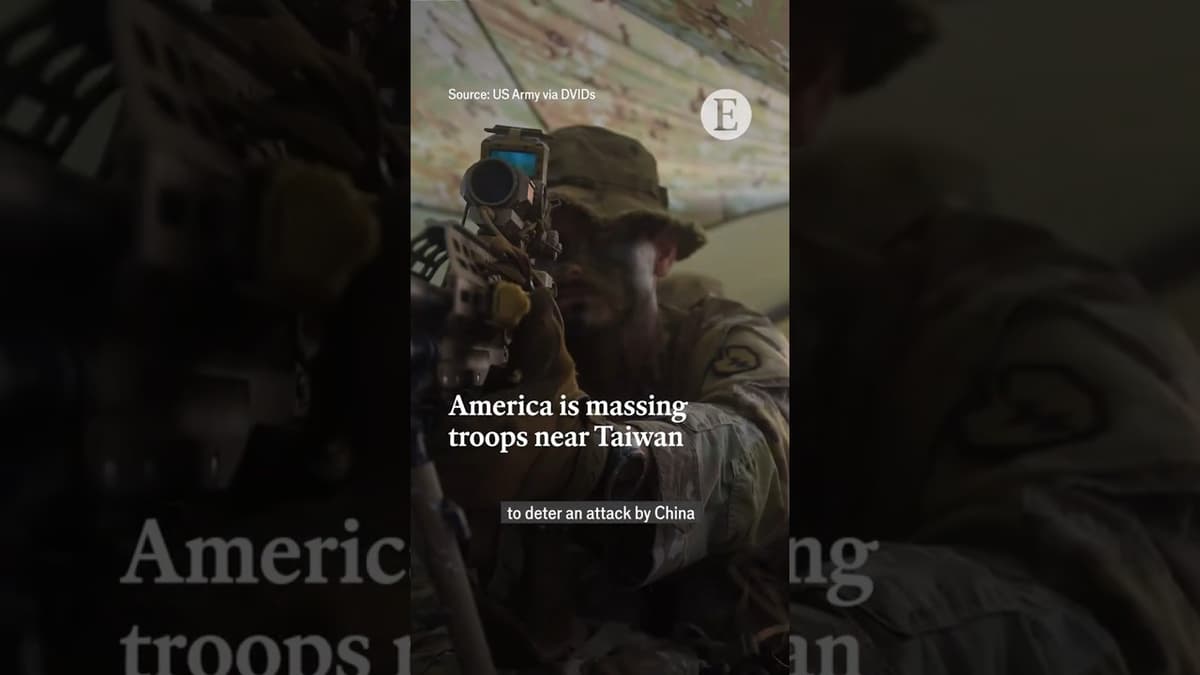
America Is Massing Troops Near Taiwan
The video reports that the United States has moved roughly 10,000 troops into the Philippines for a series of annual exercises, positioning forces close to Taiwan as a deterrent against a possible Chinese invasion. The drills are timed for April‑May, when...
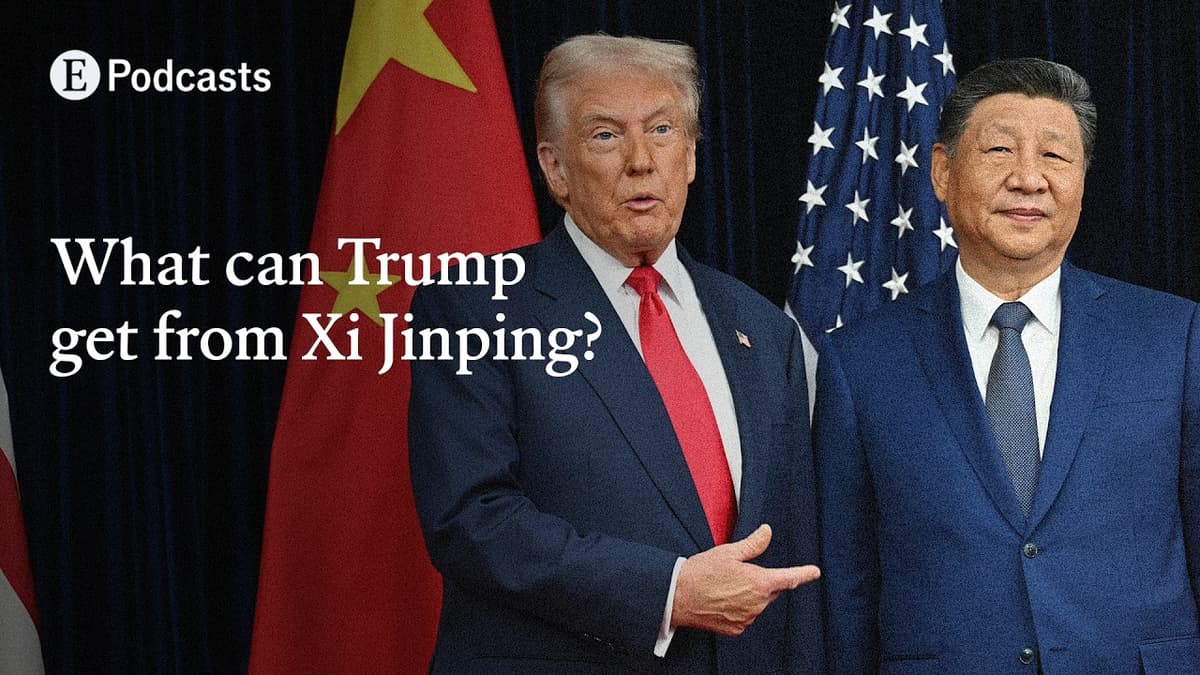
What Can Donald Trump Get From Xi Jinping? | The Economist
The Economist podcast examines the high‑stakes diplomatic dance set for 2026 when Donald Trump meets Xi Jinping. The agenda centers on three flashpoints – Taiwan, trade, and artificial‑intelligence safety – each a potential lever for extracting concessions or deepening mistrust. The...
People Are Leaving Western Countries in Record Numbers | The Economist
The Economist’s latest analysis shows that emigration from thirty‑one wealthy nations jumped to roughly four million people in 2024 – a 20 percent increase over pre‑pandemic levels. The surge reverses the immigration boom that peaked in 2022‑23 and reflects a broader...
Who Is Winning the America-China Trade War? | The Economist
The Economist video argues the U.S.-China trade conflict has moved from a tentative truce to a stalemate, with each side aware of mutual dependencies. China’s aggressive rare‑earth export controls give it leverage over high‑tech supply chains, while the United States counters...
When Will China’s Economy Overtake America’s? | The Economist
The Economist panel tackled the perennial question of when, if ever, China will surpass the United States as the world’s largest economy measured in nominal dollars. Using a chart that spans 2000‑2070, they compared past forecasts of China’s GDP share...
China v America: The Earth-Observation Space Race | The Economist
The Economist’s video examines the accelerating competition between China and the United States to dominate Earth‑observation (EO) from space. While the U.S. long held a monopoly on the highest‑resolution commercial imagery, China’s launch cadence has surged, with 120 satellites in...
Rahm Emanuel: “AI Keeps Me up at Night” | The Economist
Rahm Emanuel, former mayor of Chicago and current political commentator, warned that artificial intelligence is keeping him up at night. He argued that while a guaranteed income could cushion economic disruption, it does not replace the human need for purpose...

Are Plants Conscious and Do They Feel Pain? | The Economist
The Economist video explores whether plants possess consciousness, sentience, or a form of intelligence, challenging traditional views that equate awareness solely with brains. Researchers cite examples such as vines mimicking host leaves, beans spiralling toward poles before contact, and roots homing...
Will Trump “TACO” Over the Strait of Hormuz? | The Economist
The Economist video examines whether President Donald Trump will strike a deal with Iran over the Strait of Hormuz – a move the hosts label “TACO” – and why the outcome matters for his administration. Analysts argue Trump is caught between...
Will Republican Support for NATO Survive Trump? | The Economist
The Economist panel discusses whether Republican backing for NATO can survive the Trump era, noting that overall American support remains a majority but has become sharply partisan. While Democrats still broadly favor the alliance, Republican enthusiasm has slipped since Trump’s...
Could NATO Survive without America?
The video examines whether NATO could endure without the United States, focusing on Europe’s deep dependence on American military capabilities. It outlines three critical pillars of that reliance: political leadership, high‑level command and control, and a suite of “key enablers”...
Why Is It so Hard to Map the Ocean Floor? | The Economist
The Economist video examines why charting the ocean floor remains a monumental challenge and highlights the ambitious Seabed 2030 initiative aimed at completing a global map. While satellite radar can image land in days, water blocks radio waves, forcing researchers to...
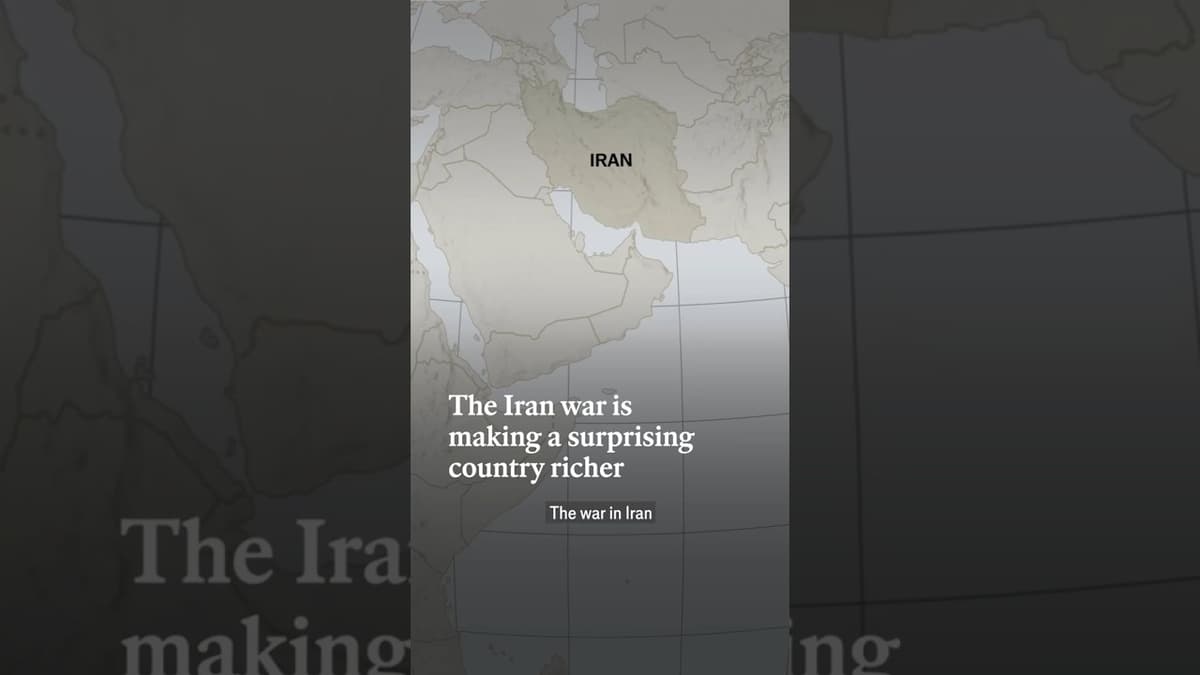
The Iran War Is Making a Surprising Country Richer
The video explains how the Iran‑Russia conflict has unintentionally enriched the South American nation of Gana. After a 2015 discovery of 11 billion barrels of offshore oil, production began in 2019 and weekly revenues jumped from $370 million to $623 million, making...

This Vaccine Could Stop the Next Pandemic | The Economist
The video explores the prospect of universal, broad‑spectrum vaccines that harness trained innate immunity to blunt future pandemics, highlighting recent research and expert commentary. It contrasts the fast‑acting innate system with the slower, highly specific adaptive response, noting that vaccines...

Israeli Settler Violence in the West Bank Is Rising | The Economist
The Economist’s video highlights a sharp surge in Israeli settler violence and territorial expansion in the occupied West Bank, even as global attention fixates on Iran. In March 2026, Palestinian fatalities at the hands of settlers reached a ten‑year peak,...

Brits Are Falling Out of Love with America | The Economist
The Economist video examines the steady erosion of British public affection for the United States, tracing the trend from a post‑World War II high to a pronounced dip after the 2003 Iraq invasion and a further plunge during the two Trump...
Can Luxury Toilets Fix China’s Economy? | The Economist
The Economist examines whether opulent restroom designs can revive China’s sluggish consumer market. Deji, a high‑end shopping centre, has turned its lavish toilets into a tourist draw, prompting officials to promote “experience‑driven” malls as a way to loosen purse...

How China Is Squashing Its Ethnic Minorities | The Economist
The Economist’s video examines China’s newly enacted “law on promoting ethnic unity and progress,” which seeks to erase remaining ethnic distinctiveness by mandating Mandarin as the primary language in schools and official settings. The legislation forces Mandarin precedence, obliges minorities to...
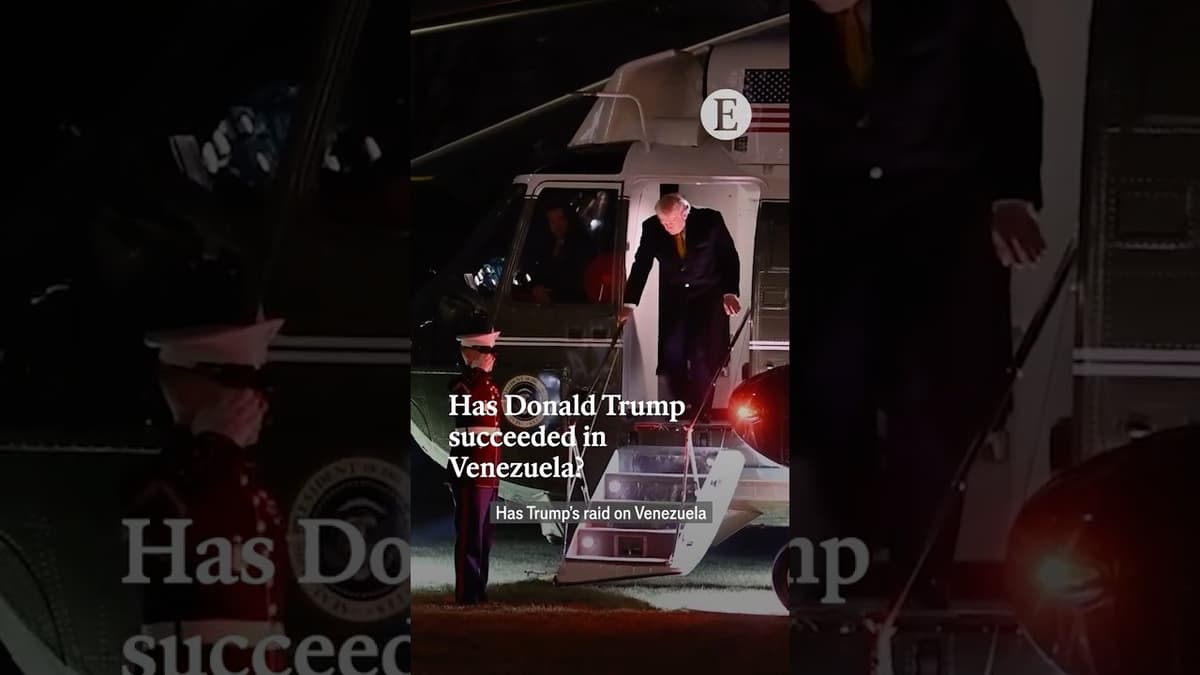
Has Donald Trump Succeeded in Venezuela? | The Economist
The Economist examines whether Donald Trump's January 2026 raid on Venezuela—where U.S. forces seized President Nicolás Maduro and installed his deputy—has delivered a lasting victory for Washington. Three months later, opposition figure María Corina Machado enjoys heightened public enthusiasm, yet no election date...
Can Iran Be Stopped From Getting a Nuclear Bomb? | The Economist
The Economist panel debates whether Iran’s nuclear weapons ambition can be stopped by force or must be contained through diplomacy. The conversation quickly dismisses the notion that a bombing campaign could eradicate Iran’s program, citing moral, ethical, and practical limits. Panelists...
Which of the Five AI Leaders Is the Most Dangerous? | The Economist
The Economist’s video asks a provocative question: which of the five AI titans – Elon Musk, Sam Altman, Demis Hassabis, Dario Amodei and Mark Zuckerberg – poses the greatest civilizational danger. The discussion frames the debate around safety culture, motivations...

Will the Iranian Regime Now Sprint for a Nuclear Bomb? | The Economist
The video, produced by The Economist, examines whether Iran’s regime will accelerate a push for a nuclear bomb amid heightened regional tensions. It features a dialogue with Iranian diplomats who assert that Tehran has no plans to cross the nuclear...

Google DeepMind’s Boss on AI, Power, God and What’s Next | The Economist
The Economist interview features DeepMind’s chief executive discussing artificial intelligence as a scientific instrument rather than a quasi‑divine force. He frames his lifelong quest for AGI as a means to unlock fundamental questions about the universe and to apply that...
Are Trump Supporters Waking up the Risks?
The video argues that what once were “tail‑risk” scenarios—Trump holding nuclear launch authority, erratic diplomatic behavior—have moved from peripheral speculation to immediate concern for both domestic and overseas Trump supporters. It points to Trump’s recent appearance at a Saudi‑sponsored investment summit...
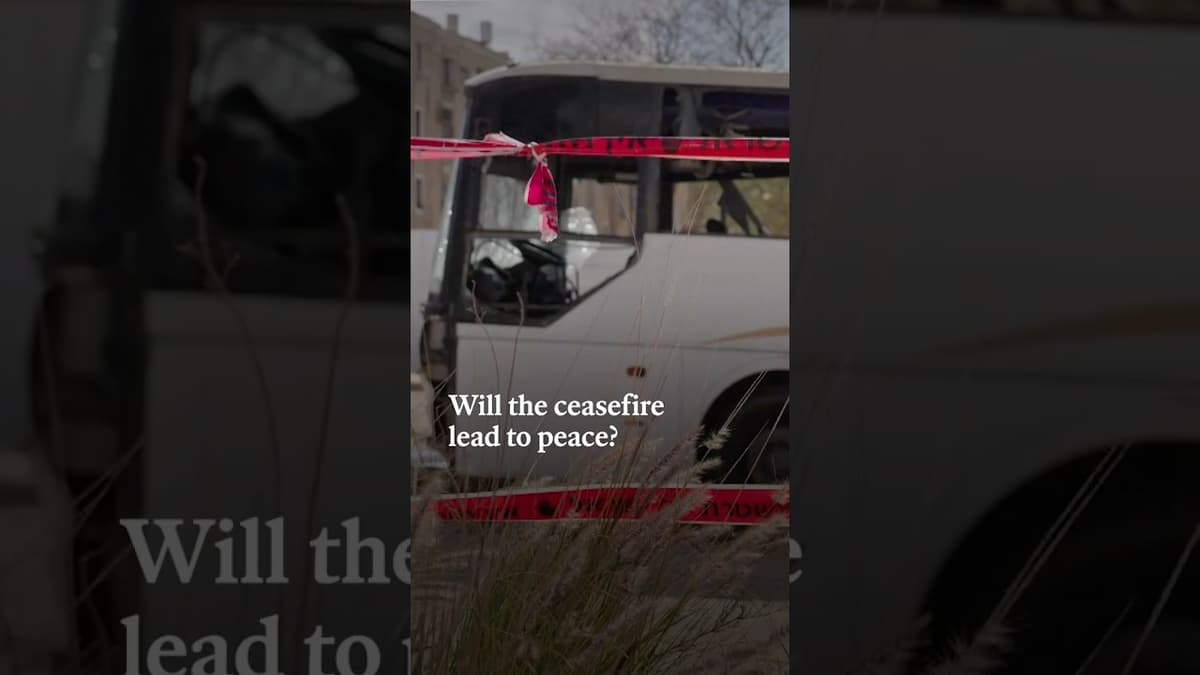
Will the Ceasefire Between America and Iran Lead to Peace? | The Economist
The video examines the upcoming cease‑fire negotiations between the United States and Iran in Islamabad, highlighting how the two sides arrive at the table with diametrically opposed demands. Iran wants recognition of its right to enrich uranium, reparations and a...

Is Britain Returning to the 1970s? | The Economist
The Economist examines the UK Labour government’s Employment Rights Act, which seeks to restore trade‑union powers to levels not seen since the 1970s. The legislation follows Keir Starmer’s pledge to strengthen collective bargaining and makes union recruitment a national priority. The...

What Does the War in Iran Mean for Taiwan? | The Economist
The Economist panel discusses how the unfolding conflict in Iran reshapes strategic calculations for Taiwan, focusing on the United States’ capacity and willingness to intervene in a cross‑strait crisis. Participants argue that Beijing does not expect Washington to launch a...

What Does China Think of Trump’s War with Iran? | The Economist
The Economist interview examines how Beijing interprets Donald Trump’s escalating conflict with Iran, framing it as both a risk and a strategic opening. Chinese officials describe themselves as “connoisseurs of power,” constantly seeking new chokeholds after leveraging rare‑earth supply chains. They...

Will China Be the Real Winner From the Iran War? | The Economist
The Economist panel debates whether China will emerge as the real winner of the Iran war, examining Beijing’s strategic obsession with "chokeholds" – from rare‑earth dominance to prospective control of pharmaceutical precursors – and how the conflict reshapes global power...

Did “Liberation Day” Bring Manufacturing Back to America? | The Economist
The Economist’s video examines whether “Liberation Day” – Donald Trump’s pledge to revive U.S. manufacturing – has delivered on its promise one year after the administration’s tariff regime took effect. The data show manufacturers shed roughly 100,000 jobs while the broader...

Which Country Is Suffering the Most From the Oil Crisis?
The Economist has identified fifteen emerging‑market economies most at risk from the oil‑price shock, ranking them by two metrics: exposure to Gulf‑supplied energy and the fragility of their macro‑economic fundamentals. Although none of these nations are directly involved in...

How Is AI Helping Donald Trump’s Mass Deportations? | The Economist
The Economist’s video examines how artificial‑intelligence systems are being weaponised by the Department of Homeland Security to accelerate President Trump’s aggressive deportation agenda. By integrating facial‑recognition software, automated licence‑plate readers and data harvested from police, courts and commercial ad firms,...

Christine Lagarde: “Europe-Bashing Is “Vastly Excessive” | The Economist
In a candid interview, European Central Bank President Christine Lagarde warned that “Europe‑bashing is vastly excessive,” arguing that criticism often exceeds the continent’s actual performance and reflects unrealistic expectations. She recalled the original 1957 vision of a peace‑keeping union born...

Is Insider Trading Always Bad? | The Economist
The Economist video examines whether insider trading should be prohibited in prediction markets, contrasting it with the well‑established ban on material non‑public information in equity markets. It explains that futures‑type prediction platforms, such as Polymarket, allow traders with superior information to...

Lagarde: Markets May Be “Overly Optimistic” About the Oil Shock | The Economist
European Central Bank President Christine Lagarde warned that financial markets are displaying cognitive dissonance, remaining overly optimistic about the depth and duration of the current oil shock. She emphasized that the disruption extends beyond immediate price spikes, affecting extraction capacity,...

Former MI6 Chief: UK “Infantilised” By US Security Guarantee | The Economist
The former head of MI6 argues that Britain has become "infantilised" by decades of a generous U.S. security guarantee, effectively outsourcing its core governmental duty of national defense. He warns that this dependence erodes sovereign decision‑making and leaves the UK...

The Iran War Will Cause Inflation to Surge | The Economist
The Economist video discusses how the ongoing war in Iran, which has disrupted the Strait of Hormuz, is set to trigger a sharp rise in global inflation by feeding through higher oil prices. It explains the transmission mechanism: higher energy costs...

Is the Iran War Weakening America's Armed Forces?
The video examines how Operation Epic Fury – the United States’ intensive air campaign against Iran – is testing the limits of America’s armed forces. Within the first sixteen days, the U.S. has launched roughly 11,000 precision munitions, marking the most concentrated...

What America Failed to Learn From the Iraq War | The Economist
The Economist interview probes the hard‑won lessons of the Iraq war, arguing that America must reassess how it projects power. The speaker, a former CIA operative with three tours in Iraq, stresses that policymakers need a crystal‑clear grasp of objectives...

Tucker Carlson: The US Is Not Going to Defend Taiwan
Tucker Carlson argues that the United States will neither be able nor willing to defend Taiwan against a Chinese attack, framing the stance as a pragmatic acknowledgment of America’s waning strategic bandwidth. He contends that U.S. power is finite, warning...

Why Are Pakistan and Afghanistan at War?
Pakistan announced an open war against Afghanistan in February 2026, marking a dramatic reversal of a historically close relationship. The conflict stems from Islamabad’s accusation that Kabul’s Taliban government shelters the Tehrik‑i‑Taliban Pakistan (TTP), which has unleashed a wave of...

Britain's Chancellor: Closer EU Relations Are in Our National Interest | The Economist
In a televised address, the British chancellor argued that deeper alignment with the European Union’s single market serves the United Kingdom’s national interest, even as he dismissed a full‑blown re‑entry referendum. He cited recent analysis estimating that Brexit has shaved roughly...

Why Your Boss Should Let You Nap at Work? | The Economist
The Economist video makes the case that modern workplaces should embrace short, structured naps, arguing that a brief power nap can be more effective than an afternoon coffee. It draws on historical anecdotes, such as Winston Churchill’s post‑lunch siestas, and...

How Big Is the Energy Shock From the Iran War?
The video examines the magnitude of the energy supply shock triggered by the Iran‑Israel conflict, focusing on the closure of the Strait of Hormuz and Qatar’s decision to halt liquefied natural gas production. Analysts note that the strait blockage eliminates roughly...

Which Stocks Do Well During Oil Shocks? | The Economist
The video examines how the Iran‑related oil price spike reshapes stock factor performance, questioning the usual flight‑to‑quality playbook. Data reveal that subindexes of the highest‑quality firms in both the S&P 500 and MSCI World lagged their broader benchmarks, while low‑quality, especially energy‑heavy,...

Why Crypto Isn't Cool Any More | The Economist
The Economist video argues that crypto has shed its once‑cool, countercultural aura as prices plunge and investors grow despondent. Bitcoin is down roughly 45% since October and the total market value of digital assets has shed almost $2 trillion, marking the...

Should You Pay Off Your Student Loan? | The Economist
The Economist video examines whether UK graduates should rush to clear their student loans, outlining how the system works and why it feels like a punitive tax. Loans for those who started university between 2012‑2022 trigger repayments of 9 % of earnings...
What Could Replace the Dollar? | The Economist
The Economist’s video examines whether any currency can supplant the U.S. dollar after eight decades of dominance, exploring the euro, the Chinese yuan and digital assets as potential successors. It notes that soaring U.S. debt and unpredictable policy under recent administrations...