
TradeWith Coach Bri
Futures/day‑trading coach posting market‑structure, momentum confirmation and tactical entry/exit rules.

Trade Higher Timeframes First, Then Execute on Lower
Most traders stare at the 1 minute chart all day and completely ignore higher time frame market structure. Before I take any Nasdaq or Gold trade, I start with the daily, 4 hour, and 1 hour charts to identify trend direction, key levels, support and resistance, and major supply and demand zones. Then I drop down for execution. Top down analysis helps you trade with the trend, avoid low quality setups, and find higher probability entries. The bigger picture matters.
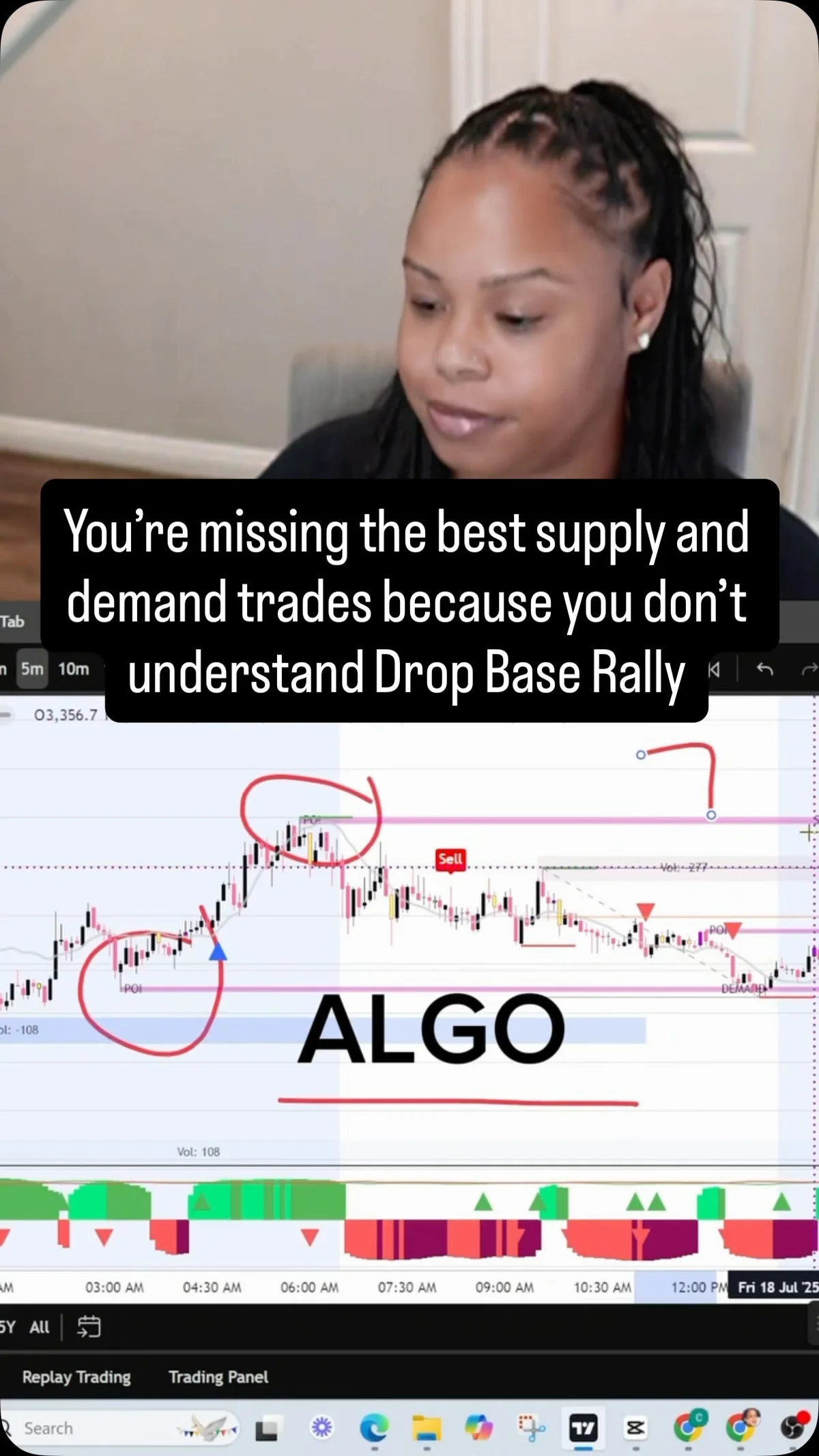
Wait for Drop‑Base Rally to Return for Higher‑Probability Trades
Drop Base Rally is one of the strongest demand zone patterns in trading. Price drops, forms a base, then rallies aggressively showing buyers stepped into the market. Most traders chase the move after it leaves the zone. The higher probability trade...
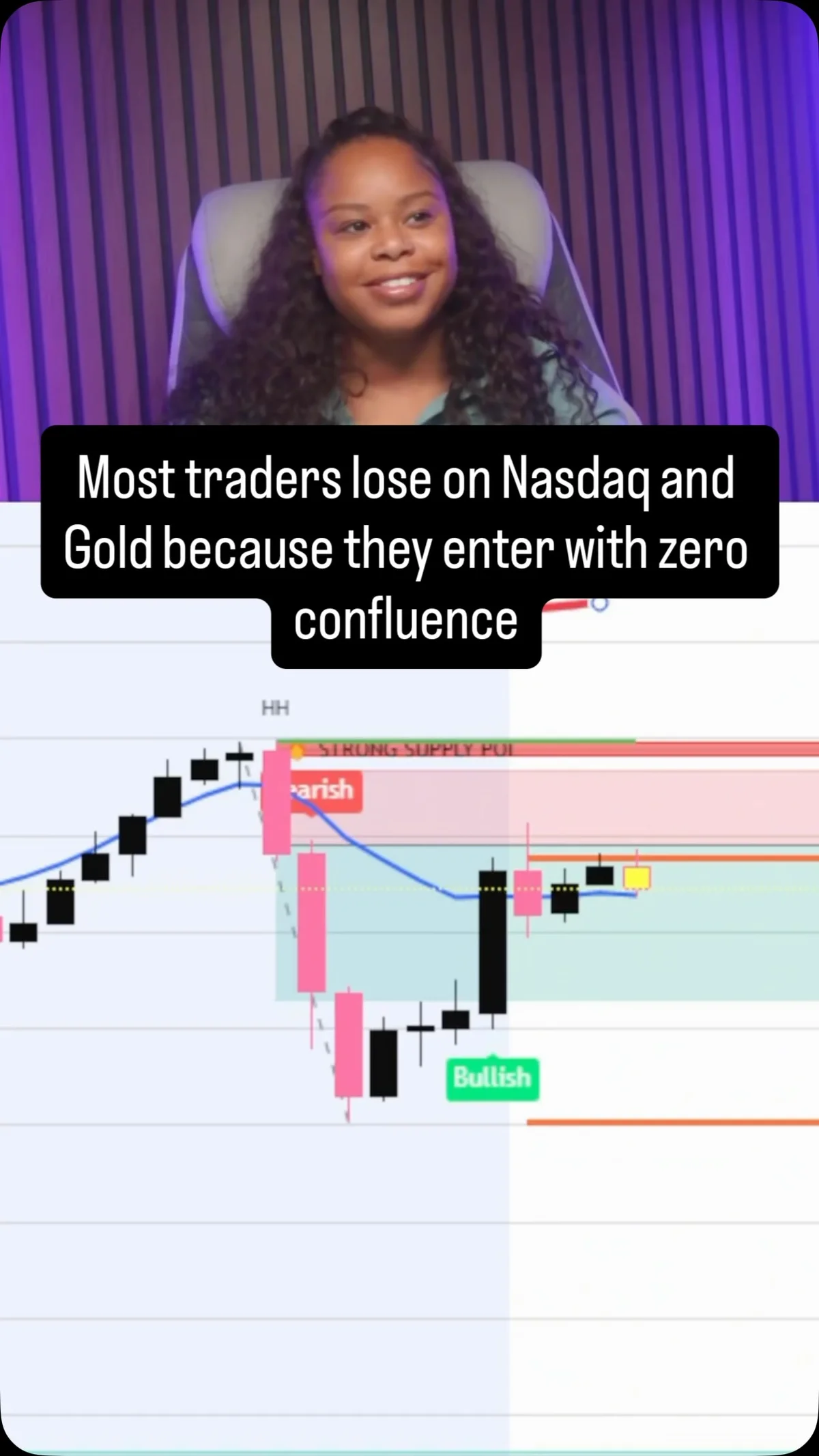
Trade Only With Three Confirmations, Not Forced Entries
Before I take any trade on Nasdaq or Gold, I need at least 3 confirmations. Trend direction. Market structure. Key level reaction. If price is making lower lows and lower highs, I’m not looking for longs. If price is respecting a key...
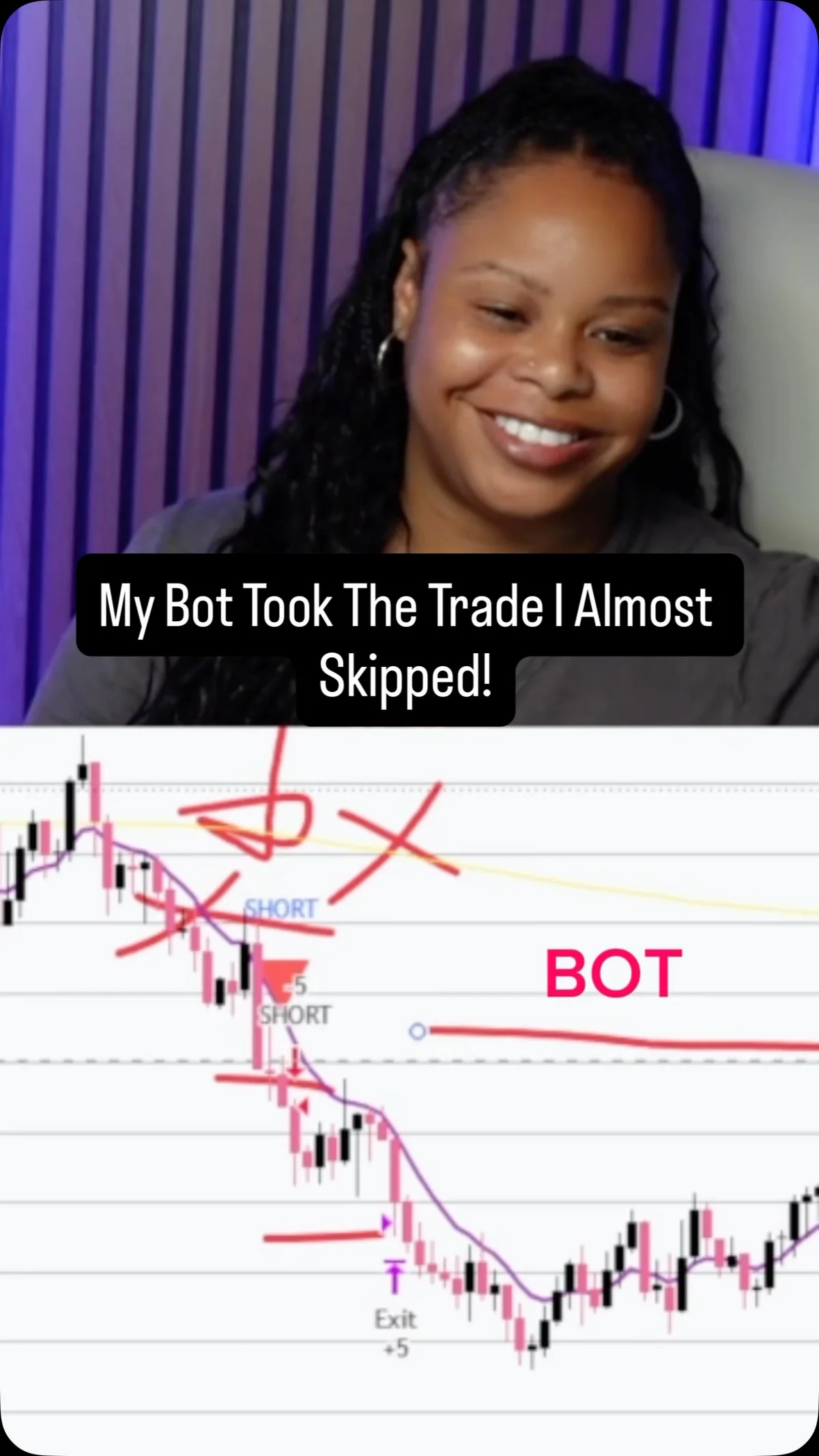
Rule‑Based Bots Avoid Emotional Second‑Guessing in Trades
My trading bot followed the exact market structure, confirmation, and risk management rules I programmed into it even though I hesitated on the setup. That’s the difference between emotional trading and rule based trading. Most traders second guess good setups because...
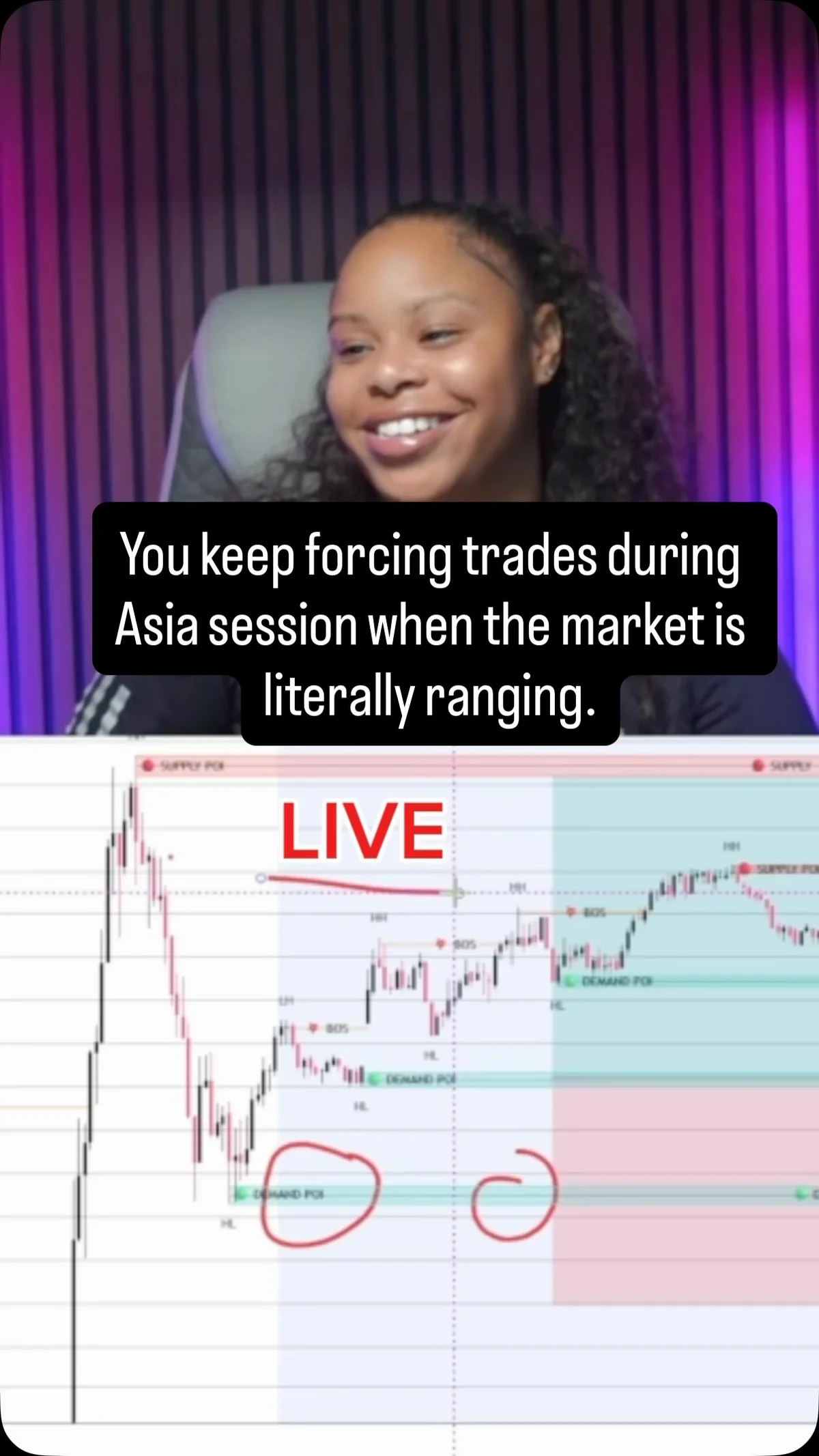
Asia Session: Low Volume, Range Trading Over Momentum
The Asia session trades completely different than New York session. Lower volume on Nasdaq means price respects supply and demand levels more, ranges more often, and moves slower compared to NY volatility. That’s why understanding market sessions, liquidity, and consolidation is...
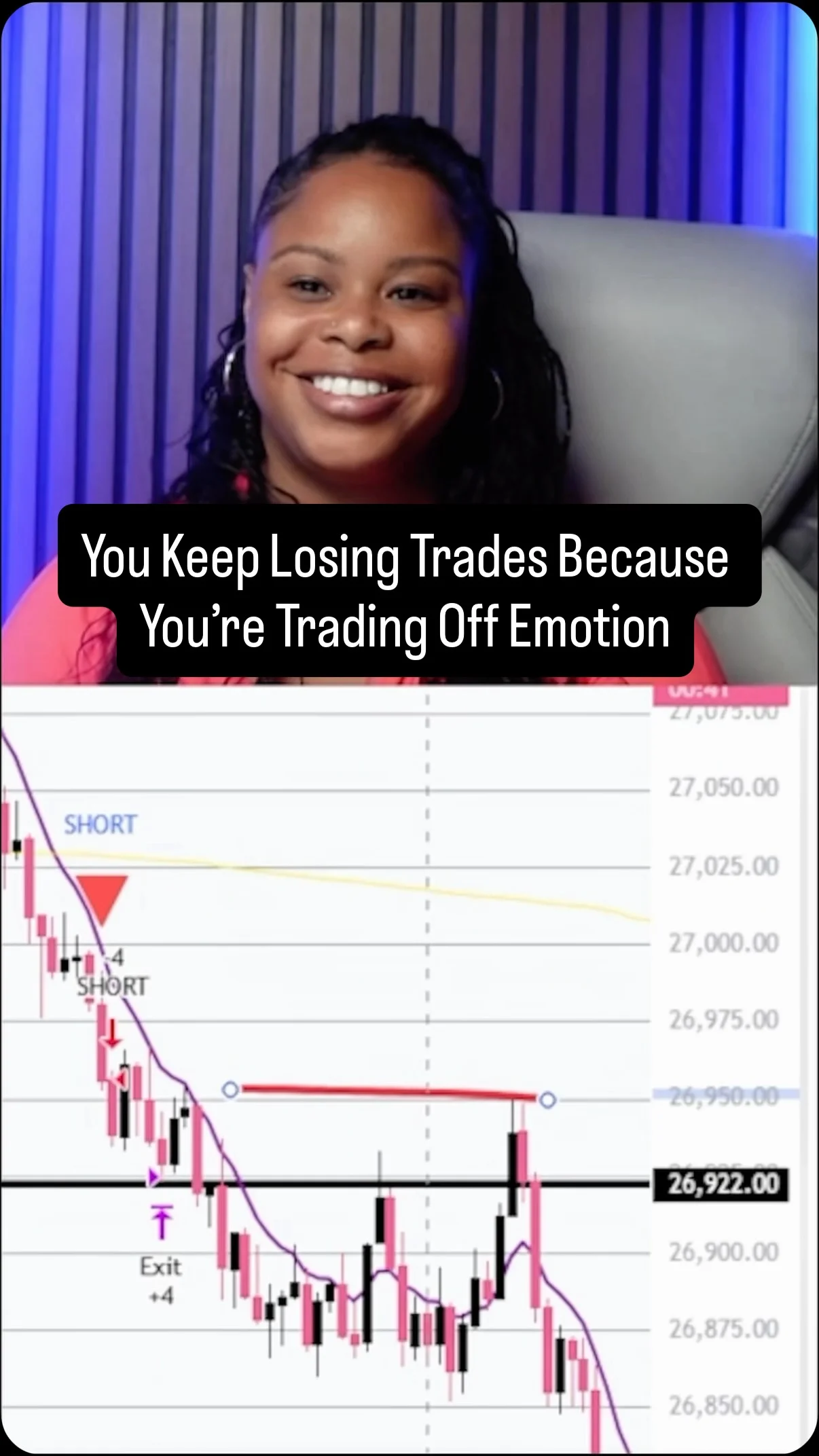
Rule‑Based Algorithms Beat Emotional Guesswork in Futures
Most retail traders are guessing entries, moving stop losses, and revenge trading. Meanwhile algorithmic trading systems use confirmations, market structure, and risk management to execute trades without emotion. That’s the difference between gambling and rule based futures trading.
Follow Market Structure, Avoid Forced, Emotional Trades
Most traders fail in futures trading because they come into the market trying to force trades instead of following market structure and risk management. That leads to overtrading revenge trading emotional trading and blowing accounts. Consistent traders focus on high...
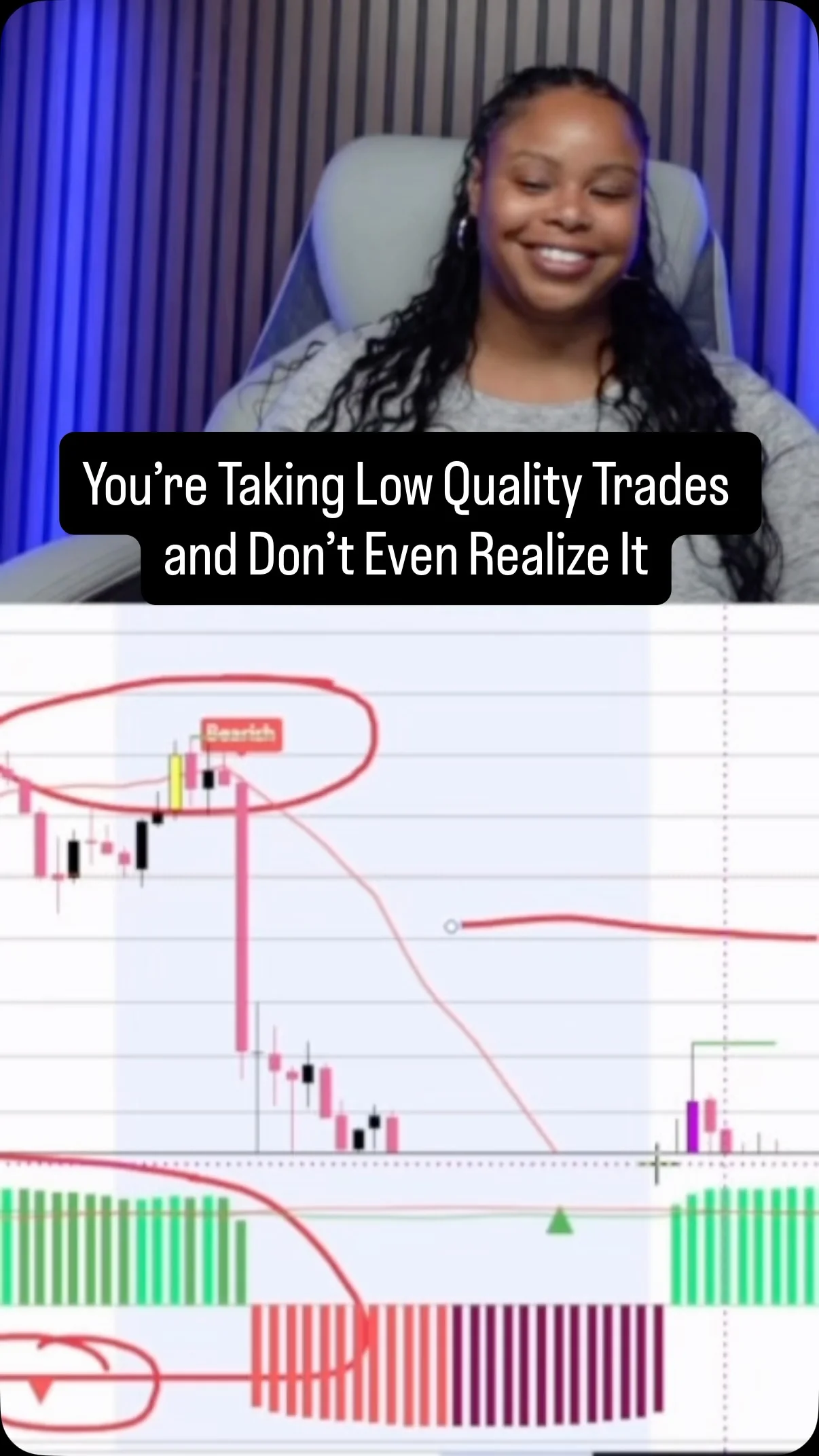
Trade Only When Structure, Supply, Demand Align
You keep entering random candles then wondering why the trade fails. High quality trade setups come from market structure and supply and demand not emotions. If price isn’t reacting from a key demand or supply zone with a break of...
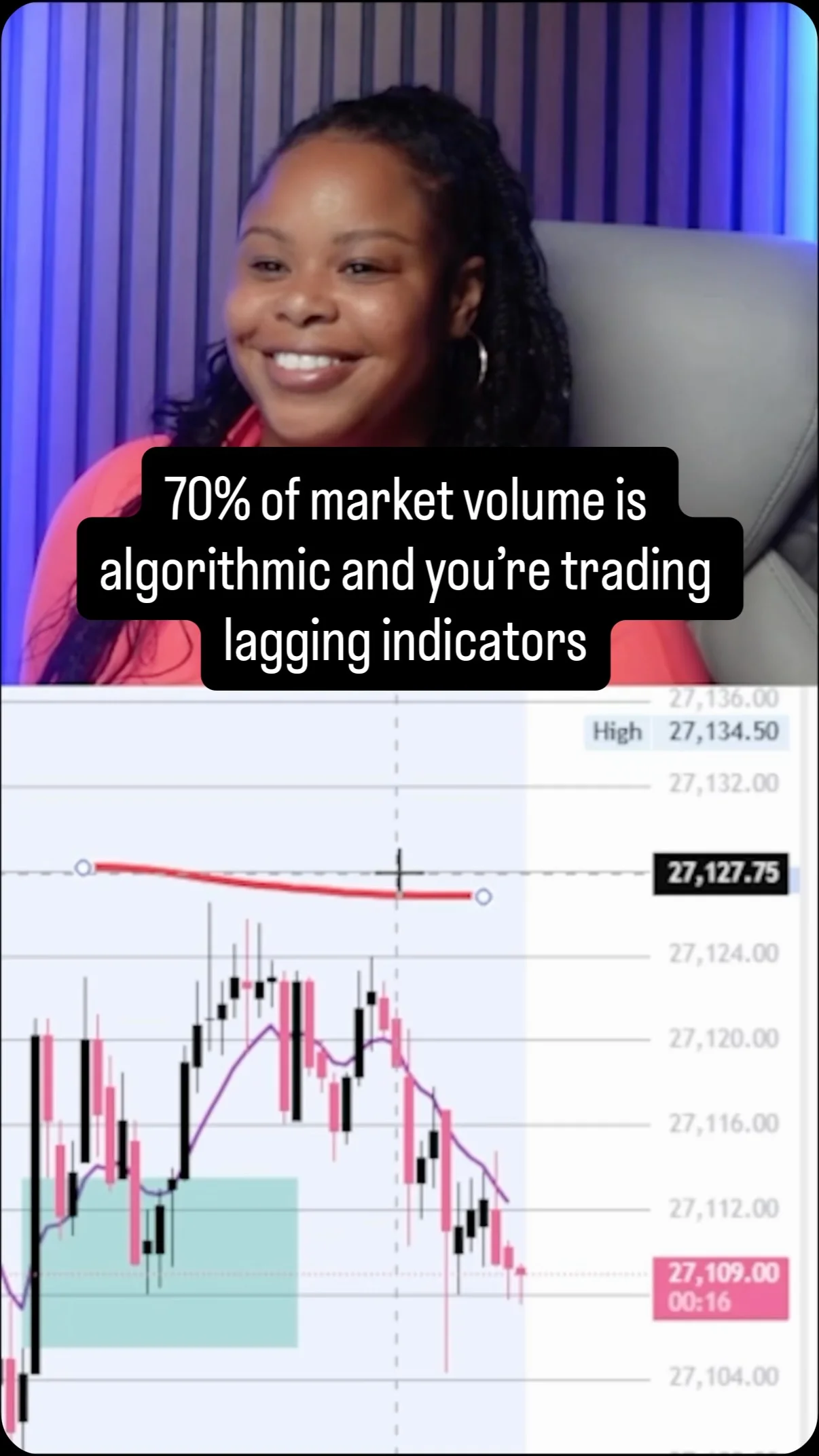
Indicators Lag—Use Them for Context, Not Entry Timing
Indicators like VWAP and moving averages are useful for trend identification not trade execution. They lag price. If you rely on them for entries you’ll always be late. Focus on market structure supply and demand and break of structure for timing. Use indicators...
Plan Your Trade: Set SL, TP, Risk Before Execution
You keep moving stop loss cutting winners and overtrading. That’s why you’re not profitable. Entry stop loss take profit and risk management should be set before the trade. No plan no trade. This is how you fix execution and become consistent in...
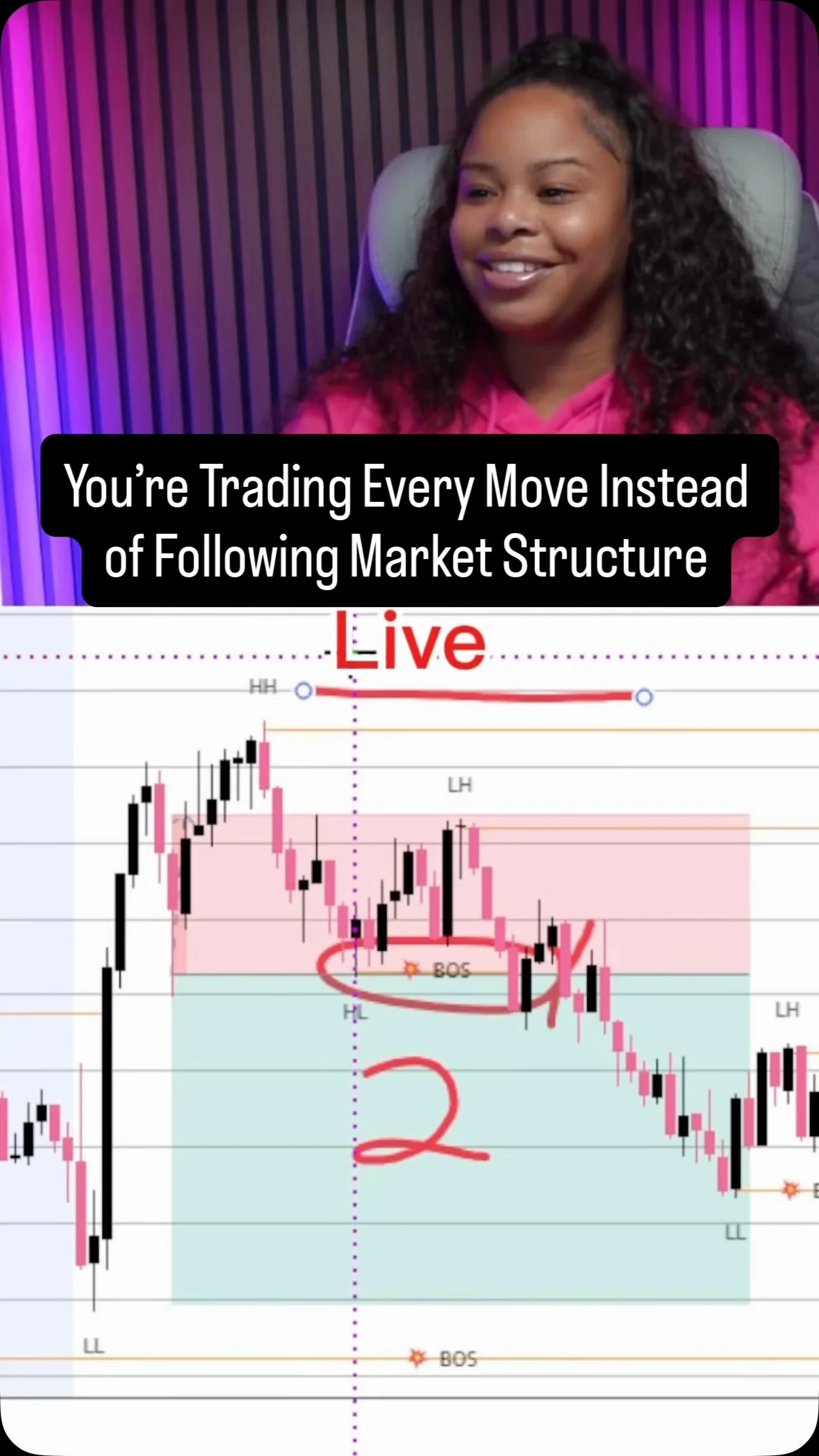
Trade Only With Clear Structure and Single Confirmation
You’re entering trades on every move and getting chopped up. That’s noise. First identify market structure. Are we making higher highs and higher lows or lower highs and lower lows? That determines the trend and your bias. Then use one...
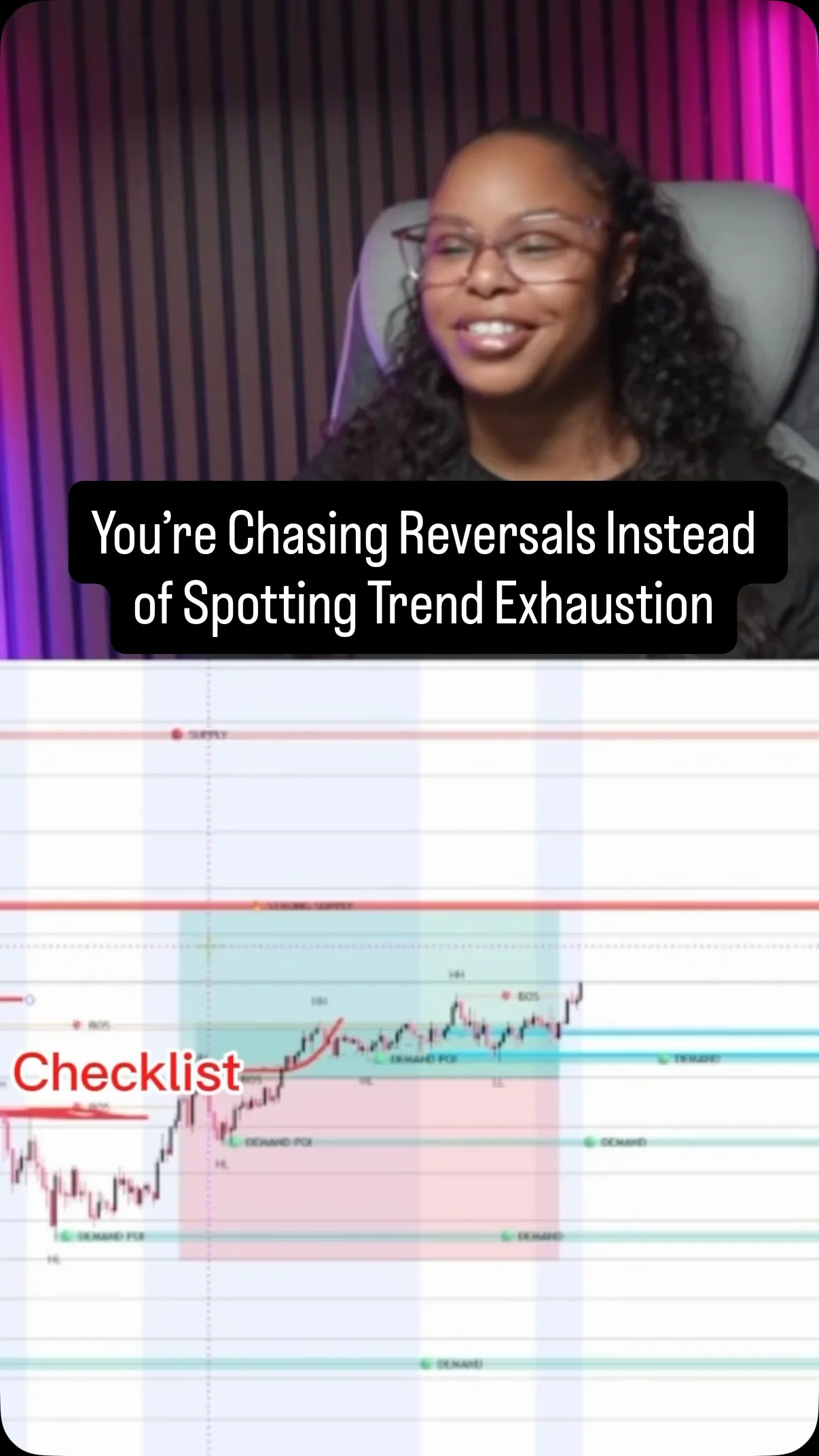
Spot Trend Exhaustion Before Chasing Reversals
You keep trying to catch reversals and end up chasing price. That’s because you’re not identifying trend exhaustion first. In an uptrend, price slows down, fails to make higher highs, and breaks a higher low. In a downtrend, it fails...
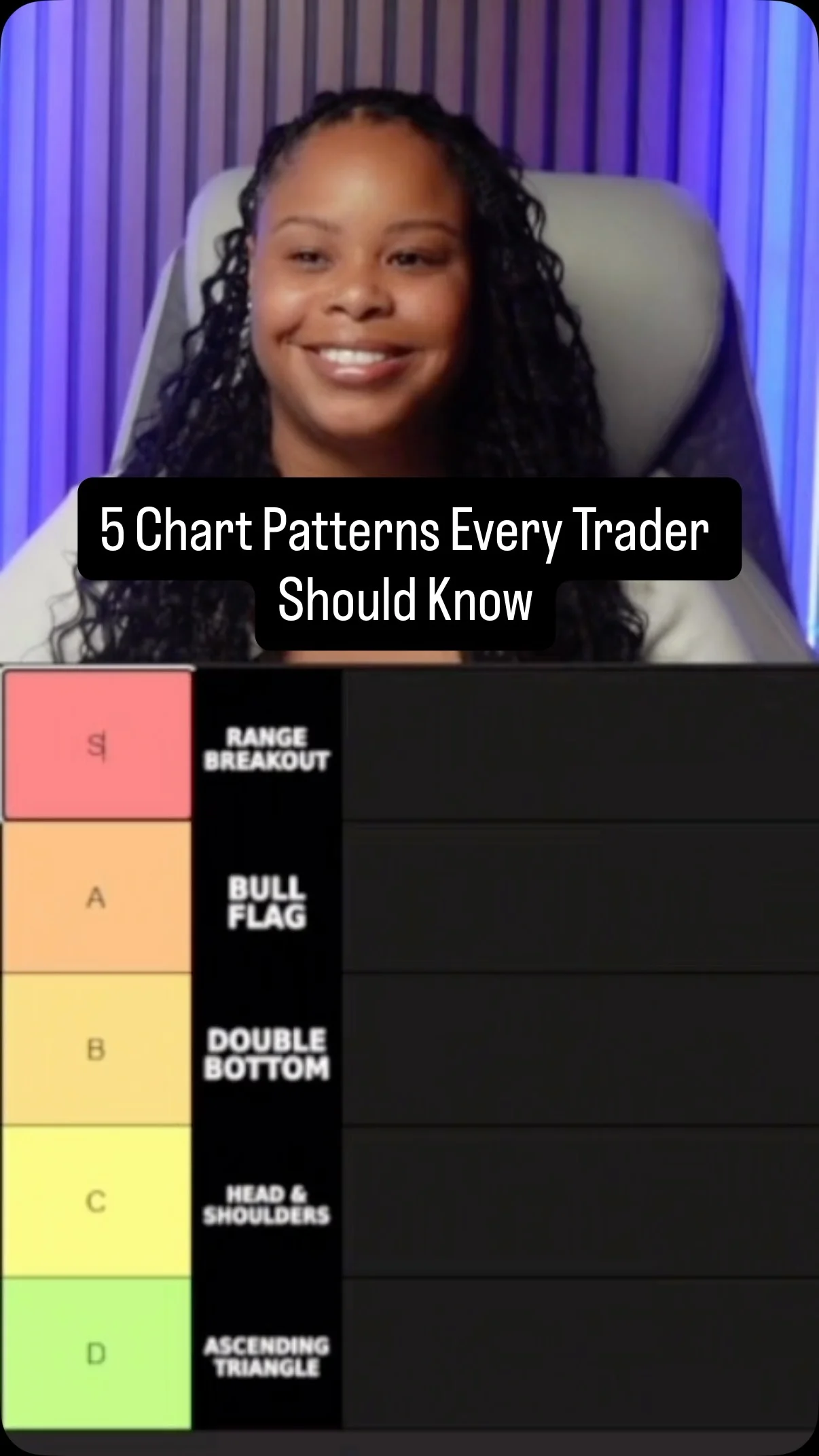
Chart Patterns Need Structure, Confirmation, Not First‑Touch Entries
If you trade and don’t understand these, you’re guessing. Double bottom, head and shoulders, bull flag, ascending triangle, and range breakout. These patterns show trend continuation, breakout setups, and reversals. But the pattern alone isn’t the trade. You need market...

Confirm Breaks and Retests Before Entering Supply Zones
You keep marking a supply and demand zone and entering right away. That’s why the trade fails. High quality supply and demand trades need confirmation. You want a clear break of structure first, then a break and retest before entry....
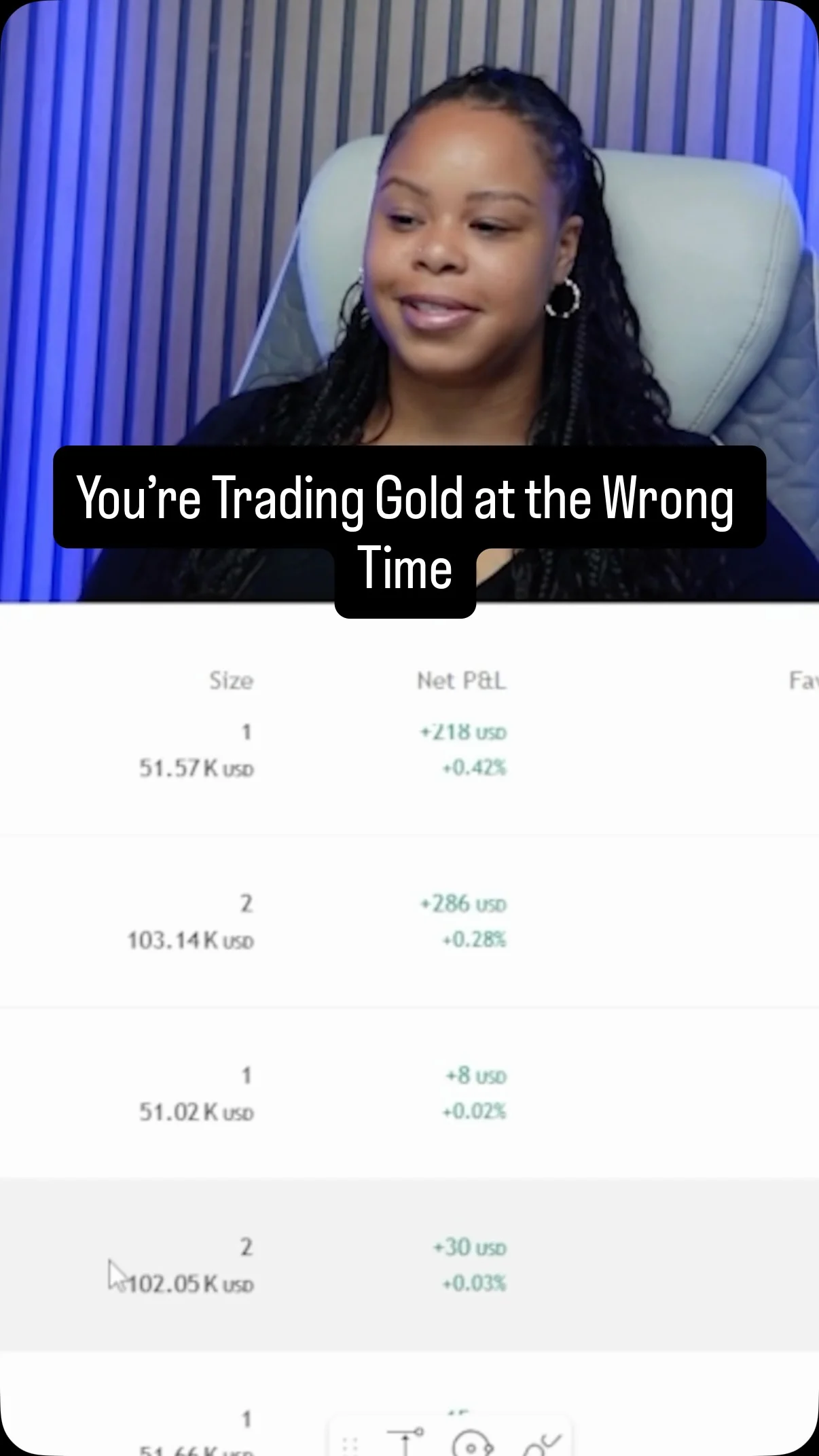
Gold's Behavior Varies by Session—Trade Timing Matters
Gold doesn’t move the same in every session. If you’re not paying attention to session timing, your setup won’t hit the same. London session brings volatility and clean moves. New York session brings continuation and volume. Sydney session is slower...