
TradeWith Coach Bri
Futures/day‑trading coach posting market‑structure, momentum confirmation and tactical entry/exit rules.
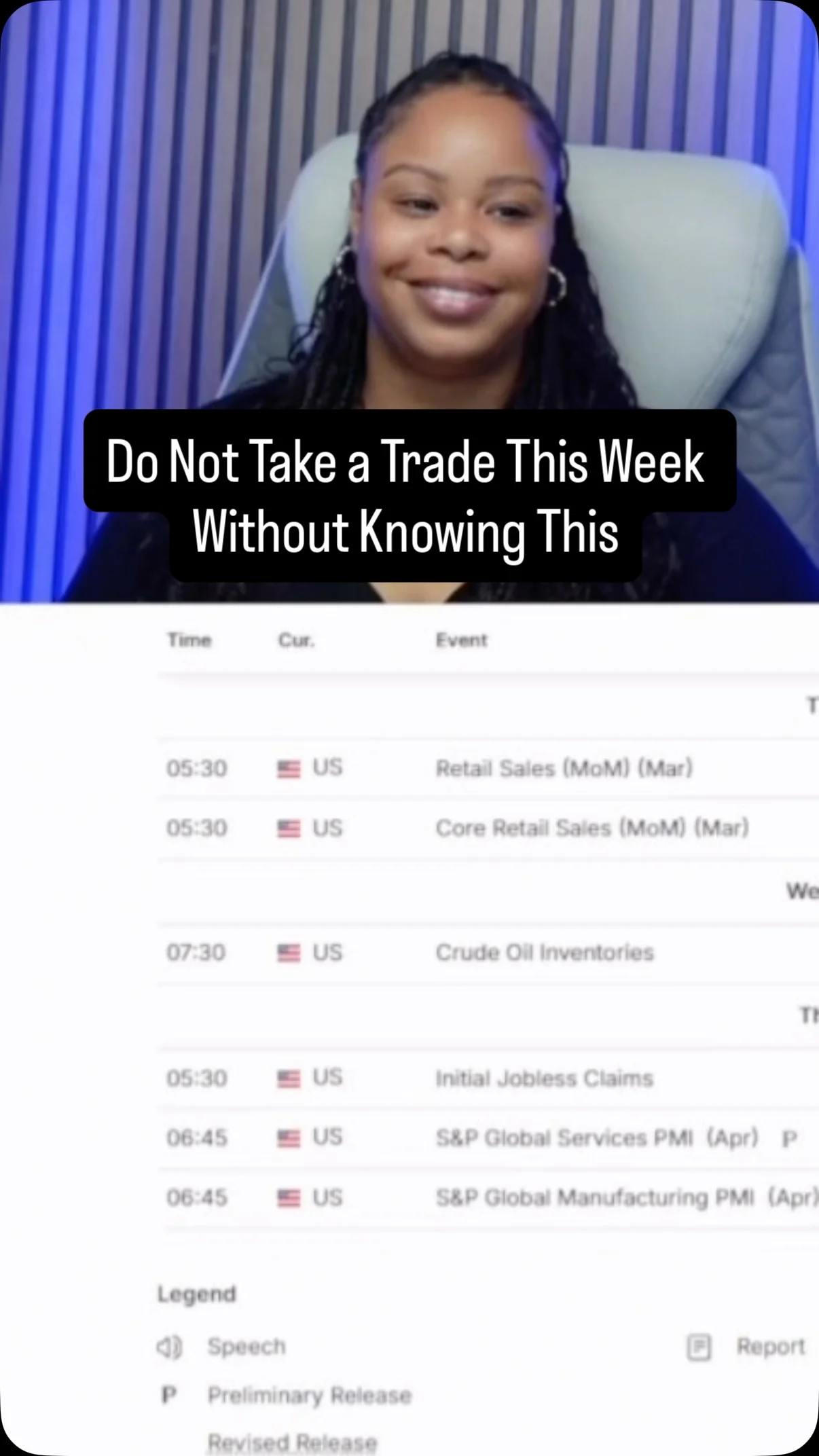
Check the Economic Calendar Before Every Trade
If you’re trading without knowing what news is being released, you’re setting yourself up to get caught in volatility. Premarket prep starts with the economic calendar. GDP, CPI, jobless claims… these events move gold and Nasdaq fast. News can break structure, create fakeouts, and run liquidity in seconds. Before you look for entries, know the schedule, mark your levels, and plan around high impact news. That’s how you stay out of bad trades.
Enter Only at Higher‑Timeframe Demand Zones, Not Random Pullbacks
You keep trying to buy the dip and wondering why it keeps failing. It’s not the market, it’s where you’re entering. Most traders don’t use higher time frame supply and demand, they just buy random pullbacks and hope it holds....
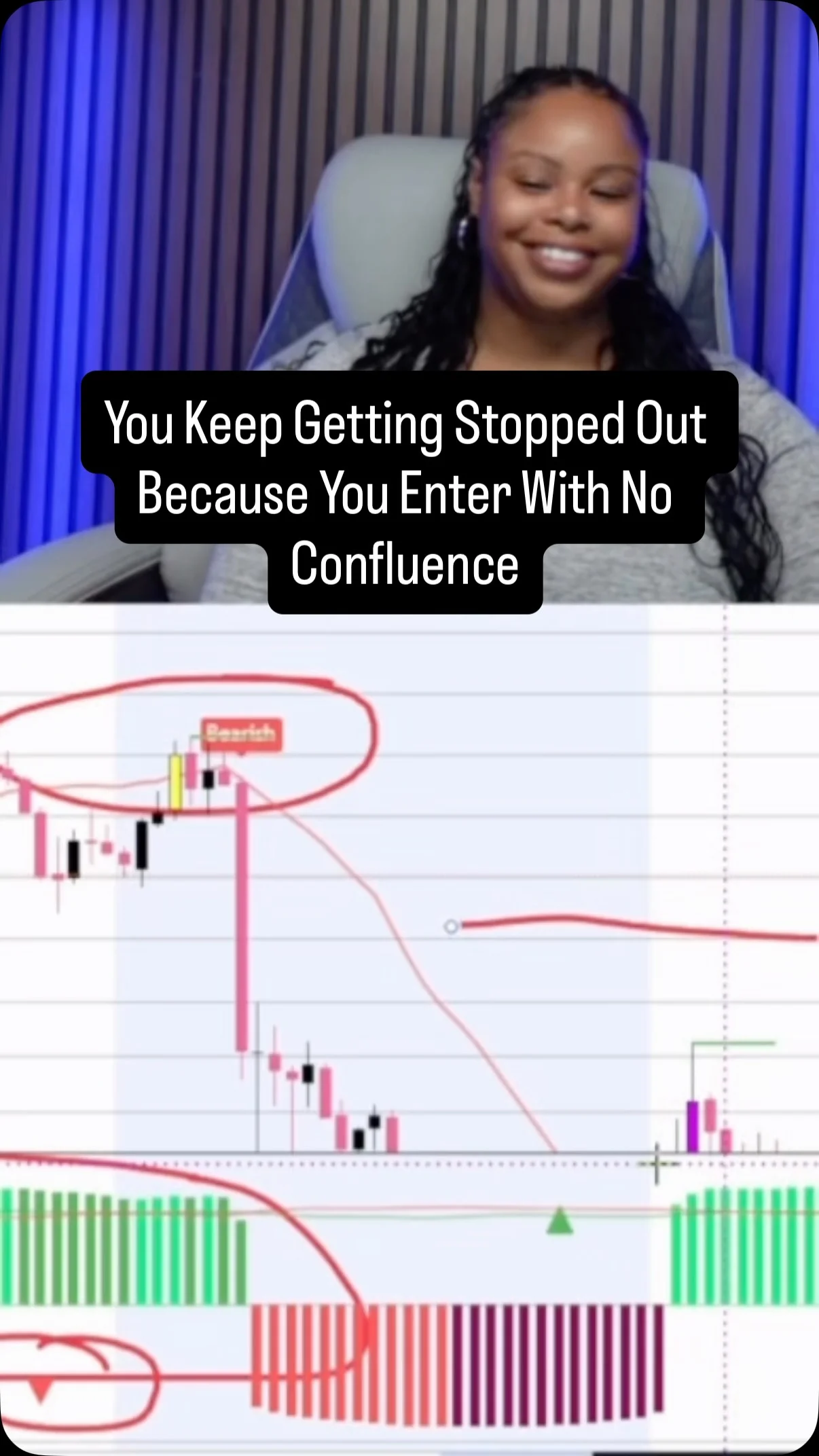
Three Confluences Make Every Trade High‑Probability
You should have at least 3 confluences before entering a trade Market structure, supply and demand, and confirmation. That could be a key support and resistance level, a liquidity sweep, or a breakout and retest. When multiple factors align, your setup becomes stronger. That’s...
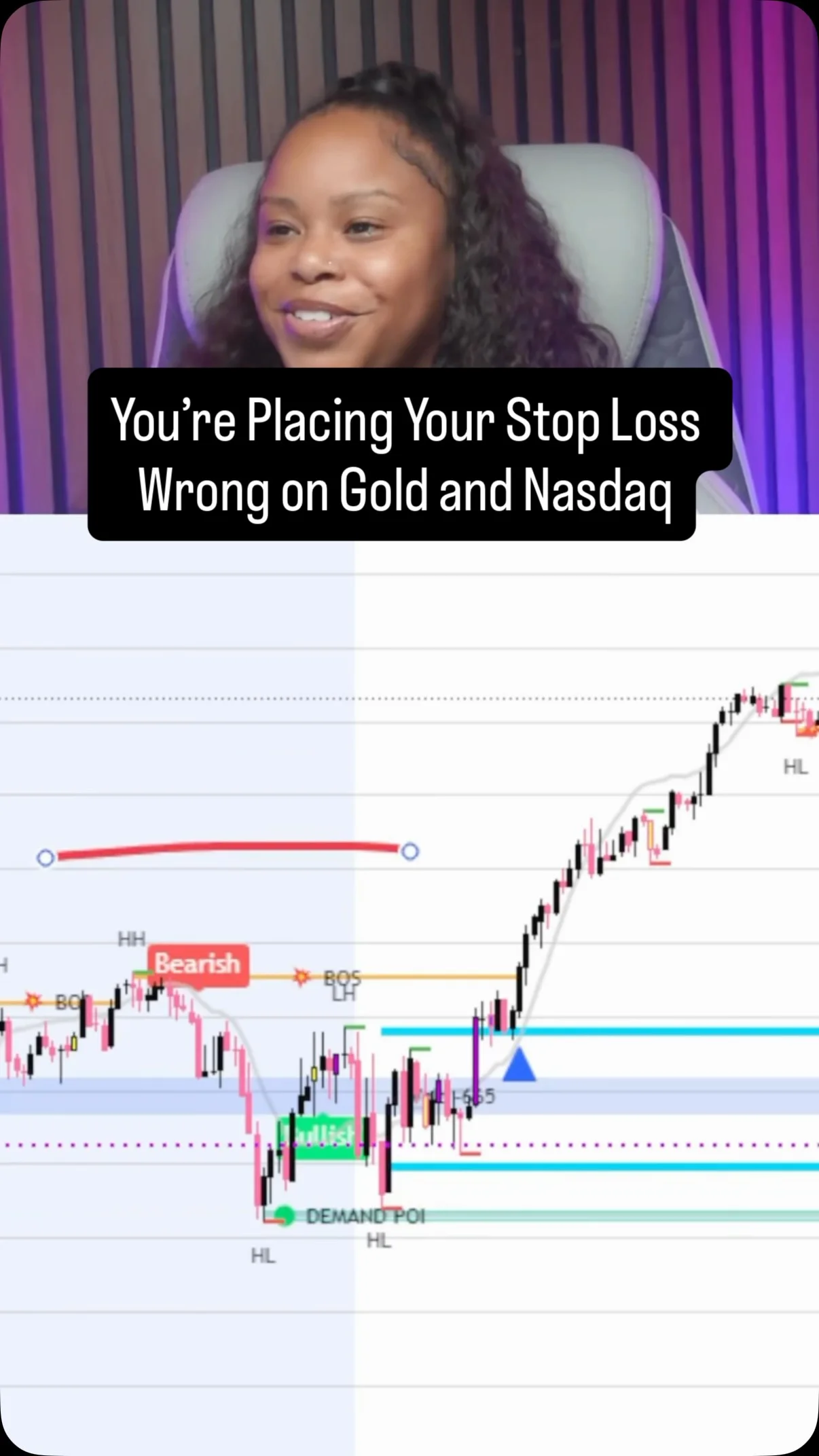
Place Stops on Market Structure, Not Fear
Most traders place stops based on fear, not structure. Too tight… right into liquidity. If you’re not using market structure, you’re guessing. Higher highs, higher lows, lower highs, lower lows. That’s where your stop loss should be built from. Below structure in an uptrend. Above structure...
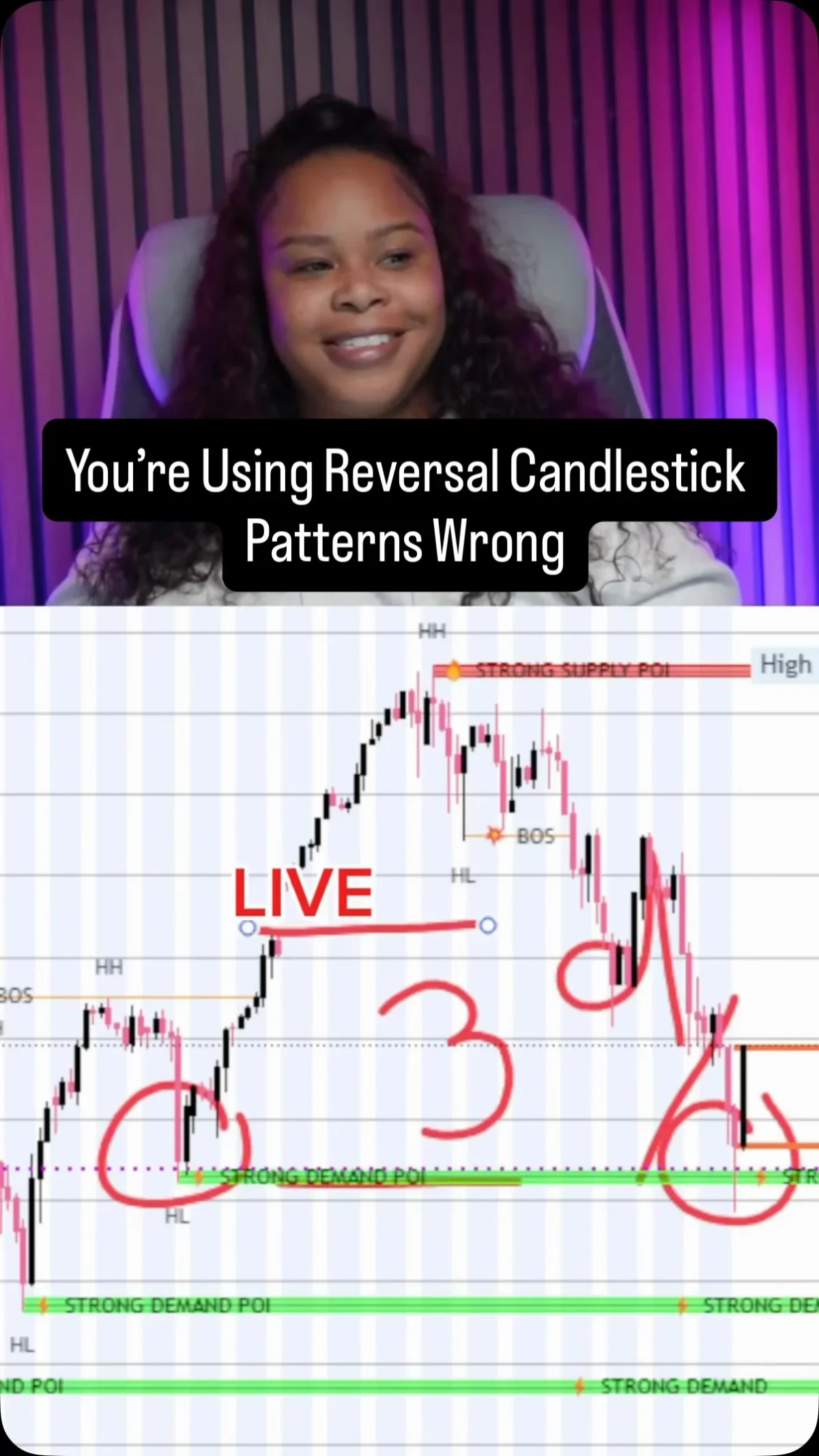
Candlestick Reversals Need Support Zones and Confirmation
You see a bullish engulfing or hammer and enter right away. That’s why it fails. Reversal candlestick patterns don’t work without context. If it’s not at a demand zone or key support and resistance level, it’s just noise. Wait for structure and confirmation. That’s what...
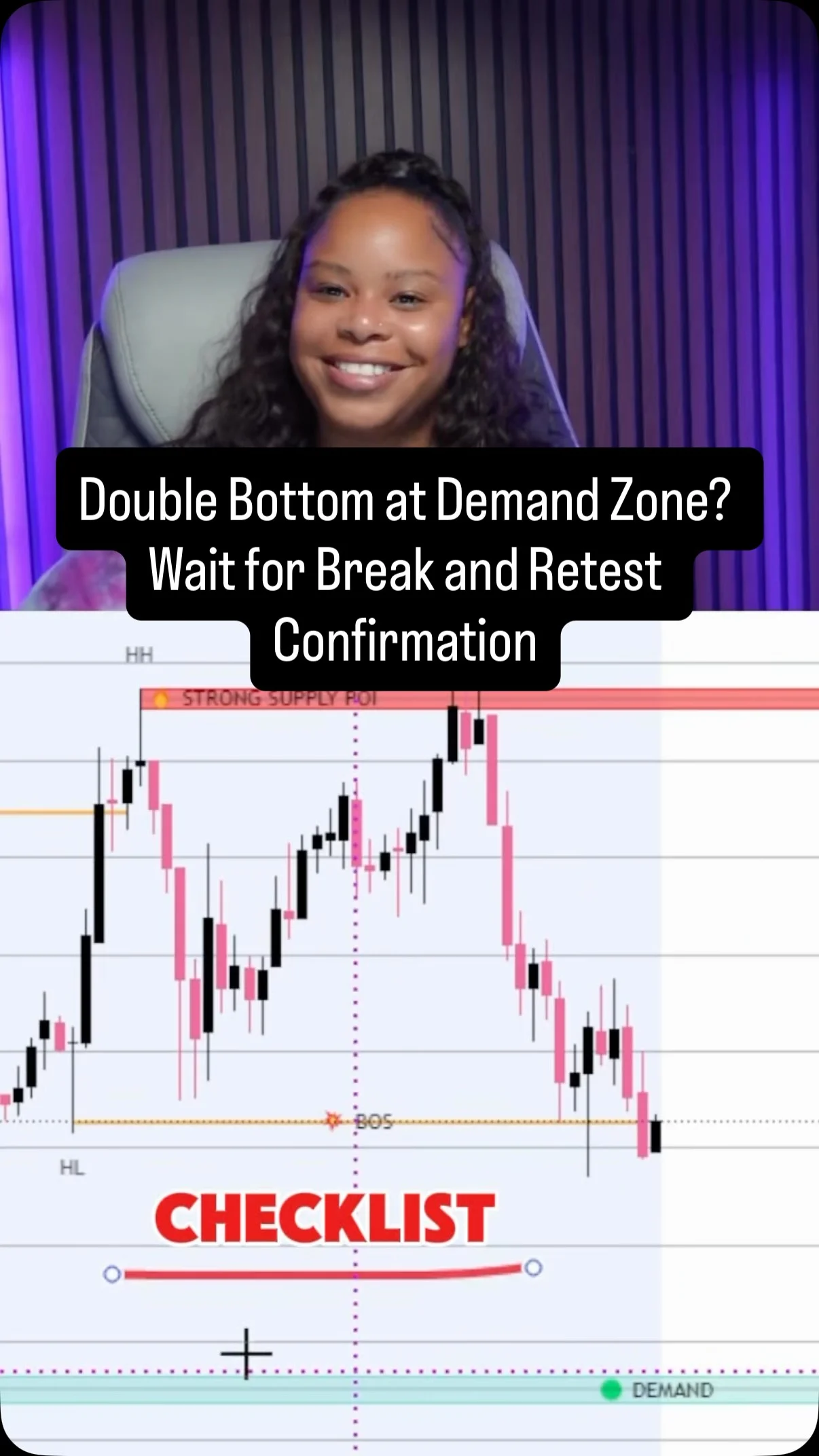
Combine Demand, Structure, and Confirmation for High‑Probability Trades
Most traders see a double bottom at a demand zone and enter instantly. That’s why they get stopped out. Demand alone isn’t enough. Wait for price to break structure and come back for the retest. That’s your confirmation that buyers are in control. Demand +...
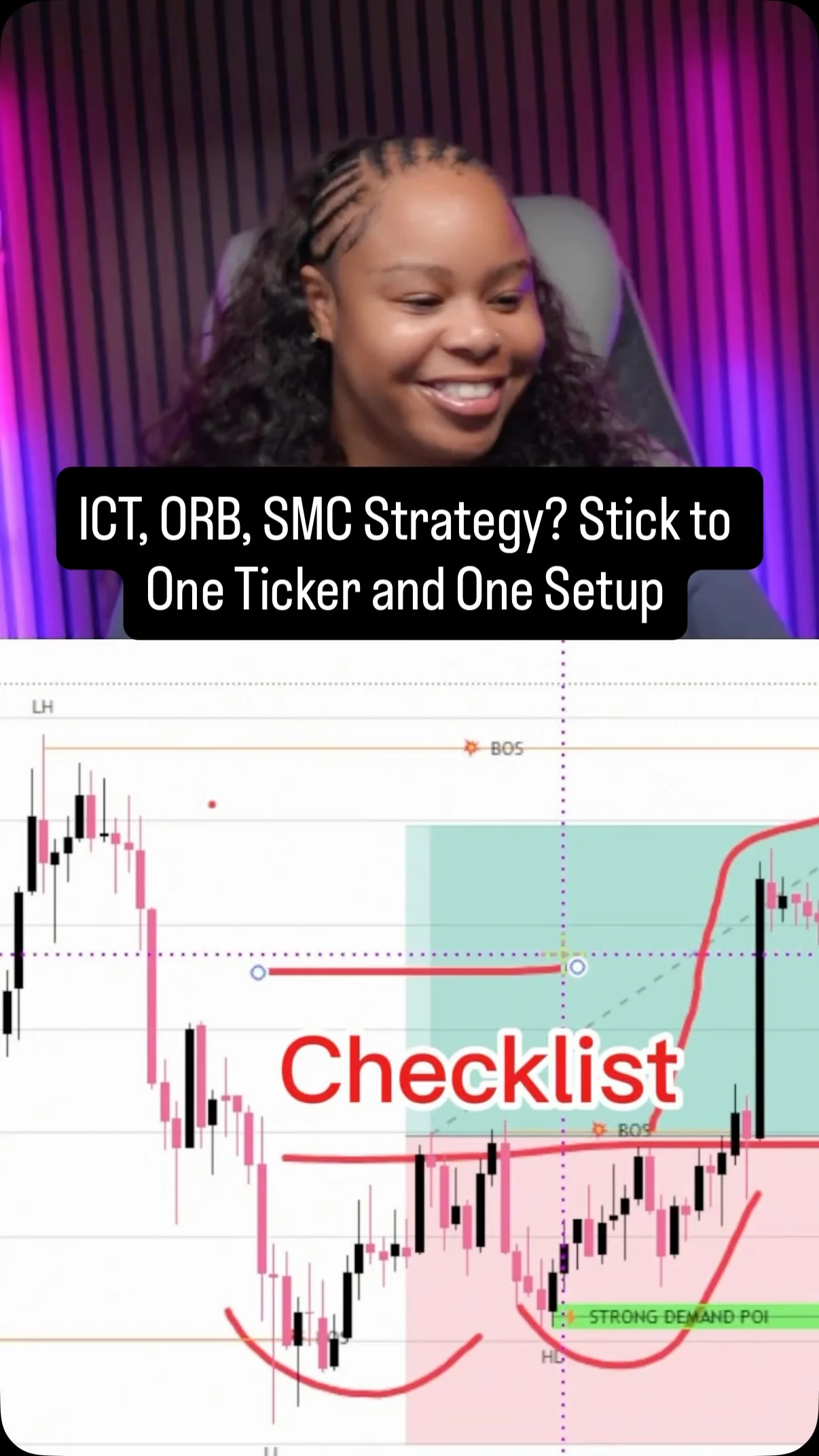
Consistency Comes From Mastering One Strategy, One Ticker
ICT, ICC, ORB, SMC… the strategy isn’t the issue. Switching between them is. Pick one trading strategy. Stick to one ticker. Learn its price action, liquidity, and confirmations. That’s how you build real consistency.
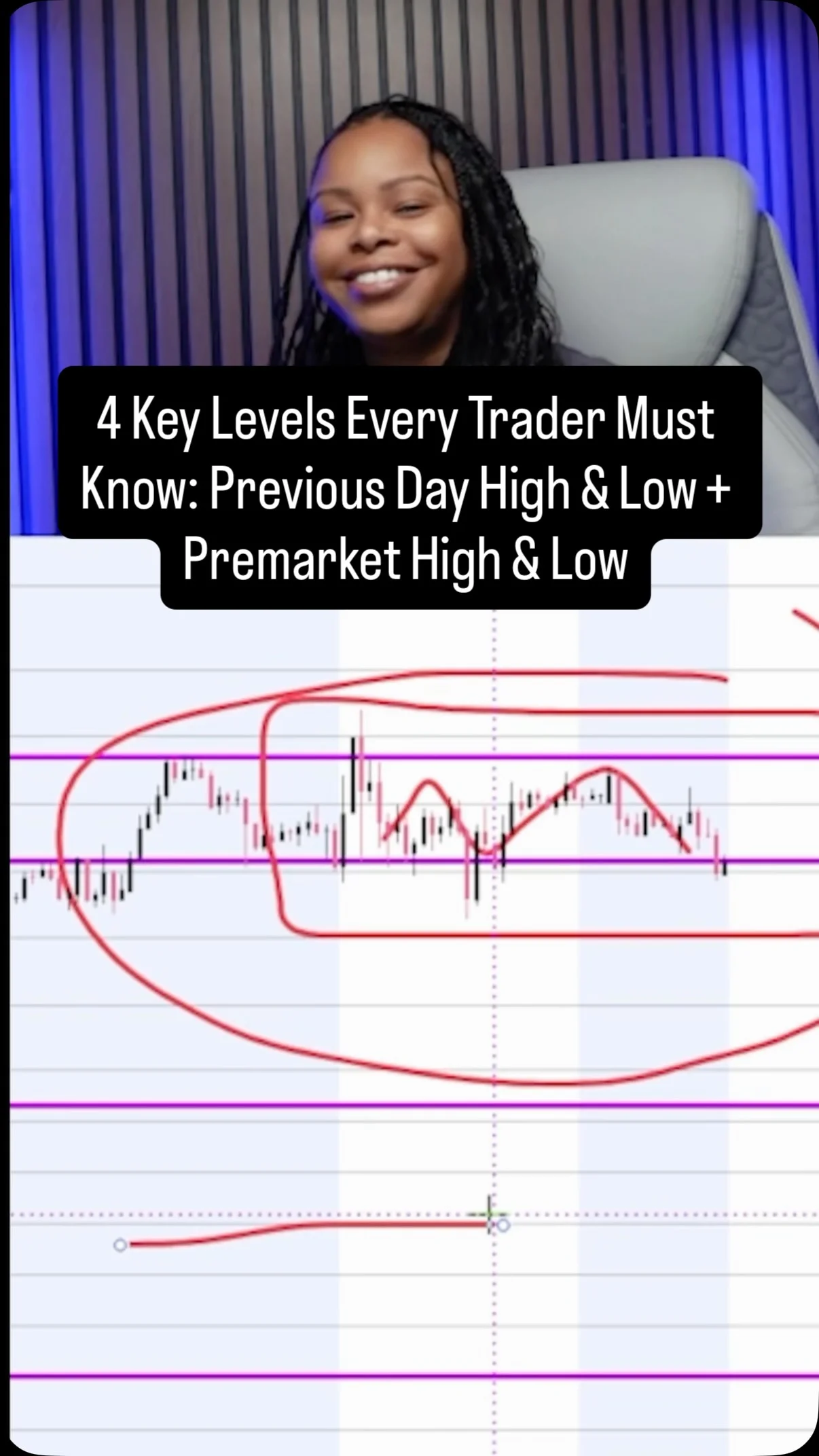
Mark Prior Day and Premarket Levels Before Trading
Most traders enter without marking key levels first. That’s why they get chopped. Previous day high and previous day low show where liquidity sits. Premarket high and low give you early session direction. These levels act as support, resistance, and reversal zones. If you’re not...
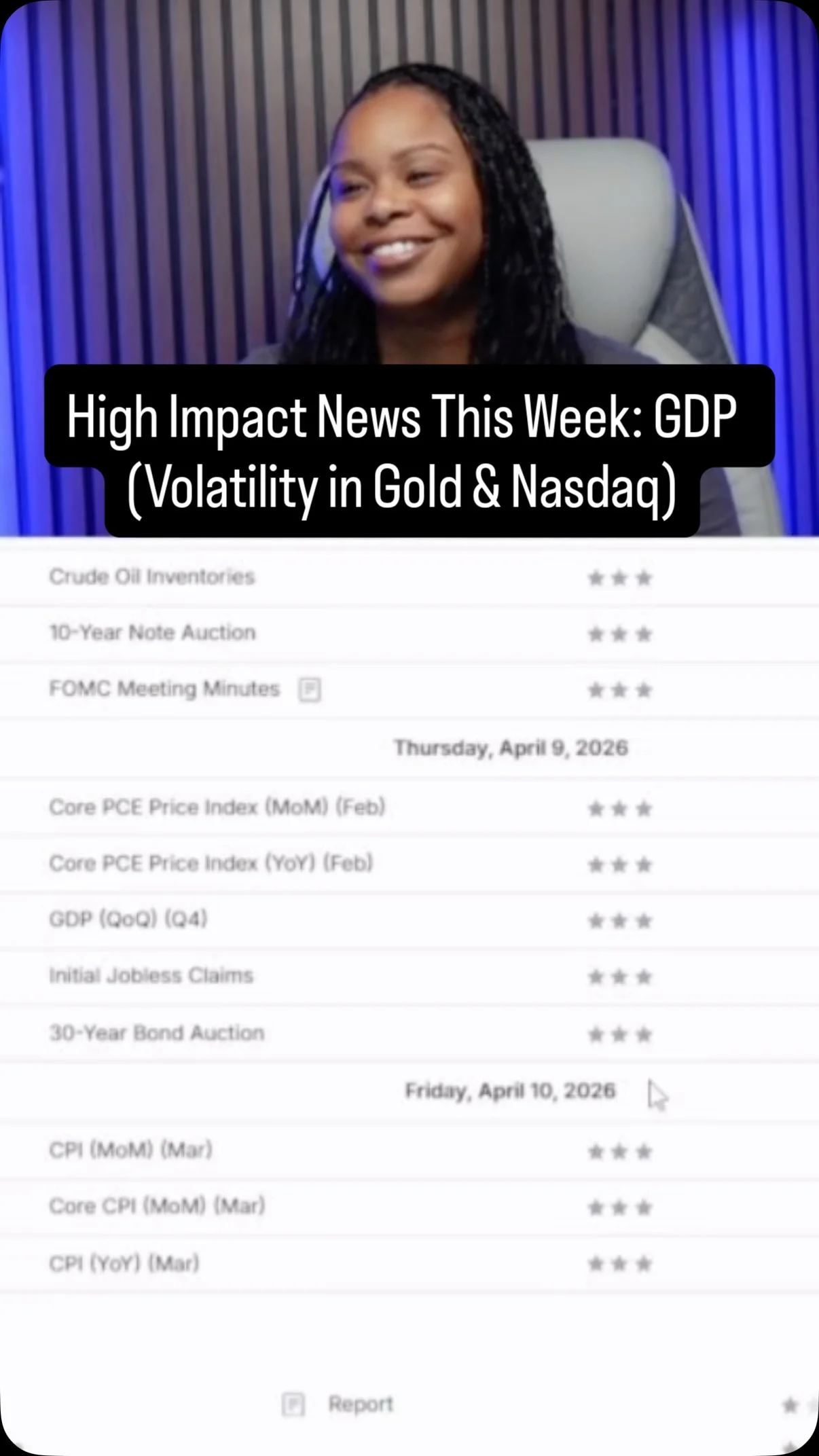
Drop in GDP/CPI Triggers Volatility—Protect Risk
GDP and CPI are dropping this week. This is where volatility spikes. Gold moves on inflation. Nasdaq moves on interest rates. Expect fast moves, liquidity grabs, and fakeouts. Wait for confirmation and protect your risk.
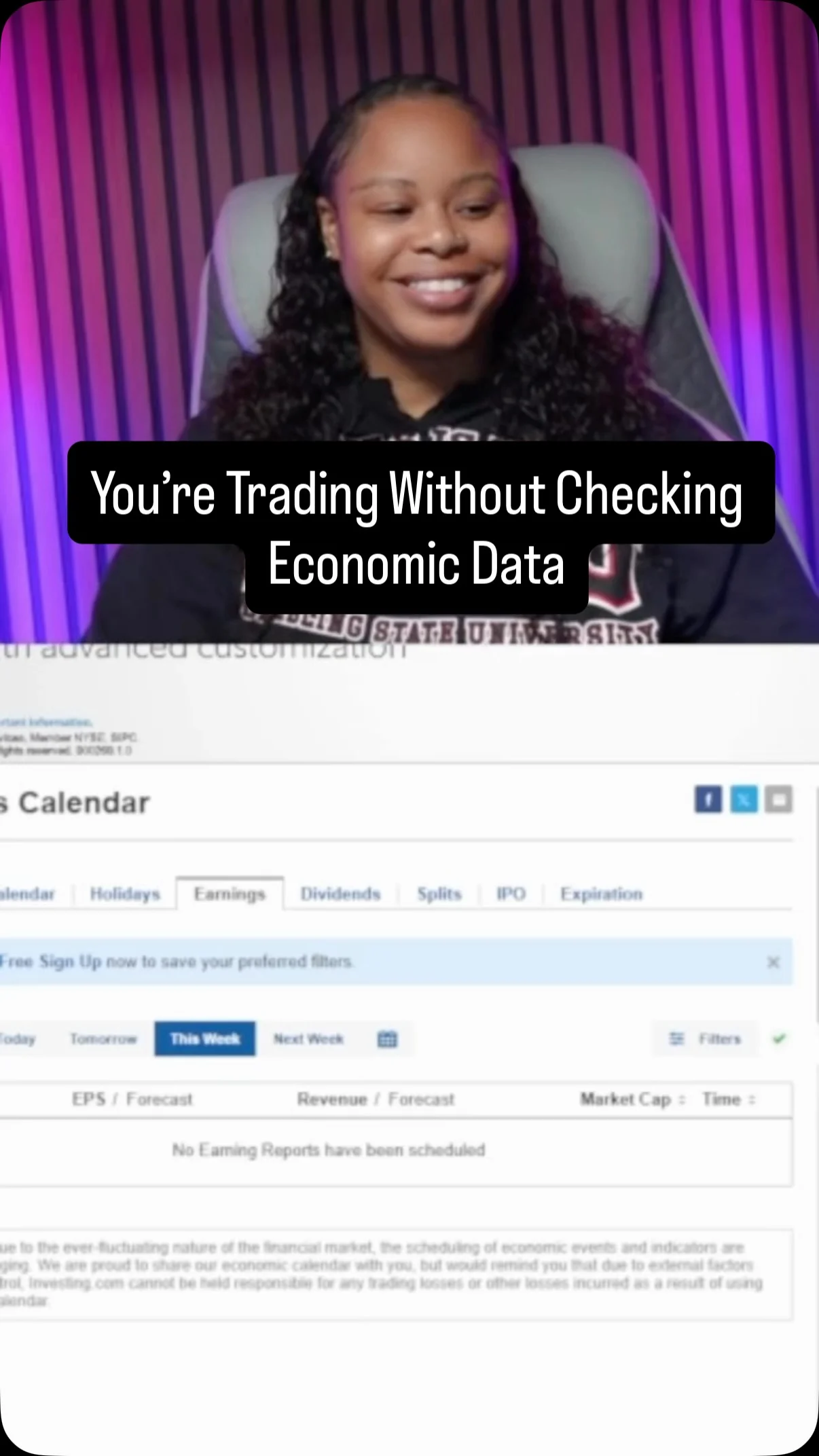
Know Economic Calendar Before Trading to Avoid Surprises
Most traders skip pre market prep and get caught off guard by news. Before the session starts, you should know exactly when economic data releases like FOMC, CPI, or interest rate decisions are scheduled. These events can shift volatility, market structure, and...
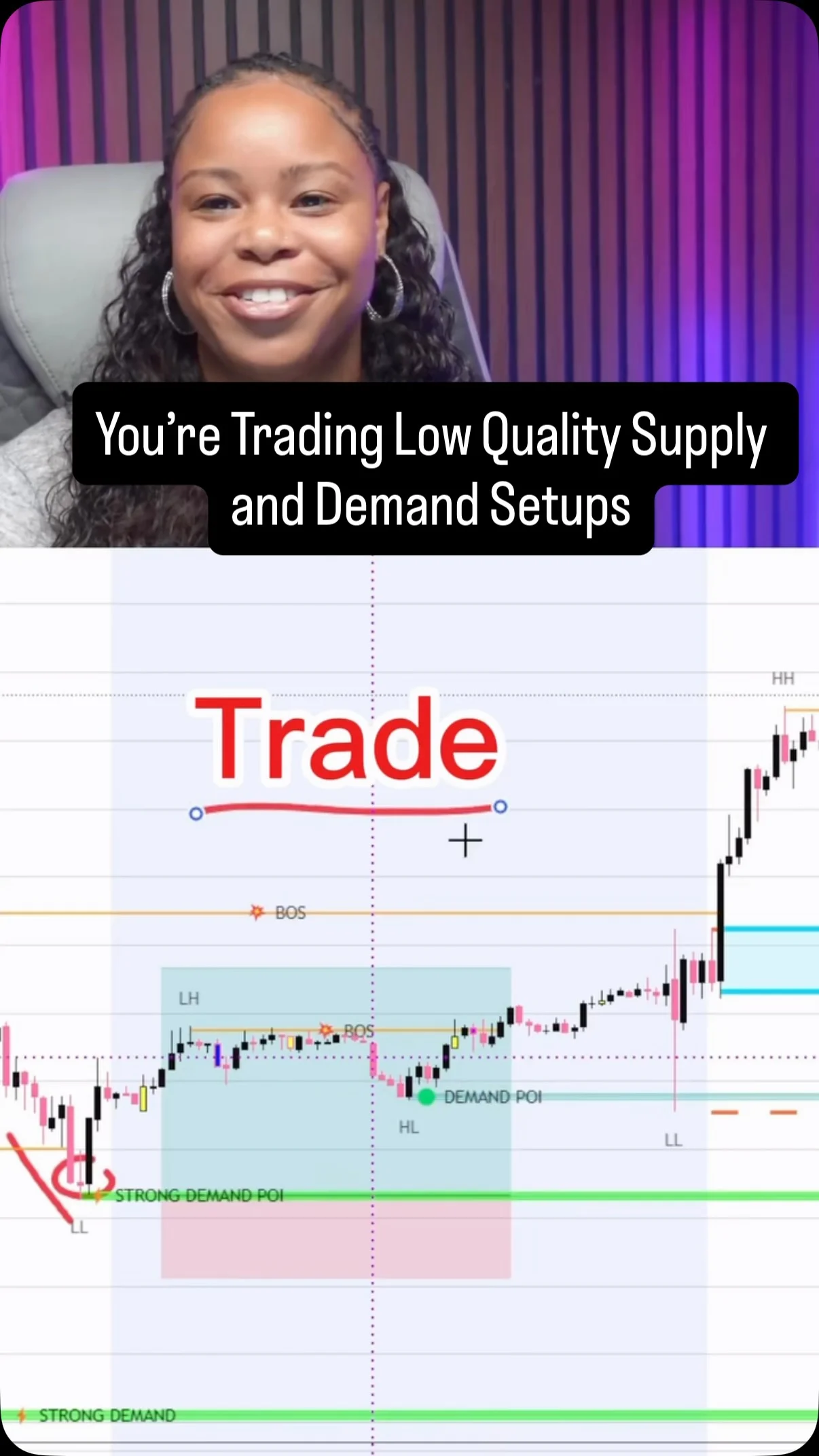
Prioritize Strong Structure, Momentum, Clean Zones for High‑Probability Trades
Most traders mark every supply and demand zone and treat them all the same. That’s why they get inconsistent results. High quality setups come from strong market structure, clear momentum, and clean reactions at key levels. If the zone is messy or formed...
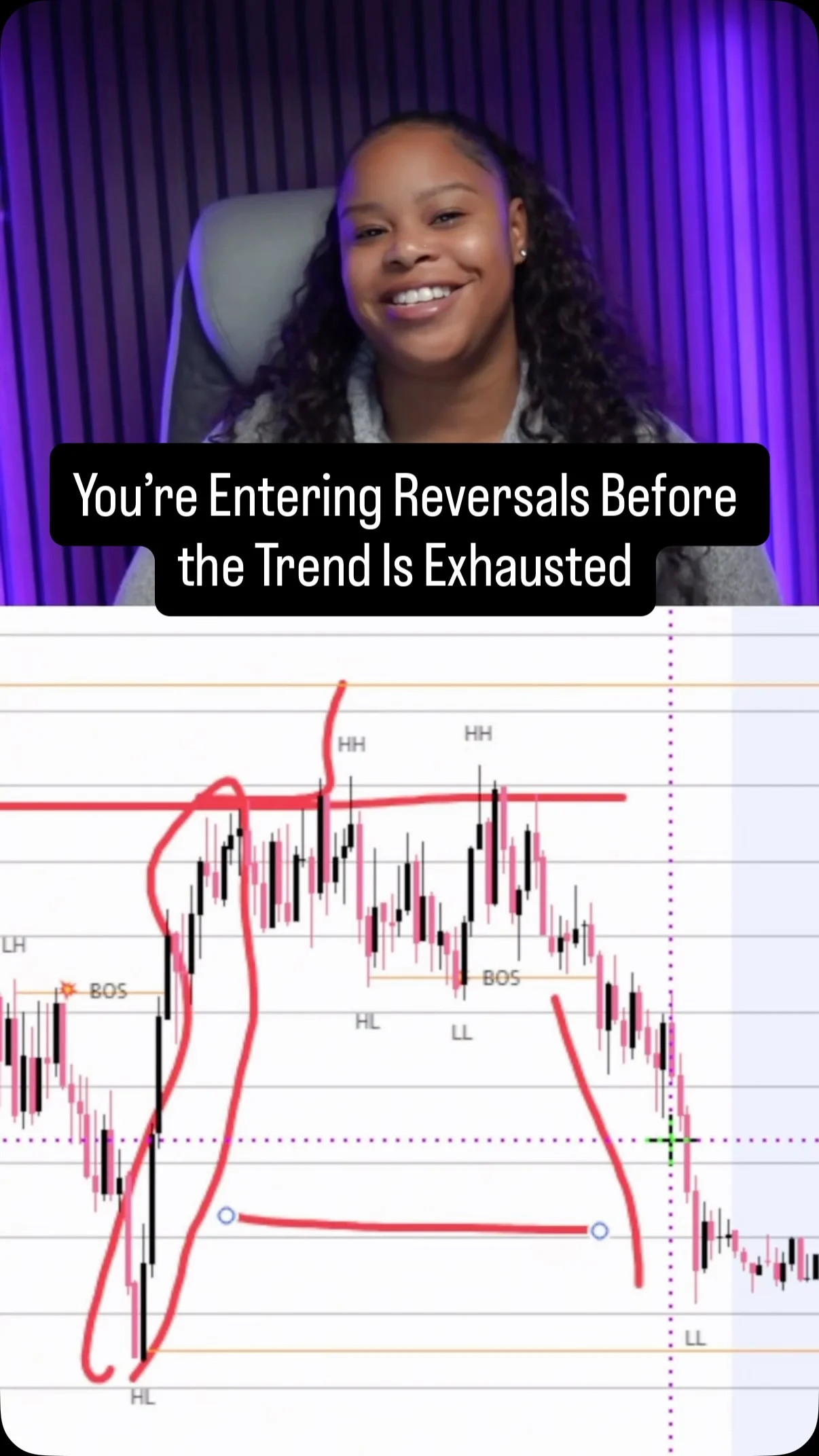
True Reversals Need Exhaustion, Structure Shift, Not Pullbacks
You’re entering reversals before the trend actually shows exhaustion. In strong trends, price continues making higher highs or lower lows with clear momentum and market structure. A real trend reversal usually starts when momentum slows, price fails to continue the trend, and...
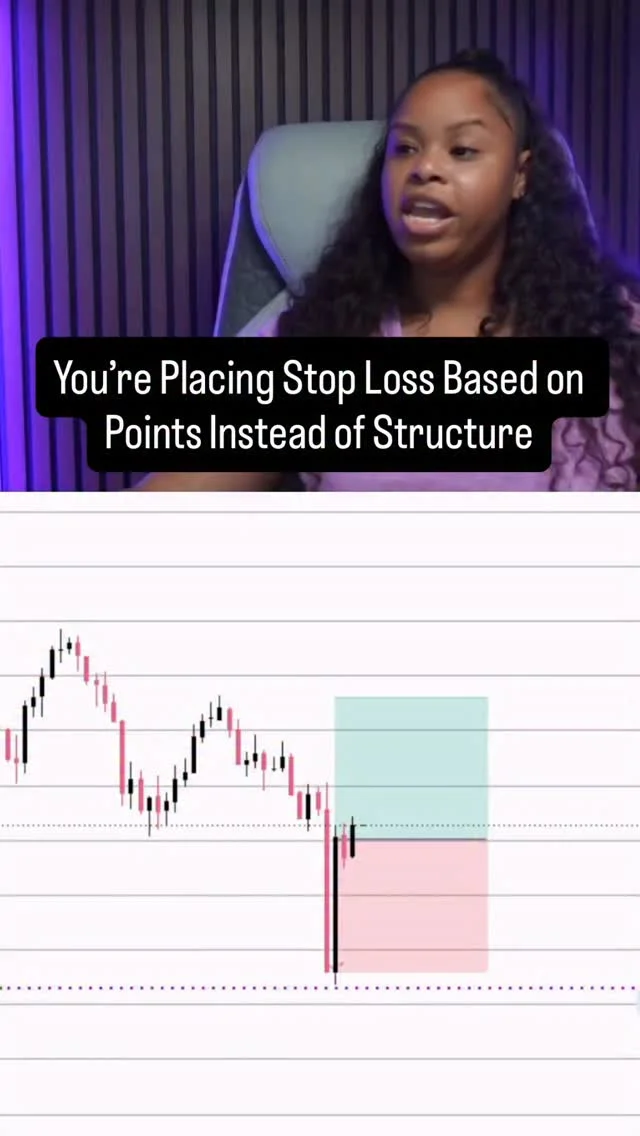
Place Stops at Swing Highs/Lows, Not Fixed Ticks
Most traders place their stop loss based on ticks or points. That’s why they keep getting stopped out. A stop loss should be based on market structure, not a fixed number. Below a swing low. Above a swing high. That’s where the trade idea is...
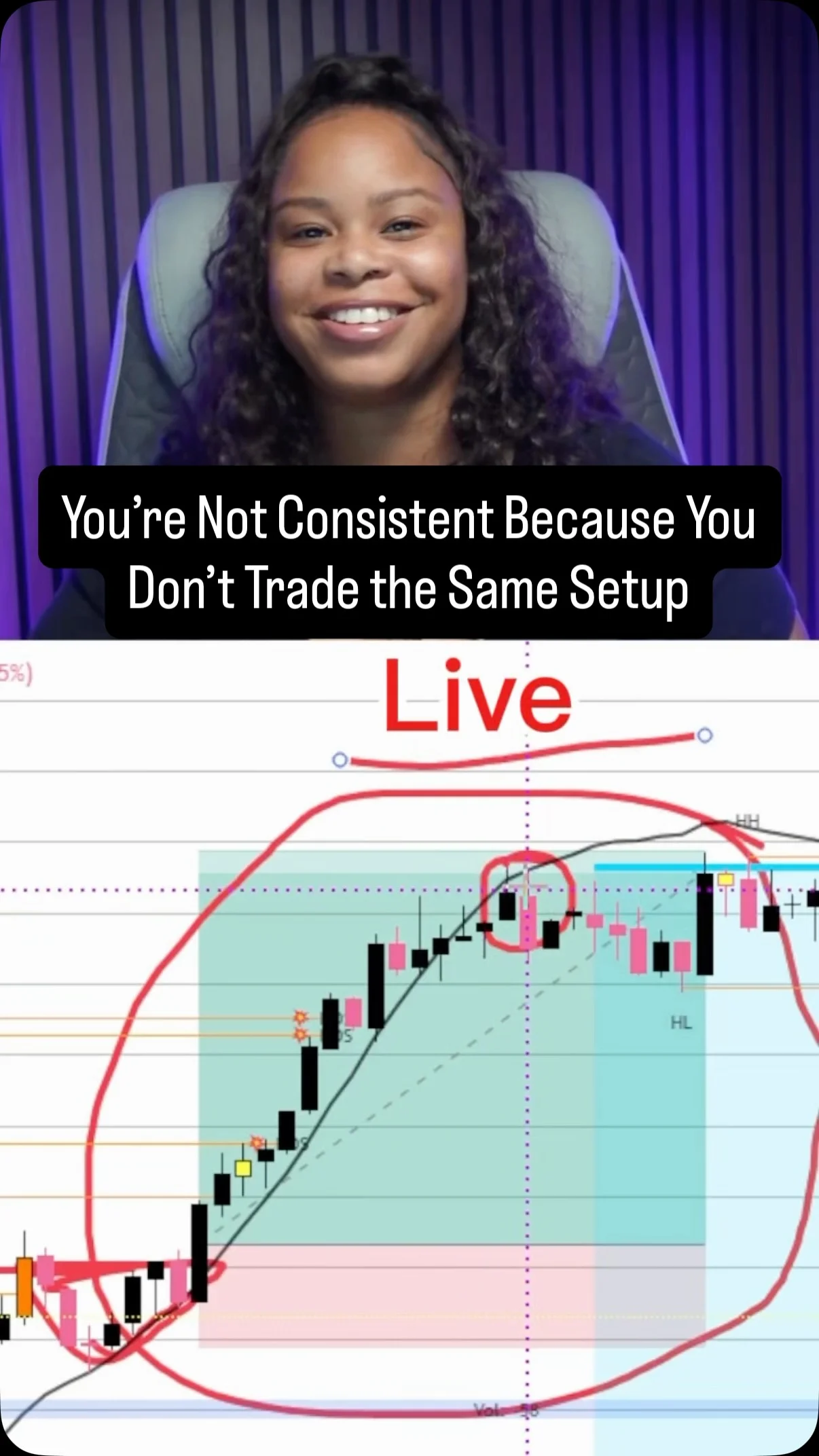
Stick to One Setup for Consistent Trading Success
Most traders struggle with consistency because they keep changing their approach. A real edge comes from trading the same setup under the same conditions. For me, that’s the opening range, combined with key supply and demand levels. When price reaches those areas at...
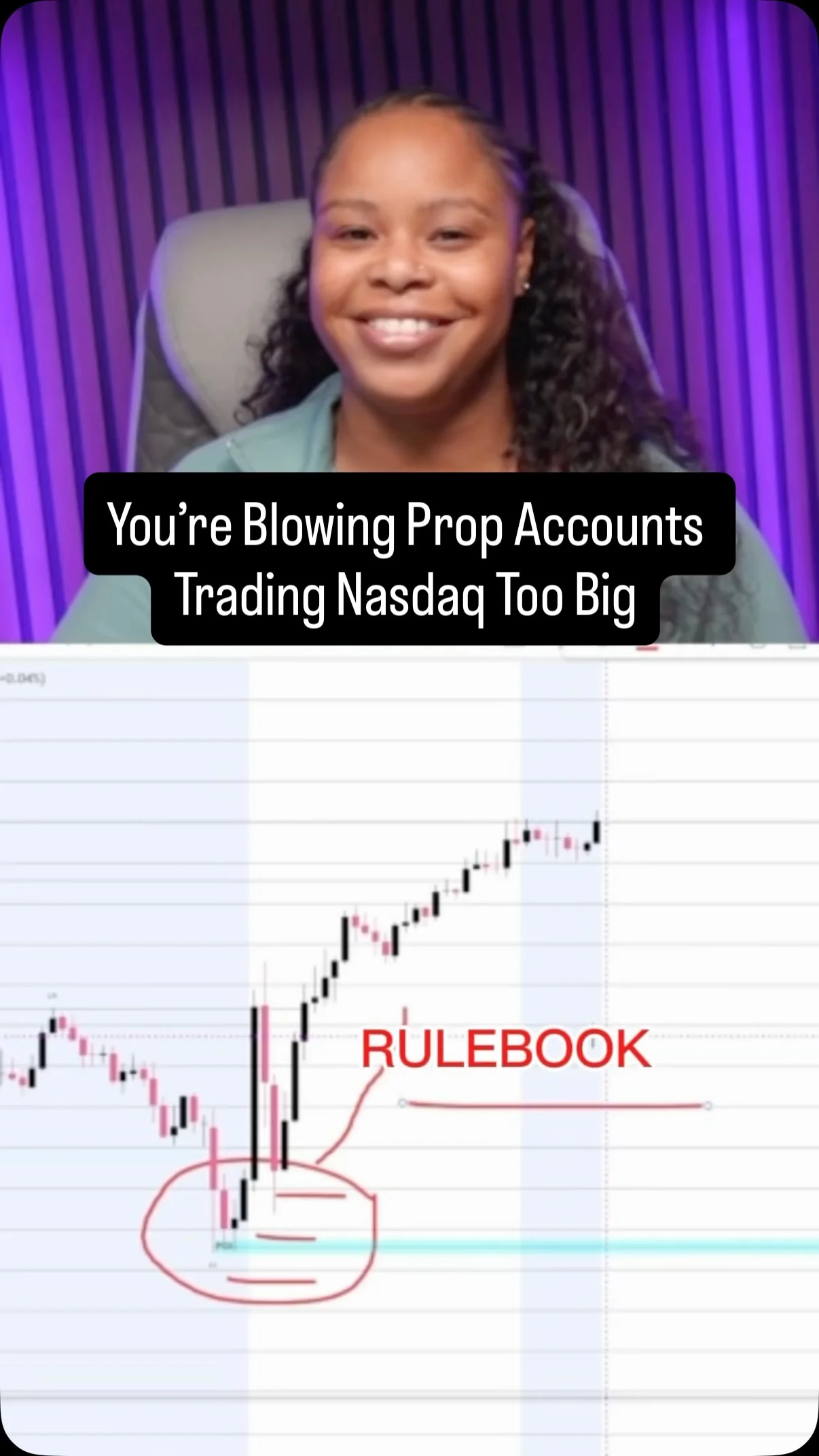
Micro Nasdaq Futures: Smaller Size Saves Prop Accounts
Most traders blow prop accounts trading Nasdaq futures with size that’s too big. The moves are fast and the pullbacks are deep. Scaling down to micro contracts (MNQ) gives you more control, better risk management, and cleaner execution. Smaller size makes a big...
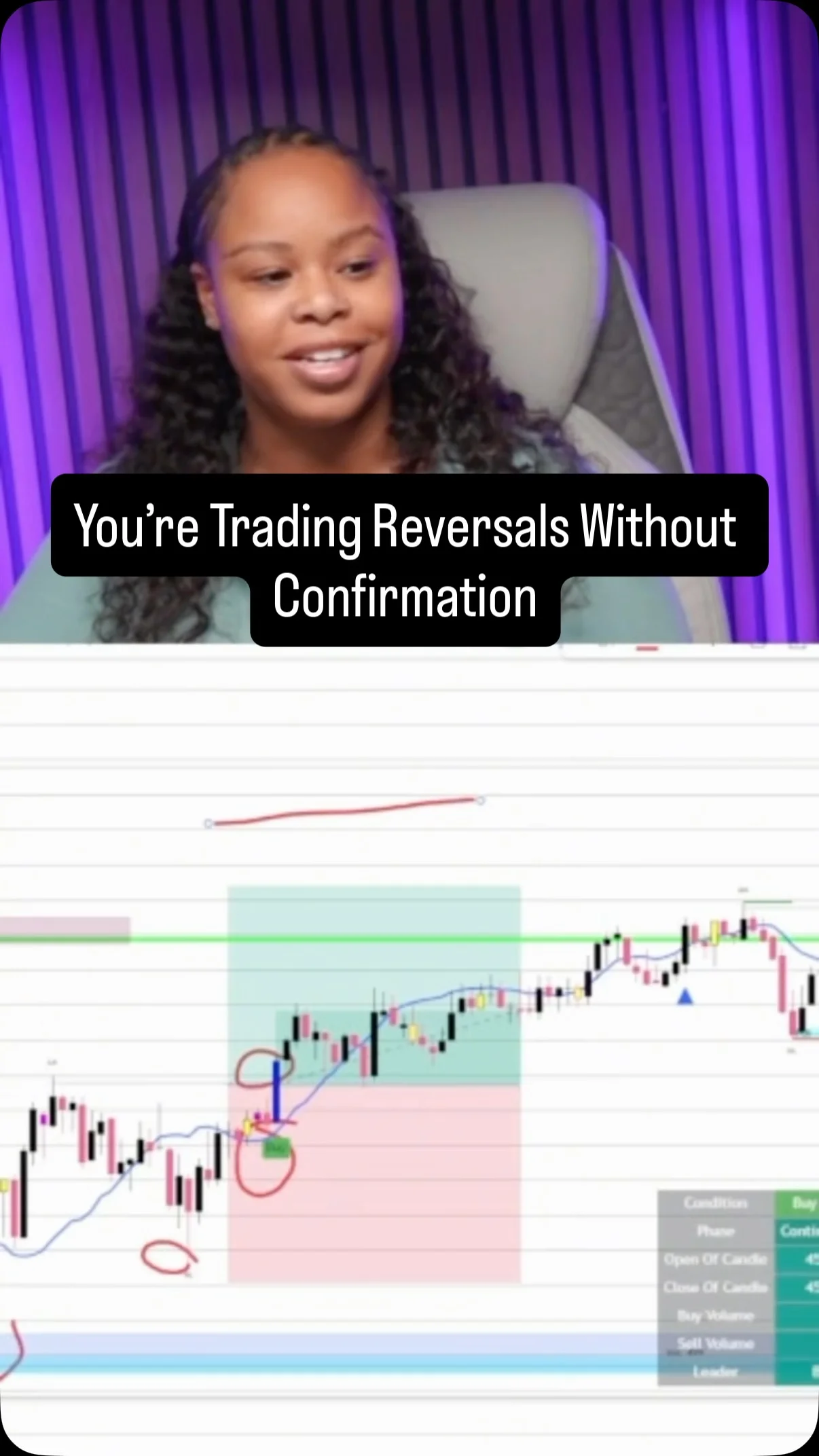
Break Market Structure Before Reversal, Not Just Zone Tap
Most traders try to catch reversals the moment price taps a supply or demand zone. But that’s not how a real reversal works. You need to see a shift in market structure first. Something has to break. Then when price comes back into that...
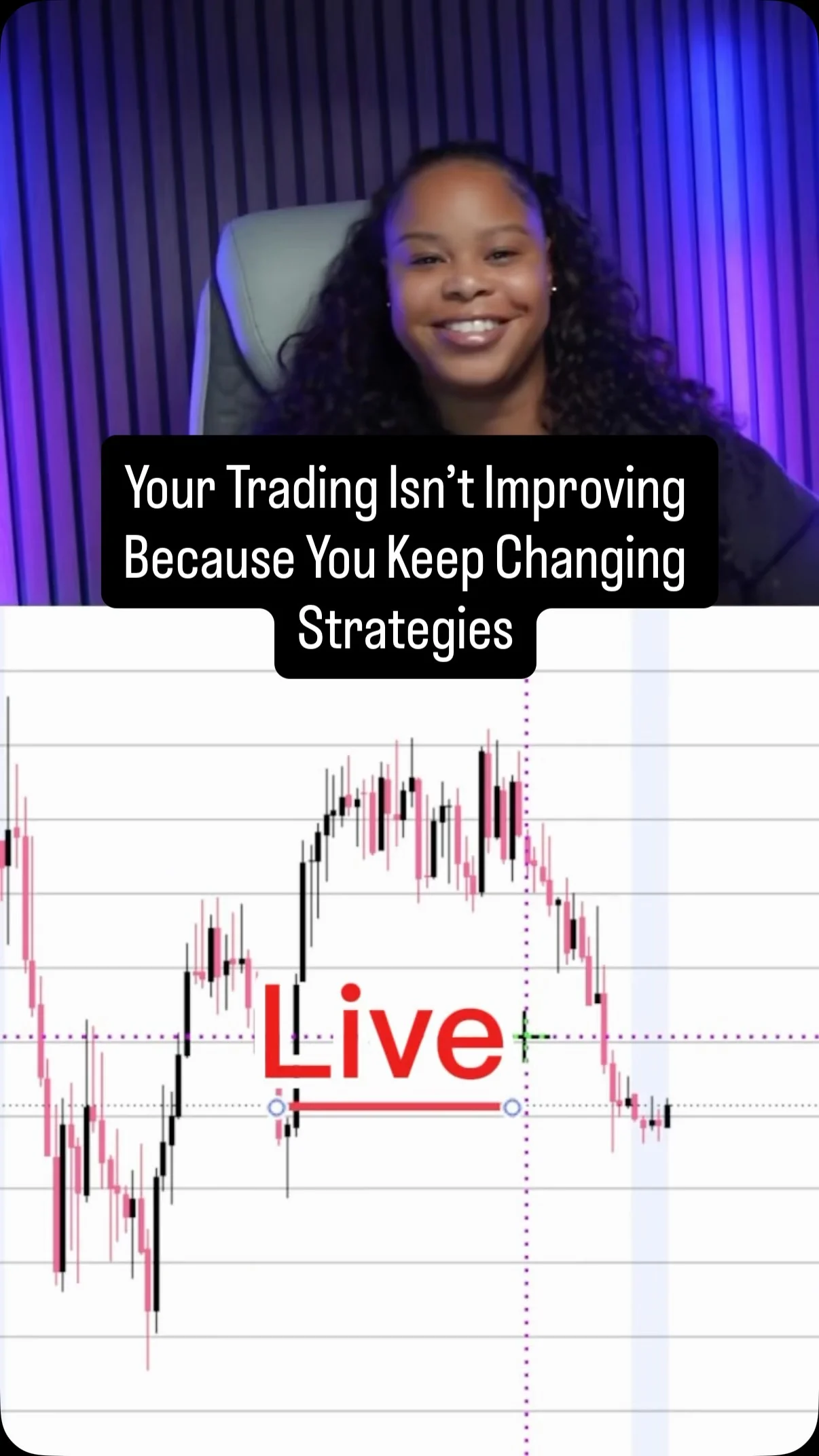
Stick to One Framework: Use Higher Timeframe Direction, Lower Entries
You don’t need another trading strategy. You need to stop switching every time a trade fails. Most traders never get consistent because they keep jumping between ICT, supply and demand, price action, and indicator strategies. Use the higher time frame for direction and...
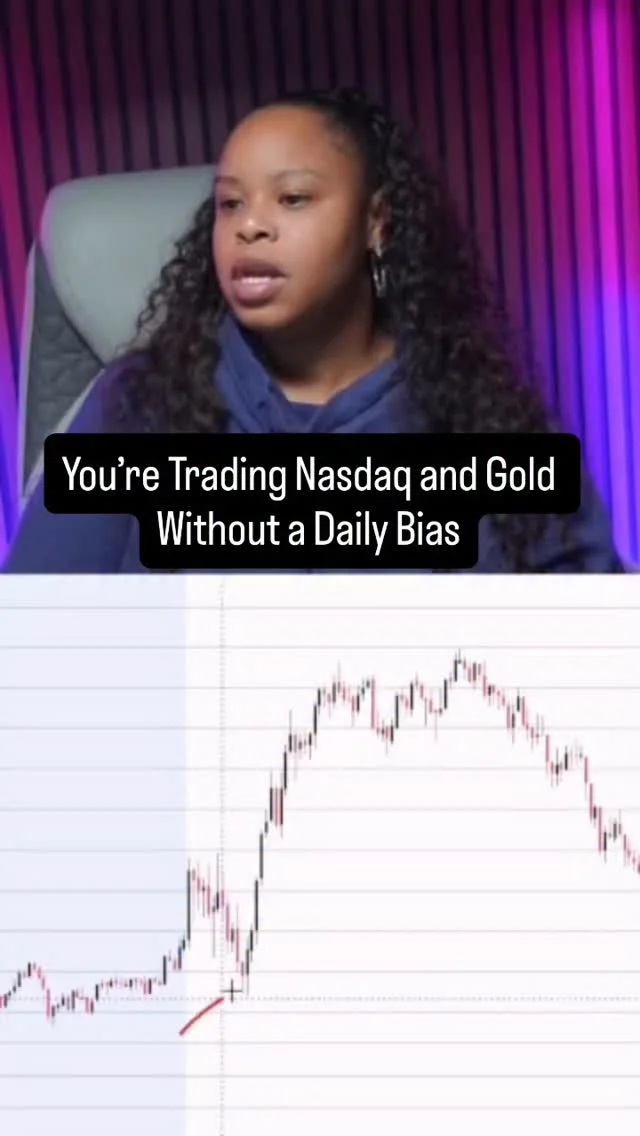
Trade with Higher‑Timeframe Structure, Not Candle‑Chasing Bias
Most traders enter Nasdaq and gold with no daily bias. They react to candles instead of reading liquidity and market structure. Price moves from liquidity to liquidity. Above highs. Below lows. That’s where the draw is. Use higher time frame structure and supply and demand to...
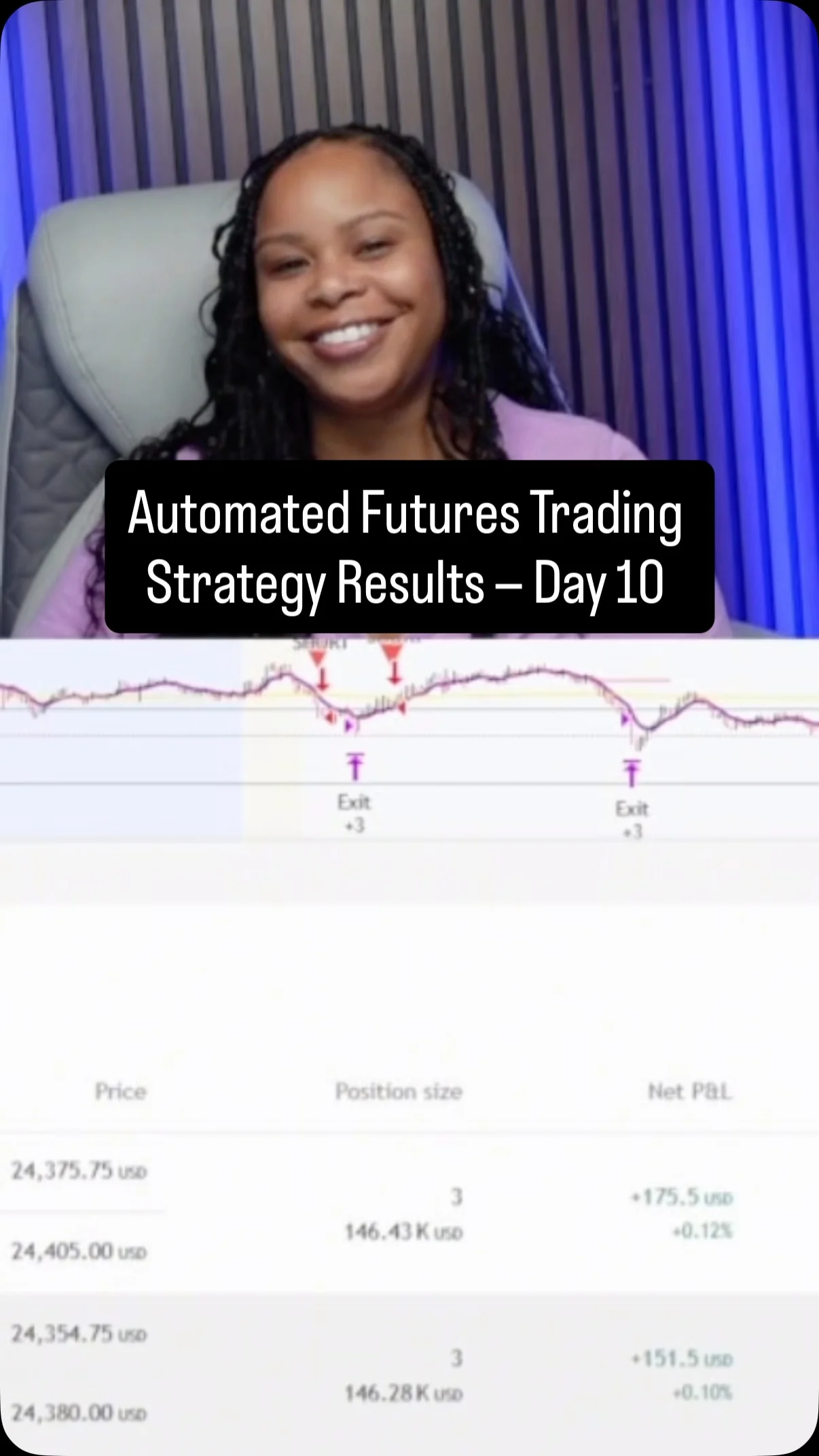
Automated Futures Strategy Delivers Consistent Wins in 10 Days
Testing an automated futures trading strategy on Micro Nasdaq futures (MNQ). Day 10. Two trades. Two wins. +325. This is a rule based trading system built for consistency, using fixed risk management and structured execution. No discretionary trading. No overtrading. Tracking performance on a prop firm style account...
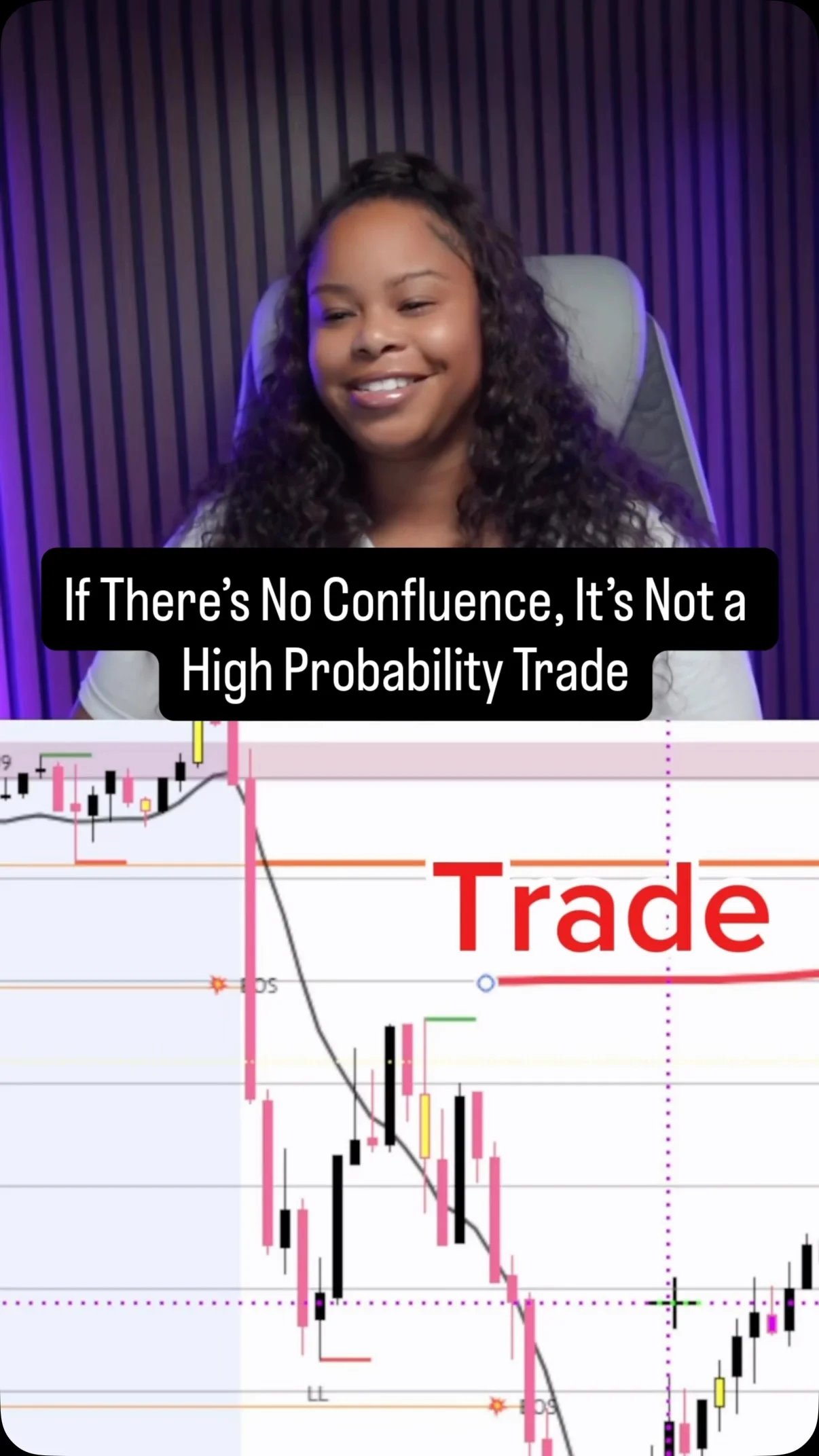
Trade Only When Multiple Confluences Align
Most traders enter trades without enough trading confluence. One signal is not a strategy. High probability setups usually align higher time frame momentum, supply and demand zones, and clear market structure. If price is not at a key supply or demand level, and...
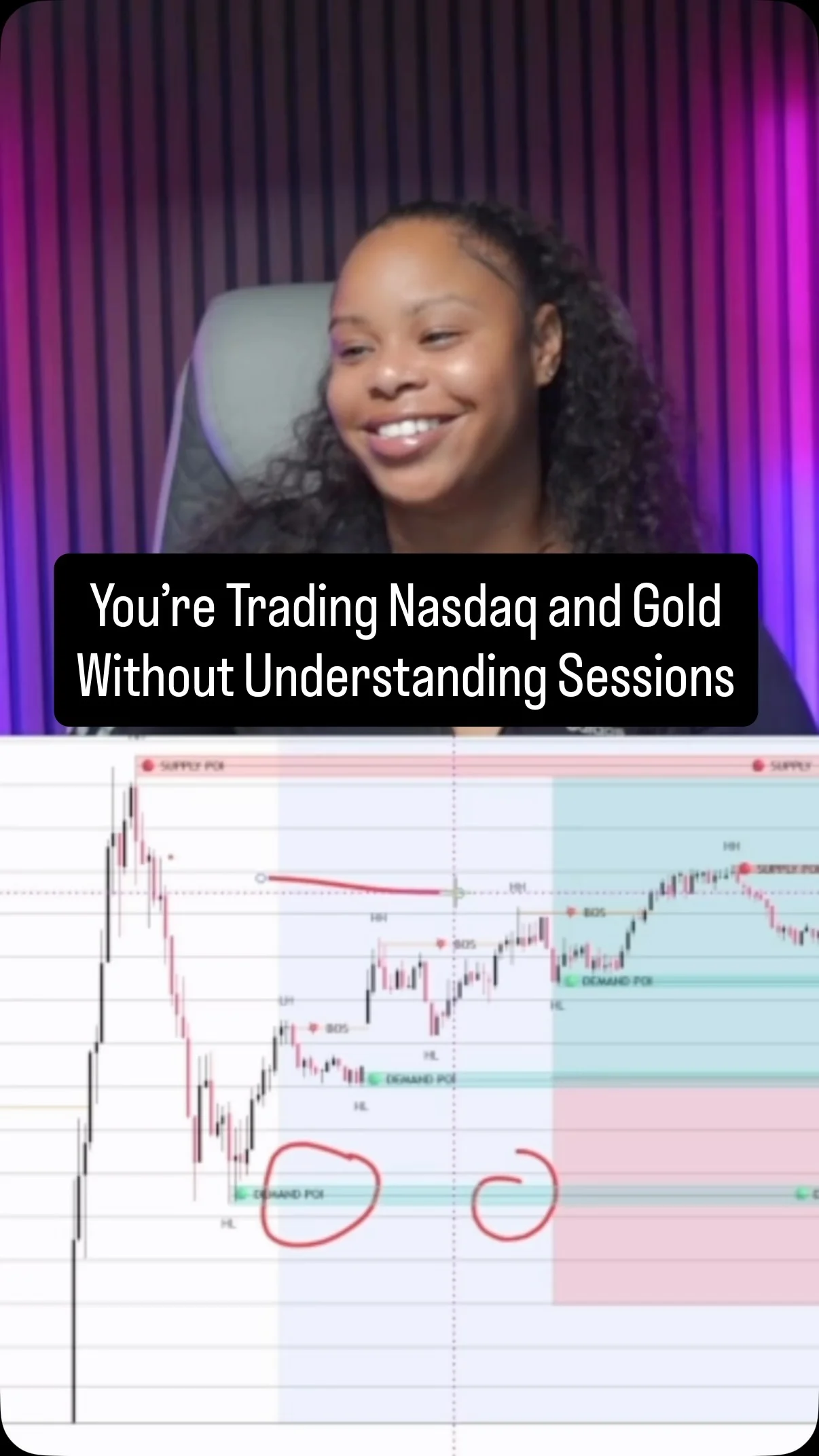
Use Asian Session Zones to Time Nasdaq, Gold Entries
Nasdaq and gold do not move the same in every session. The Asia session is usually slower and range bound. This is where supply and demand zones form and liquidity builds. Those levels matter. When London and New York open, price often reacts...
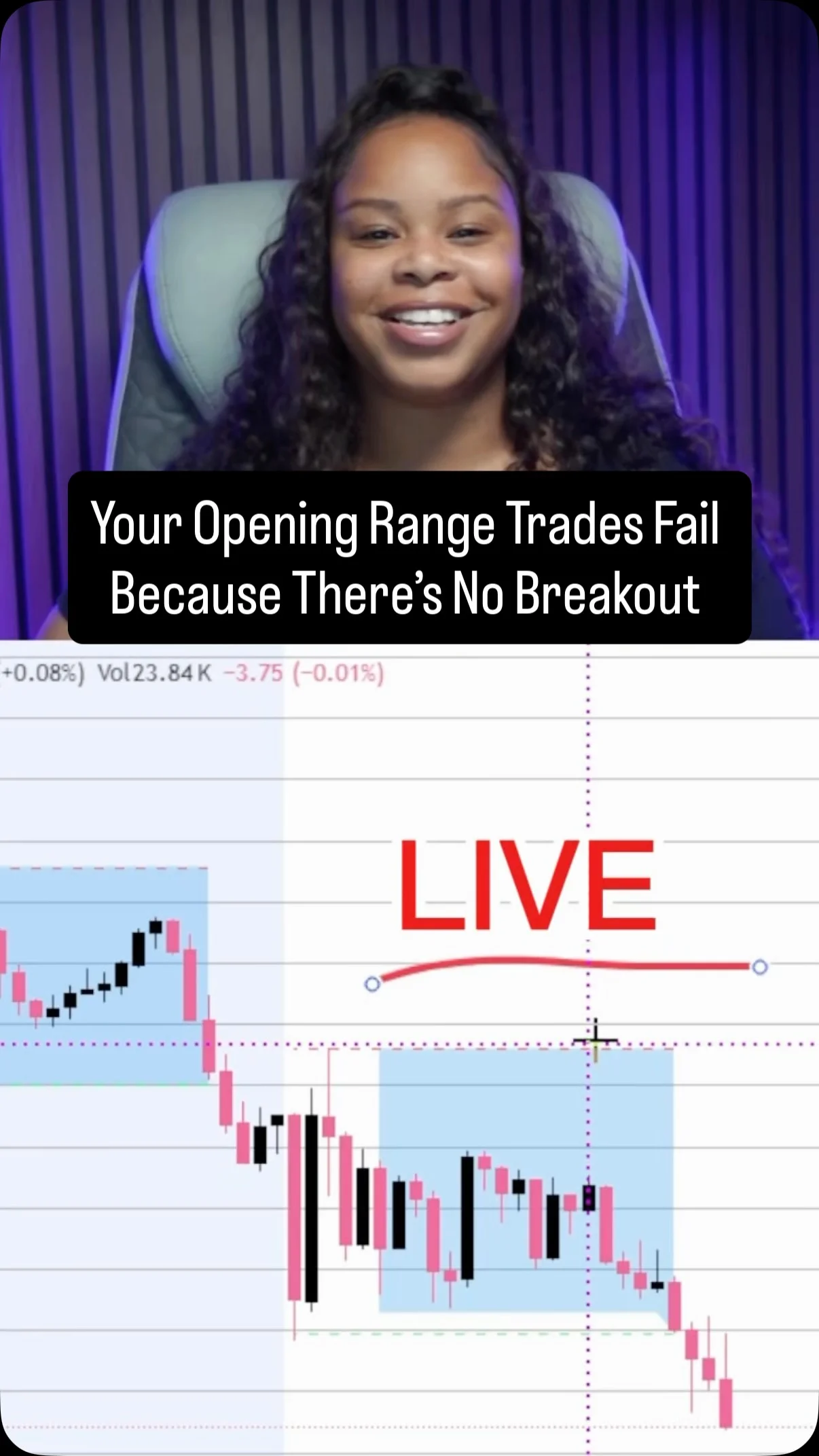
Trade only After Opening Range Breakout with Momentum
Most traders force trades inside the opening range. When price stays within the range, the market is choppy, low momentum, and directionless. This is where traders get chopped up and overtrade. If there’s no break of structure or clean breakout from the opening...
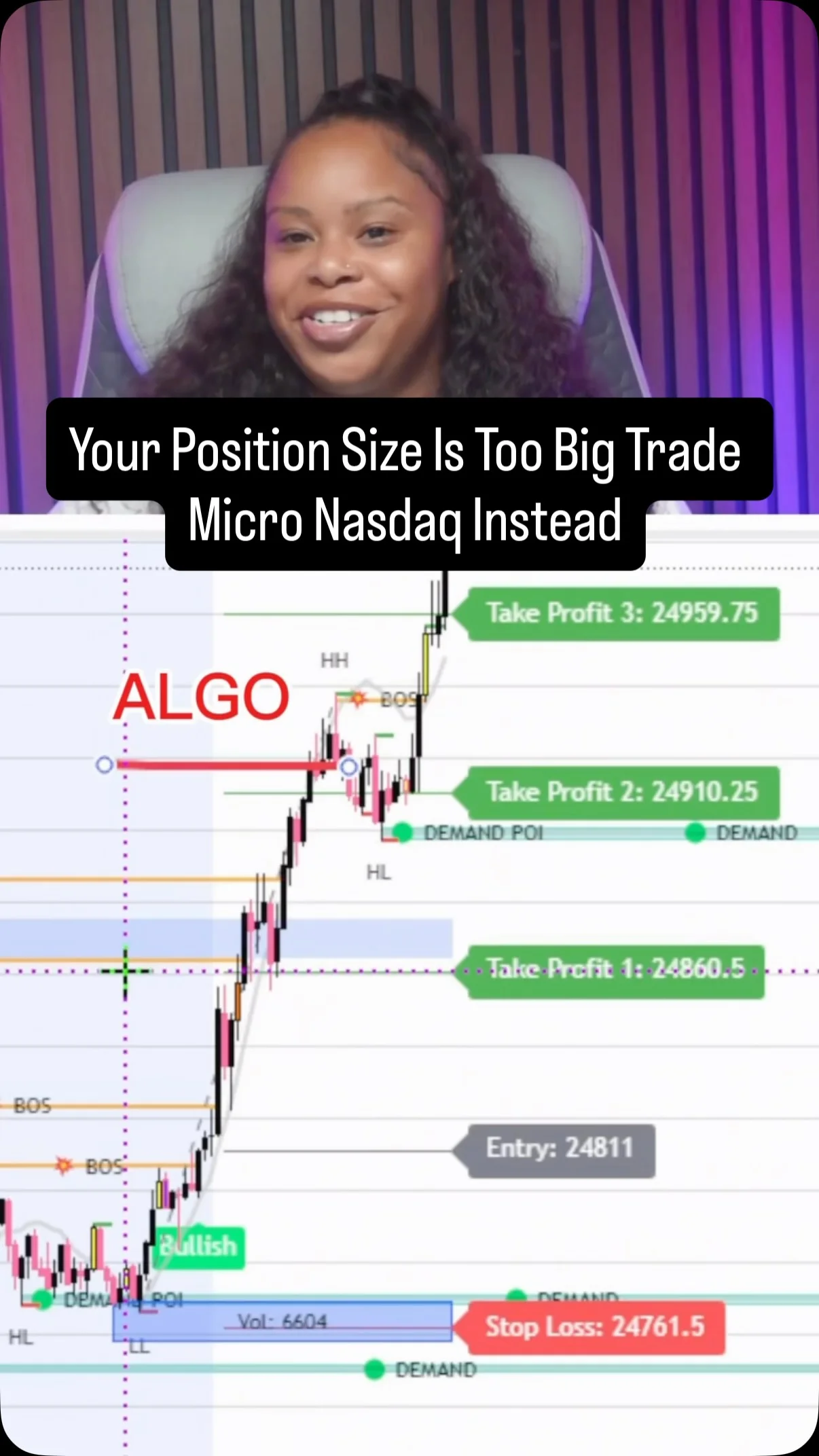
Trade Micro Nasdaq Futures for Superior Risk Management
Most traders jump straight into Nasdaq mini contracts and struggle with risk management and stop loss placement. Trading Micro Nasdaq futures (MNQ) allows for better position sizing, tighter stop losses, and cleaner trade management. Smaller size makes it easier to hold through...
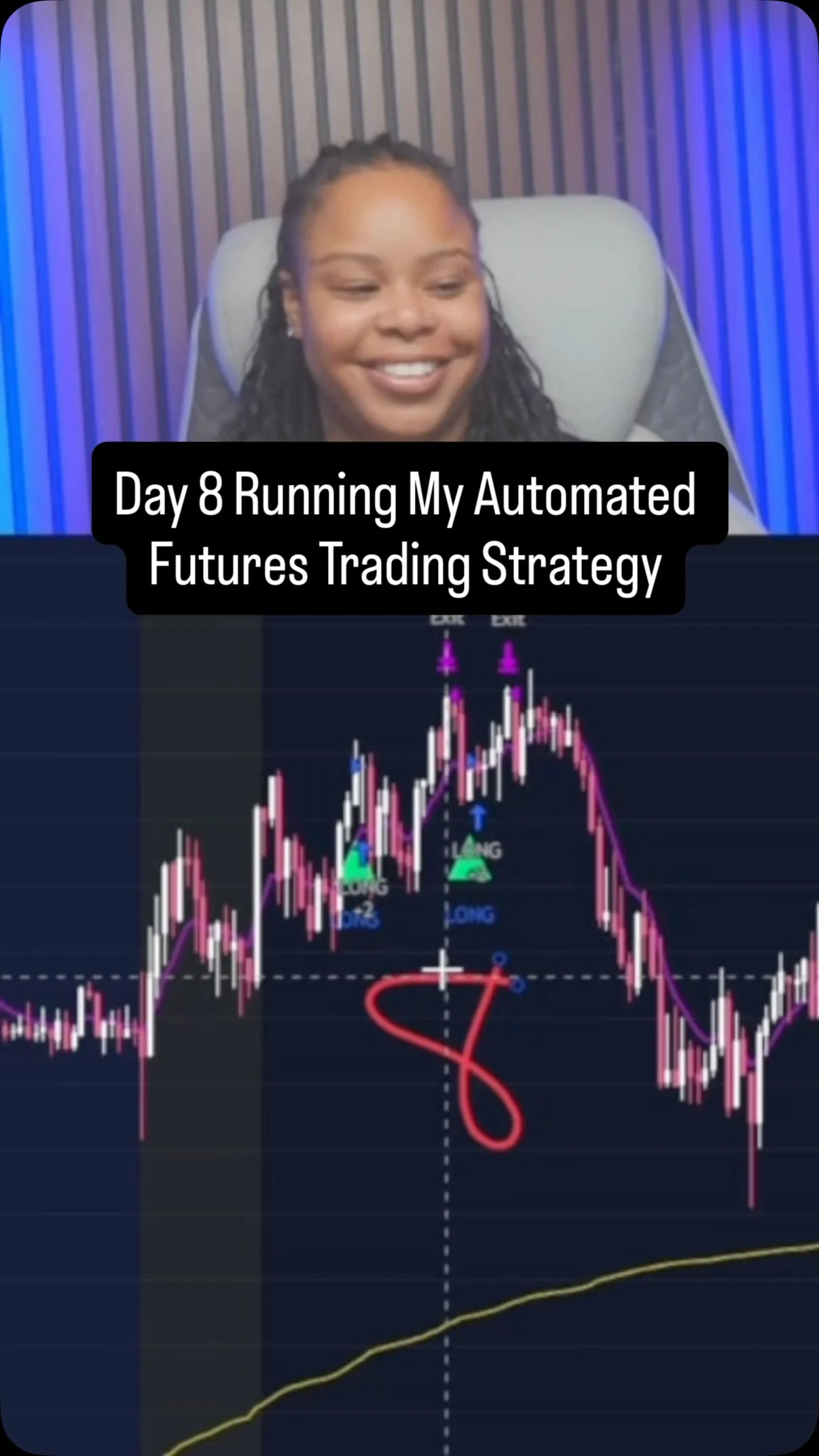
Scale Position Size with Volatility for Consistent Futures Trading
Day 8 running my automated trading strategy on Micro Nasdaq futures (MNQ). Two clean trades. Market was choppy, so position size was reduced to 2 MNQ contracts to control risk and stay consistent. Same rule based execution. Same entry confirmation. No overtrading. Adjusting position size based...
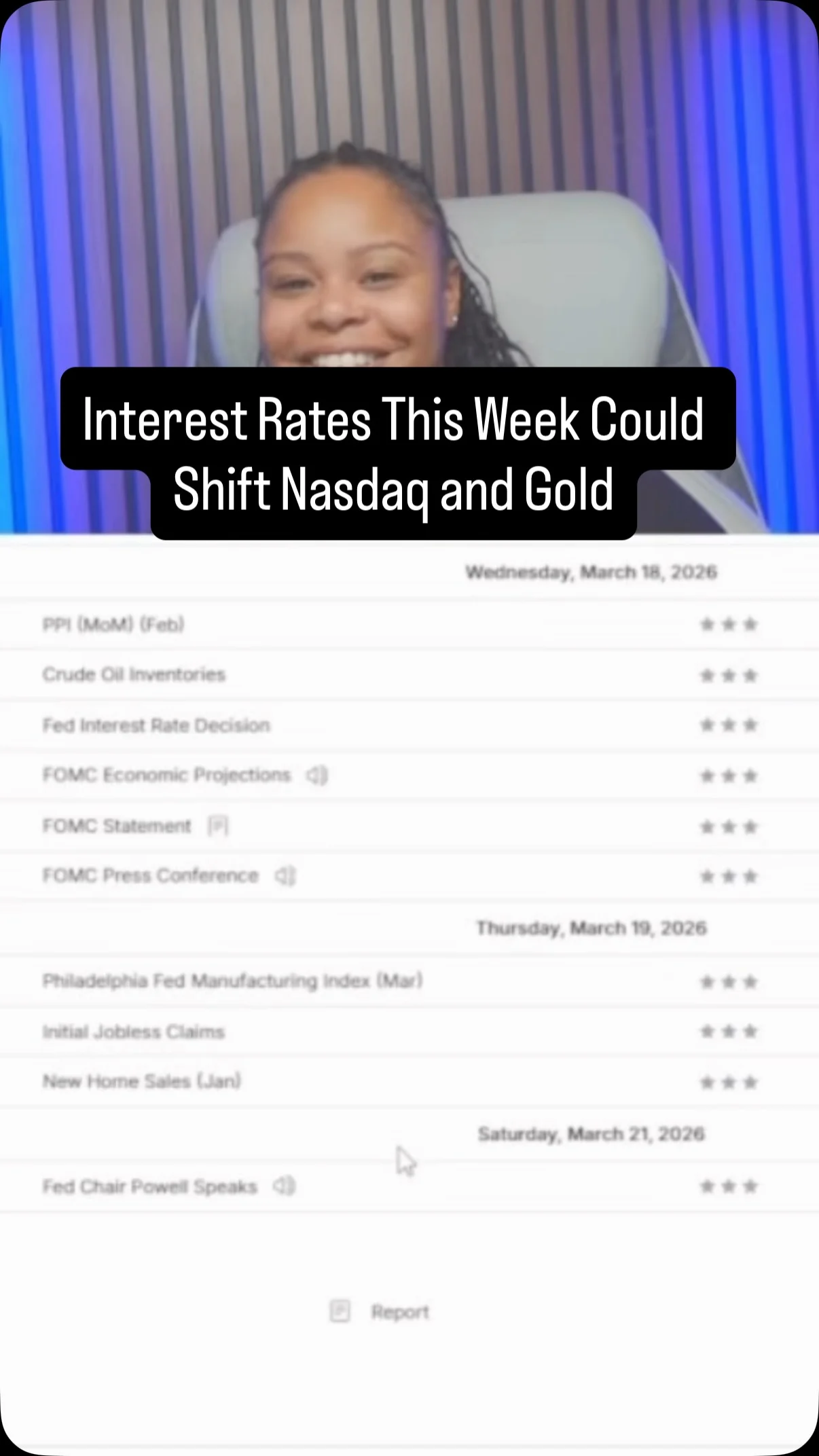
Trade FOMC: Align Timing, Levels, and Liquidity
FOMC is the biggest event this week. Interest rate decisions and Fed commentary can shift market direction, volatility, and momentum across Nasdaq and gold. Price often reacts aggressively around these releases, especially near key supply and demand levels. If you’re trading this week,...

Use 15‑min Swing Structure + Zones for Reliable Reversals
Many traders try to catch reversals on lower time frames and end up getting faked out. A clearer way to spot reversals is by watching swing highs and swing lows on the 15 minute chart while marking key supply and demand...

Micro Futures Simplify Trade Management Across Cleaner Markets
Most traders only trade Nasdaq or gold. But markets like Dow Jones, Russell, crude oil, and natural gas often move with cleaner trends. The futures ticker you trade, the volatility, and your position size all impact your results. Using micro futures and choosing...
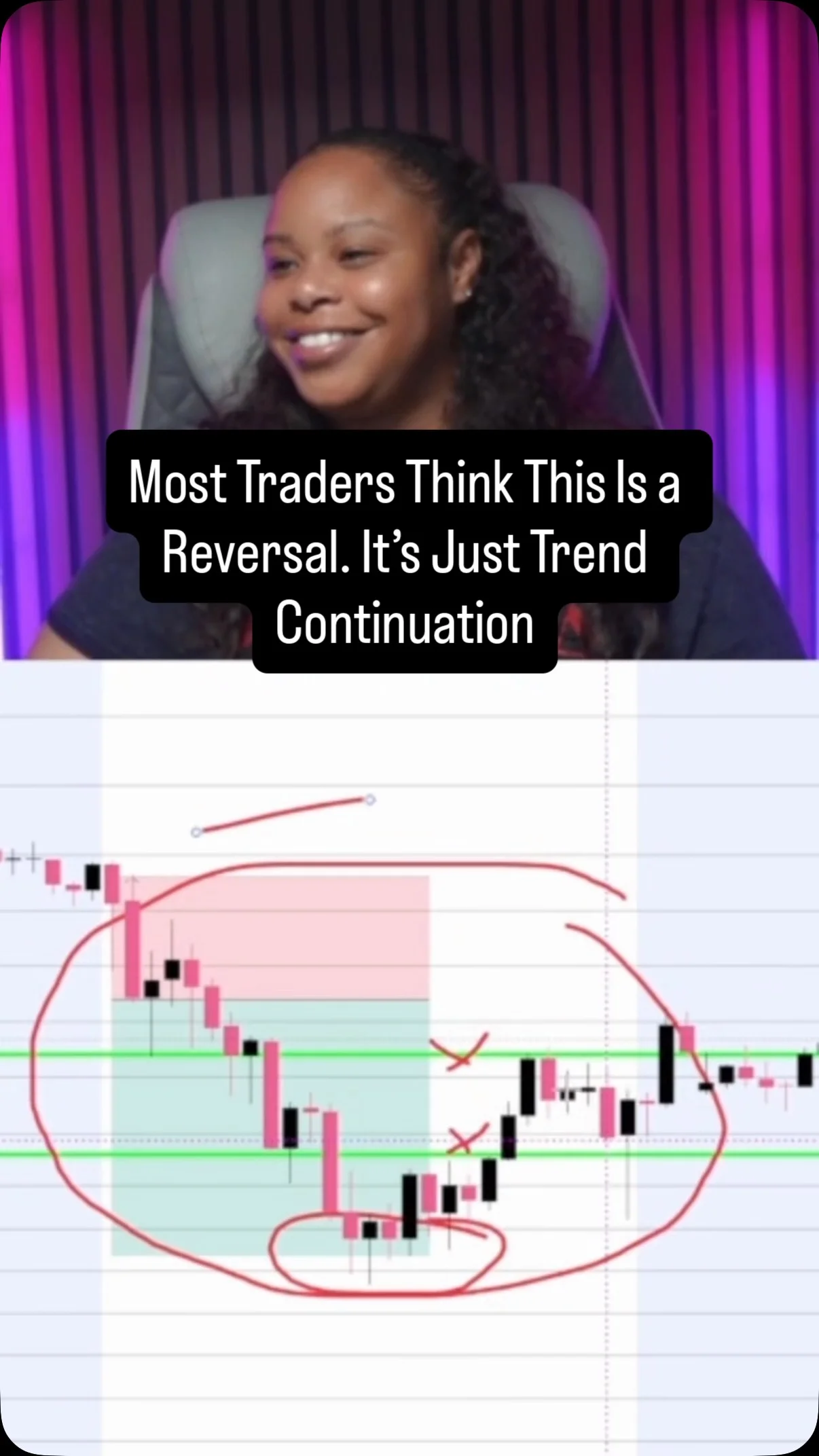
Spot Real Reversals: Watch Structure, Momentum, Supply/Demand
Most traders try to trade every trend reversal they see. But most of the time it’s just trend continuation. Real reversals usually show break of structure, momentum shift, and reaction at supply or demand. Without those signals, it’s usually a pullback inside the...
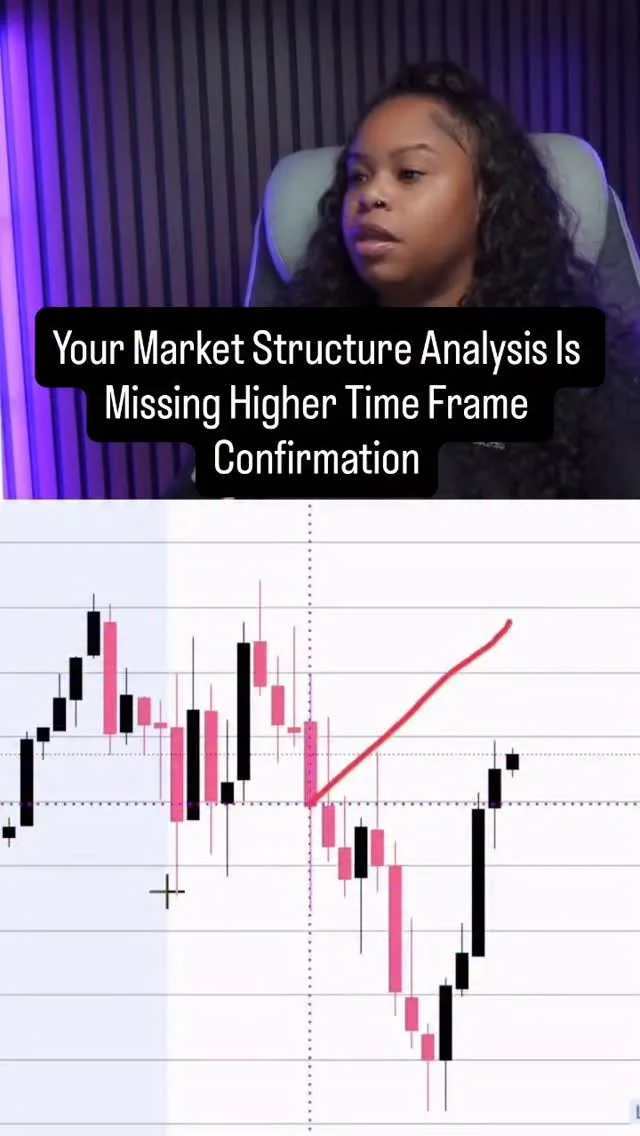
Trade Higher‑Timeframe Bias, Confirm on Lower Frames
Most traders lose because they trade the lower time frame first. You saw the sell off and wanted to short it. But on the hourly chart, price was sitting at a key gap level. That higher time frame support mattered. Drop down and...
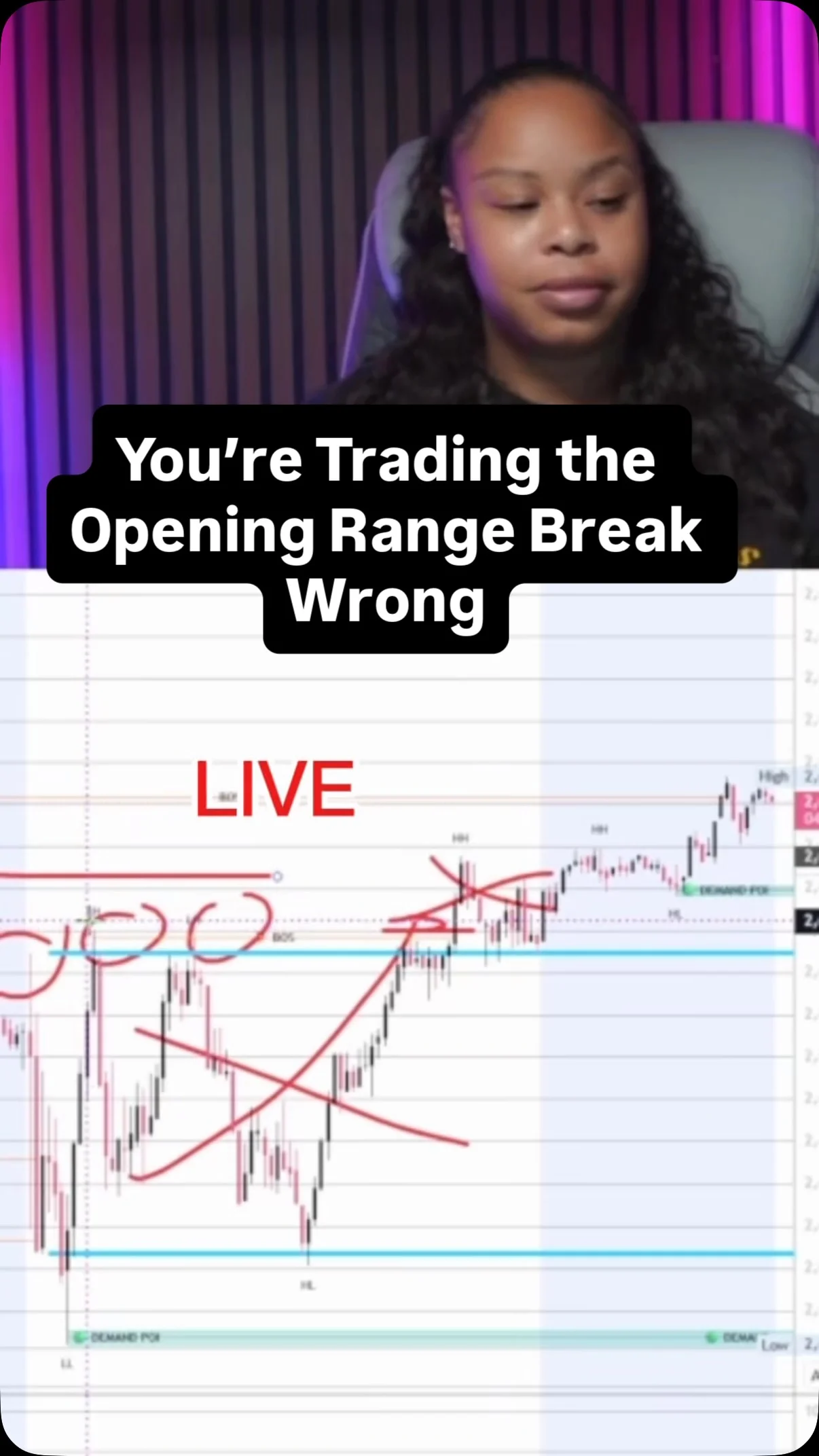
Wait for Confirmation, Not Early Breakouts, in ORB
Most traders lose trading the opening range break because they enter too early. The ORB strategy is not about predicting the breakout. It’s about waiting for confirmation. Let the opening range form. Wait for price to break structure with momentum. Avoid entries near major supply...
Separate Trading Accounts Boost Clarity and Discipline
If I had to start over, I would open four separate accounts. One for day trading. One for swing trading. One for long term investing. One small account for high risk speculative trades. Most traders fail because they mix strategies, time frames, and risk in...
Automated Futures Strategy Nets $211 on Day One
Day 1 of running my automated futures trading strategy on MNQ. 3 contracts executed. 1 scalp taken. All trades followed predefined entry and risk management rules. Session result: $211. No hesitation. No moving stops. No discretionary overrides. This is the same futures trading strategy converted into a rule...
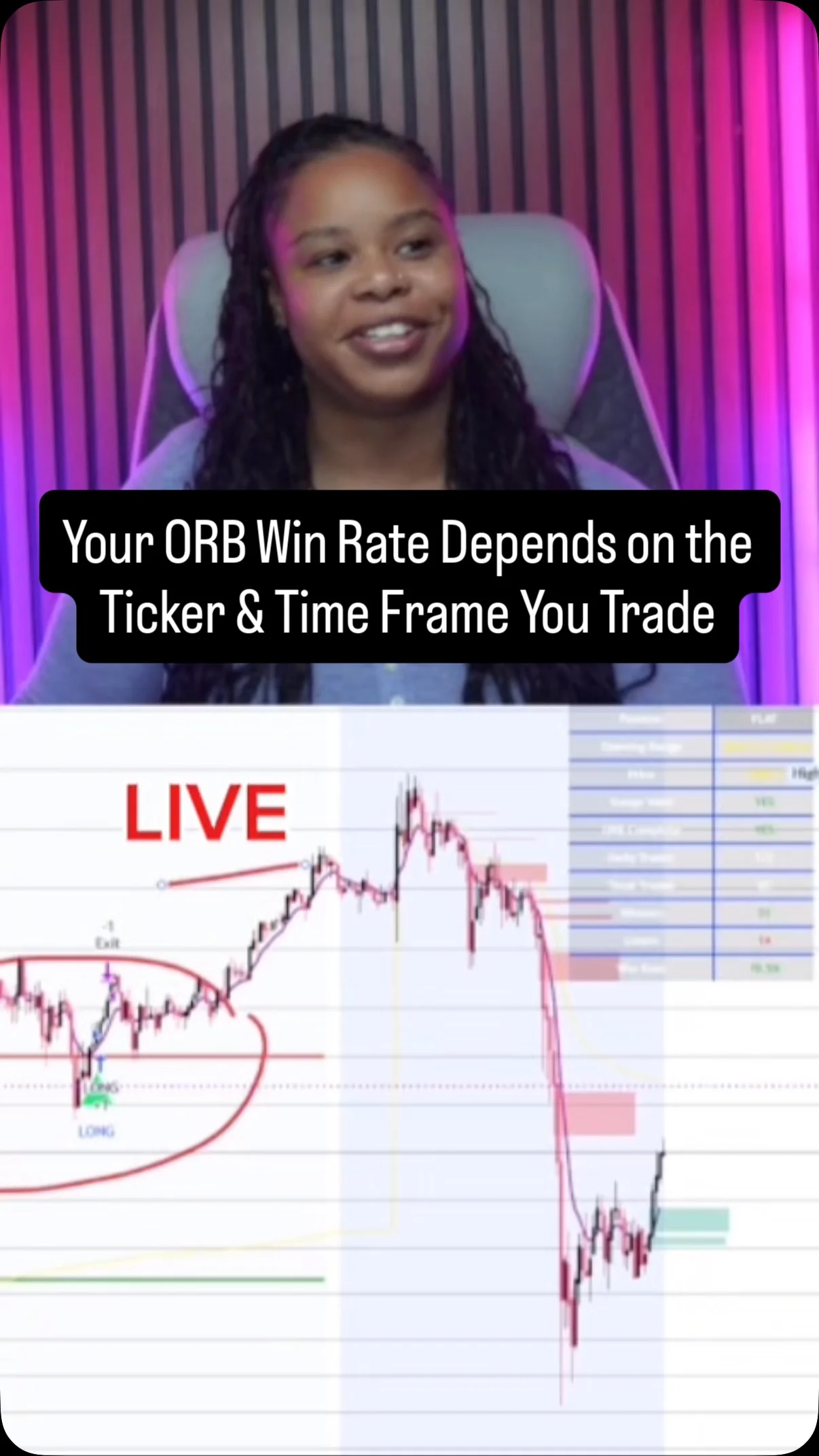
ORB Strategy Varies: Nasdaq Smooth, Gold Erratic
The opening range breakout strategy does not perform the same on every market. Backtesting the 3 minute ORB on Nasdaq futures versus Gold futures showed a clear difference. Nasdaq produced a higher win rate and a smoother equity curve with consistent expansion...
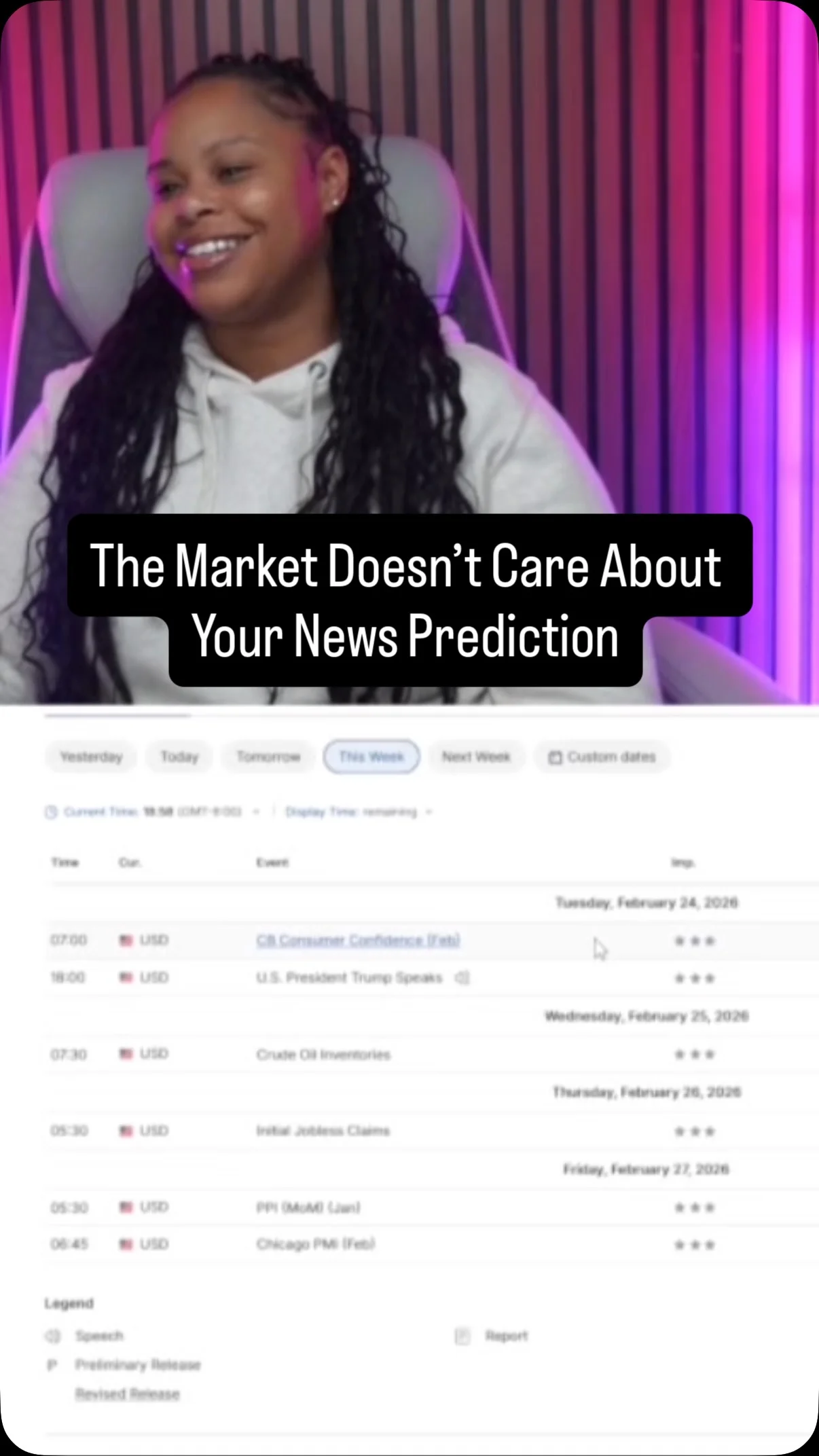
Trade Zones, Not News Direction, for True Moves
Most traders try to predict how Nasdaq or Gold will react to high impact news. CPI. FOMC. Interest rates. GDP. That’s the wrong approach. News creates volatility and liquidity sweeps. The first move is often emotional. The real move shows up at key levels. Instead of predicting...