
Blog•Mar 6, 2026
Digital Growth Architecture: Creating a Scalable Online Presence that Delivers Revenue
Bloom Agency outlines a digital growth architecture that unites SEO, technical optimization, content, paid media, conversion tactics, and analytics into a scalable revenue engine. The framework stresses search visibility, site performance, authority‑building content, ROI‑focused advertising, and continuous data‑driven refinement. By treating these elements as an integrated system, brands can achieve consistent traffic, higher conversion rates, and sustainable long‑term growth. Bloom’s approach also adapts to local and global markets, ensuring scalability without sacrificing performance.
By eCommerce Fastlane

Blog•Mar 5, 2026
Customers.AI Review 2026: The Identity Resolution Tool That Helps Shopify Brands Capture More Revenue From the Traffic They Already Have
Customers.AI is an identity‑resolution and deliverability platform built for Shopify brands that run Klaviyo. Its X‑Ray pixel lifts visitor identification from roughly 15‑20% to 60‑70%, feeding anonymous shoppers into Klaviyo profiles. The Alfred AI agent scores these visitors daily, enabling...
By eCommerce Fastlane

Blog•Mar 5, 2026
The Real YouTube Pay Per View: Uncovering Creator Earnings & Latest Rates (2026)
YouTube’s partner program pays creators 55 % of ad revenue (45 % for Shorts), with earnings calculated on a cost‑per‑thousand‑views (CPM) basis. Reported CPMs vary widely, typically ranging from $3‑$5 up to $18 per 1,000 views, depending on niche, audience demographics, and...
By Neal Schaffer’s Blog

Blog•Mar 4, 2026
Our Top Tips – Social Media for Event Marketing
The article offers a step‑by‑step playbook for event marketers, stressing that the “during” and “after” phases of social media promotion are frequently neglected. It recommends assigning a dedicated digital helper to post live updates, answer attendee questions, and curate user‑generated...
By Tourism Currents Blog
Blog•Mar 4, 2026
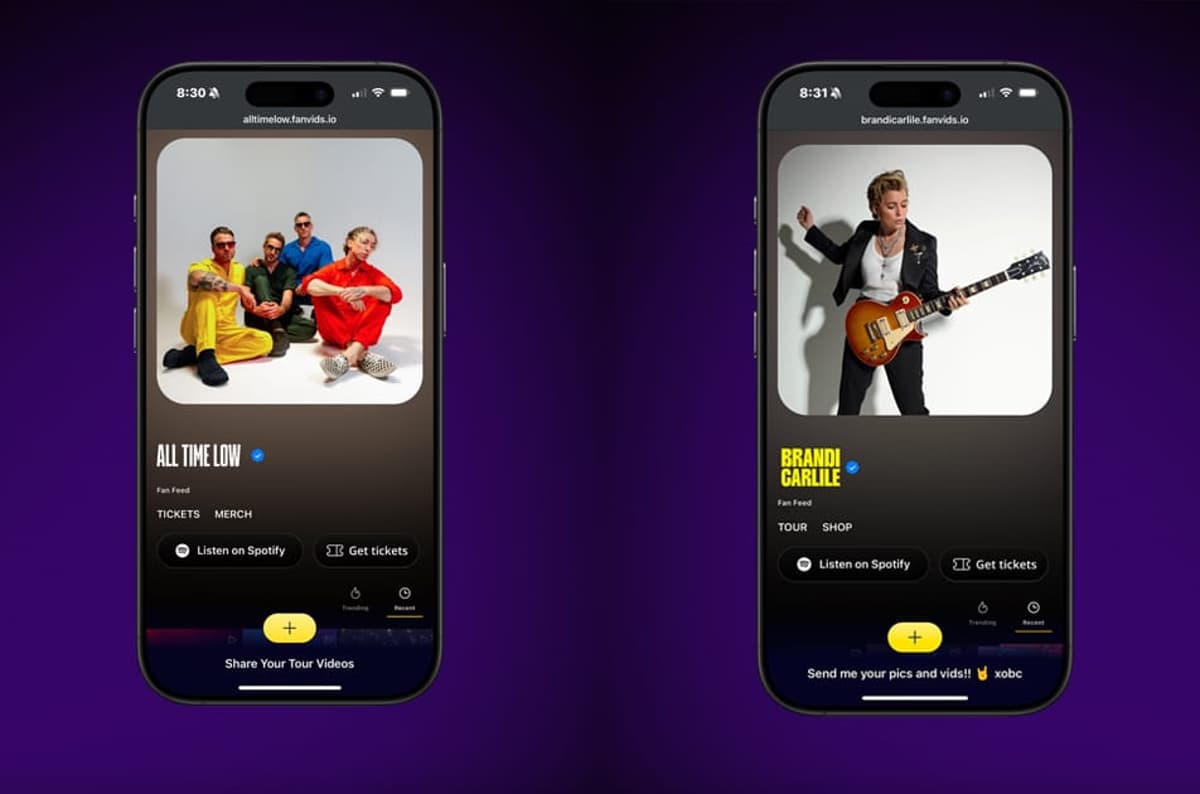
Free App FanVids Turns Live Fan Videos Into a Marketing Asset
FanVids.io launches a free app that lets musicians capture fan‑generated videos at live shows, turning spontaneous clips into first‑party data. Artists receive a dedicated domain where fans can upload and view content, bypassing social‑media algorithms. The platform integrates with CRMs,...
By Hypebot

Blog•Mar 4, 2026
Television’s Value Is Not Decided In The Ad Break
The television industry is moving from an advertising‑centric view of value to an upstream focus on intellectual property (IP) as a capital asset. While ad yield still matters, executives are now assessing financing structures, rights ownership, and extension potential before...
By TVREV

Blog•Mar 3, 2026
How To Start a Substack To Promote Your Small Business
E‑commerce brands are turning to Substack to publish editorial‑style newsletters that feel like personal essays rather than sales blasts. The platform offers free publishing, a 10% revenue share on paid subscriptions, and permanent web URLs that can be shared beyond...
By eCommerce Fastlane

Blog•Mar 3, 2026
The Accidental Ad Tech Founder: Eric Hochberger’s 20-Year Bet on the Open Web
Eric Hochberger co‑founded Mediavine in 2004 as a collection of SEO‑driven fan sites. After years of selling sidebar ads and consulting, the company built its own header bidding platform in 2014, which quadrupled revenue and shifted Mediavine into a full‑service...
By Simon Owens’ Media Newsletter

Blog•Mar 3, 2026
Google Sets $5 Daily Minimum Budget for Demand Gen Campaigns, Forcing Small Advertisers to Spend More
Google will enforce a $5‑per‑day minimum budget for all Demand Gen campaigns starting April 1, aiming to give its AI enough data during the 7‑ to 14‑day cold‑start learning phase. The rule primarily hits small advertisers who run low‑budget, hyper‑segmented tests,...
By Shopifreaks

Blog•Mar 3, 2026
Ad Tech Dominance Defines Market Power and Pricing
Digital advertising revenue is funneled through a handful of ad‑tech intermediaries that design auctions and control data flows. New research by Moradi, Cheyre and Acquisti shows that behavioral tracking often reinforces the market power of these firms, with dominant players...
By Digital Content Next (InContext/Blog)

Blog•Mar 3, 2026
X Premium Review (Formerly Twitter Blue): Is It Worth It in 2026?
X Premium, the rebranded Twitter Blue, now offers three subscription tiers ranging from $3 to $40 per month, with web purchases saving roughly a quarter over app prices. Premium subscribers enjoy a blue checkmark, longer posts, edit windows, reduced ads,...
By Neal Schaffer’s Blog

Blog•Mar 2, 2026
What Salesforce’s Consumption-Based Pricing Means for Martech
Salesforce’s Data 360 is moving to a consumption‑based pricing model, replacing the traditional seat‑and‑channel fees that have dominated Martech. The new approach charges customers only for actual data ingestion, profile unification, segmentation and activation events, making costs directly tied to...
By Salesforce Ben
Blog•Mar 2, 2026
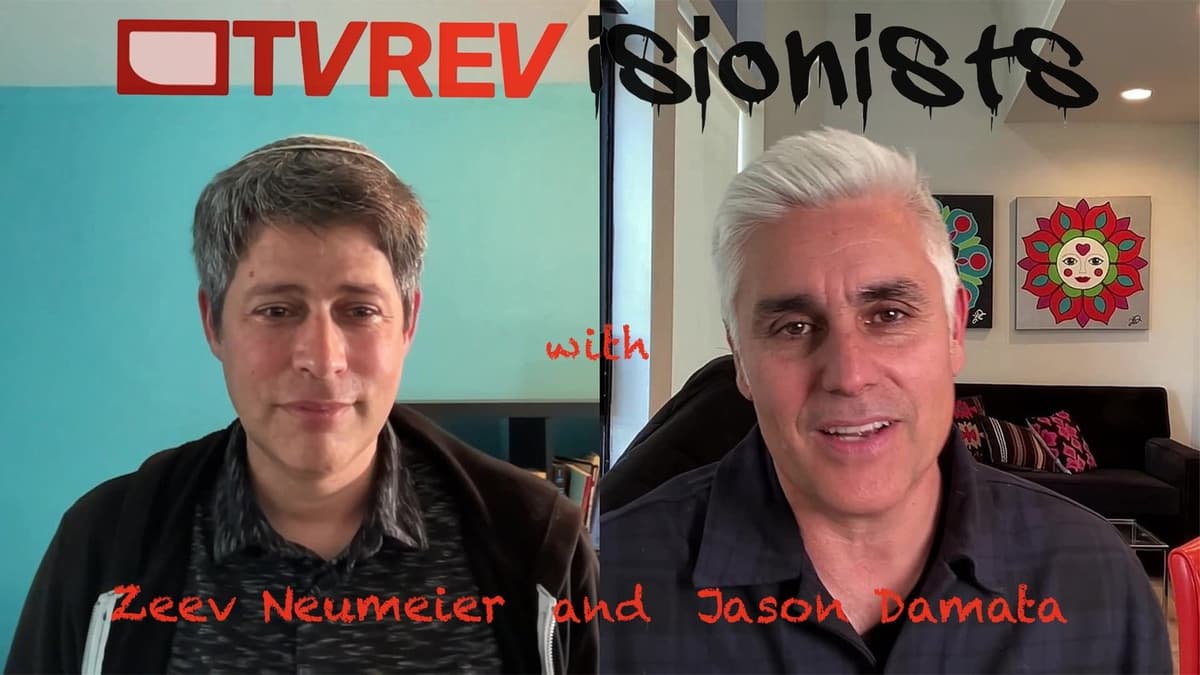
From ACR Pioneer to Agentic Ad Ops: Zeev Neumeier’s Next Act: Gray Swan
Zeev Neumeier, the co‑founder of the ACR pioneer Inscape, launched Gray Swan to bring agentic AI to the chaotic world of CTV ad operations. The platform ingests massive ad‑tech datasets, builds contextual models, and automates decisions that previously required hours...
By TVREV

Blog•Mar 2, 2026
10 Best Email List Management Tools for 2026 (Expert Comparison)
Neal Schaffer’s guide ranks the top ten email list management platforms for 2026, highlighting free‑plan generosity, automation depth, and integration capabilities. The analysis shows Sender and MailerLite provide the most generous free tiers, while tools like Klaviyo and ActiveCampaign excel for...
By Neal Schaffer’s Blog

Blog•Mar 2, 2026
Meta Ends Credit Card Payments for DTC Ad Accounts—Amazon Next?
Meta announced that, effective March 2, it will no longer accept credit card payments for high‑spend direct‑to‑consumer advertising accounts, requiring a switch to monthly invoicing by March 31. The new billing model extends a credit line based on account history...
By EcomCrew