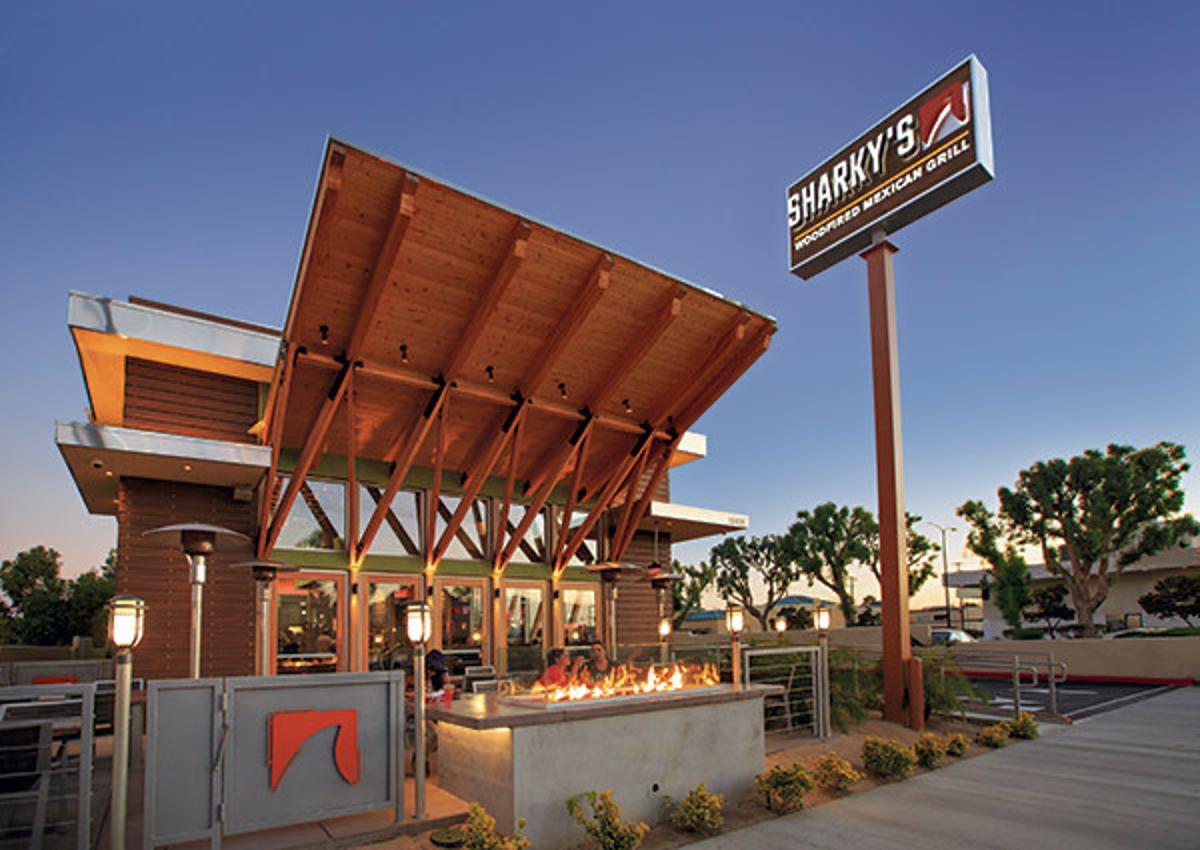
How a Multi-Location QSR Brand Drove Double-Digit Sales Growth with a $0 Influencer Budget Strategy
Key Takeaways
- •Zero‑cash trade influencer programs lifted QSR sales double‑digit
- •Non‑food creators outperformed traditional food influencers in engagement
- •Organic posts became low‑cost paid‑ad assets, cutting CPL 78%
- •Same‑store sales metrics proved social ROI beyond follower counts
- •Scalable content engine supports multi‑market QSR growth without ad spend
Pulse Analysis
The prevailing belief that restaurant brands must pour money into influencer fees and paid boosts to see results is being upended. Trade‑based influencer programs—where creators receive meals or experiences instead of cash—offer a cost‑neutral entry point that still satisfies platform algorithms. By targeting lifestyle, community, and city‑focused accounts, brands tap into hyper‑local audiences whose trust translates into higher engagement rates than traditional food influencers. This shift aligns with a broader industry trend toward performance‑based marketing, where measurable outcomes replace vanity metrics.
When organic content resonates, it becomes a ready‑made asset for paid amplification. BAM Media’s campaigns showed that a single high‑performing post could be repurposed into an ad that costs up to 78% less per result than conventional creative. The data‑driven loop—testing formats, tracking watch time, then scaling the winners—creates a virtuous cycle that drives foot traffic and boosts same‑store sales. For the fast‑growing brand with five U.S. locations, this methodology delivered an 11.3% YoY sales lift in four months, while the established Mexican kitchen saw revenue jumps of up to 24% across three months.
For multi‑unit QSR operators, the takeaway is clear: build a repeatable content engine, cultivate a diverse creator network, and tie every social activity to store‑level KPIs. By measuring check counts, entree volume, and revenue rather than follower growth, marketers can justify social spend to stakeholders and scale the model to new markets. As the cost barrier erodes, more restaurant brands are likely to adopt zero‑budget influencer strategies, making authentic, data‑backed social content a cornerstone of growth in the competitive quick‑service landscape.
How a Multi-Location QSR Brand Drove Double-Digit Sales Growth with a $0 Influencer Budget Strategy
Comments
Want to join the conversation?