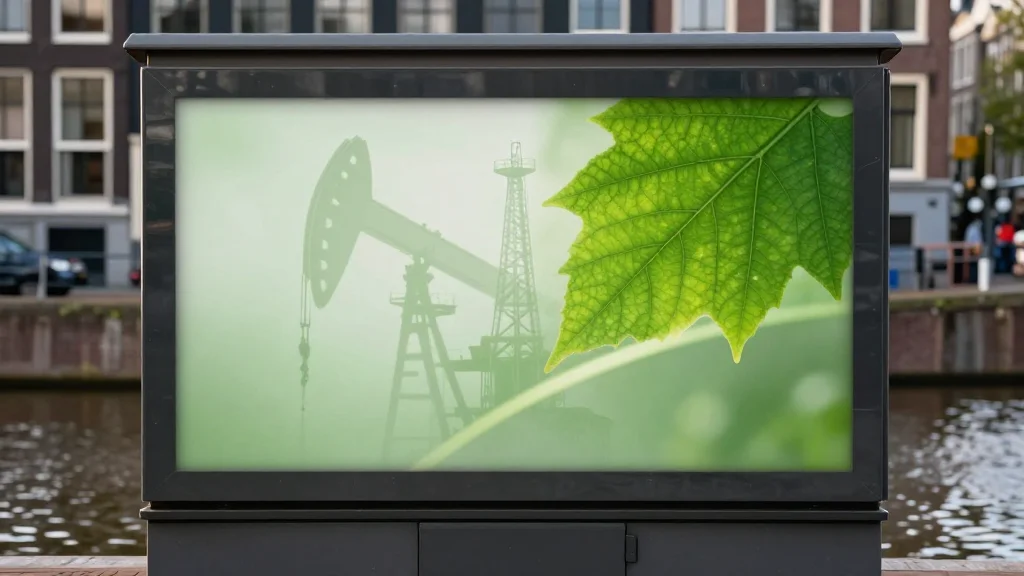
Amsterdam Bans Billboard Ads, Joining Over 50 European Cities in Outdoor Advertising Crackdown

Companies Mentioned
Why It Matters
The Amsterdam ban signals a turning point for outdoor advertising, where environmental considerations are becoming a regulatory driver. By targeting high‑carbon products, municipalities are redefining the permissible content of public spaces, forcing brands to rethink how they reach consumers. This shift could accelerate the migration of ad spend to digital platforms, intensifying competition for user attention online and prompting innovation in measurement and targeting. Moreover, the policy reflects a broader societal push to align commercial messaging with climate goals. As more cities adopt comparable bans, advertisers will need to develop unified strategies that satisfy diverse local regulations while maintaining brand consistency across markets. The resulting fragmentation may spur the growth of regional compliance services and new creative formats that emphasize sustainability.
Key Takeaways
- •Amsterdam bans billboard ads for high‑carbon products, targeting fossil‑fuel ads that represent ~4% of outdoor spend
- •Meat advertising accounts for only 0.1% of the city's outdoor ad market
- •Over 50 European cities have introduced or are considering similar restrictions since 2022
- •Brands are expected to shift portions of the €150 million annual Dutch outdoor budget to digital channels
- •Regulators are expanding the definition of harmful advertising beyond misleading claims to include environmental impact
Pulse Analysis
Amsterdam’s decision is less about immediate revenue loss and more about setting a precedent for environmentally driven advertising policy. Historically, outdoor media has been a low‑cost, high‑reach channel for mass‑market brands. By removing a segment of that inventory, cities are nudging advertisers toward data‑rich digital ecosystems where spend can be more precisely measured and aligned with sustainability narratives.
The move also mirrors the trajectory of tobacco advertising bans in the late 20th century, where public health concerns eventually reshaped the entire marketing playbook. In this case, the environmental angle is the catalyst. Brands that can credibly showcase green initiatives will likely benefit, while those tied to high‑carbon industries may face a steep learning curve. The ban could accelerate the rise of ‘green creative’ agencies that specialize in aligning brand messaging with climate goals.
From a market perspective, the ripple effect may be felt across the European ad supply chain. Outdoor media owners will need to diversify their inventory, perhaps by integrating digital out‑of‑home (DOOH) formats that can be dynamically switched off for restricted content. Meanwhile, programmatic platforms will see increased demand for inventory that complies with local regulations, prompting the development of new verification standards. In the next 12‑18 months, we can expect a cascade of policy proposals from other EU capitals, potentially culminating in a continent‑wide framework that standardizes what can be advertised in public spaces. Brands that anticipate and adapt to this evolving landscape will secure a competitive edge in both compliance and consumer perception.
Amsterdam Bans Billboard Ads, Joining Over 50 European Cities in Outdoor Advertising Crackdown
Comments
Want to join the conversation?
Loading comments...