Baby Monitor Brand Owlet Cut Back On Search – And Sales Didn’t Drop
Why It Matters
The case shows that blanket search spend can be inefficient for niche, time‑sensitive consumer tech, and that a data‑driven, parent‑centric approach can sustain growth despite regulatory hurdles.
Key Takeaways
- •Cutting generic search eliminated low‑intent clicks, preserving qualified leads
- •Intent‑focused paid media outperforms blanket channel spending for short‑window products
- •Owlet360 subscription reached 100k users by building features parents requested
- •Word‑of‑mouth drives >50% of new customers, reducing influencer spend
Pulse Analysis
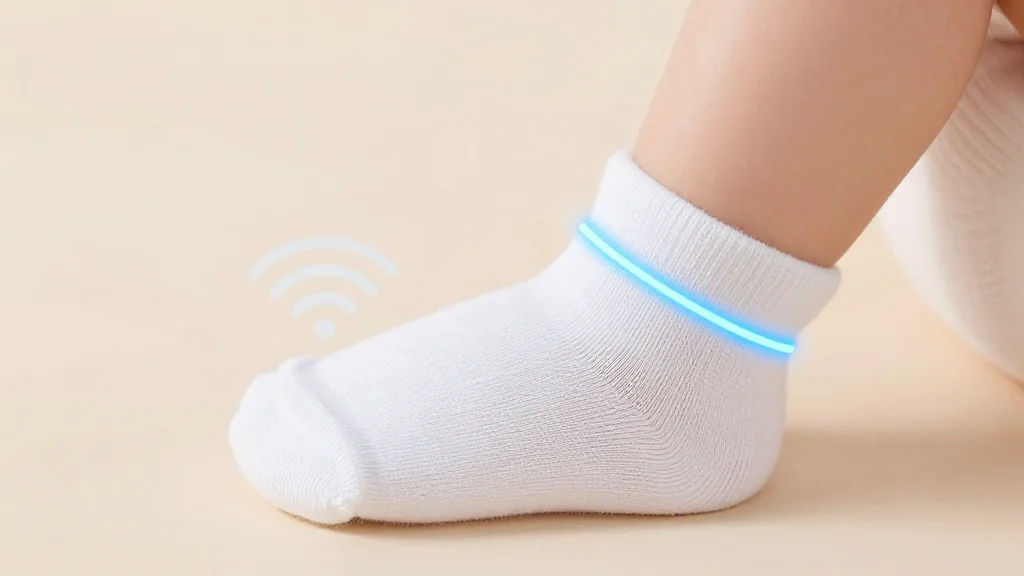
Owlet’s journey illustrates how regulatory pressure can force a startup to rethink its growth engine. After the FDA re‑classified its smart sock as a medical device in 2021, the company slashed a budget that had relied heavily on paid search and social ads. The immediate impact was a noticeable dip in overall site traffic, but a deeper analysis revealed that most of the lost visits were low‑intent users searching generic terms like “baby monitor” who were actually looking for camera‑based products. By stripping away that noise, Owlet preserved its conversion‑ready audience and avoided spending on clicks that never turned into sales.
The pivot toward intent‑based acquisition dovetailed with Owlet’s internal restructuring into a “parent org,” where product, design, customer service, and marketing operate under a single parent‑focused mission. This alignment allowed the team to listen directly to parents, leading to the launch of Owlet360—a subscription that surfaces personalized health trends rather than simply locking existing features behind a paywall. The service now serves over 100,000 subscribers, proving that building features around genuine user needs can generate recurring revenue without sacrificing trust. Moreover, the company’s reliance on organic referrals—more than half of new customers cite friends or family—means that influencer spend is minimal, further stretching a leaner media budget.
For the broader consumer‑health tech sector, Owlet’s experience offers a roadmap: prioritize high‑intent channels, integrate cross‑functional teams around the end‑user, and treat regulatory compliance as a catalyst for smarter marketing. Companies that can quickly identify and eliminate wasteful spend while deepening product‑market fit are better positioned to thrive in markets where purchase windows are short and consumer trust is paramount.
Baby Monitor Brand Owlet Cut Back On Search – And Sales Didn’t Drop
Comments
Want to join the conversation?
Loading comments...