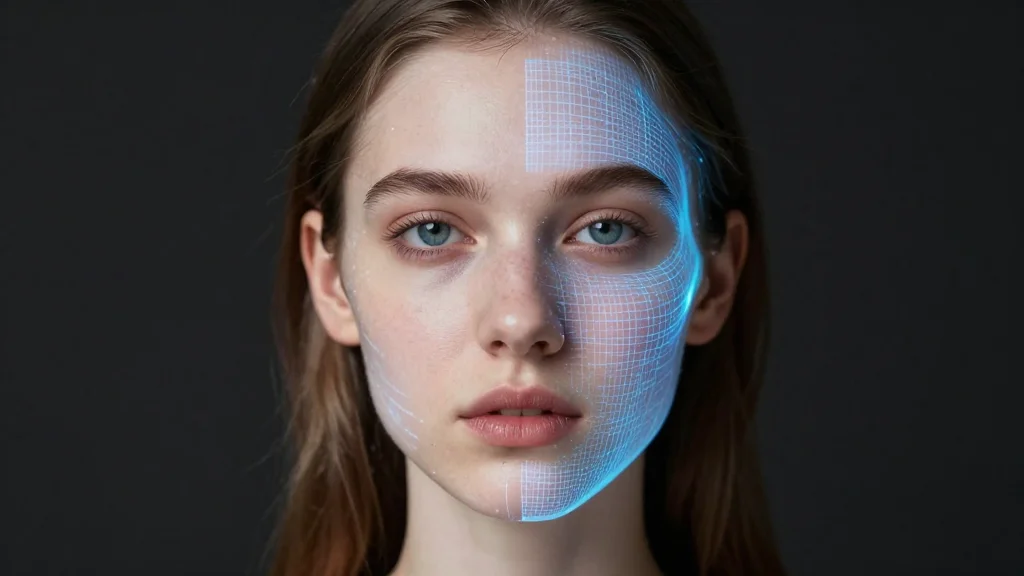
Influencer Lame Secures $975M AI Twin Deal as Brands Bet on Digital Avatars

Companies Mentioned

Why It Matters
The surge in AI‑generated influencer avatars could rewrite the economics of influencer marketing, shifting spend from human creators to scalable digital twins. Brands stand to gain consistent, data‑driven storytelling, while creators may alleviate burnout by delegating routine content to AI. At the same time, the rise of synthetic personas forces regulators, platforms and advertisers to confront disclosure norms and intellectual‑property rights, setting the stage for a new legal and ethical frontier in digital advertising. If AI twins become the default channel for brand collaborations, the balance of power could tilt toward technology providers and platform owners, reshaping revenue streams across the influencer ecosystem. Companies that master the blend of authenticity and automation may capture a disproportionate share of the projected $2 trillion creator market.
Key Takeaways
- •Lame secured a $975 million stock deal for an AI digital twin expected to generate $4 billion in annual sales.
- •Rich Sparkle Holdings' shares fell more than 90% since the January announcement.
- •YouTube now permits creators to launch AI clones for Shorts, accelerating adoption.
- •Content‑creator industry projected to grow from $314 billion to over $2 trillion by 2034.
- •Over 60% of influencers report burnout, driving demand for AI‑powered content solutions.
Pulse Analysis
The current wave of AI influencer twins marks a strategic inflection point for digital marketing. Historically, influencer value has hinged on scarcity and personal authenticity; AI twins invert that model by commoditizing the creator’s persona. Early adopters like Lame demonstrate the upside—potential multi‑billion‑dollar revenue streams—but the market’s volatility, illustrated by Rich Sparkle’s share collapse, warns of execution risk.
From a competitive standpoint, platform owners (YouTube, TikTok, Meta) are positioning themselves as the gatekeepers of AI‑clone ecosystems, which could lock brands into proprietary tools and data silos. Meanwhile, third‑party avatar studios such as HeyGen and Synthesia are racing to standardize APIs that allow seamless integration with e‑commerce and ad‑tech stacks. The winners will be those who can blend the perceived authenticity of a human influencer with the scalability of AI, while navigating emerging disclosure regulations.
Looking forward, the next twelve months will likely see two converging forces: regulatory clarity on AI‑generated endorsements and a surge in brand pilots that test ROI on avatar‑driven campaigns. Companies that invest early in robust governance frameworks and transparent consumer communication will not only mitigate legal risk but also build trust in a market where the line between real and synthetic is increasingly blurred. The ability to monetize a digital twin without sacrificing the creator’s personal brand could become the new benchmark for influencer success.
Influencer Lame Secures $975M AI Twin Deal as Brands Bet on Digital Avatars
Comments
Want to join the conversation?
Loading comments...