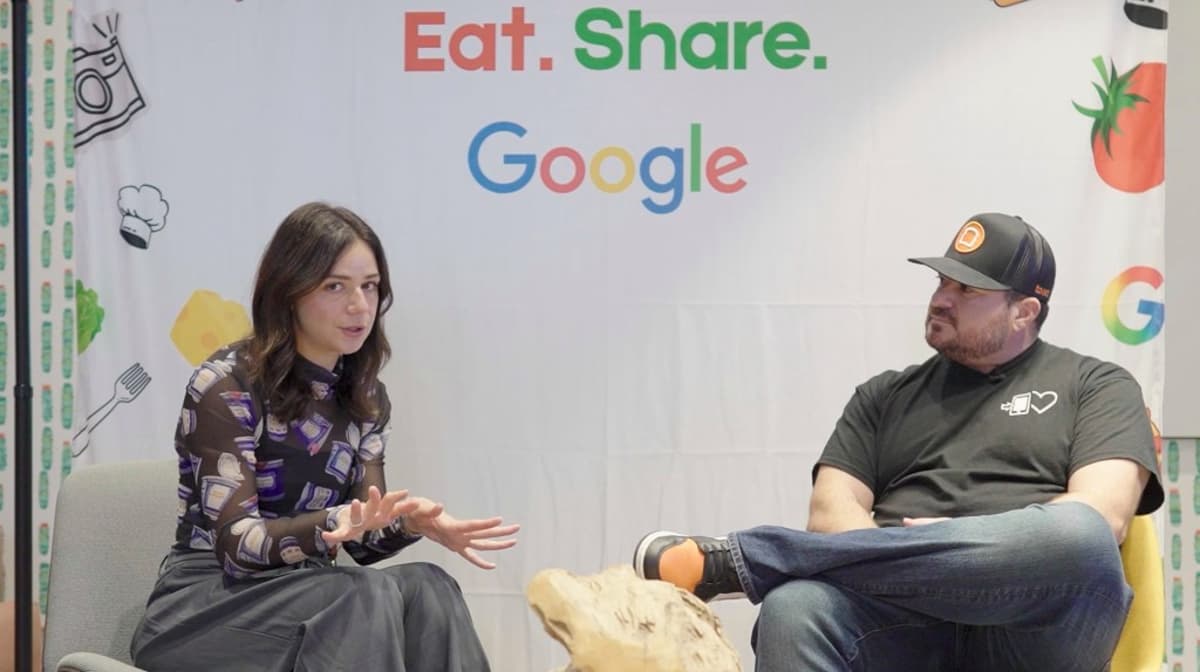
Most Restaurants Are Missing Out on the Platform That Brings Customers In — Here’s What a Google Strategist Recommends
Companies Mentioned
Why It Matters
YouTube now ranks alongside traditional listings in local search, making video presence a decisive factor for attracting diners. Restaurants that master video SEO gain a competitive edge in the attention‑driven hospitality market.
Key Takeaways
- •YouTube serves as a discovery engine for diners
- •Long‑form videos build deeper brand connections
- •Metadata and geotagging boost local search visibility
- •Leverage existing content to lower production costs
- •Partner with local creators to expand audience reach
Pulse Analysis
The restaurant industry is undergoing a digital pivot where YouTube has become the first point of contact for many diners. Unlike traditional search, video content captures ambience, chef personality, and menu highlights, allowing prospects to form an opinion before stepping foot inside. Platforms such as Google’s local search now surface YouTube videos alongside listings, meaning a well‑optimized channel can rank higher than a static website. This shift mirrors broader consumer behavior: visual discovery drives intent, and restaurants that ignore it risk losing a sizable share of the attention economy.
Successful YouTube strategies start with what restaurants already own—photos, behind‑the‑scenes clips, or short promos—and repurpose them into a channel optimized for discovery. Key technical levers include precise titles, keyword‑rich descriptions, and geolocation tags that tie each video to a specific address. Analytics provide a feedback loop: watch time, audience geography, and click‑through rates reveal which dishes or stories resonate, informing future production. Complementing owned content with collaborations from local creators injects fresh perspectives and taps into their subscriber bases, amplifying reach without massive spend.
The payoff extends beyond views; each subscriber represents a potential reservation. When a viewer watches a chef’s farm‑to‑table narrative, the emotional connection shortens the decision cycle, often translating into higher table turnover and repeat visits. Integrating YouTube data with reservation platforms enables hyper‑targeted promotions, such as geo‑fenced offers for viewers within a five‑mile radius. As AI‑driven recommendation engines evolve, restaurants that master video SEO will enjoy sustained visibility, positioning themselves as experiential brands rather than mere dining locations.
Most Restaurants Are Missing Out on the Platform That Brings Customers In — Here’s What a Google Strategist Recommends
Comments
Want to join the conversation?
Loading comments...