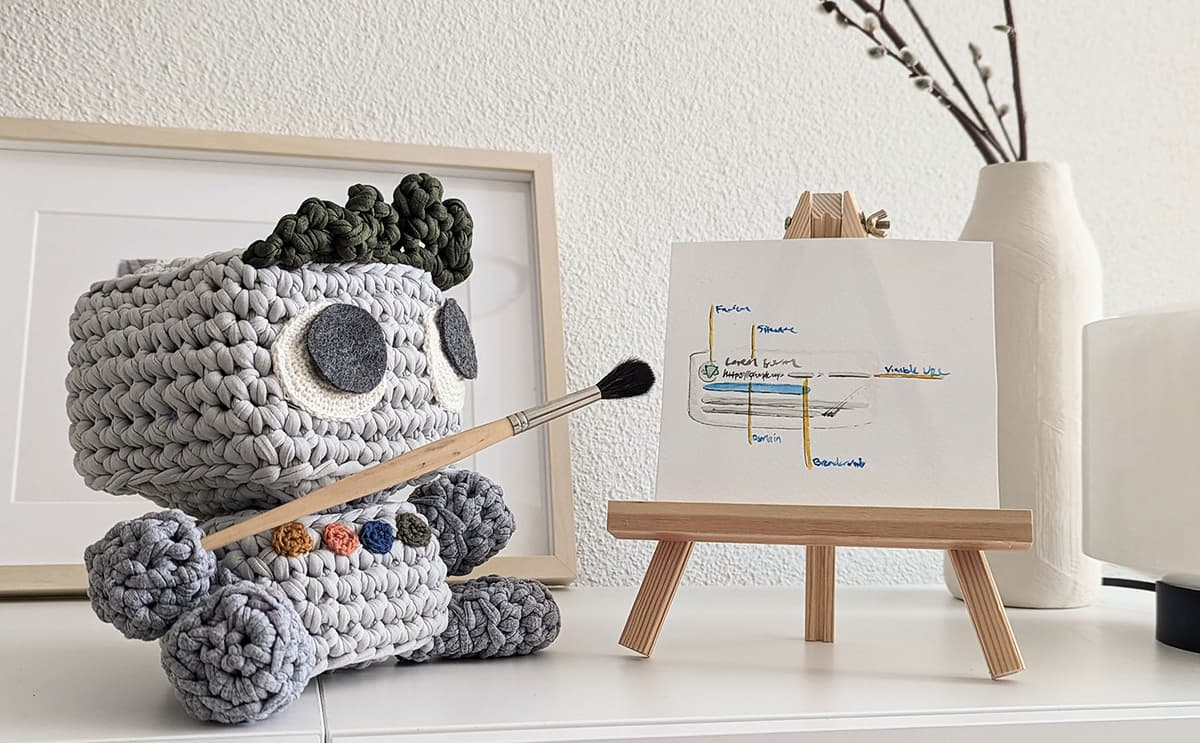
New Google Help Doc About Google's Web Crawling
•March 4, 2026
0
Why It Matters
The clarification helps site owners optimize crawl budget and protect premium content, directly influencing search visibility and indexing efficiency.
Key Takeaways
- •Google outlines nine core crawling principles.
- •Multiple specialized crawlers handle different content types.
- •Crawl frequency signals site health to Google.
- •Paywalls remain untouched without explicit permission.
- •Site owners can fine‑tune crawl directives via robots.txt.
Pulse Analysis
The search giant’s latest help page, “Things to know about Google’s web crawling,” consolidates nine frequently asked questions into a single reference for developers and SEO practitioners. While Google’s crawling infrastructure has been discussed in scattered blog posts for years, this centralized guide clarifies the role of multiple crawlers, the algorithmic scheduling that drives repeat visits, and the automatic optimization that adapts to the growing complexity of modern sites. By publishing the resource, Google signals a commitment to transparency, giving site owners a clearer picture of how their pages enter the index.
For marketers, the document reinforces two practical takeaways. First, a high crawl rate remains a proxy for Google’s confidence in a site’s relevance and technical health; sudden drops often precede visibility losses. Second, the explicit statement that Google respects paywalls and robots directives means that proper use of meta tags, X‑Robots‑Tag headers, and robots.txt can reliably shield premium content while still allowing public pages to be crawled. This reduces the need for complex workarounds and aligns pay‑wall strategies with Google’s crawling policies.
Looking ahead, the automated optimization mentioned in the guide suggests that Google will continue to allocate crawl budget dynamically, favoring sites that deliver fresh, high‑quality signals. Webmasters should therefore prioritize structured data, fast server responses, and clear sitemap submissions to stay in the crawler’s favor. As the web evolves with richer media and interactive frameworks, the multi‑crawler architecture will likely expand, making it essential for developers to monitor crawl stats in Search Console and adjust directives proactively. The new help page serves as a baseline reference for these ongoing adjustments.
New Google Help Doc About Google's Web Crawling
0
Comments
Want to join the conversation?
Loading comments...