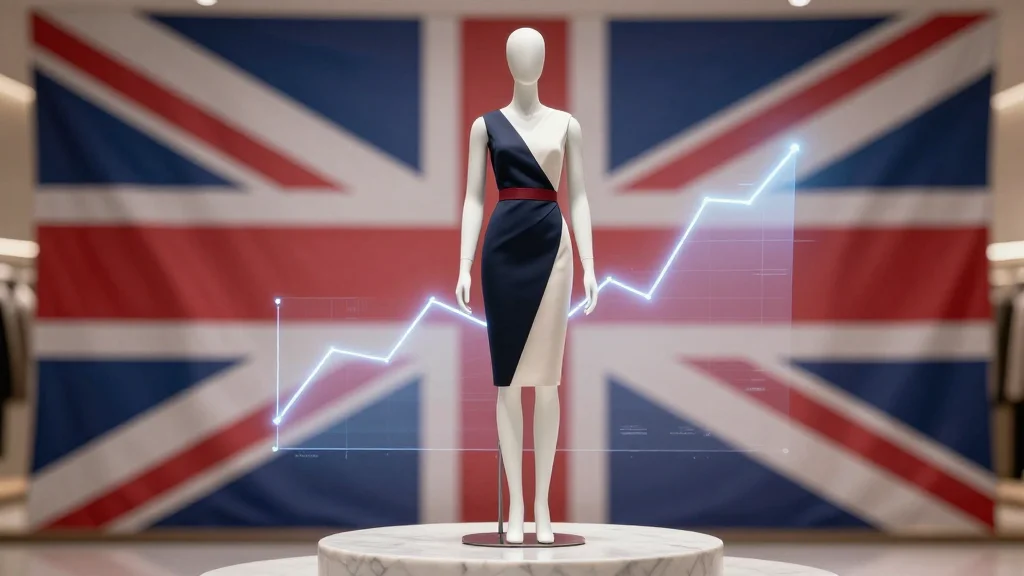
Nordstrom Teams with Marks & Spencer to Relaunch U.S. Fashion Line After 25‑Year Hiatus


Why It Matters
The Nordstrom‑Marks & Spencer partnership illustrates how data‑centric strategies can revive legacy brands in a highly competitive digital landscape. By leveraging Nordstrom’s omnichannel infrastructure, M&S can test market fit, refine its messaging, and scale efficiently, reducing the risk associated with traditional brick‑and‑mortar expansion. For the broader digital‑marketing ecosystem, the deal showcases the growing importance of asset‑light wholesale models, real‑time analytics, and personalized content in driving consumer adoption for heritage brands. Furthermore, the collaboration highlights a shift in how retailers view international growth: instead of heavy capital deployment, they are opting for partnership‑driven entry points that allow rapid iteration based on measurable outcomes. This approach could accelerate the pace at which other legacy brands re‑enter markets, reshaping competitive dynamics across fashion, beauty, and consumer goods sectors.
Key Takeaways
- •Nordstrom will carry a curated M&S women’s‑wear capsule in 30 U.S. stores and online.
- •The collection includes over 60 SKUs, featuring the Per Una label.
- •M&S reports 13% U.S. consumer awareness of its fashion line, with 51,000 annual website shoppers.
- •The partnership uses an asset‑light wholesale model, avoiding new store construction.
- •Data‑driven omnichannel tactics will guide inventory, pricing, and marketing decisions.
Pulse Analysis
Marks & Spencer’s re‑entry via Nordstrom is a textbook example of how legacy retailers can harness modern digital‑marketing tools to mitigate historic entry barriers. The brand’s previous U.S. failure was rooted in a lack of localized insight—misaligned sizing, pricing, and brand perception. By contrast, the current strategy embeds M&S within an existing retail ecosystem that already captures rich shopper data, enabling rapid hypothesis testing and agile campaign adjustments. This reduces the capital outlay and shortens the feedback loop, a critical advantage in a market where consumer preferences shift weekly.
From a competitive standpoint, the move puts pressure on other heritage brands that have relied on traditional expansion models. Companies like Burberry and Barbour have already experimented with pop‑up concepts and digital‑first launches; M&S’s partnership could accelerate a broader industry trend toward collaborative, data‑first market entries. The success of the pilot will likely be measured not just by sales volume but by engagement metrics—click‑through rates, social sentiment, and loyalty‑program enrollment—providing a richer picture of brand health.
Looking forward, the partnership could evolve into a deeper integration, with Nordstrom potentially co‑creating exclusive M&S lines based on U.S. consumer trends uncovered through AI‑driven analytics. Such a development would blur the lines between wholesale and private label, offering a blueprint for future cross‑border collaborations that prioritize speed, relevance, and measurable ROI over sheer scale.
Nordstrom Teams with Marks & Spencer to Relaunch U.S. Fashion Line After 25‑Year Hiatus
Comments
Want to join the conversation?
Loading comments...