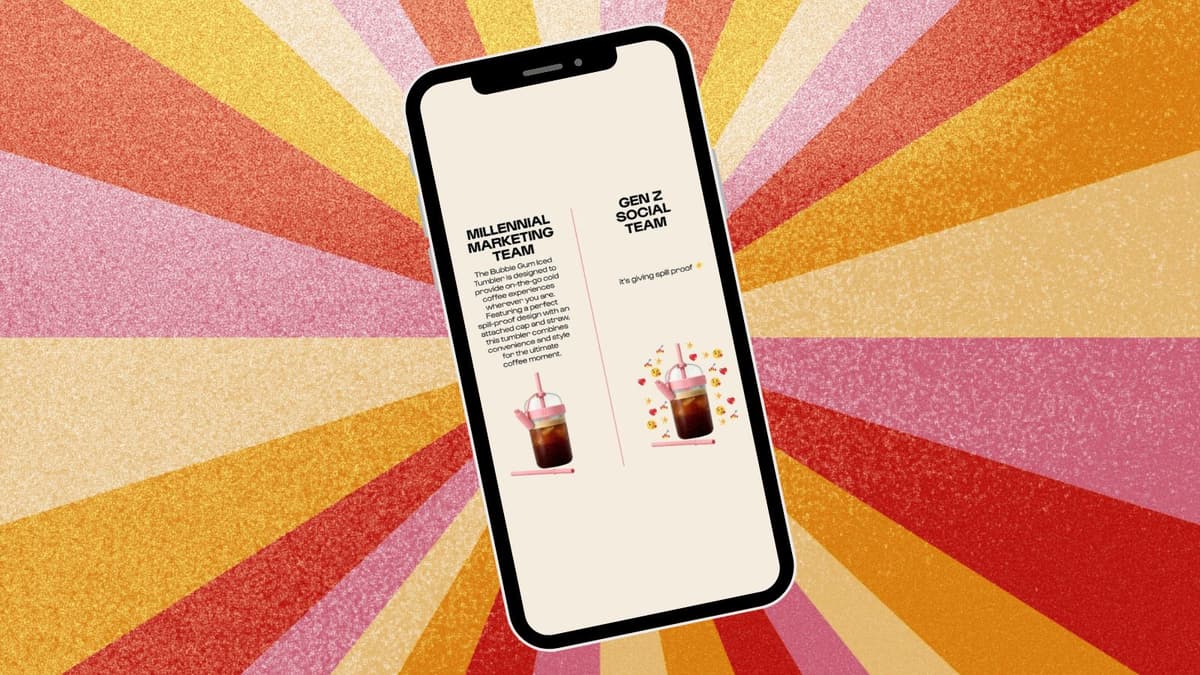
Sorry Millennials, Gen Z Isn’t Reading All that Copy
Companies Mentioned
Why It Matters
Understanding and adapting to generational language cues can boost engagement and conversion, making copy personalization a competitive advantage in digital marketing.
Key Takeaways
- •Brands split copy to match Millennial storytelling, Gen Z brevity
- •Emoji‑heavy, lowercase captions boost Gen Z engagement
- •Millennials still prefer detailed, polished narratives
- •Inauthentic tone risks brand credibility across generations
- •Tailored language drives higher conversion on social platforms
Pulse Analysis
The rise of generationally segmented copy reflects deeper shifts in how digital natives consume content. Gen Z, raised on TikTok and Snapchat, processes information in bite‑sized, visually driven formats, favoring emojis, slang, and lowercase aesthetics that signal authenticity. Millennials, meanwhile, grew up with longer-form blogs and email newsletters, valuing narrative depth and polished language. Marketers who ignore these preferences risk alienating both cohorts, as each group interprets tone and brevity differently.
Brands are putting theory into practice by launching twin campaigns that speak directly to each audience. American Express posted a sleek, data‑rich carousel for Millennials, while its Gen Z counterpart featured a quick, meme‑style video with playful captions. Similar dual approaches appear in Crocs’ Instagram reels, DBS Bank’s carousel ads, and Nespresso’s story highlights. Early engagement metrics suggest higher click‑through rates on the Gen Z versions—often 15‑20% above the Millennial posts—while the longer narratives maintain stronger brand recall among older consumers.
Strategically, the lesson for marketers is clear: language is a lever as powerful as visual design. Successful campaigns start with audience segmentation, then craft tone, length, and visual cues that align with each group’s media habits. Brands should test variations, monitor sentiment, and avoid forced slang that can appear disingenuous. As Gen Z’s purchasing power expands, the ability to converse in its native digital dialect will become a core competency for any company aiming to stay relevant in a fragmented social landscape.
Sorry millennials, Gen Z isn’t reading all that copy
Comments
Want to join the conversation?
Loading comments...