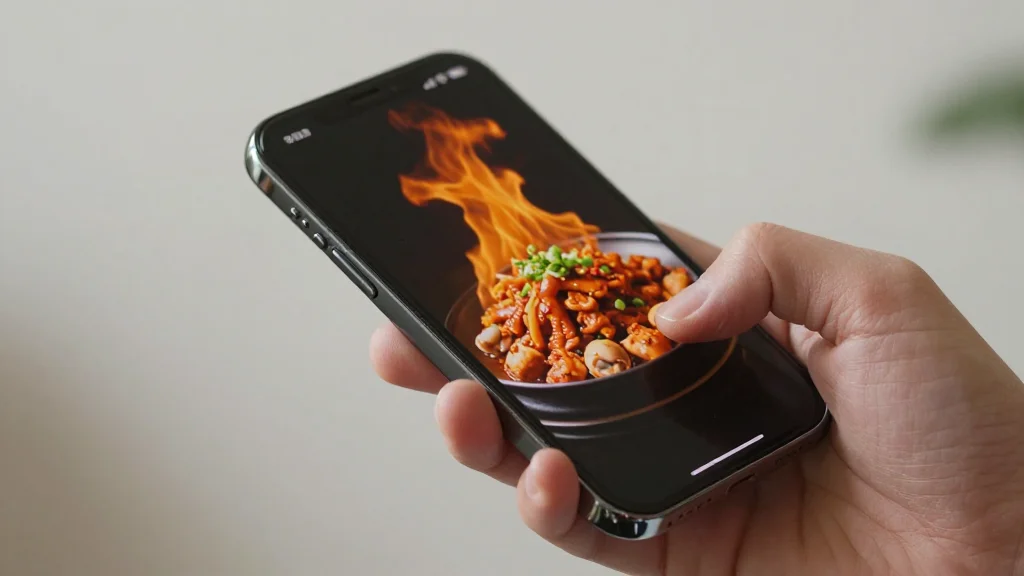
TikTok Food Reviews Rife with Hyperbole and Hidden Sponsorships, Analysis Finds

Companies Mentioned
Why It Matters
The findings highlight a growing tension between the speed of short‑form content creation and the regulatory standards that protect consumers from deceptive advertising. As influencer marketing accounts for a larger slice of digital ad spend, undisclosed sponsorships on platforms like TikTok could trigger legal scrutiny and erode brand equity. Moreover, the reliance on sensational adjectives to drive sales underscores how algorithmic amplification can reward style over substance, potentially reshaping consumer expectations of authenticity. For marketers, the article serves as a cautionary tale: without rigorous vetting and transparent partnership agreements, campaigns risk being tainted by the very hype they seek to harness. For platforms, the pressure mounts to develop automated detection tools and enforce disclosure policies that keep pace with the rapid evolution of creator culture.
Key Takeaways
- •Slate analysis logged the 200th use of "fire" in a single day of FoodTok reviews
- •Research links sensory adjectives to up to 15% lift in conversion rates
- •FTC guidelines require clear disclosure of paid partnerships, which many creators omit
- •Brands report difficulty justifying spend due to vague, hyperbolic claims
- •TikTok plans a new sponsorship labeling system for Q4 2026
Pulse Analysis
The surge of FoodTok content reflects a broader shift in digital marketing toward bite‑size, emotionally charged storytelling. Historically, food criticism relied on nuanced prose; today, algorithmic incentives reward rapid, attention‑grabbing descriptors. This evolution creates a feedback loop: creators double‑down on hyperbole to capture views, platforms amplify the most sensational clips, and brands chase the resulting spikes in engagement. The Slate investigation surfaces the friction point—when the line between genuine recommendation and paid promotion blurs, consumer trust erodes.
From a competitive standpoint, TikTok’s lax enforcement of disclosure rules puts it at odds with emerging industry standards. Competitors such as Instagram Reels and YouTube Shorts have begun integrating mandatory sponsorship tags, positioning themselves as safer venues for brand collaborations. If TikTok fails to close the transparency gap, advertisers may diversify spend toward platforms with clearer compliance pathways, potentially reshaping the influencer‑marketing landscape.
Looking forward, the FTC’s anticipated guidance could force a recalibration of creator contracts, prompting brands to demand more granular reporting and enforce stricter audit trails. TikTok’s upcoming labeling system may mitigate some risk, but its effectiveness will depend on enforcement rigor and creator buy‑in. Marketers should proactively audit existing FoodTok partnerships, embed clear disclosure clauses, and monitor sentiment analytics for signs of artificial hype. In an ecosystem where a single adjective can sway millions, the balance between creative freedom and regulatory compliance will define the next chapter of digital food marketing.
TikTok Food Reviews Rife with Hyperbole and Hidden Sponsorships, Analysis Finds
Comments
Want to join the conversation?
Loading comments...