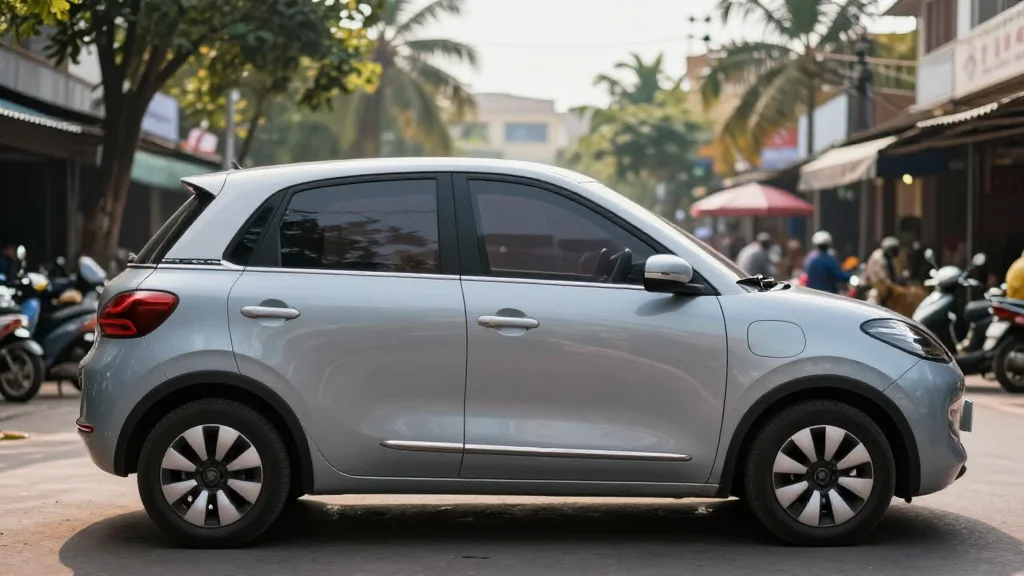
Iran-Israel Conflict Boosts Used EV Demand in Vietnam and Southeast Asia

Companies Mentioned
Why It Matters
The war‑driven EV demand highlights how geopolitical shocks can quickly reshape consumer behavior in emerging economies, where fuel price volatility has a outsized impact on transportation choices. A sustained shift toward electric mobility could accelerate the decarbonisation of Southeast Asian transport, reduce reliance on imported oil, and create new revenue streams for local distributors and global manufacturers alike. However, the rapid price escalation also risks pricing out lower‑income buyers, potentially widening the gap between affluent early adopters and the broader population. If the surge proves durable, investors may see heightened interest in used‑EV platforms, battery‑recycling firms, and regional charging‑infrastructure projects. Conversely, supply‑chain bottlenecks and price spikes could invite regulatory scrutiny and prompt governments to intervene with subsidies or import‑tariff adjustments to stabilize the market.
Key Takeaways
- •War on Iran pushes used EV sales frequency from one every two months to one every two weeks.
- •Mid‑range used EV prices ($20k‑$50k) rise 10‑15%, with some listings up 20%.
- •Vietnam’s Vinfast records a 127% YoY sales jump in March; Japan and South Korea see near‑tripling sales.
- •Analyst Euan Graham cites the Iran conflict as the latest of two major fossil‑fuel shocks accelerating EV adoption.
- •Supply constraints lead dealers in Australia and Vietnam to report stock shortages and queuing customers.
Pulse Analysis
The Iran‑Israel war has acted as a catalyst that compresses the timeline for EV adoption in markets that were previously lagging due to price sensitivity. Historically, energy crises—most notably the 1970s oil shocks and the post‑Ukraine war surge in fuel costs—have spurred temporary spikes in alternative‑fuel vehicle sales, but the current environment combines sustained high fuel prices with a maturing second‑hand EV market. This convergence lowers the total cost of ownership for consumers who can now acquire a used EV at a price point that rivals a new internal‑combustion vehicle, especially when fuel price differentials exceed $0.30 per litre.
From an investment perspective, the rapid turnover of used EVs creates a nascent but lucrative aftermarket ecosystem. Platforms like Amazing EV and traditional dealers such as EVDirect are positioned to capture margin upside, while battery‑recycling firms stand to benefit from increased turnover of older packs. However, the upside is tempered by supply‑chain fragilities: global chip shortages, limited battery cell capacity, and the need for localized charging infrastructure could constrain growth if not addressed swiftly.
Looking ahead, policy responses will be pivotal. Governments in Vietnam, Thailand, and the Philippines have hinted at subsidies for EV purchases and tax breaks for charging station deployment. If these incentives align with the market’s momentum, the region could see a structural shift toward electrified fleets within the next five years, reshaping everything from urban logistics to public transport. Absent coordinated policy and supply‑chain investment, the surge may flatten, leaving a temporary price premium that could deter broader consumer uptake.
Iran-Israel Conflict Boosts Used EV Demand in Vietnam and Southeast Asia
Comments
Want to join the conversation?
Loading comments...