Amid Increased Arrests and Deportations, an Immigrant Artist Confronts Fear Through Street Art
Companies Mentioned
Why It Matters
The art transforms hostile enforcement environments into spaces of collective solidarity, amplifying immigrant and queer voices that are often marginalized in policy debates. It demonstrates how low‑cost, accessible creativity can shape public discourse and strengthen community resilience.
Key Takeaways
- •LA immigration raids spark heightened fear in Latino neighborhoods
- •Toruño’s posters turn walls into public prayers and resistance
- •Free downloadable art expands reach beyond Los Angeles
- •Work blends Salvadoran diaspora experience with queer advocacy
- •Street art provides accessible, immediate community infrastructure
Pulse Analysis
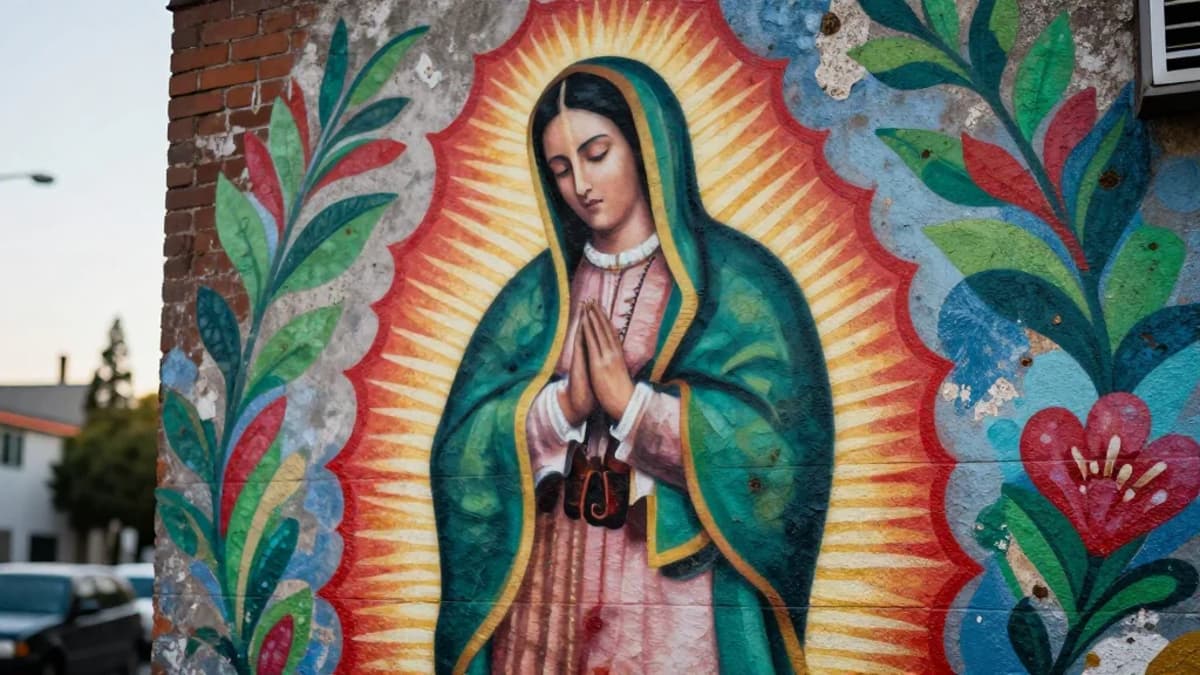
The surge in federal immigration enforcement across Los Angeles has turned everyday neighborhoods into zones of anxiety, with raids and deportations disrupting community cohesion. While policymakers debate the legality and ethics of these actions, the visual landscape of the city offers a parallel narrative: street art that directly addresses the lived realities of those targeted. By placing a prayer to the Virgen de Guadalupe on a downtown wall, Toruño not only documents fear but also provides a focal point for collective hope, turning a public surface into a sanctuary of shared concern.
Toruño’s artistic trajectory reflects the convergence of personal history and activist intent. Growing up after fleeing El Salvador’s civil war, she internalized walls as communal diaries, a tradition she now reinterprets through the Unapologetic Street Series. Her process—designing on an iPad, printing large‑format posters, and installing them instantly—prioritizes speed and accessibility. Approximately ninety percent of her work is free to download, allowing activists worldwide to reproduce the imagery, from Los Angeles to Bologna. This model democratizes cultural production, bypassing institutional gatekeepers and ensuring that messages of immigration justice and queer survival reach diverse audiences.
The broader implication of Toruño’s practice is a reminder that public art can function as civic infrastructure. By embedding political prayer and protest into everyday streetscapes, she creates low‑cost, high‑visibility platforms that invite passersby to pause, reflect, and engage. As cities grapple with increasing polarization, such grassroots visual interventions offer a template for other marginalized groups seeking to claim space without relying on formal channels. The durability of a poster may be fleeting, but its impact—sparking dialogue, fostering solidarity, and reshaping the narrative around immigration—can endure far beyond the adhesive that holds it to the wall.
Amid increased arrests and deportations, an immigrant artist confronts fear through street art


Comments
Want to join the conversation?
Loading comments...