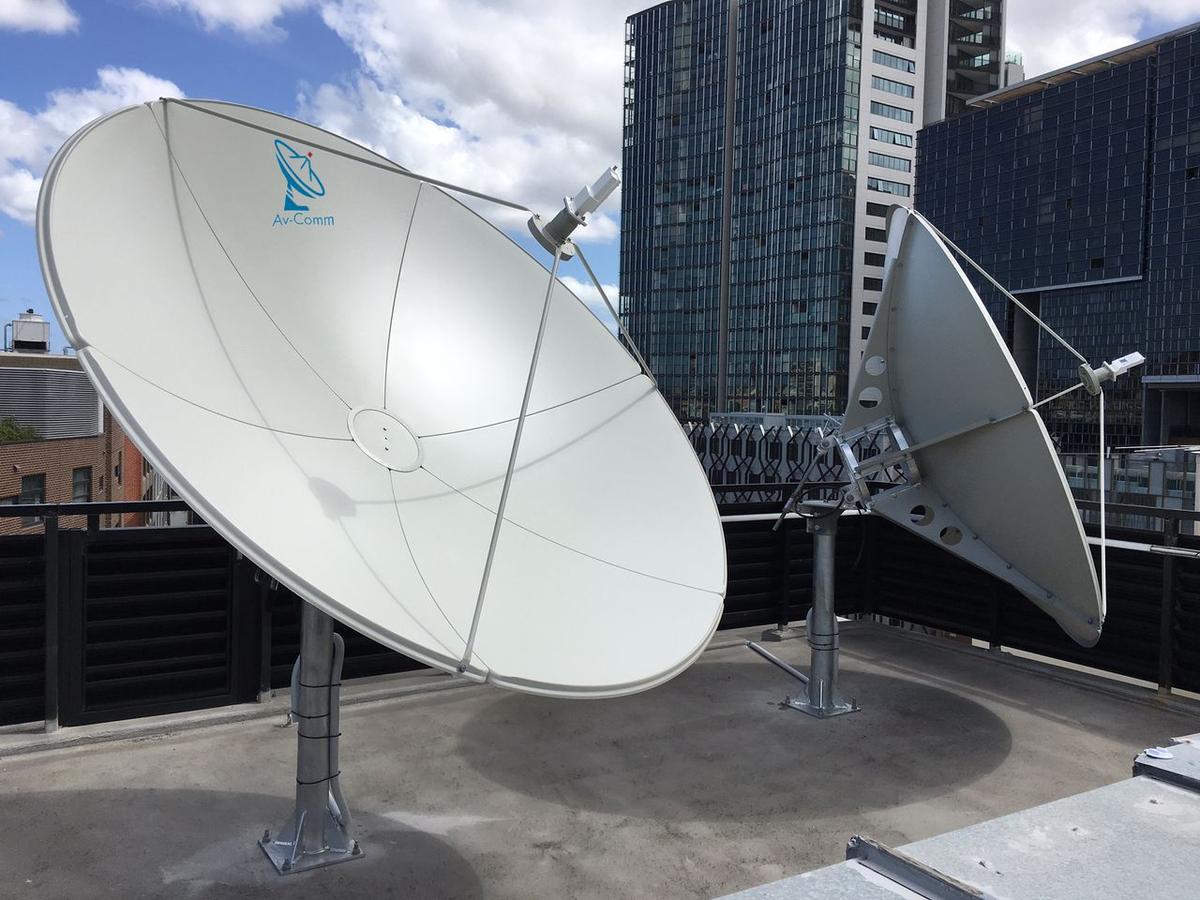
Are Broadcasters About to Be Handed a Much-Needed Investment to Upgrade Their Distribution Infrastructure?
Why It Matters
Government‑backed spectrum reallocation would lower operating expenses and unlock hyper‑local monetization, accelerating the broadcast industry's transition to flexible, cost‑effective IP distribution.
Key Takeaways
- •FCC may reassign upper C‑band for mobile services
- •Potential funding mirrors $81 billion lower C‑band auction
- •IP distribution cuts satellite costs and adds local ad flexibility
- •Distributed playout servers increase reliability and redundancy
- •Modernization future‑proofs broadcasters against spectrum shifts
Pulse Analysis
The Federal Communications Commission’s potential reallocation of the upper C‑band marks a pivotal moment for broadcast distribution. The 2020 lower‑C‑band auction, which fetched about $81 billion, set a precedent by pairing spectrum reassignment with targeted subsidies that forced a rapid migration to IP‑based contribution workflows. Replicating that model for the upper band would give broadcasters a rare infusion of capital precisely when legacy satellite systems are becoming financially burdensome and technologically obsolete.
Transitioning to IP distribution reshapes the technical backbone of television delivery. Instead of relying on high‑cost, centralized satellite uplinks, stations can deploy lightweight playout servers or cloud instances at local head‑ends, pulling content, schedules, and metadata over standard IP networks. This architecture slashes satellite lease fees, enables real‑time local ad insertion, and introduces multipath redundancy that dramatically reduces on‑air failures. Moreover, a unified IP pool can serve linear, streaming, FAST and VoD channels, consolidating silos and simplifying operations.
From a business perspective, the shift promises both cost savings and new revenue avenues. Hyper‑local advertising becomes scalable, allowing station groups to sell region‑specific spots without costly satellite re‑feeds. Government‑backed funding would offset capital expenditures, accelerating adoption across the industry. Early adopters like BCNEXXT’s Vipe platform demonstrate how distributed, IP‑centric playout can future‑proof broadcasters against further spectrum reallocations and evolving viewer habits, positioning them for a decade of agile, resilient distribution.


Comments
Want to join the conversation?
Loading comments...