Today's Global Economy Pulse
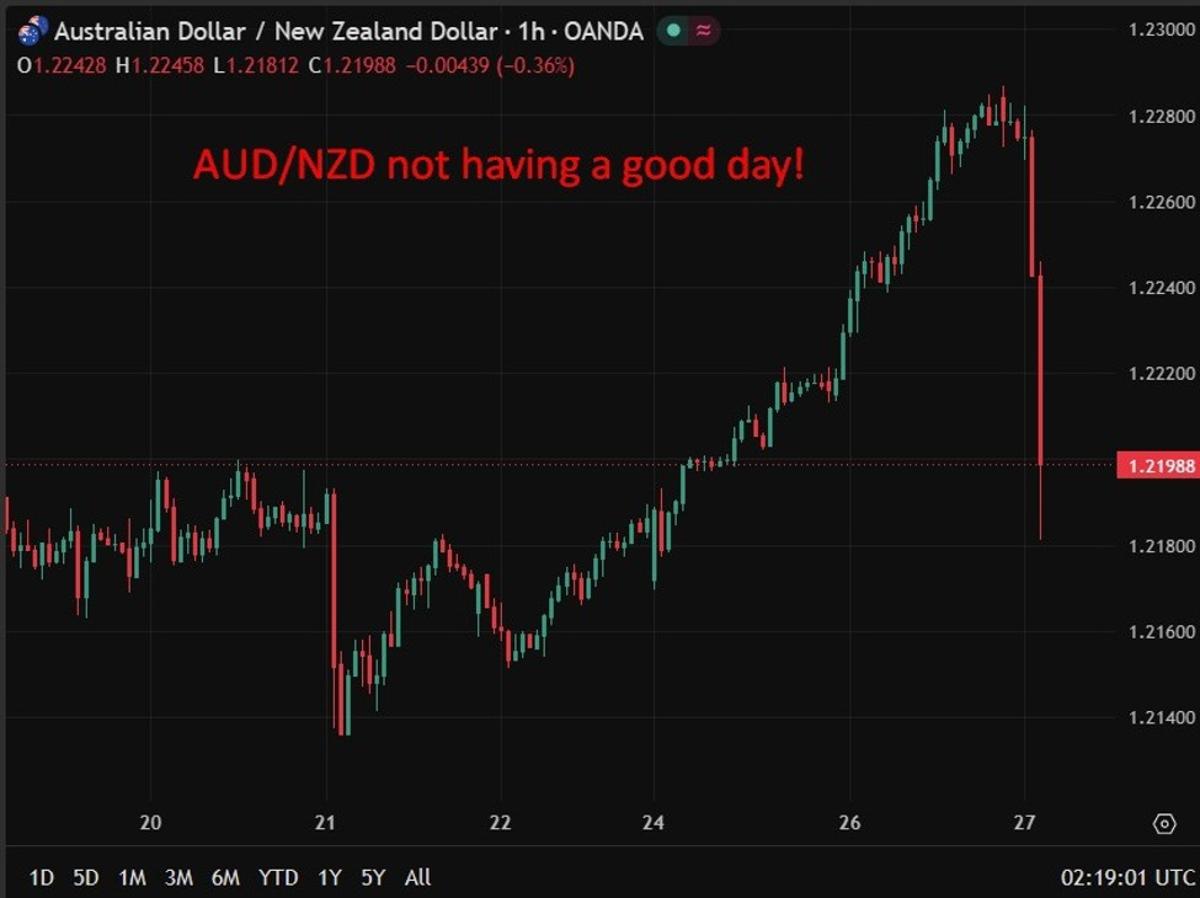
Australia's April CPI eases to 4.2% as fuel cuts mask rising core inflation
The consumer price index slipped to a 4.2% annual rise in April, missing the 4.4% forecast, helped by a temporary fuel excise cut that lowered transport costs. Meanwhile, the trimmed‑mean core inflation gauge rose to 3.4% year‑over‑year, the highest level since late‑2024, keeping pressure on the Reserve Bank of Australia’s policy outlook.

Placer.ai Macroeconomic Indicators Recap, April 2026: Resilient Retail Demand – Placer.ai Blog
Retail foot traffic in the United States rose for a seventh consecutive month in April 2026, defying higher gasoline prices and lingering macro uncertainty. At the same time, the Placer.ai E‑commerce Distribution Index recorded a 20.5% year‑over‑year jump, indicating a strong shift toward online shopping. Industrial foot traffic softened despite record manufacturing investment and a 52% surge in Q1 net absorption, reflecting a move toward automation‑focused facilities. The combined data suggest consumer demand remains robust even as sentiment surveys turn pessimistic.
Most “Inflation Hedges” Fail Against Core Cost Spikes
Investors worry about #Inflation .. The industry knows it, and sells them a solution. The problem? Most assets sold as inflation hedges only protect against about 9% of your cost of living. New research finds that equities, gold, property funds and commodities...

Trump-Xi Summit Puts Rare‑Earth Mineral Tensions Front‑and‑Center
U.S. President Donald Trump and Chinese President Xi Jinping met in Beijing to discuss trade, security and rare‑earth minerals, with Washington pressing Beijing to ease supply‑chain pressure on critical mining inputs. The talks come amid broader Middle‑East turmoil and a...
India's Retail Inflation Edges up to 3.48% in April as Food Prices Firm Up
India’s retail inflation rose to 3.48% in April, up from 3.4% in March, driven by a rebound in food prices that pushed food inflation to 4.20%. The new CPI series, introduced earlier this year, recorded its highest reading under the...

China Axes Tariffs for African Imports, but What Does This Mean for South African Wine?
From May 1, China eliminated tariffs on products from 53 African nations under the China‑Africa Economic Partnership Agreement, including South African wine. The first tariff‑free shipment saw 6,000 bottles cleared at Shenzhen Bay, removing a 14‑20% duty. The pact runs until...
Eurodollar Market Faces Stress as Energy Shock Fuels Swap and Futures Strain
Jeff Snider of Eurodollar University warned that the Eurodollar system is under growing strain from energy price volatility and geopolitical risk, threatening dollar‑funded interest‑rate swaps and Eurodollar futures. He highlighted Brent crude at $130 a barrel and futures near $75,...
Trump Says Iran Ceasefire on 'Massive Life Support' As Markets Tumble
U.S. President Donald Trump warned that the fragile cease‑fire between Washington and Tehran is on "massive life support," sparking a sell‑off in European equities and raising fresh doubts about the war's trajectory. The comment comes as oil prices surge and...
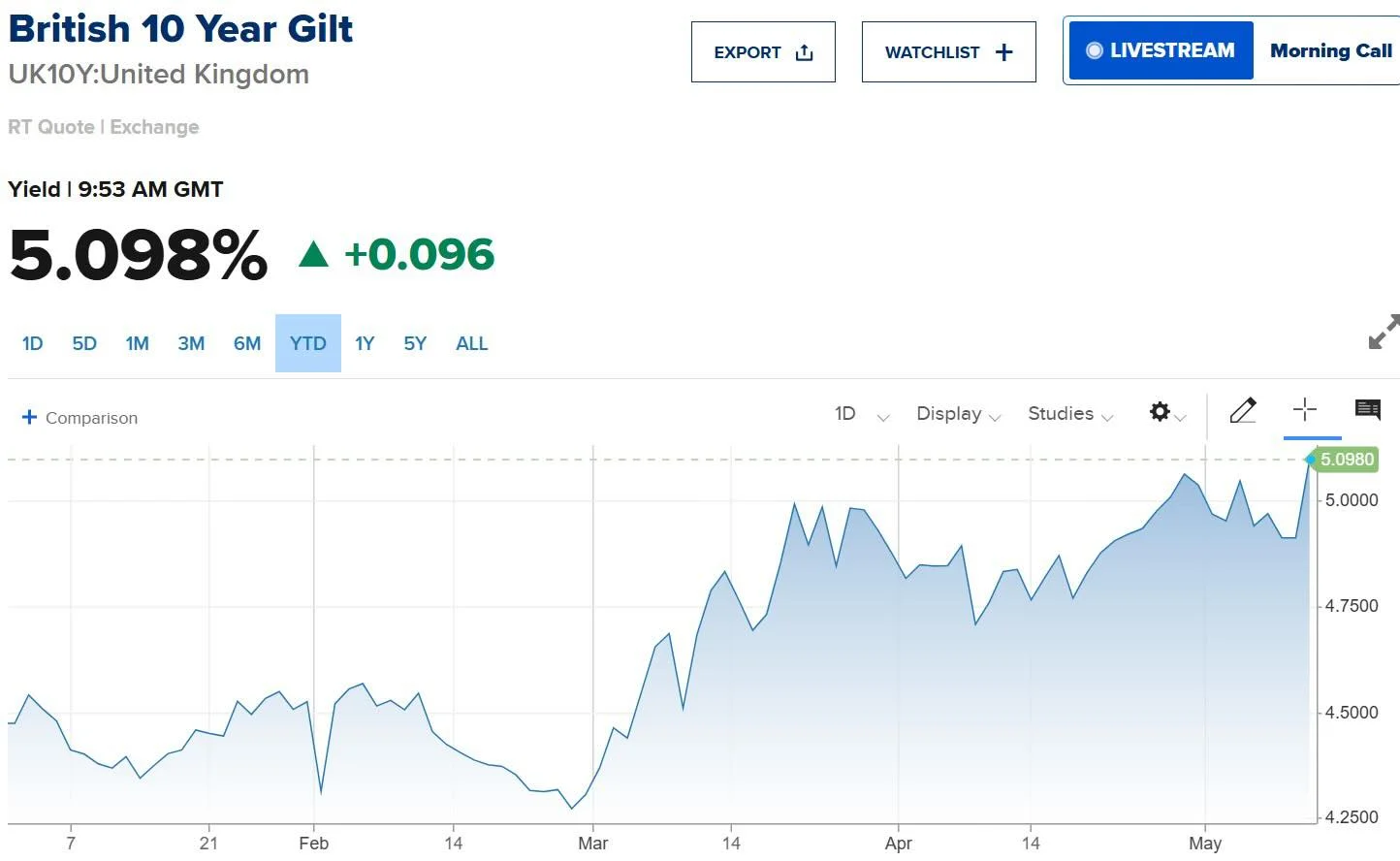
UK Political Uncertainty Drives Gilts Yield to 5.10%
Uncertain British politics = another step up in UK government bond yields. (This morning's selloff is sizeable, pushing the 10-year yield to 5.10%.) #economy #Markets #Gilts #UKEconomy #bonds #uk
Dollar Rises on Trump’s Iran Rejection, Safe‑Haven Demand Surges
President Donald Trump’s rejection of Iran’s response to a U.S. peace proposal pushed the dollar index to 97.99, lifting the greenback against major peers. The move sparked a rally in safe‑haven demand, lifted Brent crude to $104.94 a barrel and...
Kazakhstan Q1 GDP Grows 3% YoY as Oil Output Slumps 20%, Raising Growth Concerns
Kazakhstan posted a 3% year‑on‑year GDP increase in the first quarter of 2026, down from 5.6% a year earlier. The slowdown is driven by a near‑20% fall in oil output and a negative industrial balance, while manufacturing and transport show...
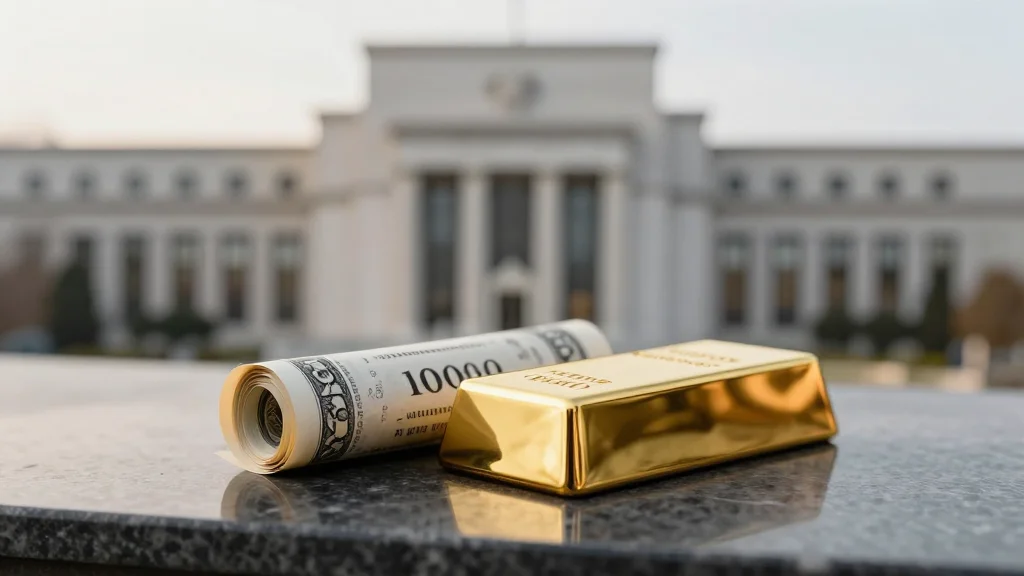
Warsh Nomination Pushes 10‑Year Treasury Yield to 4.4%
The Senate is set to confirm Kevin Warsh as Federal Reserve chair, a move that lifted the 10‑year Treasury yield to 4.39%—its highest level in weeks. Warsh, a former Fed governor favored by President Trump for aggressive rate cuts, faces...

Fuel Surge Amid Iran War Pushes Azerbaijan Inflation to 5.6% in Jan‑Apr 2026
Azerbaijan's consumer price index rose to 5.6% in the January‑April 2026 period, driven largely by soaring fuel costs linked to the ongoing Iran conflict. Neighboring Kyrgyzstan reported a sharp jump in imported fuel prices, underscoring the broader regional impact on...
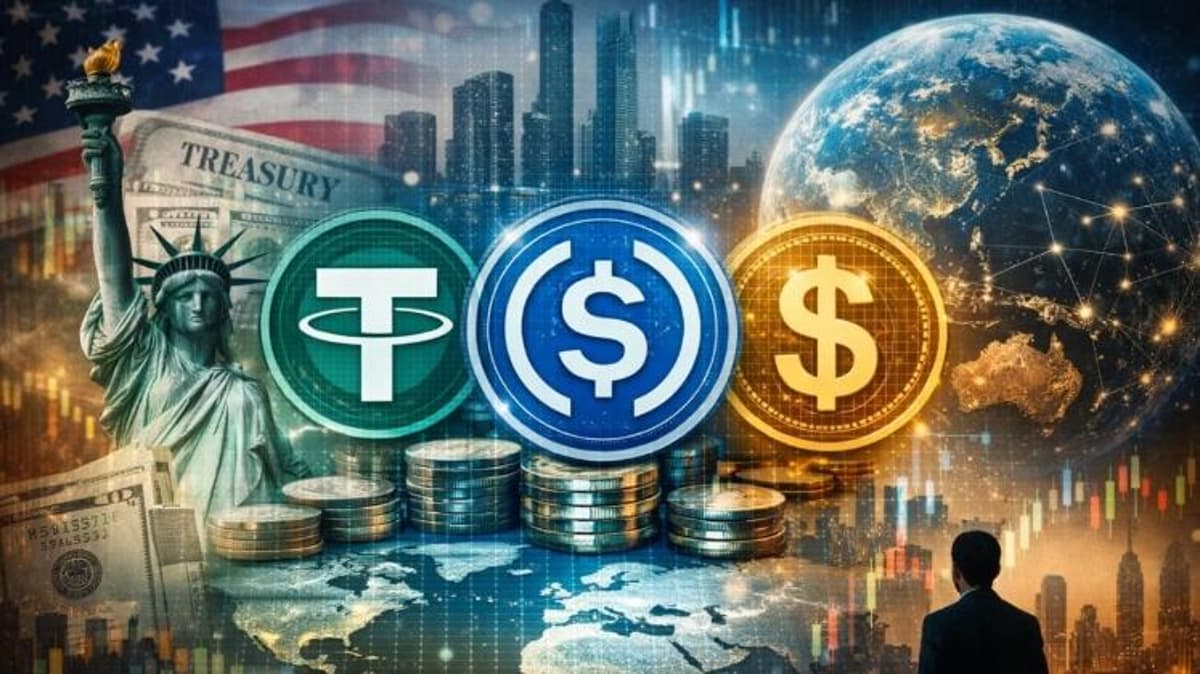
How Stablecoins Are Extending the Monetary Power of the United States
Stablecoins tied to the U.S. dollar have surged, with transaction volume climbing from roughly $565 bn in 2020 to about $11 tn projected for 2025—representing 65 % of Visa’s network size. Private issuers Tether (USDT) and Circle (USDC) now control roughly 84 % of...

First Came the TACO Trade. Now It’s the NACHO.
The episode covers three main stories: political turmoil in the UK as Prime Minister Keir Starmer faces pressure after a poor local‑election showing, the U.S. Supreme Court’s approval of Alabama’s congressional map that could erase a majority‑Black district, and the rise...
Economic Policy Risks Eclipse Conflict Concerns in WTW’s Latest Survey
Willis’s 2026 Political Risk Survey finds economic policy risks, especially tariffs, outweigh concerns about international conflict. Sixty‑one percent of respondents say rising tariffs are the most difficult risk to manage, and the same share have suffered negative financial impacts. Eighty‑four...

Previewing the US-China Summit
U.S. President Donald Trump is set to travel to China May 13‑15 for a high‑stakes summit with President Xi Jinping. The visit follows months of behind‑the‑scenes coordination, with both capitals seeking a diplomatic breakthrough on trade, technology restrictions, and regional...

Taiwan’s Chips Power the Global Economy. China Holds the Leverage
Taiwan’s semiconductor champion TSMC supplies roughly 90% of the world’s most advanced chips and 99% of the AI‑training silicon that powers smartphones, electric vehicles and the global AI race. A serious disruption—whether from a blockade, customs inspections or outright conflict—could...
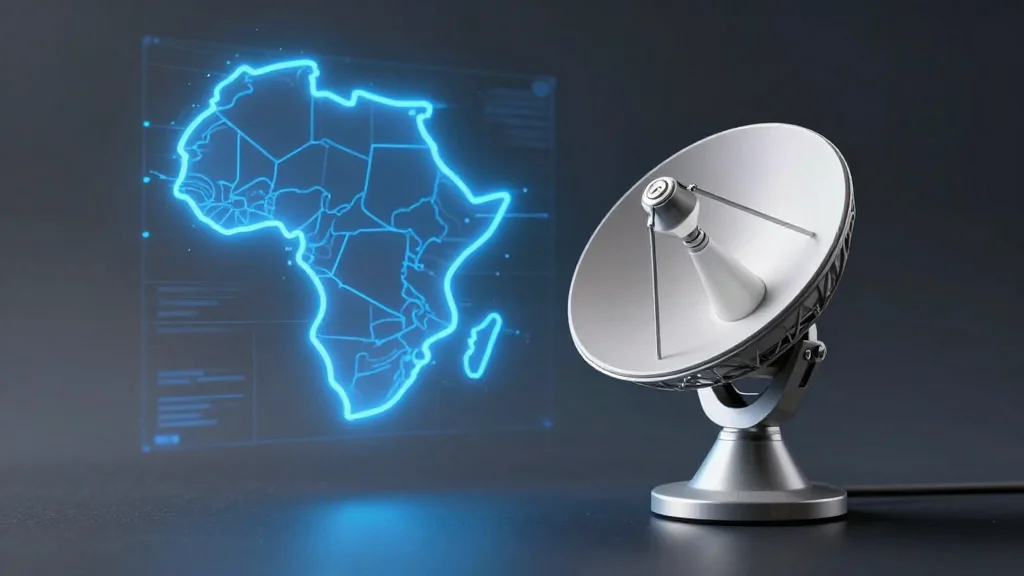
The New Contest for Africa Is Digital, and Africa Must Define the Rules
The Africa Forward Summit in Nairobi highlighted a new digital scramble for the continent, with Gulf sovereign wealth funds committing over $100 billion to AI and connectivity projects and China’s cloud and surveillance networks reaching nearly every African nation. France is...
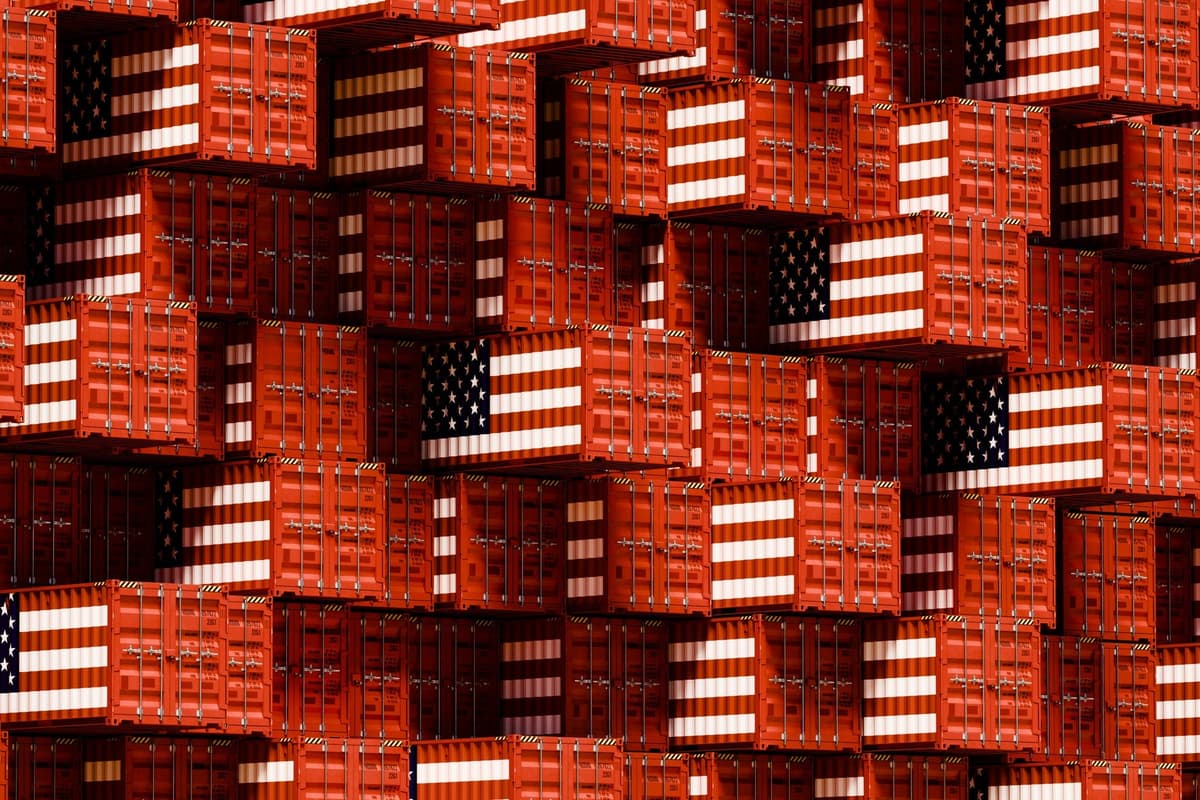
US Clothing Imports From China Slip Further in March as Asian Rivals Gain Ground
U.S. apparel imports fell 5.6% in March 2026, with China experiencing the steepest decline as buyers pivot to Vietnam and other Southeast Asian producers. Seven of the ten largest U.S. apparel suppliers reported lower shipment volumes from China. The shift...

US, UK, Australia Tighten Sanctions On Iran
The United States, United Kingdom and Australia announced a coordinated wave of sanctions against Iran in mid‑May, targeting individuals and entities tied to the Islamic Revolutionary Guard Corps (IRGC) and to the regime’s human‑rights violations. The U.S. Treasury listed 12...
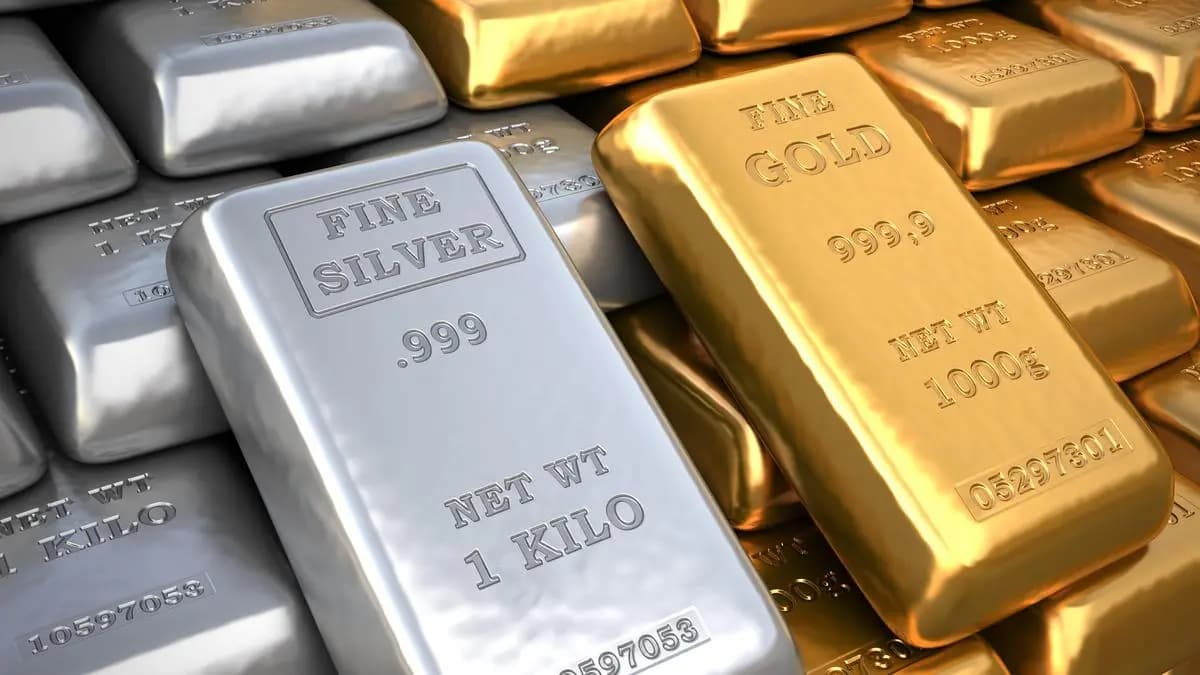
Banks Resume Gold, Silver Imports After Month-Long Halt over 3% Levy
Indian banks have restarted gold and silver imports after a month‑long pause caused by a 3% integrated goods and services tax (IGST) levy. The banks cleared about 9 metric tons of gold and 34 metric tons of silver in May,...

Does PM Narendra Modi’s Speech Signal Interest Rate Hike in the Next RBI MPC Meeting?
Prime Minister Narendra Modi urged tighter control of gold, fuel, fertilizer imports and reduced overseas travel to safeguard India’s foreign‑exchange reserves amid the US‑Iran conflict. The call sparked a sell‑off in equities as investors feared domestic economic strain, while crude...
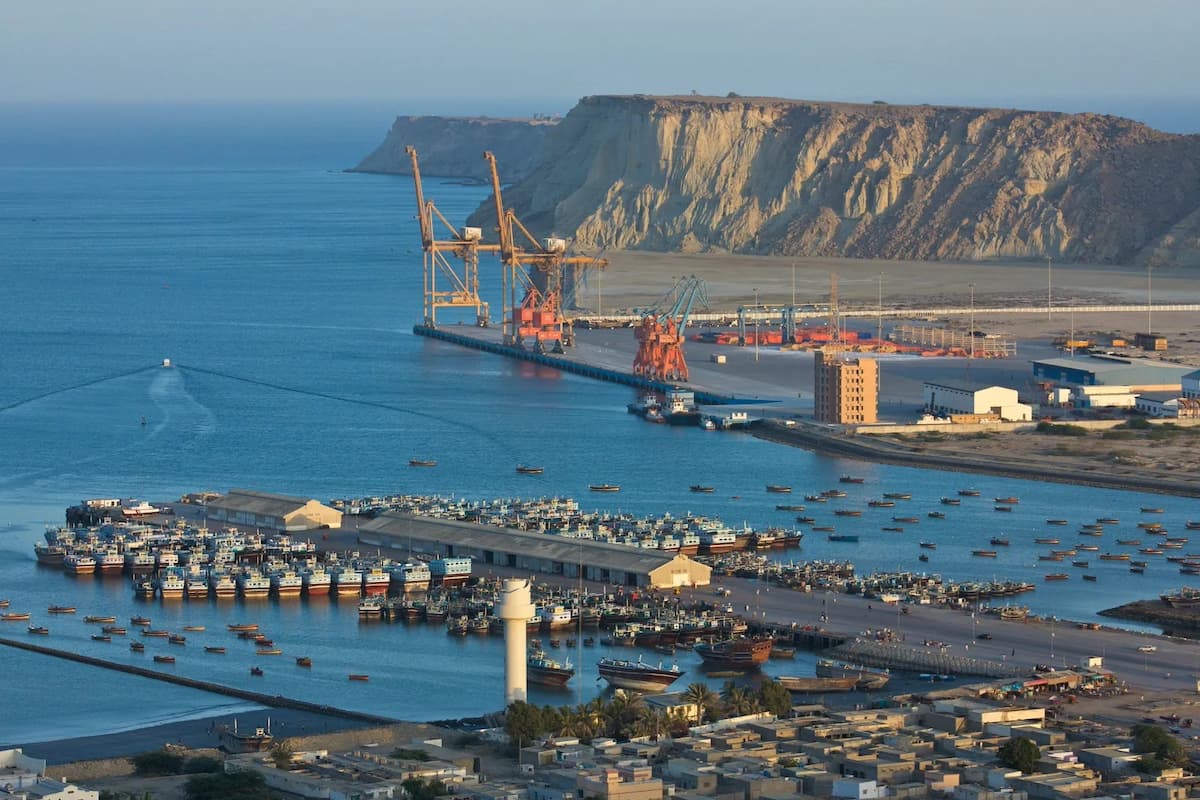
Gwadar’s Moment Has Finally Arrived for Pakistan
In April 2026 Gwadar Port processed about 11,000 standard containers, eclipsing the 8,300 handled across all of 2025. The surge was triggered by disruptions in the Strait of Hormuz, prompting shippers to reroute through the deep‑water, 400 km‑proximate port. Decades of China‑Pakistan...

Trump Flies to Beijing — But Who's Actually Desperate?
The episode critiques former President Donald Trump's recent trip to Beijing, arguing that his diplomatic overtures are empty promises that can be reversed overnight. It highlights how Trump's erratic, business‑first approach undermines U.S. credibility, especially in negotiations like those with...
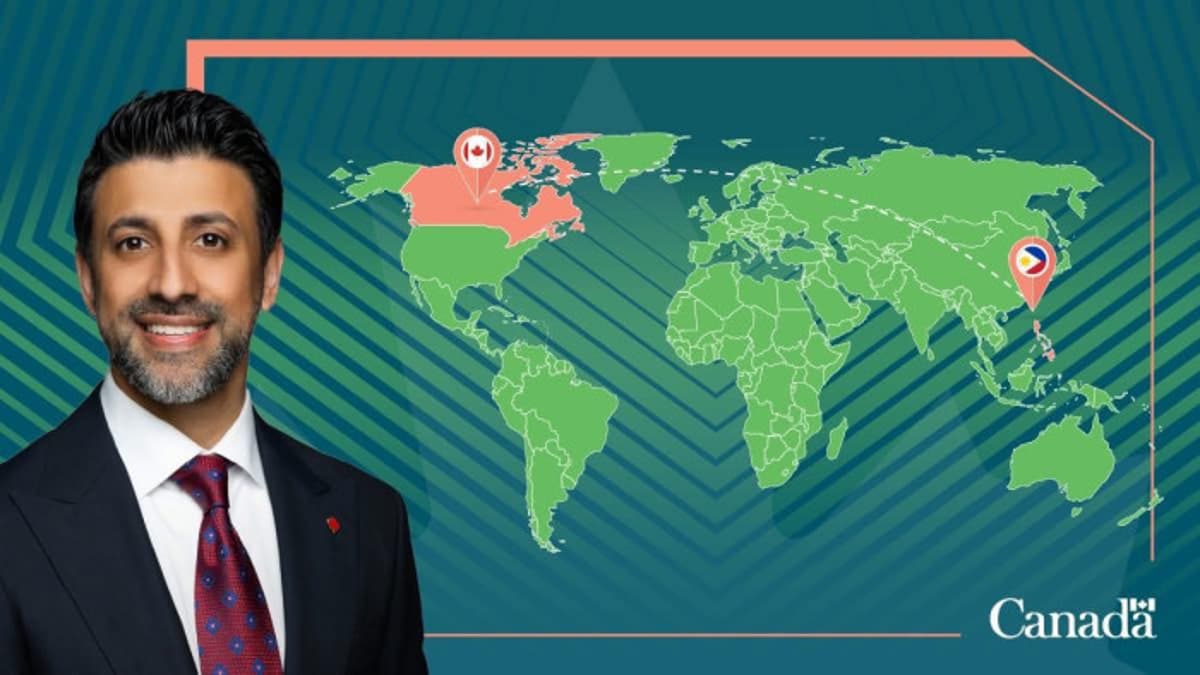
Canada to Invest $2 Million in Economic Hub Backed by Philippines, US and Japan
Canada announced a US$2 million investment in a new economic hub on the Philippines’ Luzon island, part of the Luzon Economic Corridor backed by the United States and Japan. The funding supports a future project that dovetails with a trilateral infrastructure...
Steel Tariffs Are Raising the Price of Canned Foods
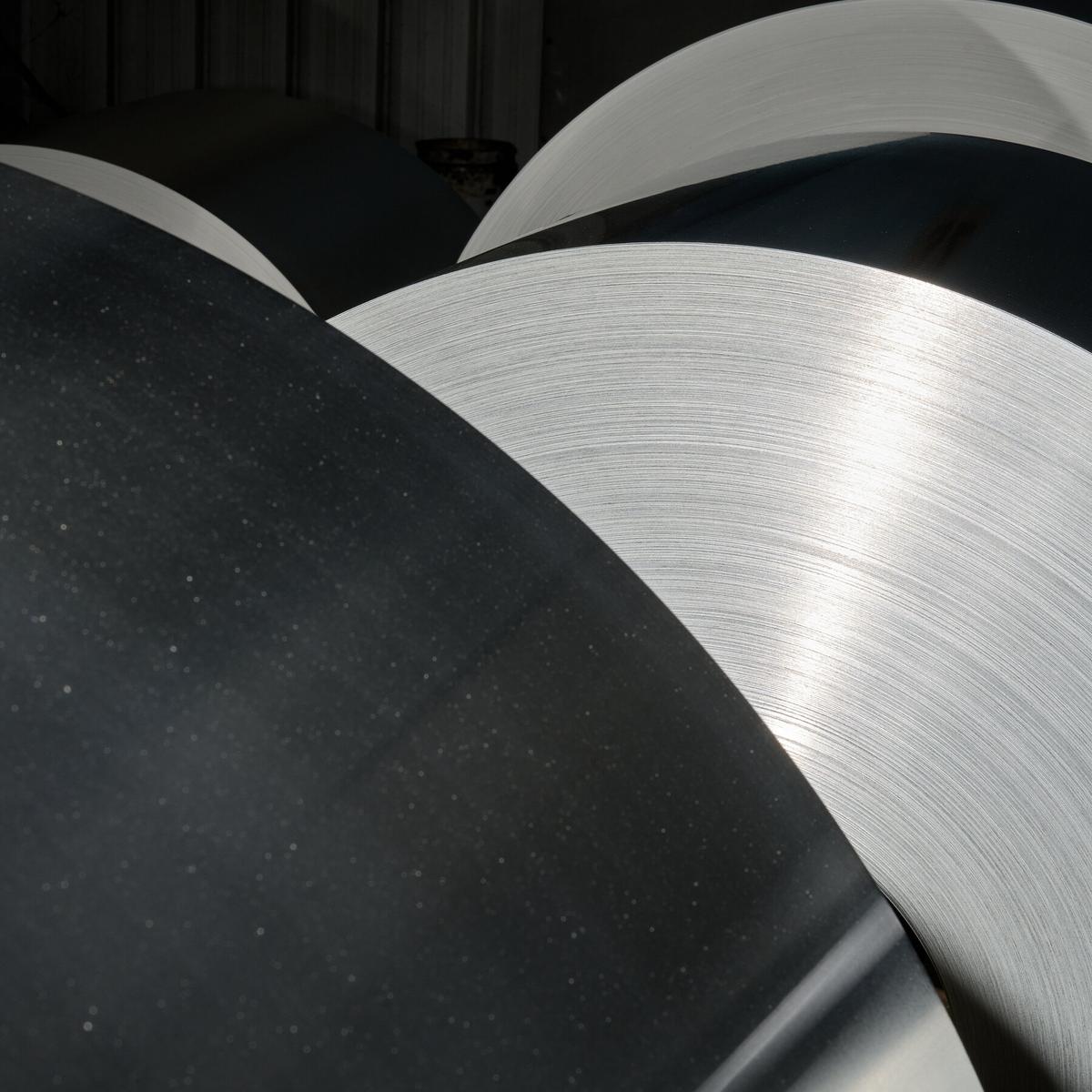
President Trump’s 50% steel tariff, imposed under Section 232, has driven up the cost of tin‑plate steel used for cans. Despite the tariff, imports of the material surged in 2025, leaving U.S. can makers dependent on foreign supply. A tin can...
The World Needs Africa. That Does Not Mean Africa Wins
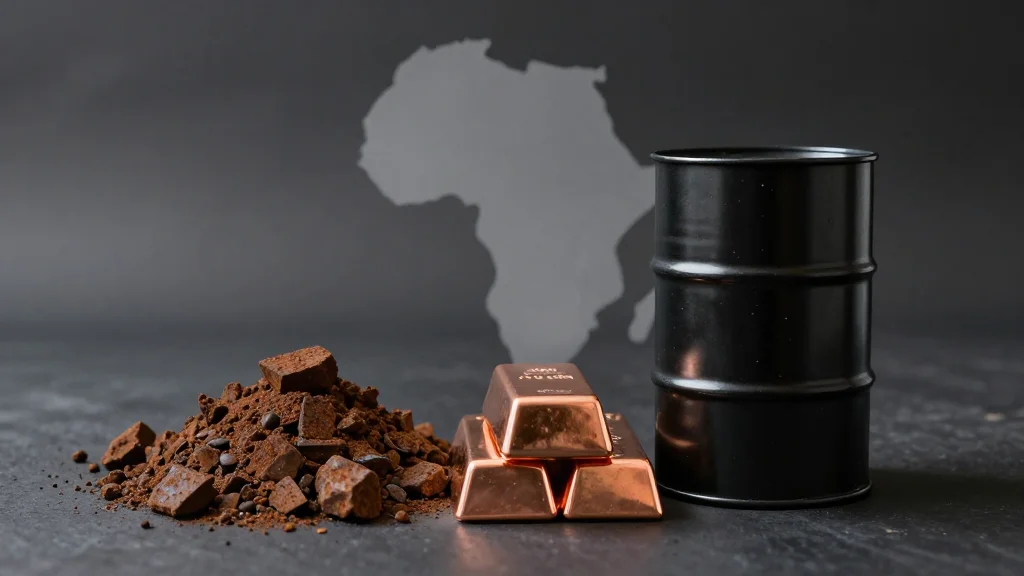
Africa’s vast critical‑mineral reserves have thrust the continent into the center of the emerging global order, yet it captures less than 1% of clean‑energy manufacturing value. The competition among China, the United States, the European Union and Gulf states now...
U.S. Debt Dominates Global Markets Thanks to Dollar Reserve
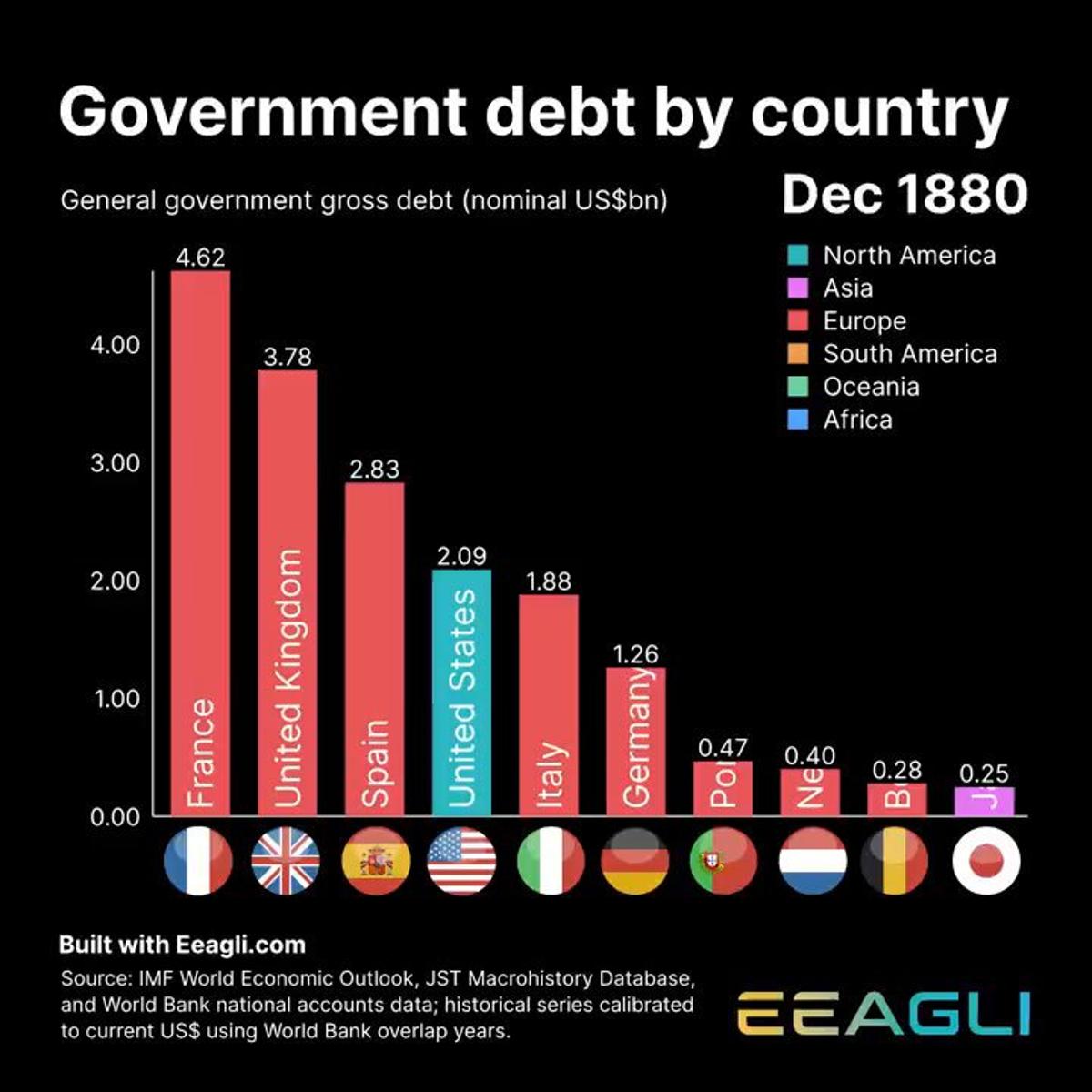
The global debt story is more concentrated than people think. The U.S. alone holds around $35.8 trillion in debt - more than double China and larger than the next several major economies combined. That says something important: Not all debt is viewed equally. Reserve...
UK Faces Finance Crisis: Yields Spike, Pound Falls
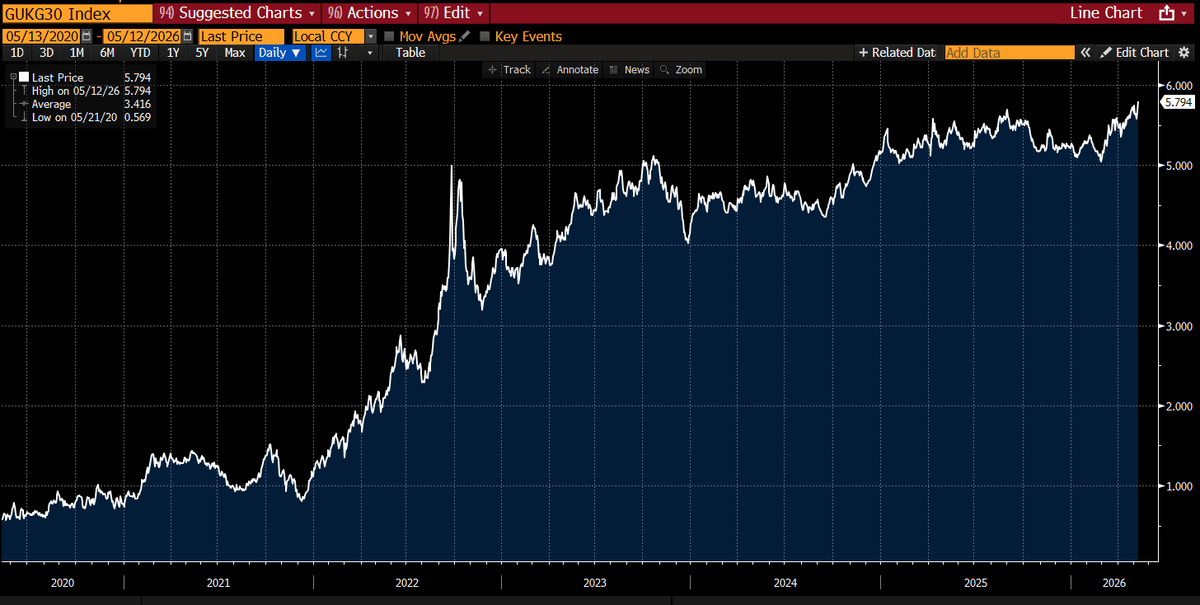
The "Liz Truss moment" of 2022 has turned into the UK's political reality, with 30-year yields soaring to their highest levels since 1998 and the pound weakening. "No matter who is in power, no matter their political leaning, there does...

InvestHK Pitches Hong Kong as African Enterprises Gateway to Asia
Invest Hong Kong’s Associate Director‑General Loretta Lee is on an eight‑day tour of Johannesburg and Kigali to pitch Hong Kong as the premier springboard for African firms entering the Chinese mainland and broader Asia‑Pacific markets. The mission highlights Hong Kong’s...

Govt Warns Against Gold, Foreign Travel Amid Dollar Pressure
Why is the government suddenly telling people to avoid gold and foreign trips? [ don’t buy gold, work from home, foreign travel, US dollar, India import, oil, gold price, oil price, PM Modi, Modi announcement ] #dollar #rupee #gold #oil #travel
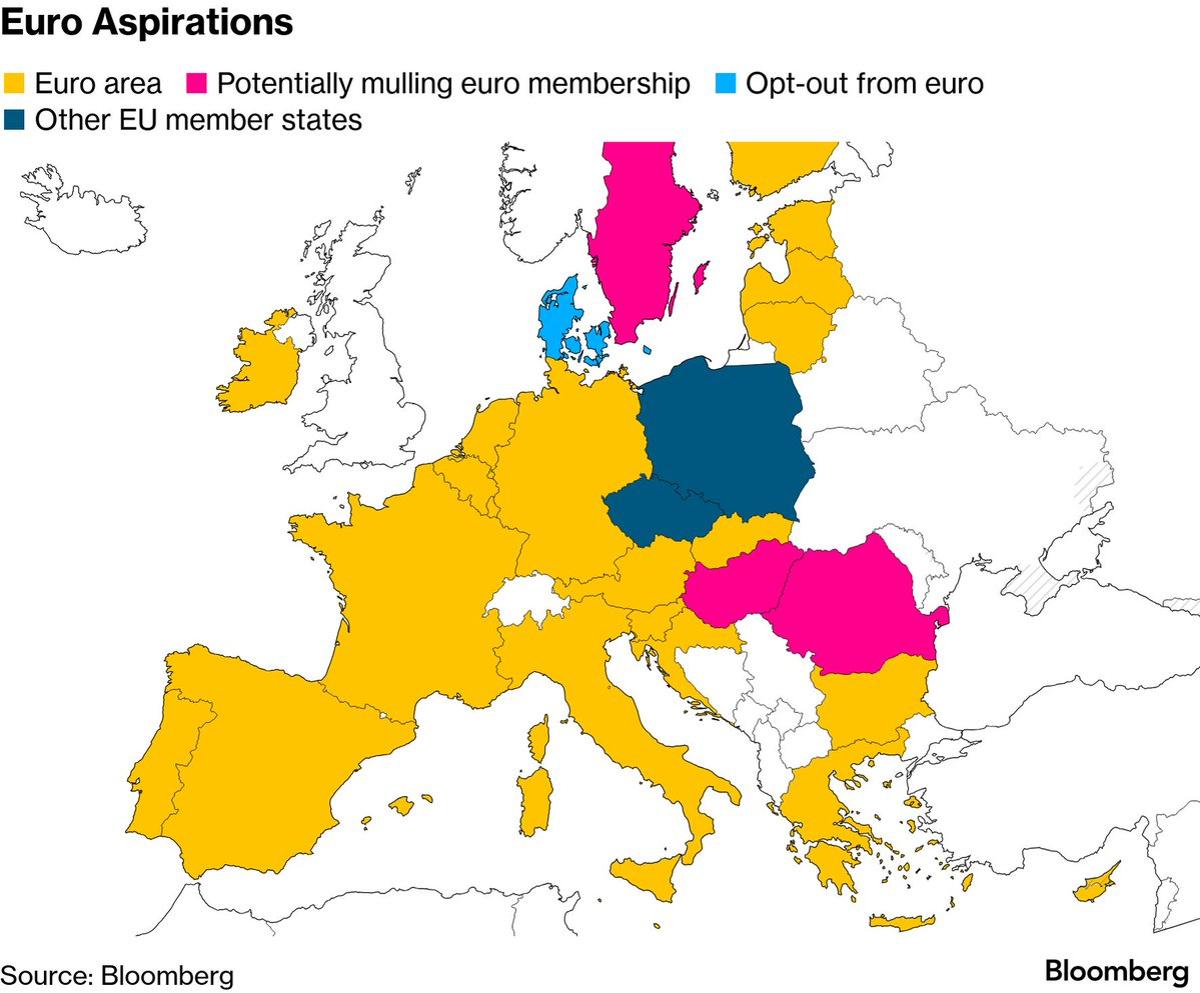
Hungary Aims to Meet Euro Criteria by 2030
Hungary to meet euro criteria by 2030, new finance minister says https://t.co/AN0YZs31Z6 via @ZoltanSimonBbg https://t.co/4UELJl5uXJ
Christopher J Waller: Update on Federal Reserve Bank Operations
Federal Reserve Governor Christopher J. Waller outlined a plan to centralize and standardize back‑office functions across the twelve Reserve Banks. He argues that IT, human resources, finance, risk management and payments can be delivered by a single “contractor” Bank, lowering...
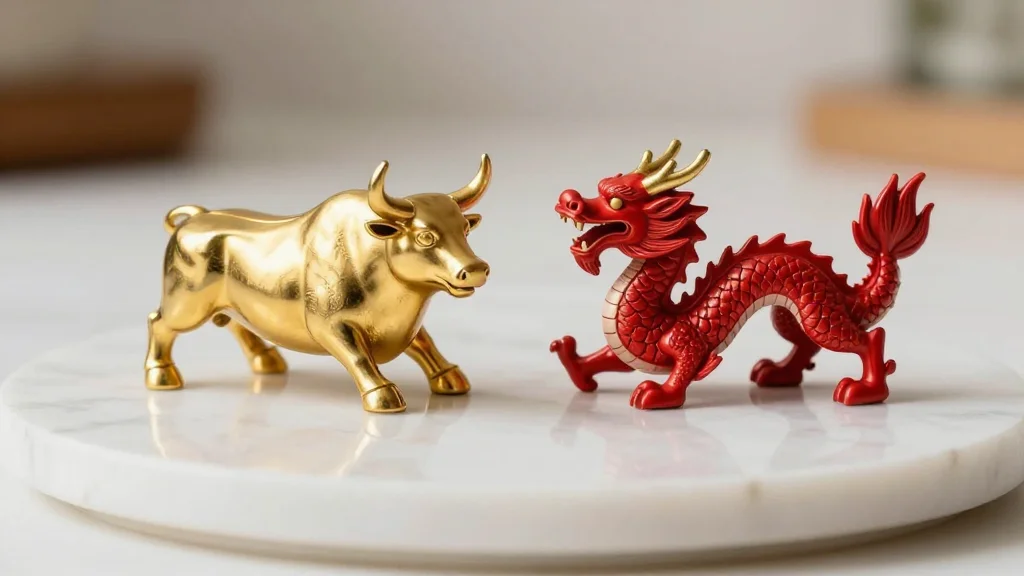
U.S. Abandons Efforts to Reform China, Plans Trade Cuts
.@bobdavis187: “The United States has given up trying to change China’s economy through outside pressure or inducements. Instead, the U.S. accepts the state-dominated Chinese system as it is, and will…look to cut trade deals within the new framework.” https://t.co/D50COlAlzy
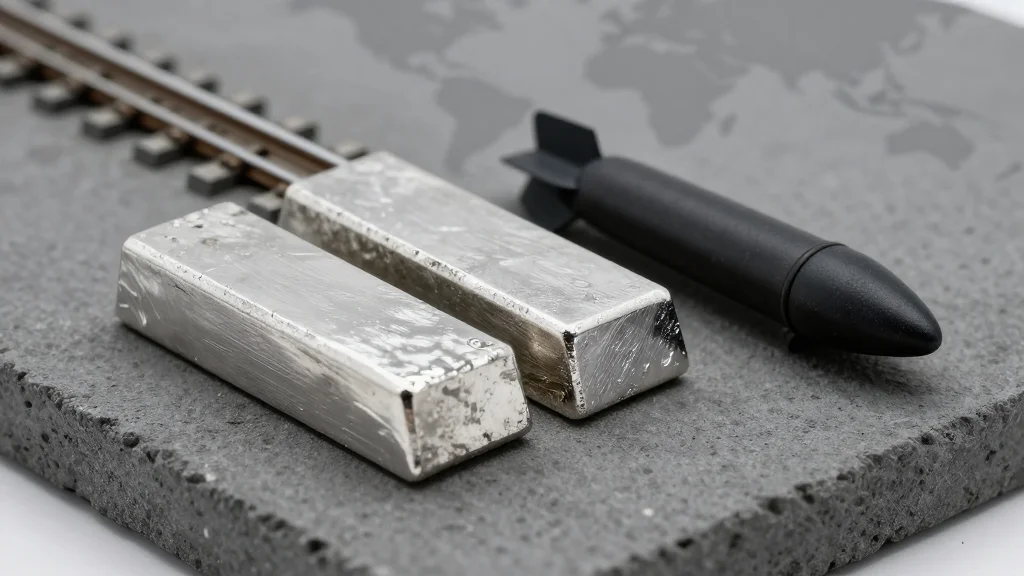
Xi’s Power Lies in Rare Earth Monopoly
.@gideonrachman in FT op-ed: “It is Xi Jinping who ‘has the cards’—to use a phrase that Trump likes. The Chinese president’s ace is his country’s near monopoly over the production of rare earths and critical minerals.” https://t.co/kdHuHoSwcP

Hedge Funds Hit Decade-High Buying Spree in Asian Equities
Global hedge funds have dramatically increased exposure to Asian equities, with weekly purchases in South Korea, Japan and Taiwan hitting their highest level in over a decade, according to Morgan Stanley data. Net inflows for the week ending May 7 pushed...
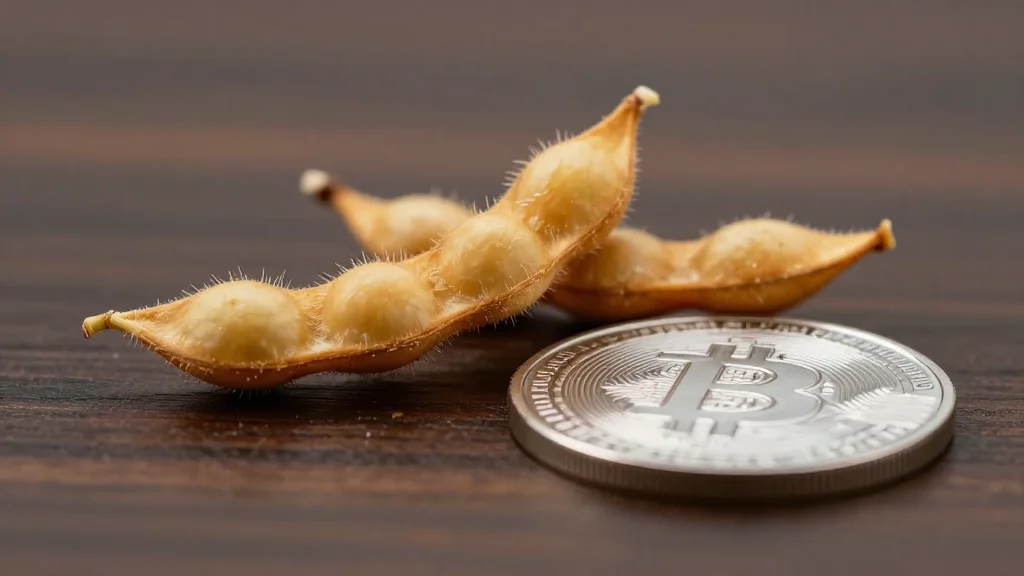
Xi-Trump Summit May Yield Farm Deal, Soybean Demand Low
JUST IN: The Xi-Trump summit could lead to a farm deal, but China has limited soybean appetite.
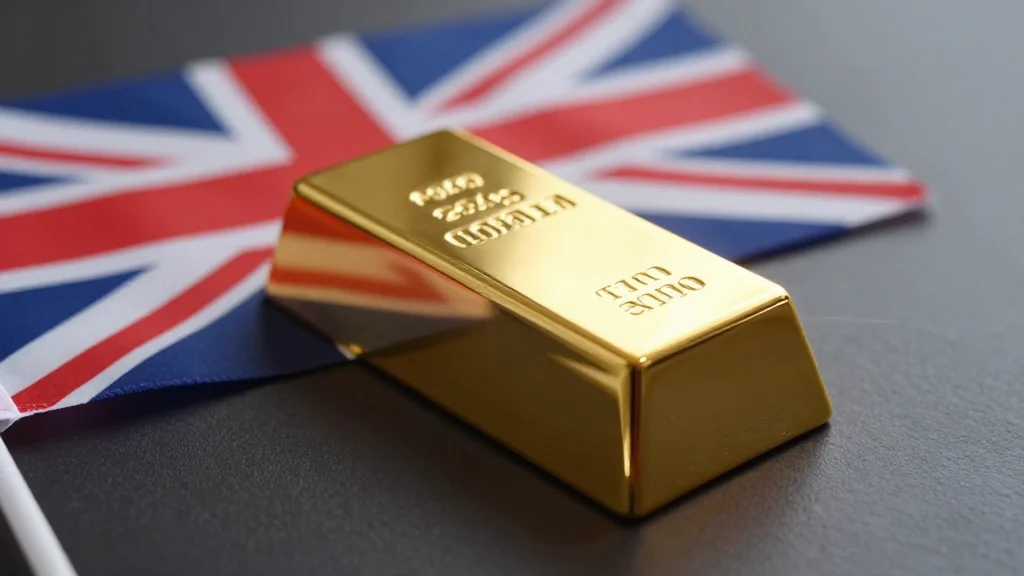
UK Bond Yields Breakout Finally Arrives After Three Months
Macro Tourist Topic Of The Day = "UK Bond Yields" We've only been signaling this breakout for the last 3 months Go back to bed

Korean Politician Pops the Chip Vibe. Sterling Under Pressure.
The Saxo Market Call highlighted a shift in market sentiment driven by political risk in the UK and policy talk in South Korea, putting pressure on the British pound and creating volatility in Korean chip stocks like SK Hynix and...
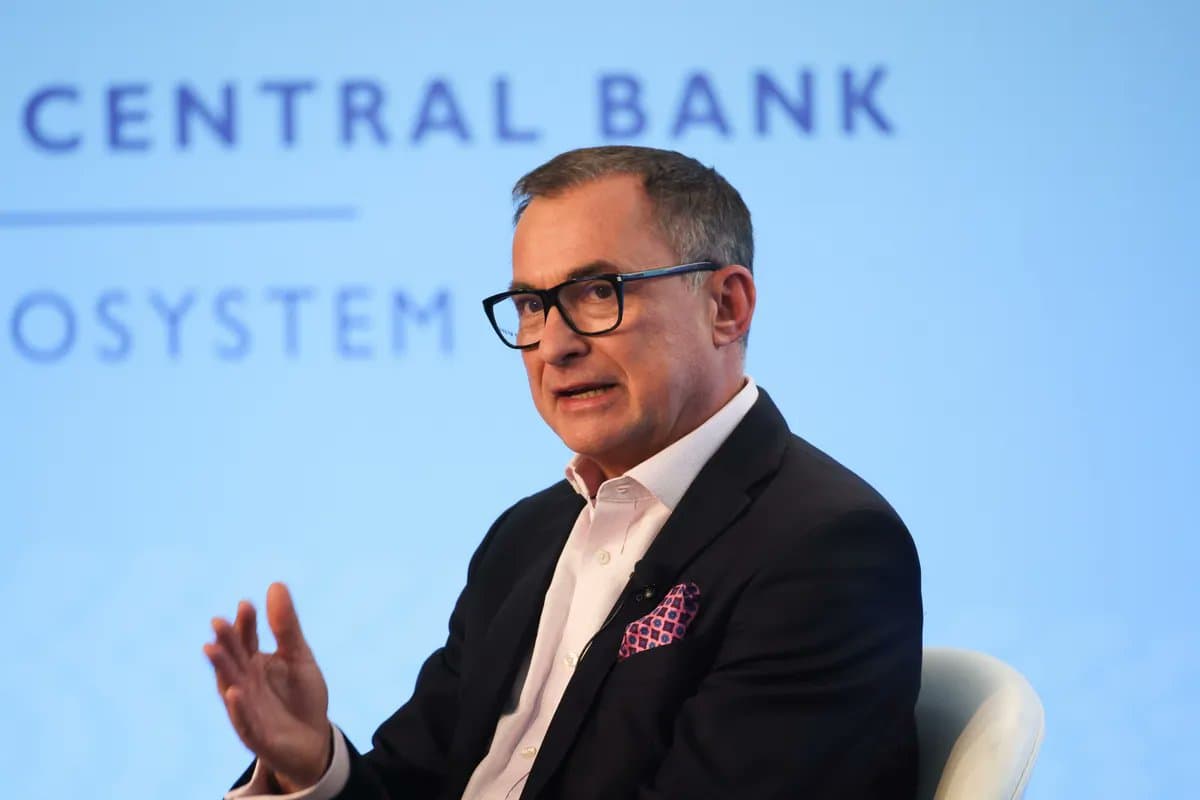
ECB Must Intervene if Iran War Endangers Price Stability
ECB must act if Iran war threatens price stability, Nagel says https://t.co/XRboBjnoxo via @jrandow https://t.co/eWSZmFGVoL
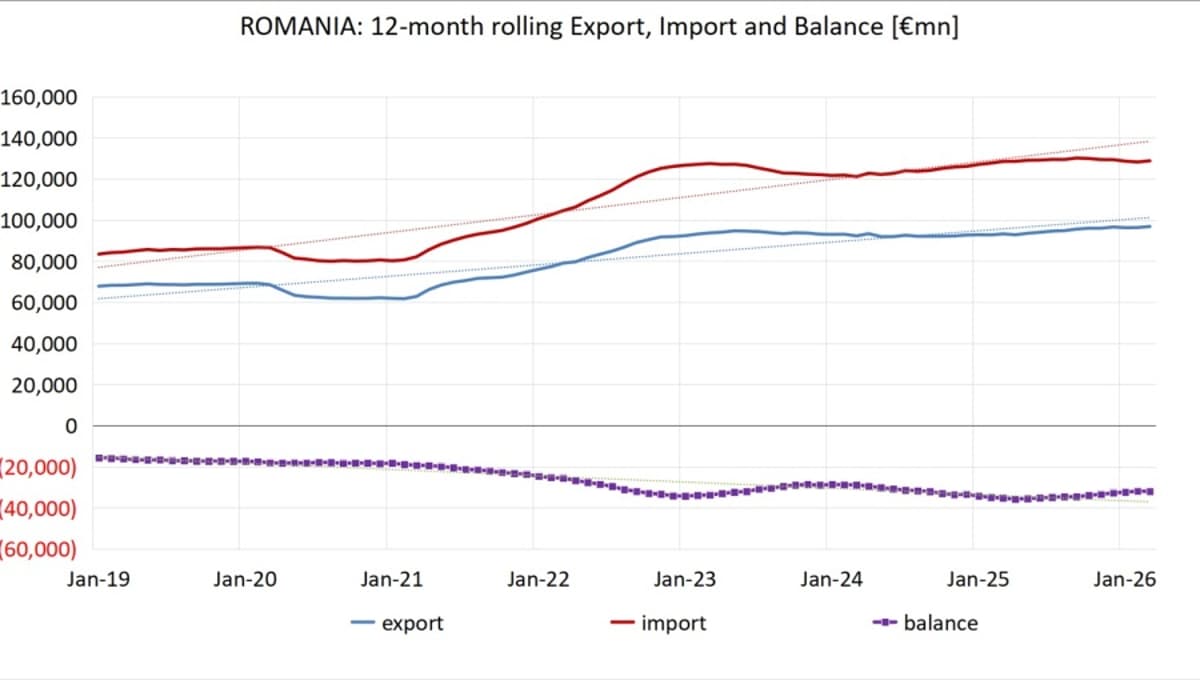
Romania’s Trade Deficit Narrows 9.3% to €7.7bn in Q1
Romania’s trade deficit narrowed 9.3% year‑on‑year in Q1 2026 to €7.7 bn (about $8.3 bn), falling to 2.0% of GDP from 2.4% a year earlier. Imports slipped 1.7% to €31.5 bn ($34 bn) while exports edged up 1.1% to €23.8 bn ($25.7 bn), led by automobiles...
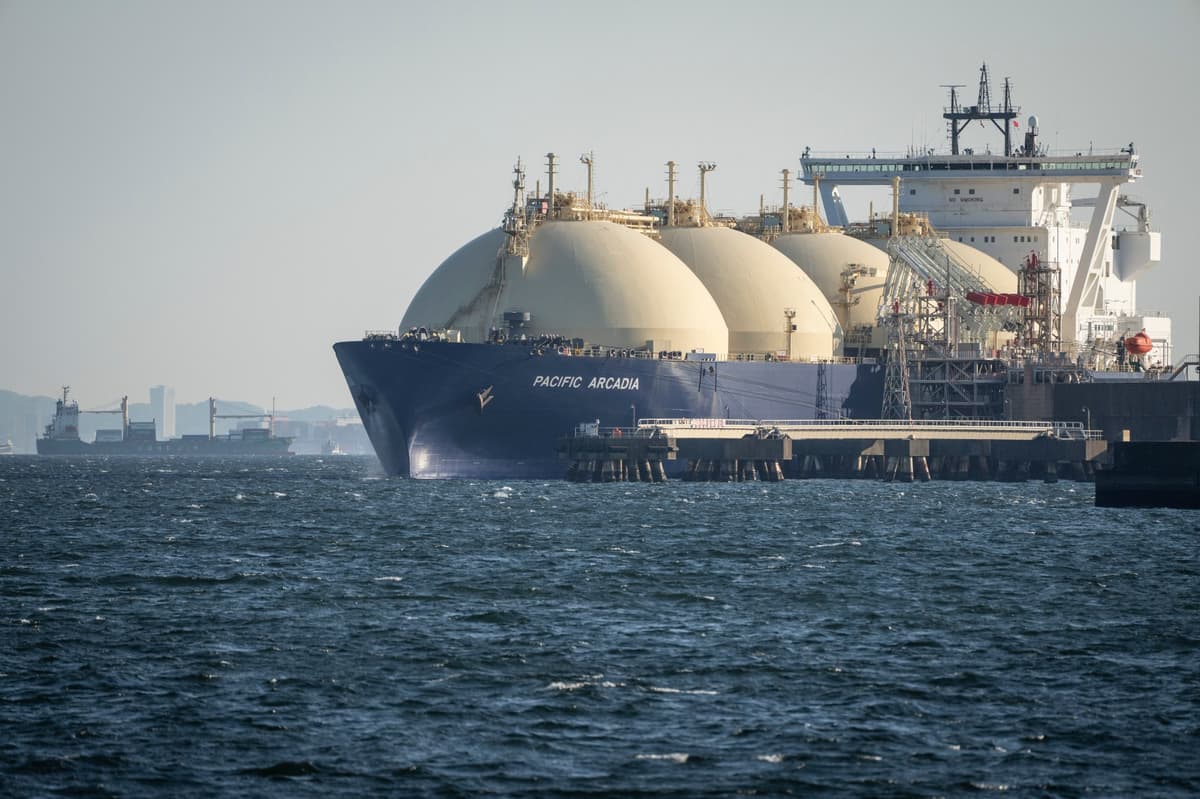
A Second Wave of Iran Energy Shocks Is About to Hit Asia and the Wider World. Why Aren’t Markets Reacting?
Global oil inventories are projected to fall to just 98 days of demand by the end of May, the lowest level in eight years. The ongoing Iran‑U.S. conflict has shut the Strait of Hormuz, cutting off roughly 20 million barrels per...

Consumer Spending Dips as Shoppers Prioritise the Basics – Although Fashion and Wellness Hold Up
UK consumer spending slipped 0.1% year‑on‑year in April, marking the first decline since November, as households tighten budgets amid persistent price pressures. Essential categories such as fuel surged 10.4%, lifting overall essential spend by 0.3%, while non‑essential outlays fell 0.3%....
Stock Market Today: Nasdaq Leads Stock Losses After Jump in April Inflation
The Nasdaq composite fell sharply as April consumer‑price inflation rose to 3.8% year‑over‑year, edging above the 3.7% forecast and driven largely by higher gasoline costs. The hotter‑than‑expected CPI data cooled the tech‑led rally that had propelled U.S. equities higher in...
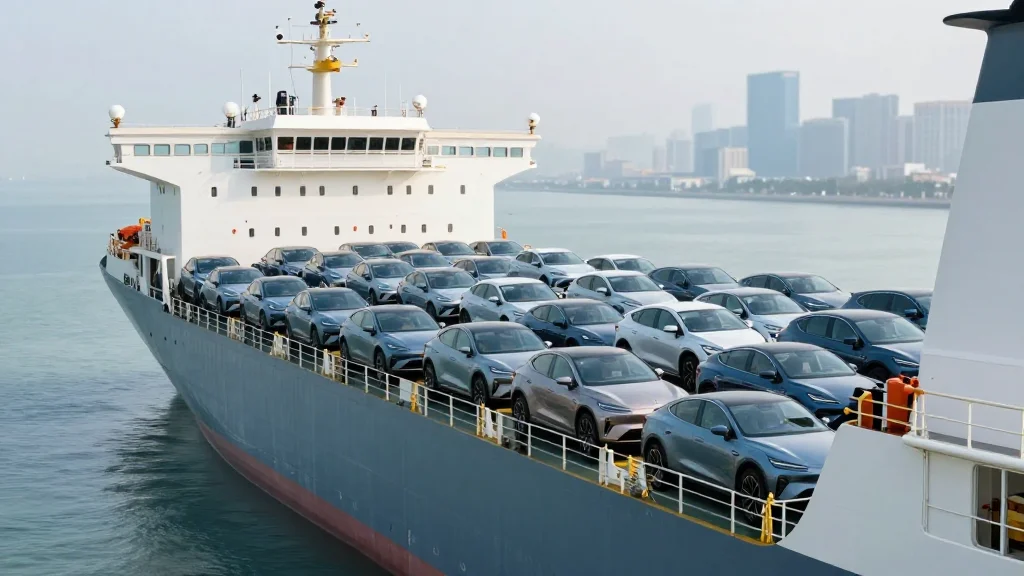
China's Passenger Car Exports Surge Nearly 85% in April as Domestic Sales Slump
China’s passenger‑car exports exploded in April, climbing almost 85% year‑over‑year to roughly 796,000 vehicles, while domestic sales slumped 25.5% to 1.3 million, marking a sixth consecutive month of decline. Exports of new‑energy models surged over 120% to about 420,000 units, reflecting...

With Keir Starmer Premiership on the Brink, British Government Debt Tumbl...
British government debt yields spiked as Prime Minister Keir Starmer faced mounting pressure after a poor local‑election showing. The 10‑year gilt rose to 5.10% and the 30‑year to 5.77%, marking the highest yields since the late 1990s. The pound slipped to...
North Korea Increases Chinese Cement Imports Amid Construction Surge
North Korea has sharply increased imports of Chinese cement since early April, driven by a surge in domestic construction linked to its 20×10 Regional Development Policy. Domestic cement plants are unable to meet demand due to output shortfalls and rising...

Bessent Predicts Inflation as a Brief, Transient Blip
*BESSENT: EXPECTS INFLATION TO BE A SHORT-TERM, TRANSIENT BLIP already training the new guy to re-adopt the word "transient". Good luck to Warsh
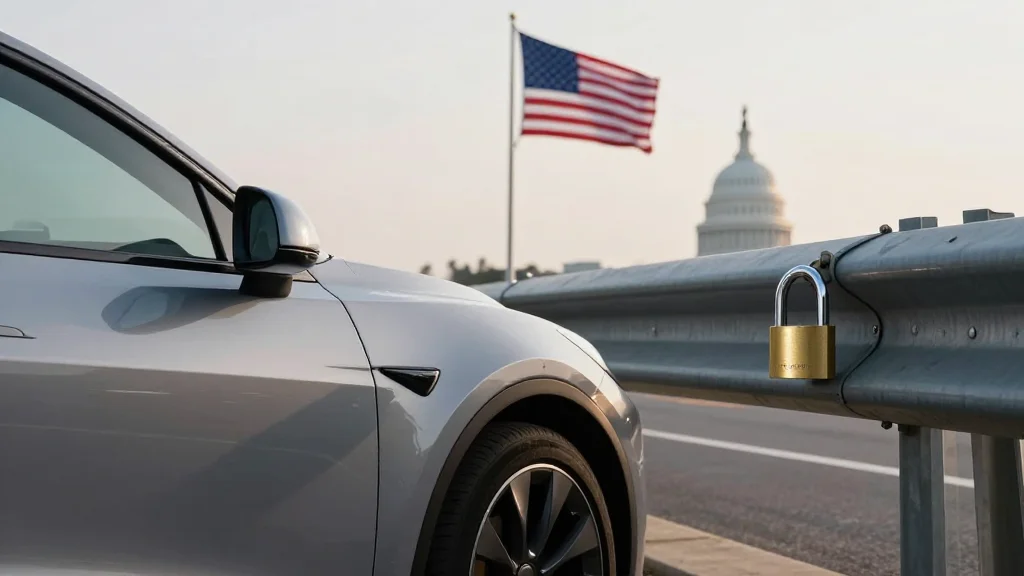
House Lawmakers Introducing Bill to Toughen US Ban on Chinese Vehicles
Two bipartisan House members will introduce legislation to cement a Biden administration regulation that bans Chinese‑designed passenger vehicles with advanced connectivity from the U.S. market. The bill would expand the ban to cover any vehicle built with software capable of...

The Other Border Problem: How Russia and China’s Lawfare Threaten the Arctic
Russia and China are intensifying law‑fare in the Arctic, using expansive maritime regulations, shadow‑fleet operations, and coordinated challenges to U.S. extended continental shelf claims to assert control over the Northern Sea Route and undersea infrastructure. Moscow’s re‑drawing of baselines and...