Today's Global Economy Pulse
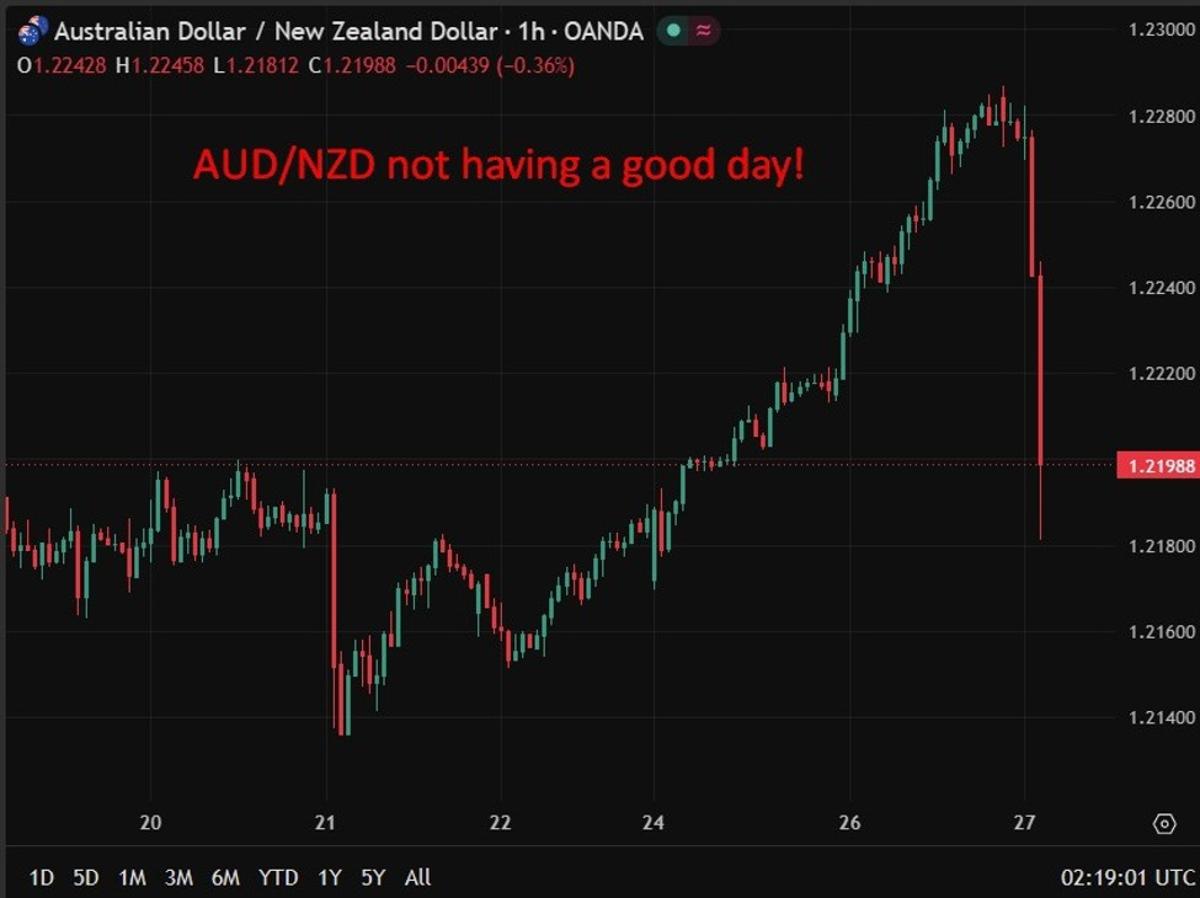
Australia's April CPI eases to 4.2% as core inflation hits 2024 high
Australia’s consumer price index slipped to a 4.2% annual rise in April, missing the 4.4% consensus as a temporary fuel excise cut trimmed transport costs. At the same time, the trimmed‑mean core inflation gauge rose to 3.4% year‑over‑year, the highest level since late‑2024, keeping pressure on the Reserve Bank of Australia’s inflation target.

Dollar Edges Marginally Higher, and and Equities Withstand Hawkish Language By Trump
The U.S. dollar edged higher on May 11, gaining 0.1%‑0.4% against major peers despite President Trump’s hawkish language on the Iran standoff. U.S. equity indices nudged up 0.1%‑0.2%, showing resilience amid the geopolitical chatter. Commodity markets reacted sharply, with WTI crude jumping 3% to about $98 a barrel and silver climbing nearly 6% on supply‑side worries from the Middle East conflict. Meanwhile, China’s CPI and PPI rose, Denmark and Lithuania saw higher inflation, U.S. home sales barely recovered, and China’s April trade surplus shrank 11.5% year‑on‑year.
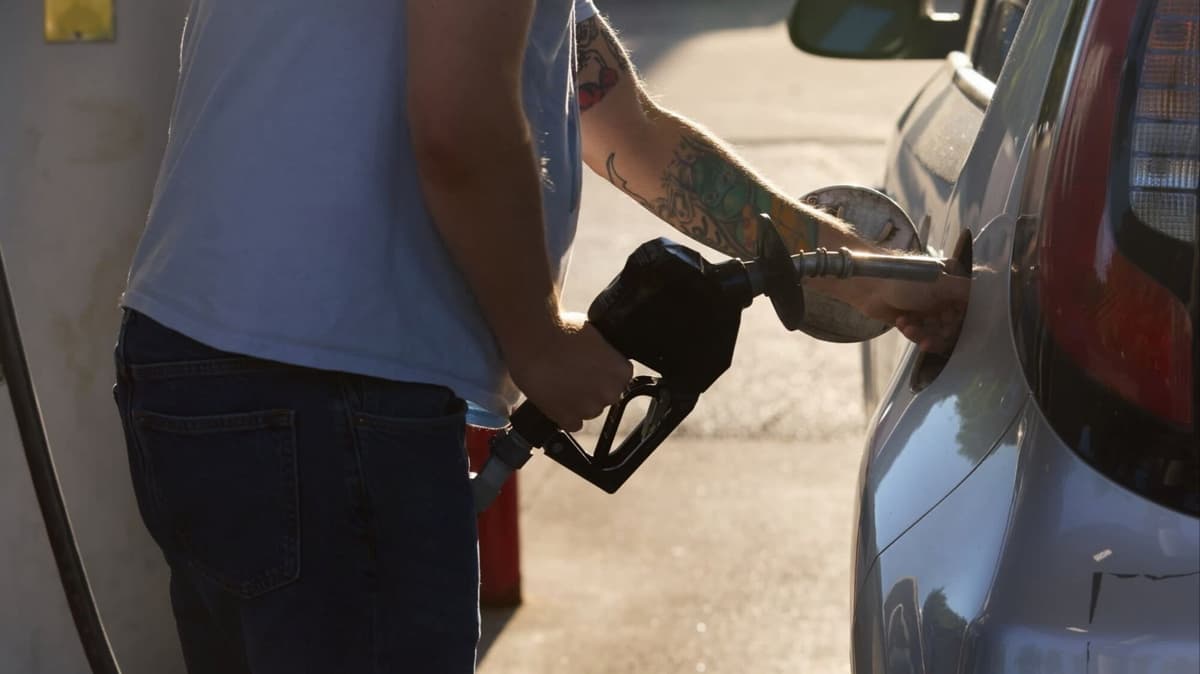
US Considers Suspending Fuel Tax as Iran War Pushes up Prices
U.S. lawmakers are debating a temporary suspension of the federal gasoline excise tax as the Israel‑Iran conflict drives crude prices higher. The 18.4‑cent‑per‑gallon tax, which adds roughly $150 to an average driver’s annual fuel cost, could be paused for six...

Wall Street Giants Push Back Fed Rate-Cut Outlook After Resilient Jobs Data
Wall Street’s biggest banks have pushed back expectations for the Federal Reserve’s first rate cut, citing a surprisingly strong April jobs report. Goldman Sachs now sees the next move no earlier than December 2026, while Bank of America has extended its...

PM Modi Issues 2nd Warning in 24 Hours: Indians Need Major Changes as West Asia War Hits World?
Prime Minister Narendra Modi warned Indians to curb fuel consumption as the U.S.-Iran clash fuels volatility in global oil markets. He highlighted that Middle‑East instability is inflating India’s crude import bill and straining foreign‑exchange reserves. Modi urged greater use of...

Weak Confidence Clouds PH Spending Outlook
BMI Research, a Fitch Group unit, lowered its 2026 Philippine household‑spending growth forecast to 4.4% from 4.5%, citing weak consumer confidence and persistent inflation. The Q1 consumer‑confidence index improved to –15.8 but stayed in negative territory, while inflation is now...
FDI Hit 3-Month High of $590M in February
Net foreign direct investment (FDI) inflows into the Philippines rose to $590 million in February, marking a three‑month peak. The figure remains 31 percent lower than a year earlier and the first‑two‑month total of $1 billion is down 34.8 percent YoY. Equity‑capital placements reached...
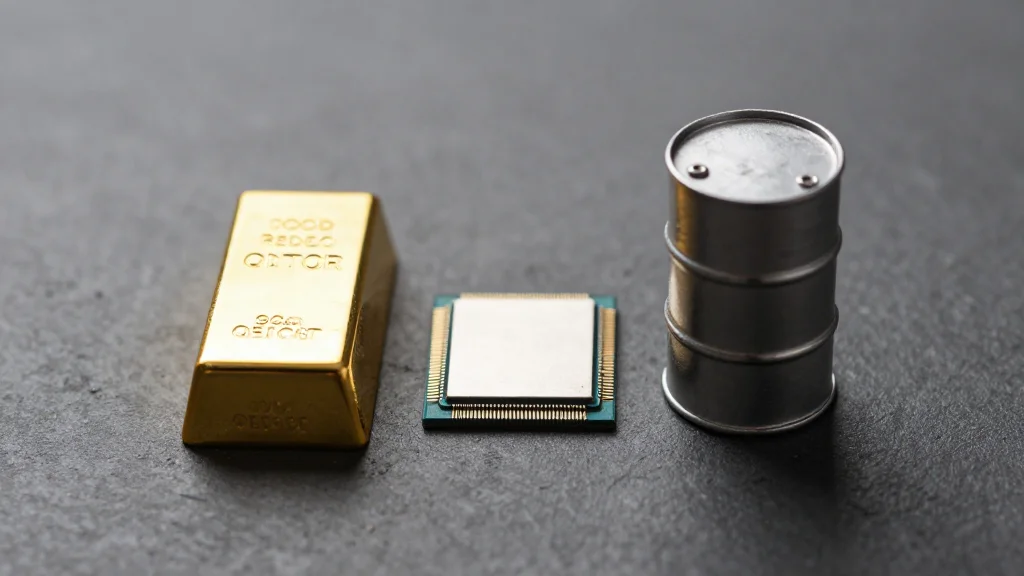
Dow Jones Futures: Techs Fall On $100 Oil, South Korea AI Comments; CPI Inflation Due
Dow Jones futures slipped 0.1% while the S&P 500 fell 0.4% and Nasdaq futures dropped 0.9% as crude oil surged past $100 a barrel. In South Korea, a presidential adviser floated an “AI dividend” from excess artificial‑intelligence profits, sending the memory‑chip‑heavy...

Trump Dismisses China Investment Deal, Chooses Confrontation
This FT piece says Chinese officials and business groups explored major investments in US infrastructure, manufacturing and green technology before and around the 2024 election period. But instead of pursuing a “grand bargain” based on inward investment and economic cooperation,...
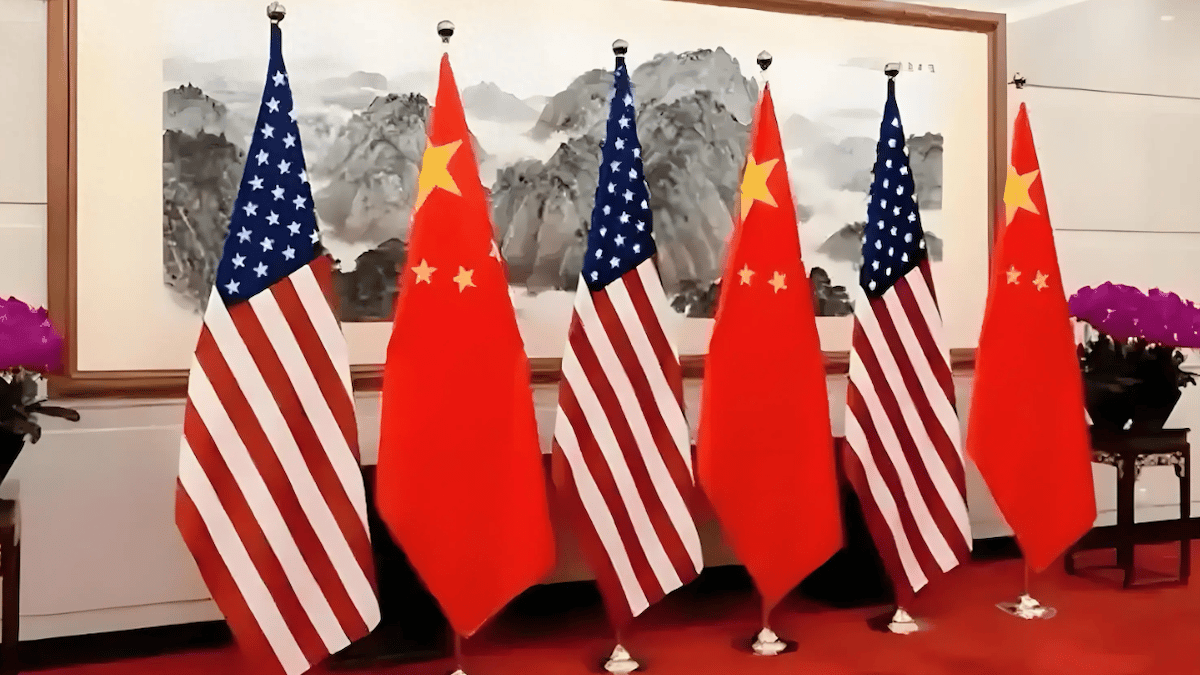
New Trump Sanctions on Chinese Firms: Leverage on Xi or Overkill?
The U.S. Treasury’s Office of Foreign Assets Control sanctioned ten mainland China and Hong Kong entities and individuals for supplying Iran with drone materials, missile components, and satellite‑imagery support. The designations target carbon‑fiber suppliers, procurement agents, financiers, and two satellite‑imagery...
Trump Backs Suspension of US Gasoline Tax
President Donald Trump called for a suspension of the federal gasoline excise tax of 18.4¢ per gallon, arguing it would help curb soaring fuel prices as the Iran‑related oil market turmoil persists. The proposal has bipartisan backing, with Senate bills...

IXUS vs IEMG: How Two iShares ETFs Offer Divergent Paths to Global Equity Exposure
iShares' Core MSCI Total International Stock ETF (IXUS) rose 1.32% while its Core MSCI Emerging Markets ETF (IEMG) jumped 1.89%, underscoring distinct cost structures, sector weights and volatility that investors must weigh when choosing between broad global exposure and an...

Europe Allocates €3 Bn to Critical‑Mineral Financing, Plans Strategic Stockpiles
The European Union announced up to €3 billion ($3.2 bn) in financing through its ReSourceEU programme and is advancing plans for strategic mineral stockpiles. The moves aim to bridge a financing shortfall that industry estimates place at tens of billions of euros...
RCEP Drives Post‑Pandemic Asian Growth as Geopolitics Shift
The Regional Comprehensive Economic Partnership (RCEP) is being hailed as the cornerstone of post‑pandemic Asian growth, with intra‑regional trade climbing 24% to $6.1 trillion in 2025 and Cambodia’s exports jumping 21.7% to $11.1 billion in the first four months of 2026. Officials...
PBOC Unveils Multi‑Pronged Plan to Expand Yuan’s Global Use
The People’s Bank of China announced a comprehensive policy package aimed at stabilising domestic markets and raising the yuan’s share in international transactions. The plan focuses on tighter real‑estate financing supervision, new macro‑prudential tools and an expanded role for the...
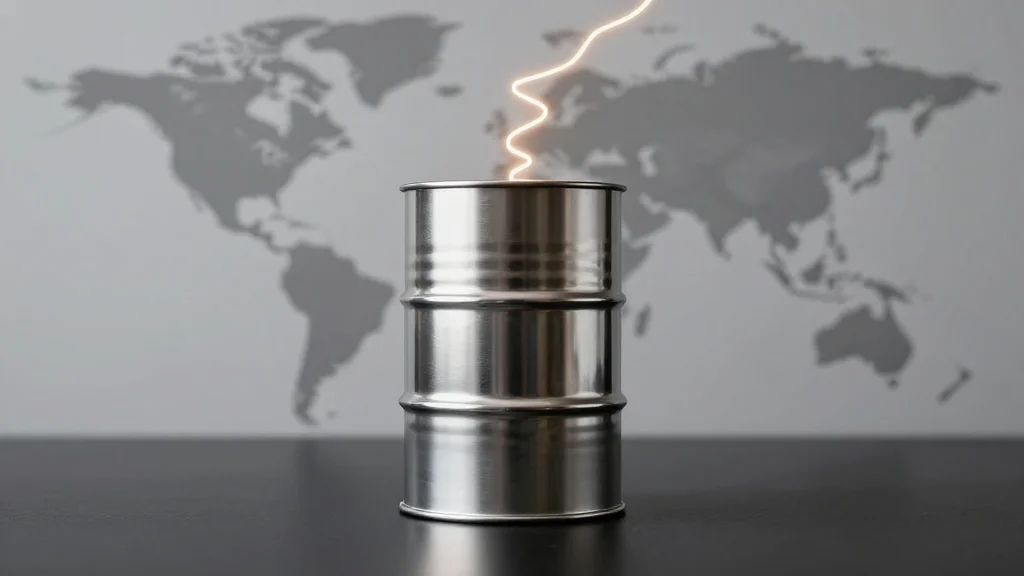
China's April Inflation Rises to 1.2% as Energy Costs Surge Amid Middle East Conflict
China's consumer price index rose to 1.2% year‑on‑year in April 2026, outpacing the 0.8% market forecast. The surge was powered by a 4.6% jump in transport costs as higher global oil prices, spurred by the Iran conflict, ripple through the...

Asia’s Energy Buffers Strain as Iran War Triggers $299 Billion Losses
Asia’s first‑line energy reserves are running dry as the Iran‑U.S. war keeps the Strait of Hormuz closed, driving Brent crude to $120 a barrel and slashing global urea supplies by 30%. The United Nations estimates $299 bn in economic damage and...

Bond Traders Brace for Inflation Data as Fed Powell Era Ends, Yields Near 4%
Investors are positioning for a pivotal U.S. inflation report while the Federal Reserve prepares for a leadership change from Jerome Powell to Kevin Warsh. Two‑year Treasury yields rose to about 3.9% as oil prices stay high, and market participants are...
Why AI Funding Is So Price-Insensitive
In this brief episode, Morgan Stanley’s Global Head of Fixed Income Research, Andrew Sheets, explains why AI‑related capital spending is remarkably price‑insensitive. He highlights the massive $800 billion U.S. tech investment this year—nearly double last year’s spend—and notes that component costs...

Iran War Inflation Crimps Profits, Plans for Investment, Hiring: NABE
A National Association for Business Economics (NABE) survey shows the Iran war‑driven inflation is squeezing corporate profits and prompting firms to cut back on investment and hiring. Forty‑eight percent of respondents say the conflict has harmed their business, with 44%...

Tuesday: Eyes on Australia Budget for Household Help
The episode covers three main topics: the upcoming Australian federal budget and its potential cost‑of‑living measures, rising oil prices after Donald Trump dismissed Iran’s peace‑talks offer, and a deep‑dive on how the Middle‑East conflict threatens aluminium supply, given the region’s...
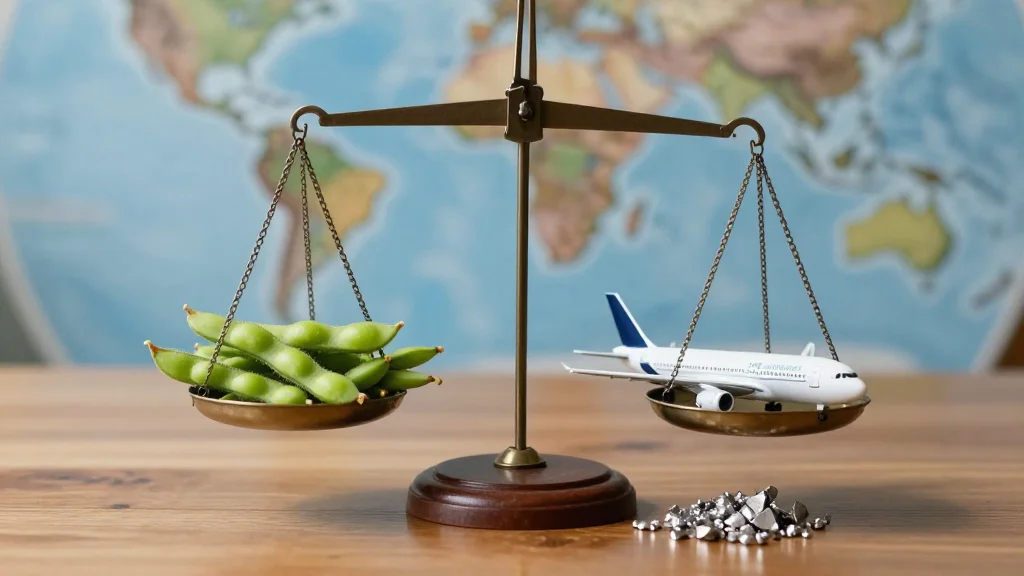
Five Outcomes that Would Make Trump’s Trip to China a Success
President Donald Trump’s week‑long summit in Beijing is framed as a tactical encounter rather than a strategic reset. Both leaders will chase concrete gains—China on export controls, Taiwan rhetoric and tariffs; the U.S. on Chinese purchases of soybeans, aircraft and...

Expect Grocery Prices to Spike by Summer
Grocery prices rose 0.49% in April, driven by sharp increases in fertilizer and fuel costs. Nitrogen fertilizer prices have climbed over 30% and urea 47% since February, while overall fuel and fertilizer expenses are up 20‑40%. The U.S. Senate Agriculture...

The Hormuz Crisis and China’s Energy Security Dilemma
The escalation of the Israel‑U.S. conflict with Iran has disrupted traffic through the Strait of Hormuz, turning a long‑standing strategic risk into an immediate constraint on China’s oil supply. China imports roughly 4 billion barrels of crude each year, with about...
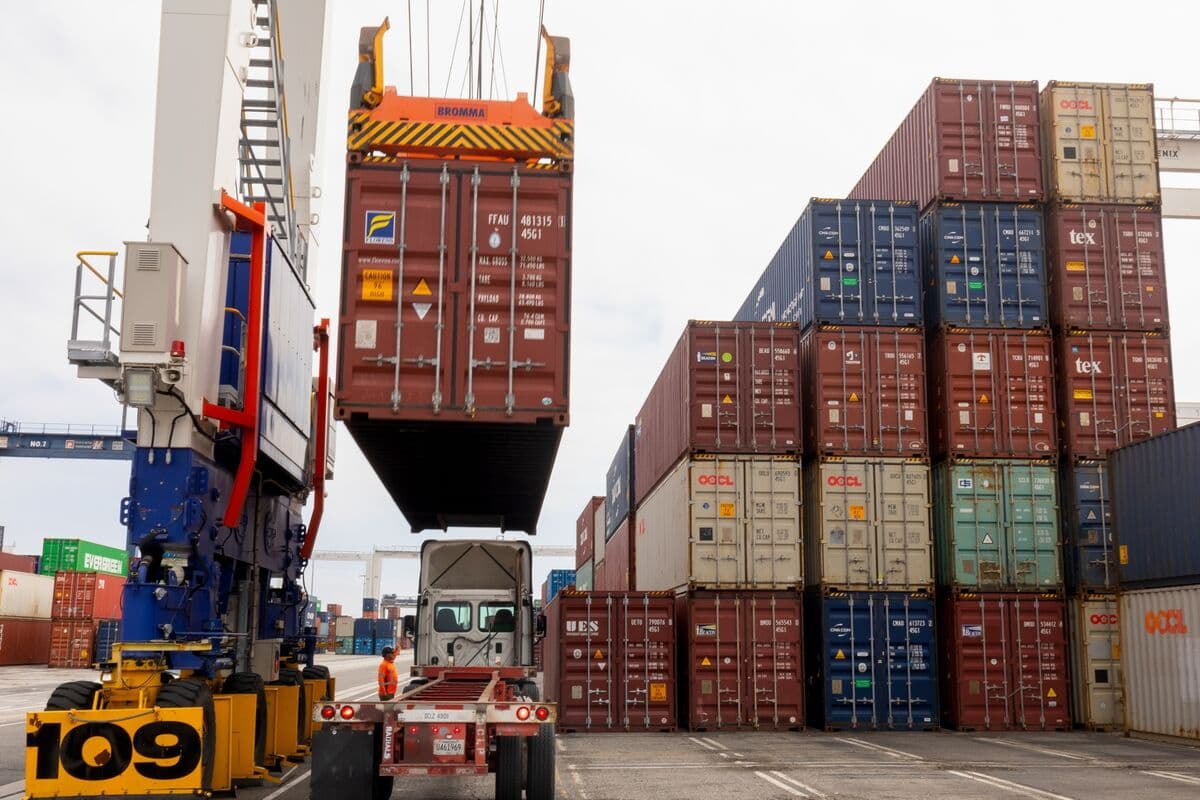
US Asks to Keep Collecting Trump’s Tariffs After Court Loss
The U.S. Court of International Trade ruled that President Donald Trump’s recent 10% global tariffs violated Section 122 of the Trade Act of 1974. The administration has asked the court to pause that ruling while it appeals, seeking to keep the...
Anticipating Real Hourly Wages for April
Analysts are projecting April’s real hourly wages using two price deflators: the traditional CPI and the AIER Everyday Price Index (EPI). The EPI is derived from a regression linking monthly gas price changes to the index, yielding an adjusted R²...

What Will Be in Tonight's Federal Budget? Here Are the Major Measures We Know About so Far
Treasurer Jim Chalmers' fifth federal budget focuses on housing for younger Australians amid rising interest rates and inflation. The plan earmarks AUD 2 billion (≈US 1.3 billion) for councils and utilities to build 65,000 homes, while reforming negative gearing and capital gains tax...
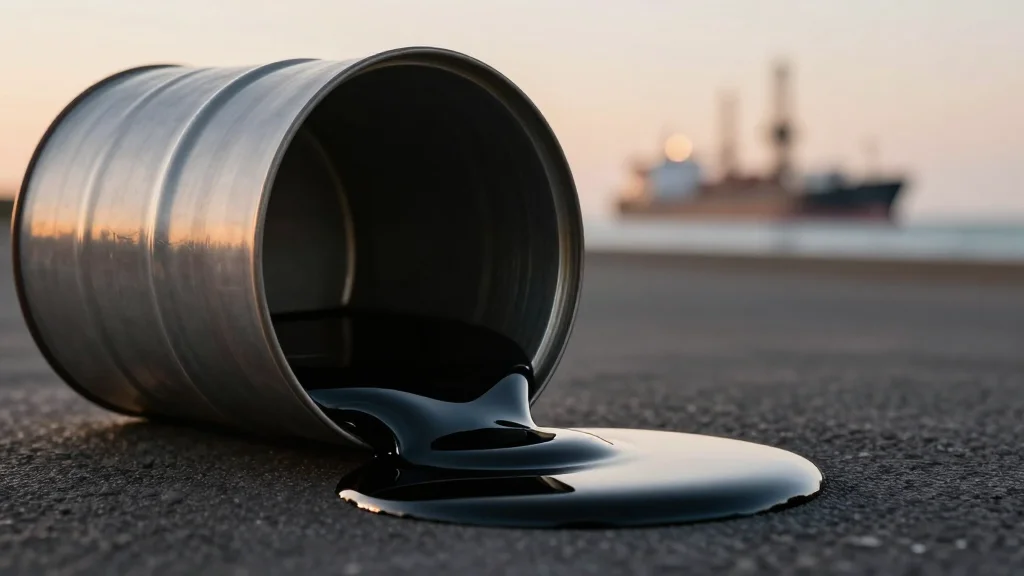
Crude Oil Soars As U.S.-Iran Peace Deal Remains Elusive
Crude oil prices jumped on Monday, with WTI June futures climbing to $98.75 a barrel, a 3.5% gain, after the United States rejected Iran’s proposal to end hostilities. The rejection keeps the strategic Strait of Hormuz closed, heightening supply‑risk concerns...

Foreign Aid Isn’t Disappearing. It’s Being Rewritten as Trade. The World Isn't Ready for That Shift.
The United States is redefining its foreign assistance by replacing traditional aid with a trade‑focused strategy, a shift formalized by Secretary of State Marco Rubio’s “aid‑to‑trade” realignment. Budget revisions are moving USAID programs into the State Department and USDA, emphasizing...

Beyond Hormuz: Global Energy Chokepoints at Risk
Strait of Hormuz Just One of Many Vulnerable Global Energy Chokepoints Abishur "Mr Geopolitics" Prakash discusses which other oil/LNG chokepoints in the world might be blockaded next. #cdnpoli https://youtu.be/zK6jI-whBkY

ESLR Reform Proved Liquidity Forecast Right
Remember when a lot of pundits said that liquidity would weaken this year, and that risk assets would not get the fuel? I kept referring to eSLR as an overlooked reform, and it has been pretty damn spot on. This...
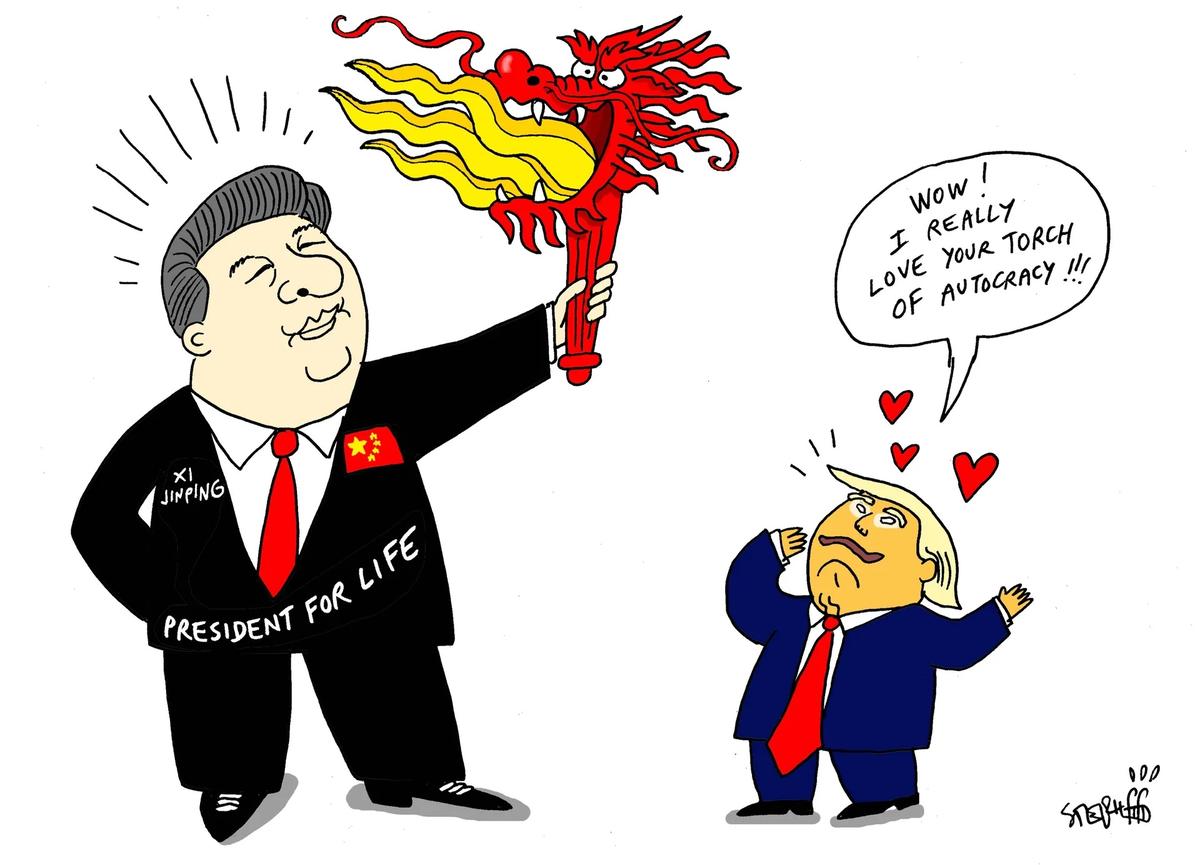
Trump’s Coming Kowtow to Chinese Dictator He Admires and Envies
On May 14, Donald Trump will travel to Beijing for the first of four planned meetings with President Xi Jinping. While the agenda was billed as a step toward stabilizing the U.S.-China trade war, the dominant issue is Iran, where...
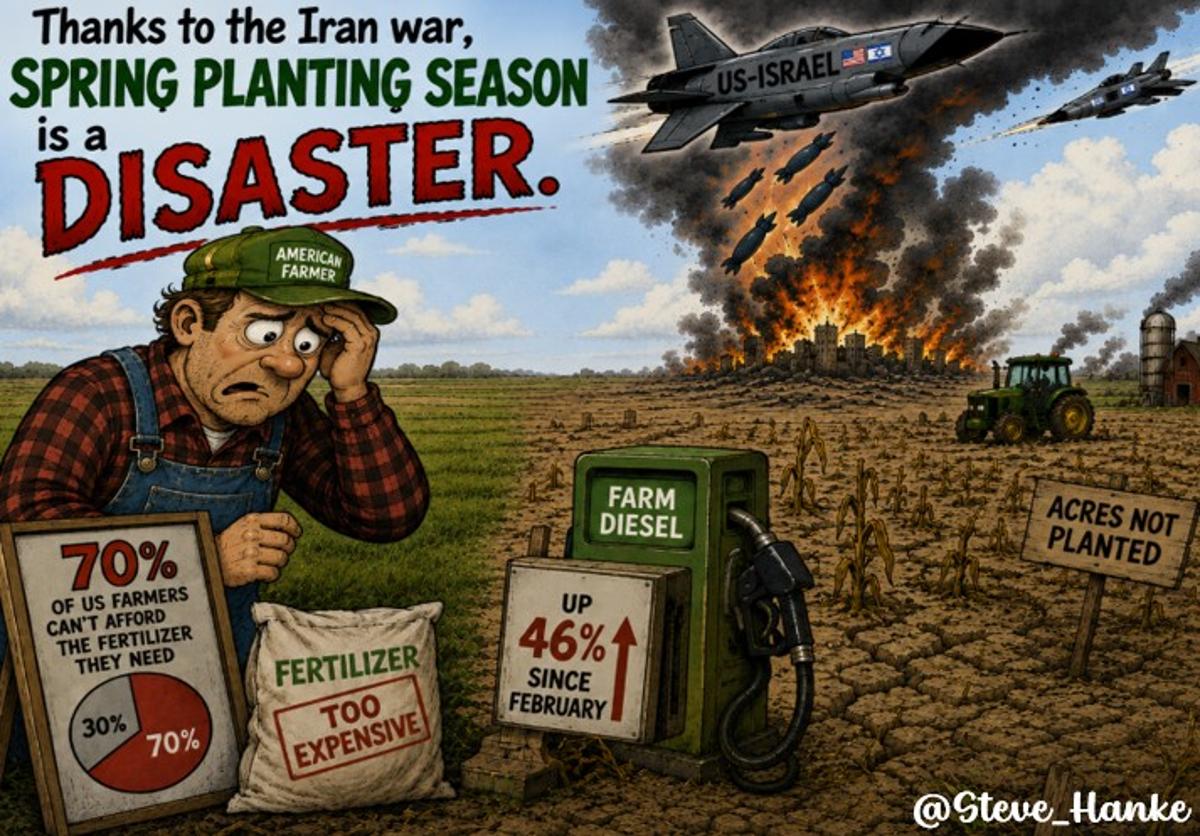
US‑Israeli War on Iran Fuels Farmer Planting Crisis
Thanks to the US-Israeli war on Iran, spring planting season is turned into a DISASTER for American farmers. They can’t afford two key inputs: fertilizer and diesel fuel. US-ISRAELI WAR ON IRAN = MASSIVE COLLATERAL DAMAGE. https://t.co/BaHfrAjtfl

U.S. Economy Still 1.5× Larger Than China
There were predictions about China overtaking the U.S. economy by now, but the U.S. is at least 1.5 times bigger at $32 trillion vs China’s $20 trillion. China’s economy has been plagued in recent years by deflation, a property crisis and...

Why June Is the Oil Market’s Point of No Return
The U.S.-Iran conflict has effectively shut the Strait of Hormuz, cutting roughly 14.5 million barrels per day of Middle‑East crude and driving global oil inventories down at a record 11‑12 million barrels daily. JP Morgan warns that only 800 million barrels of the 8.4 billion‑barrel...
Trump to Slash Beef Tariffs to Curb Meat Prices
US President Donald Trump will sign an executive order to, in effect, lower tariffs on foreign beef imports as the White House struggles to reduce meat prices.

China’s $1 Trillion US Reinvestment Sparks Network‑Style Alarm
Discussion of a prospective $1 trillion dollar reinvestment plan by China into the US is basically this scene from Network👇 https://t.co/htvQHKHiXH

Kevin Warsh Is Expected to Be Confirmed as Fed Chair This Week. This Is What It Means for Advisors
Former Fed Governor Kevin Warsh is poised to be confirmed this week as the next Federal Reserve Chair, succeeding Jerome Powell in May. His confirmation would clear the way for the rate cuts President Trump has been urging, with advisors...
EU Greenlights Mexico Deals Ahead of Historic Summit
JUST IN: The European Council approves Mexico deals before their first summit in over a decade.
Inflation Near Three-Year High, Data Expected Tuesday
JUST IN: Tuesday's inflation data is expected to indicate prices at nearly a three-year high.

Gold Ticks Lower Amid Increasing Oil-Driven Inflation Concerns After U.S. Rejects Iran's Peace Plan
Gold edged lower on Monday, slipping 0.01% to $4,730.50 per ounce after the United States dismissed Iran's counter‑proposal to a peace plan, reigniting oil‑driven inflation concerns. Silver surged 6.5% to $85.84 per ounce as investors shifted toward risk‑on assets. The...
Markets Rally as Iran Peace Hopes Fade
JUST IN: Oil, stocks, VIX, and yields rise as hopes for an Iran peace deal plunge.

UK Sanctions Iranian-Linked Network over Attack Plots
JUST IN: The UK sanctions a network linked to Iran, citing attack plots and finance operations.
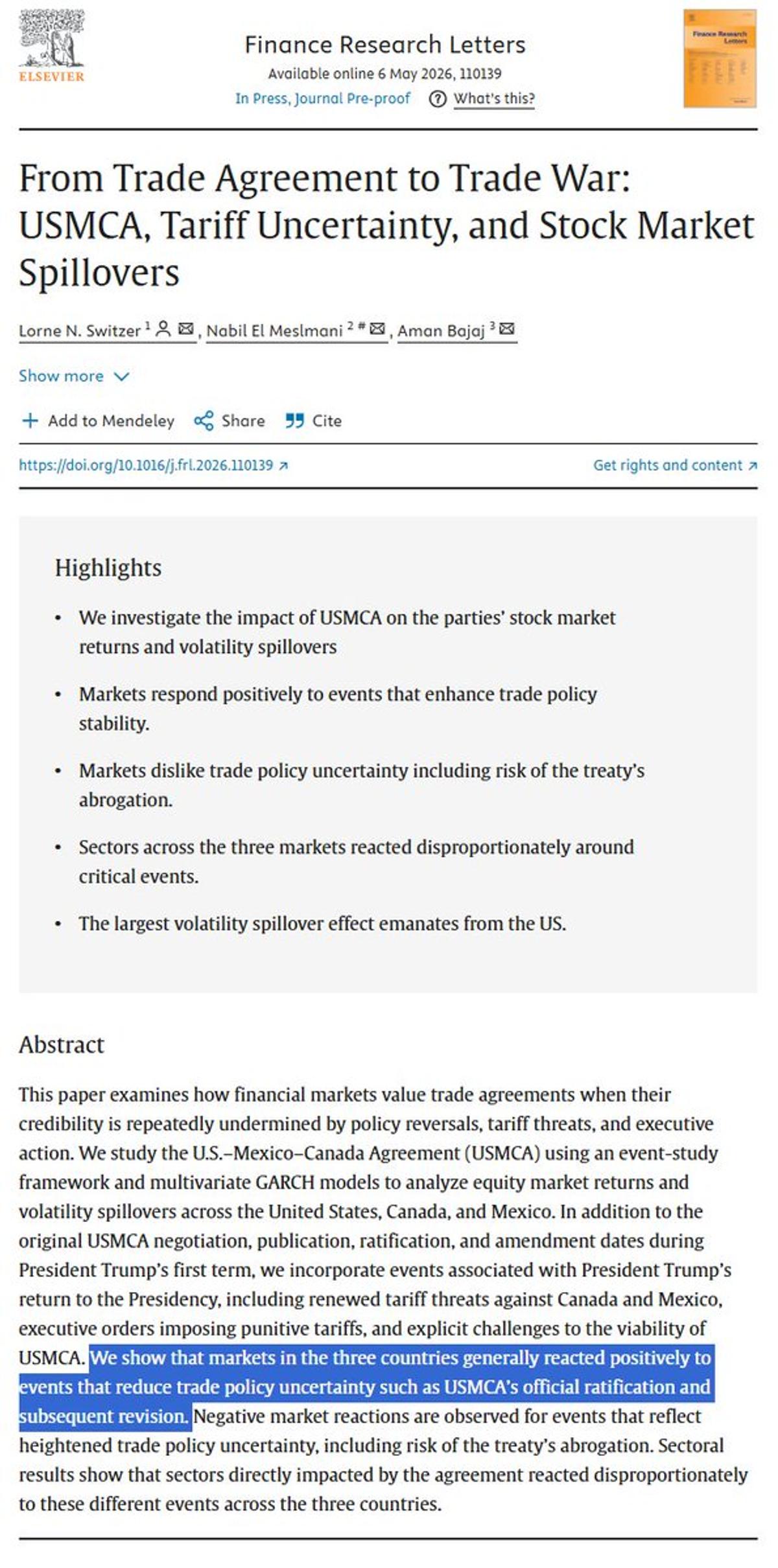
USMCA Uncertainty Triggers Stock Market Spillover Effects
"From Trade Agreement to Trade War: USMCA, Tariff Uncertainty, and Stock Market Spillovers" https://t.co/y7YeegL2TO https://t.co/fsDht48TW1
OPEC Output Drops to Record Low Amid Hormuz Disruption
JUST IN: OPEC oil output hits a new low in April due to Hormuz export disruption.
Market Soars Amid Hormuz Tensions, AI Offers Explanation
Austin: Iran's neighbors are not cool with them having sovereignty over the Strait of Hormuz, so this conflict will not be resolved for a while ... and yet the market is ripping anyway. 🚀 Ram: This entire market can be explained by...

US Spots China's Oil Weakness, Trump Leverages It
Chris Perkins on Iran: The US has identified a vulnerability with China -- in terms of oil. Trump is feeling like he has some leverage and is bringing American businessmen and women to get deals done. https://t.co/74yrKrKmOJ

Dollar Shorts At Risk as Hawkish Fed Looms
I think dollar shorts are vulnerable here and I'm not sure DXY's next go at 100 is going to hold again. Economic data continues to show stabilization and improvement while inflation will worsen in the near-term. Hawkish is the path...

April CPI Set for Double Surge: Crude Spike, Core Correction
Tomorrow's April CPI will be a double whammy. Headline will surge because of crude and core will set higher to correct for the "error" from last Oct because of the government shutdown.
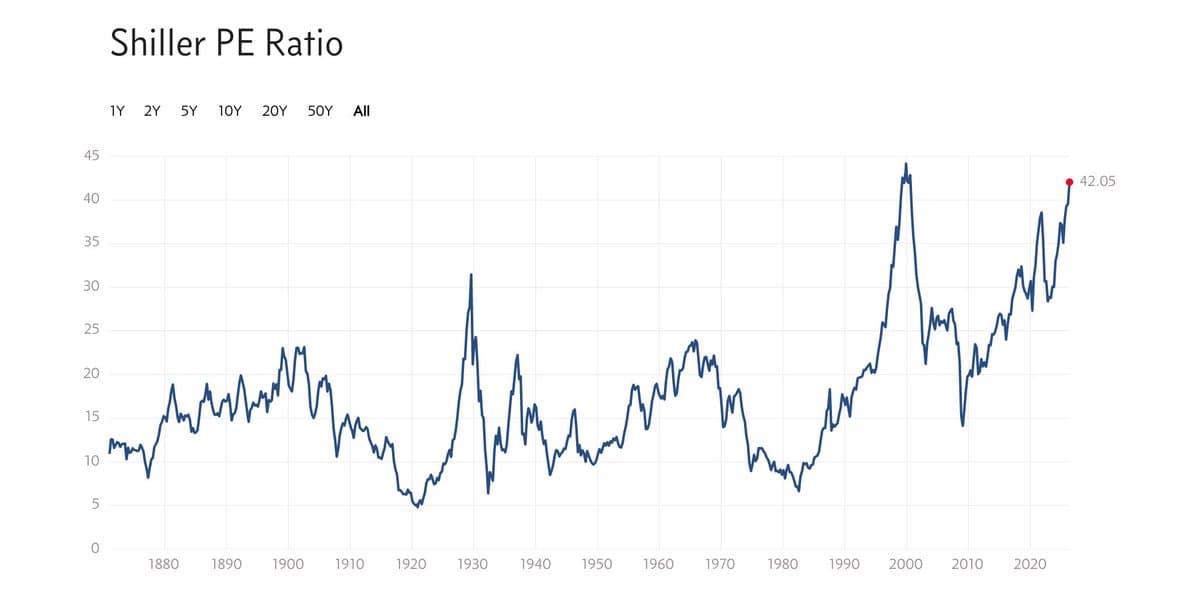
S&P 8,200 Triggers Record CAPE, Sub‑1% Yield
Ballpark 8,200 on the S&P gets us to an all-time high CAPE ratio and sub 1% dividend yield... Think it happens in 2026? https://t.co/MHciDgAS42
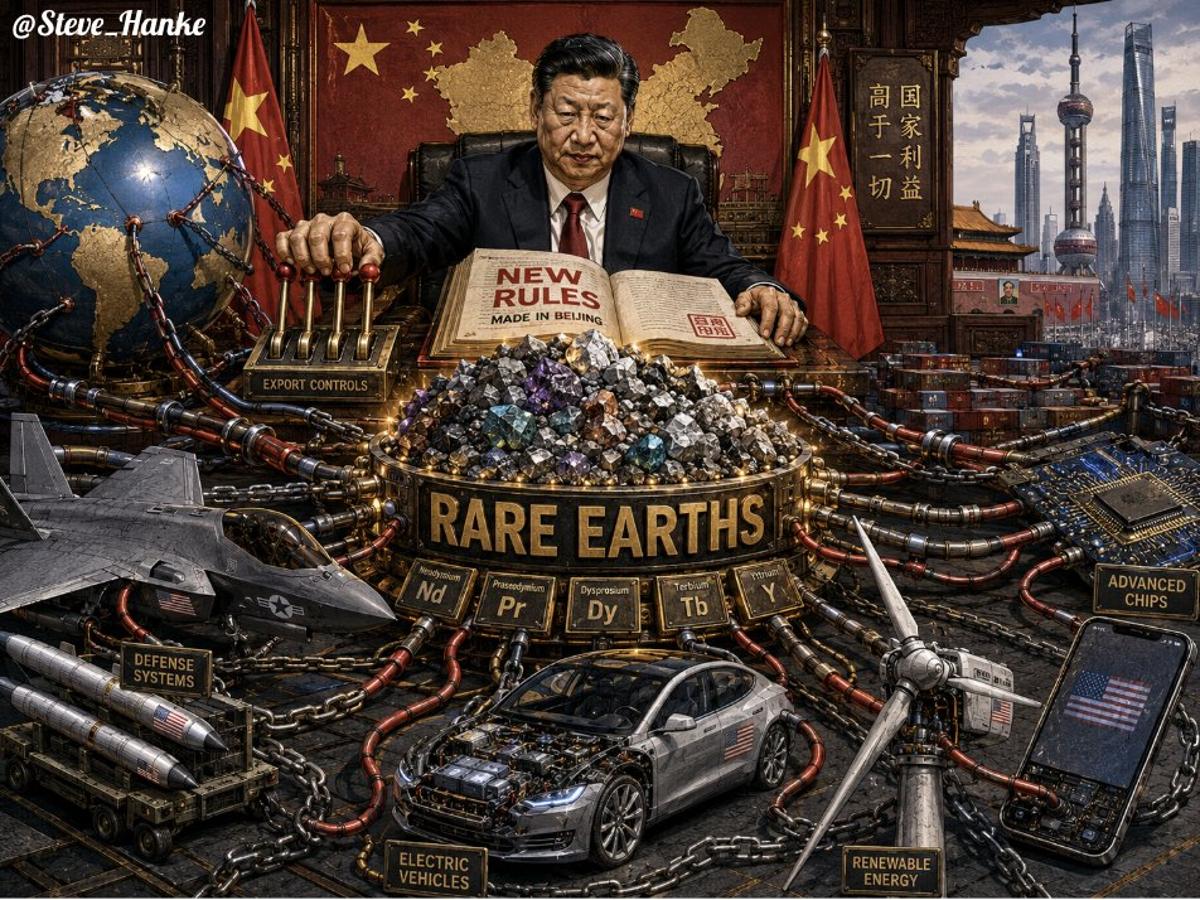
China Controls Rare Earths Powering U.S. Tech
My take in @FortuneMagazine on China’s ace - rare earths: “Every advanced weapons system, electric drivetrain, wind turbine, and smartphone in the US runs through China’s critical materials.” The rules are being rewritten, and they are being rewritten in Beijing. https://t.co/m5S1TtrB5g