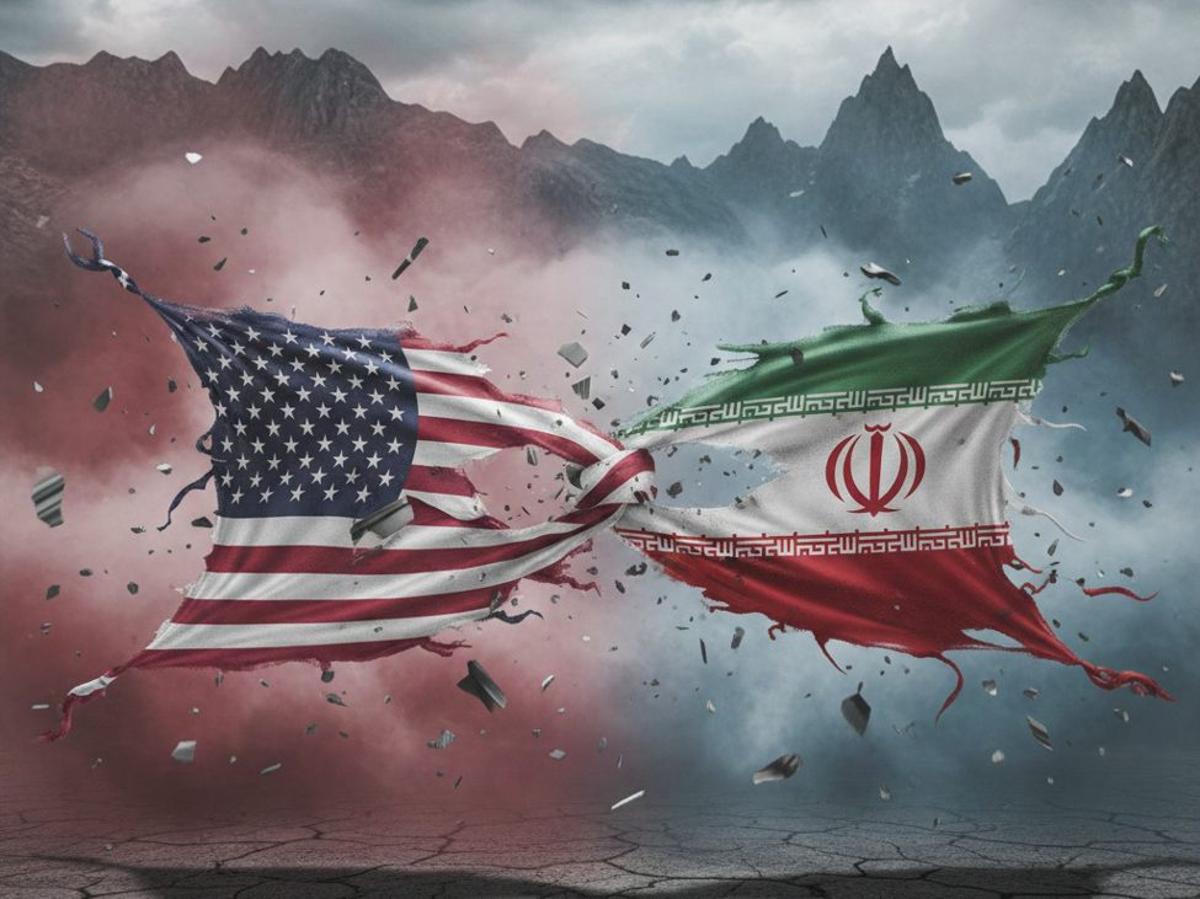
After Talking the Talk, It Is Time for US (and Iran) to Walk the Walk
Why It Matters
The ceasefire’s success will determine whether the Strait of Hormuz— a vital artery for world oil—reopens, directly affecting global markets and U.S. political capital ahead of the midterms.
Key Takeaways
- •Trump announced a two‑week ceasefire tied to Strait of Hormuz reopening.
- •US and Iran negotiate different proposals: 15‑point vs 10‑point lists.
- •Iran claims three ceasefire terms already violated, especially concerning Lebanon.
- •Market anxiety persists; oil prices rise, dollar strengthens, bond yields climb.
- •Outcome will influence US midterm politics and global energy supply.
Pulse Analysis
The United States and Iran are now locked in a high‑stakes diplomatic dance, with a two‑week ceasefire serving as the provisional bridge. Washington’s 15‑point agenda diverges from Tehran’s 10‑point outline, creating a negotiation gap that could unravel the fragile truce. Central to the talks is the Strait of Hormuz, through which roughly a fifth of global oil passes; any prolonged closure would tighten supply, push crude prices higher, and amplify geopolitical risk premiums.
Financial markets have already priced in the uncertainty. Oil futures surged after the ceasefire announcement, while the U.S. dollar rallied and Treasury yields climbed, reflecting investors’ appetite for safety amid supply‑chain concerns. For President Trump, the stakes are twofold: restoring energy market stability to curb inflationary pressures at home, and securing a political win before the 2026 midterm elections. A successful reopening of the strait could temper inflation, bolster consumer confidence, and provide a narrative of decisive foreign‑policy leadership.
Looking ahead, the outcome hinges on whether Tehran will concede on contentious issues such as uranium enrichment and Lebanon’s role, and whether Israel will temper its regional ambitions. A limited reopening could keep oil markets volatile, while a full restoration would likely ease price pressures and restore investor confidence. Conversely, a breakdown could reignite hostilities, driving oil to new highs and reshaping U.S. diplomatic priorities. Stakeholders from energy traders to policymakers are watching the Islamabad talks closely, aware that the next few days could redraw the risk landscape for the global economy.
After talking the talk, it is time for US (and Iran) to walk the walk


Comments
Want to join the conversation?
Loading comments...