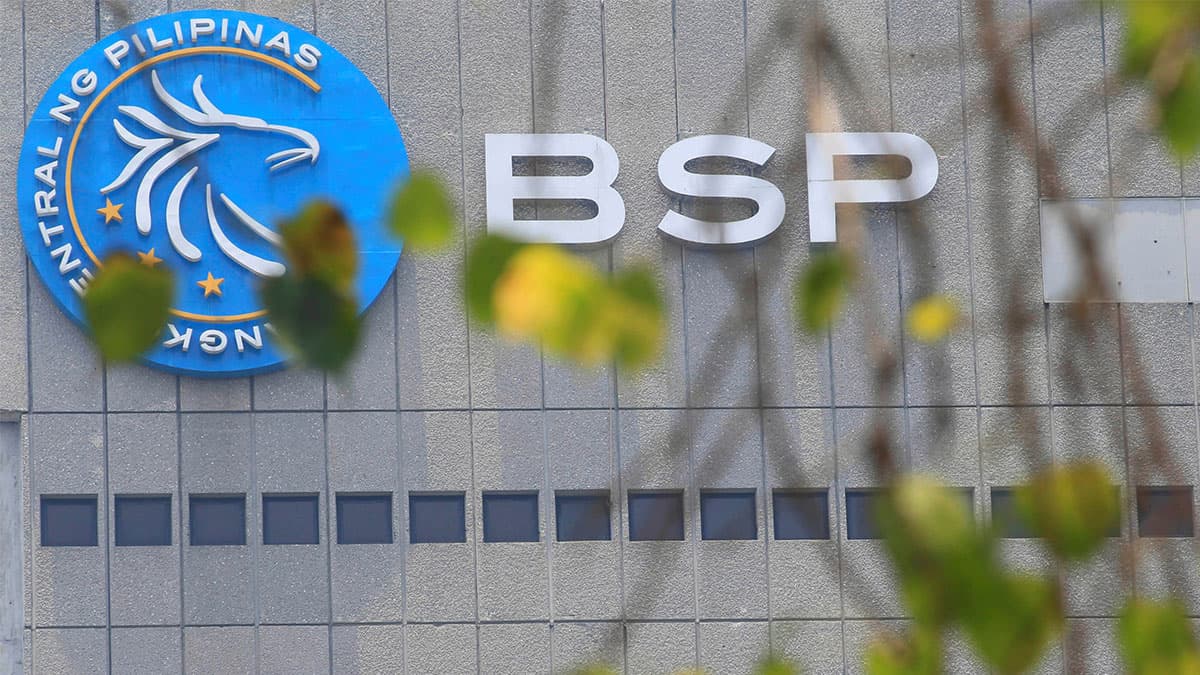
BSP Seen Unlikely to Rush Into Hawkish Action
Why It Matters
The BSP’s stance influences borrowing costs and inflation pressures across the Philippines, affecting both households and businesses. A delayed hike could sustain growth now, but a future tightening would raise financing costs amid volatile commodity markets.
Key Takeaways
- •Oil prices above $100 may pressure BSP policy.
- •Inflation at 2.4% stays within 2‑4% target.
- •Peso hit record low 59.735 per dollar.
- •BSP rate cut to 4.25% supports weak economy.
- •Rate hike possible if oil stays high long-term.
Pulse Analysis
The recent surge in global crude, driven by heightened Middle‑East tensions, has sent oil above the $100 mark, putting import‑dependent economies under strain. The Philippines, which sources most of its energy abroad, feels the impact quickly as higher pump prices feed into consumer inflation. At the same time, the weakening peso amplifies the cost of all imported goods, creating a double‑edged pressure on households and businesses that rely on stable input costs.
Within this backdrop, the Bangko Sentral ng Pilipinas has maintained a dovish posture, cutting its benchmark rate to 4.25% – the lowest in over three years – to support a recovery still haunted by a major graft scandal and a widening fiscal deficit. Inflation, at 2.4% in February, sits comfortably inside the BSP’s 2‑4% tolerance band, allowing policymakers to prioritize growth over immediate price containment. The central bank’s measured approach reflects a broader regional trend where central banks balance external shocks against domestic recovery needs.
Looking ahead, the BSP faces a delicate trade‑off. Should oil prices remain elevated and the peso continue its slide, inflationary pressures could breach the upper target, prompting a policy pivot toward rate hikes. Such a shift would raise borrowing costs, potentially slowing investment and consumer spending. Investors and corporate treasurers therefore monitor oil market developments and currency movements closely, as any change in BSP policy could reshape credit conditions and affect the Philippines’ attractiveness for foreign capital.


Comments
Want to join the conversation?
Loading comments...