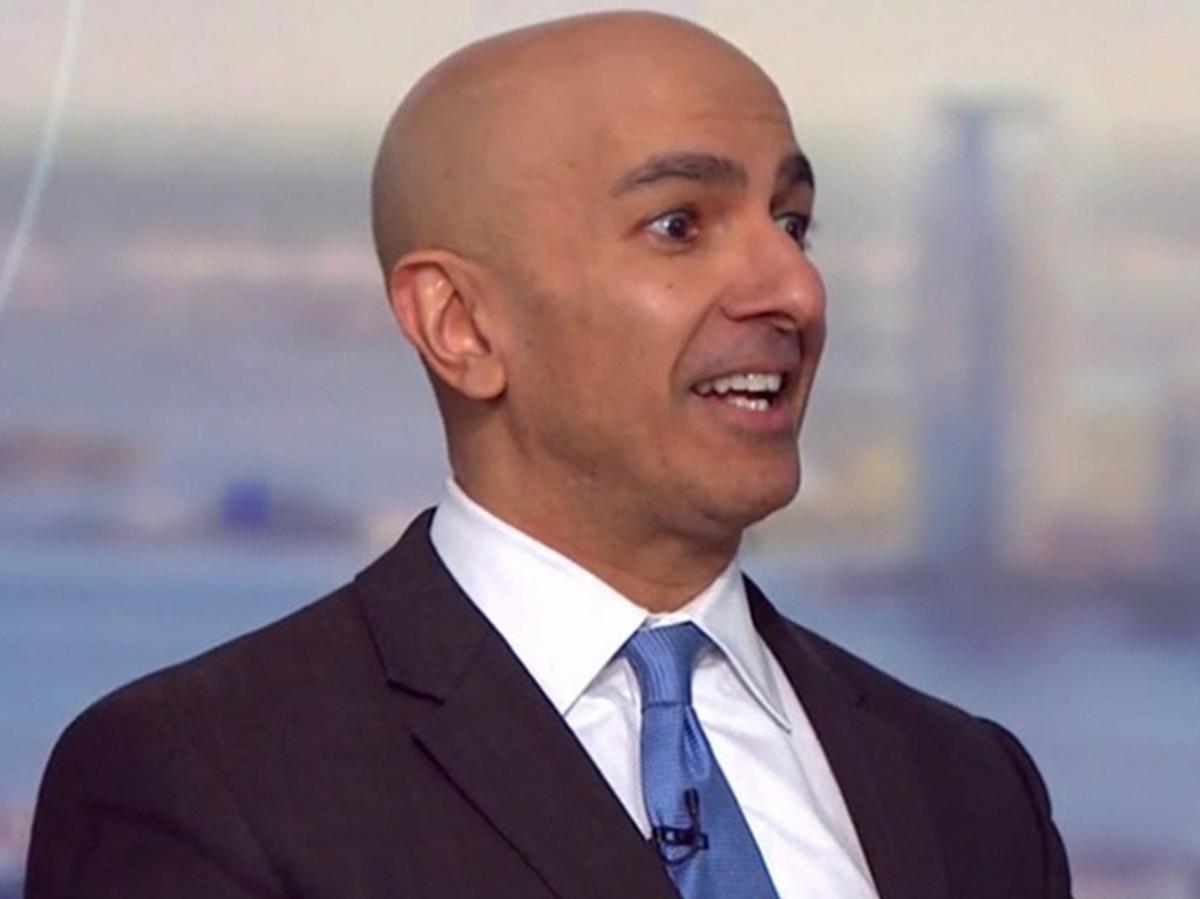
Fed's Kashkari Says Inflation Much Too High and Remains His Top Priority
Why It Matters
Kashkari’s remarks reinforce a hawkish Fed stance, signaling that tighter monetary policy may persist and influencing bond and equity markets that price future rate moves.
Key Takeaways
- •Inflation at 3.8% headline, 2.8% core YoY in April.
- •Kashkari warns unanchored expectations could force aggressive rate hikes.
- •Energy and fertilizer price spikes identified as primary inflation drivers.
- •Labor market remains solid, allowing focus on price stability.
- •Fed likely to keep policy tight amid global commodity shocks.
Pulse Analysis
Kashkari’s comments at the Bank of Japan‑IMES conference underscore the Federal Reserve’s continued focus on taming inflation after more than five years of readings above the 2% target. By highlighting April’s 3.8% headline CPI and a 2.8% annual rise in core CPI, he aligns with other Fed officials who have signaled that the disinflation process is far from complete. The Minneapolis Fed chief’s emphasis on expectations mirrors a broader central‑bank narrative: once households and firms begin to anticipate persistent price gains, wage and price setting can become self‑reinforcing, demanding a more forceful policy response.
The governor pinpointed energy and fertilizer costs as the primary catalysts of the current price surge, tracing their origins to a cascade of global shocks—from the COVID‑19 pandemic and trade tariffs to the wars in Ukraine and Iran. Elevated oil, natural‑gas and fertilizer prices feed directly into transportation, food and industrial inputs, creating a ripple effect across the consumer price basket. This supply‑side pressure complicates the Fed’s traditional demand‑side tools, as lower rates would do little to curb commodity‑driven cost spikes, while higher rates risk slowing an otherwise resilient labor market.
For investors, Kashkari’s warning raises the tail‑risk of a larger-than‑expected rate hike at the Fed’s June meeting. Markets that have priced in a near‑term easing may need to recalibrate, especially in sectors sensitive to borrowing costs such as real estate and technology. Traders will watch upcoming data on energy prices, fertilizer inventories and inflation expectations surveys for clues on whether the Fed will shift from a cautious stance to a more aggressive tightening trajectory.
Fed's Kashkari says inflation much too high and remains his top priority
Comments
Want to join the conversation?
Loading comments...