Hotels News and Headlines
  • All Technology
  • AI
  • Autonomy
  • B2B Growth
  • Big Data
  • BioTech
  • ClimateTech
  • Consumer Tech
  • Crypto
  • Cybersecurity
  • DevOps
  • Digital Marketing
  • Ecommerce
  • EdTech
  • Enterprise
  • FinTech
  • GovTech
  • Hardware
  • HealthTech
  • HRTech
  • LegalTech
  • Nanotech
  • PropTech
  • Quantum
  • Robotics
  • SaaS
  • SpaceTech
AllNewsDealsSocialBlogsVideosPodcastsDigests

Hotels Pulse

EMAIL DIGESTS

Daily

Every morning

Weekly

Sunday recap

NewsDealsSocialBlogsVideosPodcasts
HotelsNewsKomodo Visitor Cap Sparks Concern Among Operators
Komodo Visitor Cap Sparks Concern Among Operators
Hotels

Komodo Visitor Cap Sparks Concern Among Operators

•February 20, 2026
0
TTG Asia
TTG Asia•Feb 20, 2026

Why It Matters

The quota threatens revenue in a tourism‑dependent region while aiming to preserve fragile habitats, and misaligned implementation could erode Komodo’s brand and investor confidence.

Key Takeaways

  • •Daily cap set at 1,000 visitors, trial starts March 2026.
  • •Weather bans already disrupted itineraries, compounding operator challenges.
  • •Operators claim usual traffic rarely exceeds cap, except cruise peaks.
  • •Quota adds coordination complexity among park, port, and meteorology agencies.
  • •Tours pivot to Alor, Sumbawa, Sumba, extending Flores itineraries.

Pulse Analysis

The introduction of a 1,000‑visitor daily limit in Komodo National Park reflects Indonesia’s growing emphasis on ecological stewardship amid rising tourism pressure. While the cap is framed as a protective measure for the park’s unique terrestrial and aquatic species, it also signals a shift toward more managed tourism flows. Policymakers are balancing conservation imperatives with the economic realities of a destination that draws cruise ships and adventure travelers, making the trial period a litmus test for sustainable visitor management in protected areas.

For operators in East Nusa Tenggara, the quota compounds recent disruptions caused by weather‑related sailing suspensions and night‑navigation bans. These constraints have already led to cancellations and rerouted itineraries, squeezing profit margins for local tour companies. In response, many are diversifying product offerings—introducing dugong snorkelling in Alor, whale‑shark encounters in Sumbawa, and cultural tours across Sumba and East Flores. By extending stays to three or four days and positioning Komodo as one stop within a broader Flores circuit, operators aim to preserve revenue streams while complying with the new visitor limits.

The broader industry implication is clear: effective tourism regulation requires seamless coordination among the park authority, port and harbour agencies, and meteorological services. Without aligned policies, uncertainty can damage the destination’s reputation and deter high‑value visitors. As the trial progresses, data on visitor distribution, environmental impact, and economic performance will inform whether the quota becomes permanent or is adjusted. Stakeholders are watching closely, recognizing that Komodo’s future hinges on harmonizing ecological protection with a resilient, diversified tourism economy.

Komodo visitor cap sparks concern among operators

Indonesia’s Ministry of Forestry has capped daily visitor numbers to Komodo National Park at 1,000, citing the need to protect its terrestrial and aquatic ecosystems.

The regulation follows a series of temporary sailing suspensions due to bad weather and night navigation bans across 10 maritime zones, compounding challenges for tourism players in East Nusa Tenggara.

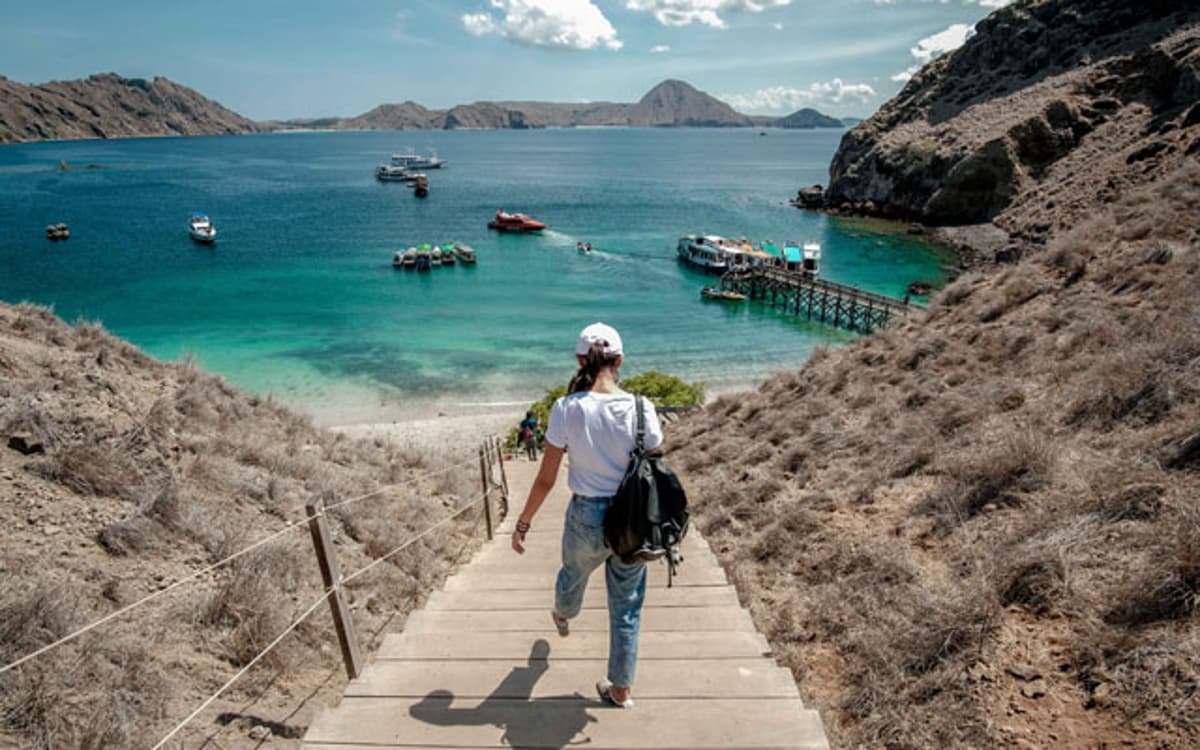
Komodo National Park, home to attractions such as Padar Island, has introduced a 1,000-visitor daily cap; photo by Indonesia Ministry of Tourism

Weather-related suspensions since December have already disrupted itineraries and bookings. Wayan Suena, CEO of Indonesia Impression, told TTG Asia that several groups were unable to depart, resulting in cancellations late last year.

Sari, reservation and contracting manager at Floressa Bali Tours, faced similar setbacks. “I had a group from Taiwan who were supposed to sail to Komodo, but the weather wasn’t (good) last month. They ended up going to Marine Park in Bali to see Komodo. It wasn’t ideal, and a group from Germany decided to cancel the trip altogether.”

Oyan Kristian, chairman of ASITA East Nusa Tenggara, said compliance with safety directives is non-negotiable, but urged policymakers to consider economic sustainability in a tourism-dependent destination. The quota system, he noted, adds operational complexity.

Hendrikus Rani Siga, head of Komodo National Park Management, said in a statement that the quota will apply across all Komodo National Park Natural Tourist Attractions, with a trial period beginning in March 2026.

Industry players have questioned the need for the cap. Sari observed that daily arrivals rarely exceed 1,000 visitors, except during cruise calls or the summer peak season.

Suena echoed the view. “I don’t think customer restrictions are necessary. The Komodo area isn’t just one island; it comprises dozens of islands that allow for spatial distribution.”

Operators said the key issue is coordination and predictability. Leonardus Nyoman, owner of Flores Exotic Tour, warned that misalignment between institutions has created uncertainty.

“When a policy is not aligned across institutions, it creates confusion and damages the destination’s image. People may start questioning their reasons for going to Komodo because the process has become complicated. It also affects business. Tour operators promote the destination in advance, and if guests arrive only to find the quota suddenly full, it becomes a serious problem,” he said.

He called for closer coordination between the Port and Harbour Authority, the park authority and the Meteorology, Climatology and Geophysics Agency.

In response, tour operators are seeking to mitigate potential losses by diverting travel plans beyond Komodo National Park. Wayan has introduced new programmes to Alor for dugong snorkelling and to Sumbawa for whale shark experiences in Saleh Bay. Others are promoting destinations such as Sumba, East Flores and new experiences in Labuan Bajo, while encouraging visitors to extend their stay to three or four days, positioning Komodo as part of a broader Flores itinerary rather than the sole highlight.

Read Original Article
0

Comments

Want to join the conversation?

Loading comments...