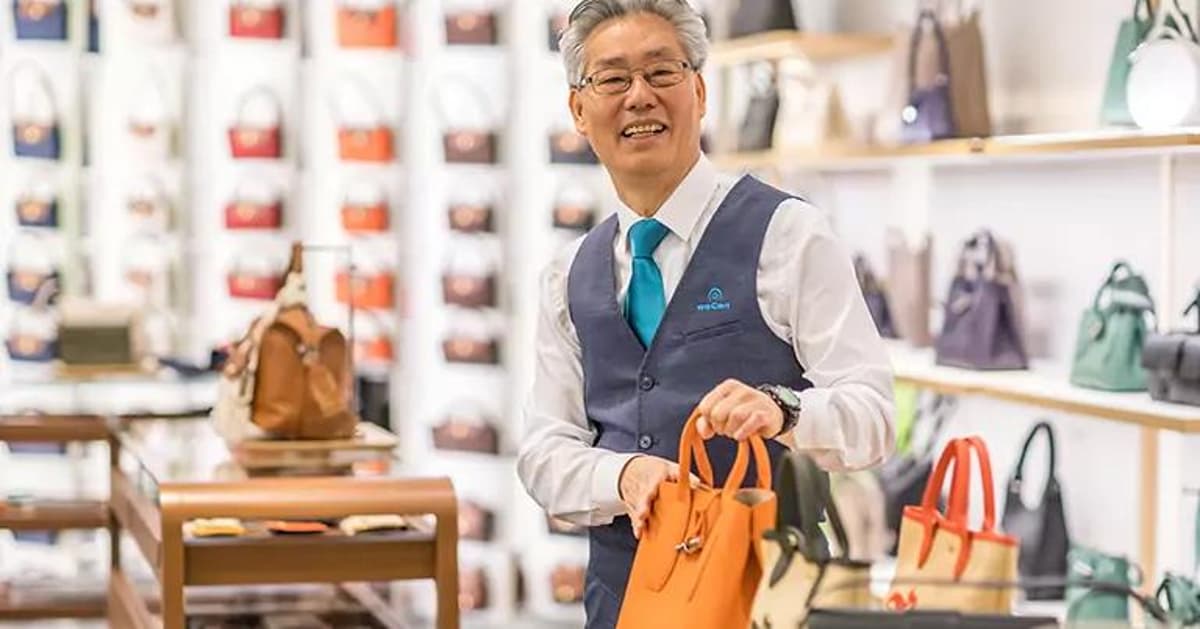
Munich Airport Expands ‘Chinese Shopping Assistant’ Service for Enhanced Travel Experience
Companies Mentioned
Why It Matters
Chinese travelers represent one of the world’s most lucrative airport‑spending cohorts, so personalized assistance directly drives higher retail revenue and improves overall passenger satisfaction. The expansion signals airports’ growing focus on language‑specific CX to capture premium spend.
Key Takeaways
- •Chinese-speaking assistants now in all Munich Airport terminals
- •Assistants help with shopping, security, customs, and VAT refunds
- •Targeting high‑value Chinese travelers boosts premium retail sales
- •Service aligns with Munich Airport’s broader digital and CX strategy
Pulse Analysis
Chinese outbound travel has surged in recent years, with passengers from the People’s Republic accounting for a disproportionate share of airport retail spend. Studies show that a single Chinese traveler can spend three to five times more than the average flyer on duty‑free and luxury goods. Airports worldwide are therefore tailoring services to capture this high‑value segment, from dedicated lounges to targeted marketing campaigns. Munich Airport’s decision to broaden its Chinese Shopping Assistant reflects this macro trend, positioning the hub to compete with Asian gateways that have long catered to Mandarin‑speaking travelers.
The expanded assistant program places bilingual staff in both Terminal 2 and the newly opened Terminal 1 Pier, offering real‑time help with product selection, navigation, security queues, customs clearance, and VAT‑refund procedures. By removing language barriers, the service not only smooths the journey but also encourages impulse purchases at premium boutiques such as BOSS, Moncler, and Rolex‑bearing Hilscher Jewelers. Early pilots reported a measurable uptick in average transaction value among Chinese passengers, suggesting the full‑scale rollout could add several million dollars in ancillary revenue each year.
Munich’s move is part of a broader shift toward hyper‑personalized, data‑driven airport experiences. Competitors like Shanghai Pudong and Dubai International have already deployed AI‑powered concierge apps and multilingual staff to similar effect. As airlines and airports integrate more digital touchpoints, language‑specific assistance will become a baseline expectation rather than a differentiator. For Munich, the Chinese Shopping Assistant not only strengthens its retail ecosystem but also showcases its commitment to innovative, customer‑centric services that can be replicated across other high‑spending demographics.
Munich Airport expands ‘Chinese Shopping Assistant’ service for enhanced travel experience


Comments
Want to join the conversation?
Loading comments...