The P3 Is Increasingly the Answer to Non-Aeronautical Infrastructure Needs at US Airports
Why It Matters
Project‑level PPPs provide a scalable pathway for U.S. airports to unlock private capital and operational expertise without ceding full control, accelerating modernization and revenue diversification.
Key Takeaways
- •Over 600 US airports use PPP principles
- •Only two US airports have full concession leases
- •LAX ConRAC built by 13‑member consortium
- •Private sector influence on airport infrastructure set to grow
Pulse Analysis
The United States remains an outlier in airport ownership structures, with more than 600 facilities employing public‑private partnership (PPP) frameworks yet just two operating under full‑concession leases. This disparity reflects a cautious regulatory environment, but it also highlights the flexibility of project‑specific PPPs that allow airports to tap private expertise while retaining public oversight. By focusing on discrete assets—such as terminals, parking structures, or ground‑handling facilities—U.S. airports can attract investment without the political complexities of full privatization.
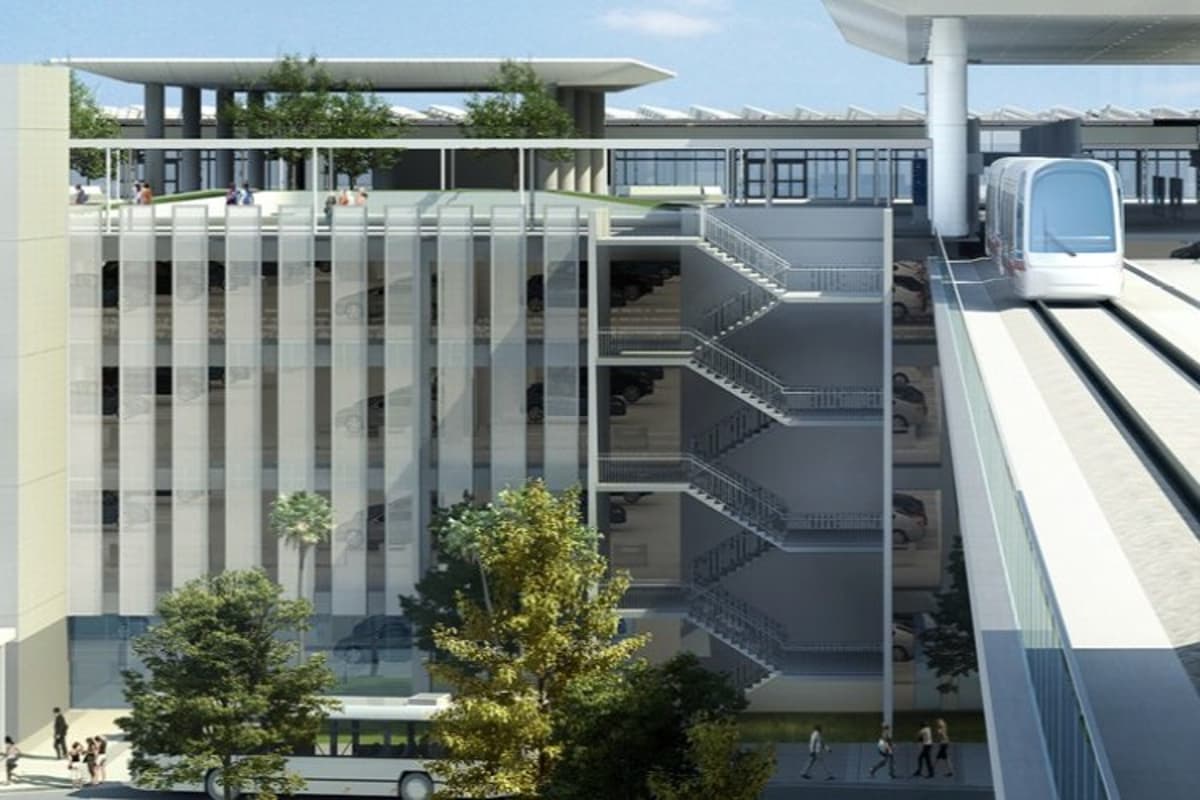
A flagship example is the consolidated car‑rental (ConRAC) complex at Los Angeles International Airport (LAX), the nation’s fifth‑busiest hub. A consortium of 13 companies designed, built, and now operates the facility, consolidating all rental agencies under one roof and integrating with adjacent PPP projects like the under‑construction People Mover and a new Metro rail station. This synergy not only streamlines passenger flow but also creates ancillary revenue streams and operational efficiencies that traditional fragmented rental setups lack.
Looking ahead, the momentum behind airport‑level PPPs is set to accelerate. Emerging ConRAC projects at other major hubs, alongside investments in baggage‑handling automation and terminal expansions, suggest a broader shift toward private‑sector participation in non‑aeronautical revenue generators. For investors and infrastructure funds, these developments offer a diversified portfolio of stable, inflation‑linked cash flows, while airlines and local authorities benefit from modernized facilities that enhance the passenger experience and boost ancillary earnings.
The P3 is increasingly the answer to non-aeronautical infrastructure needs at US airports
Comments
Want to join the conversation?
Loading comments...