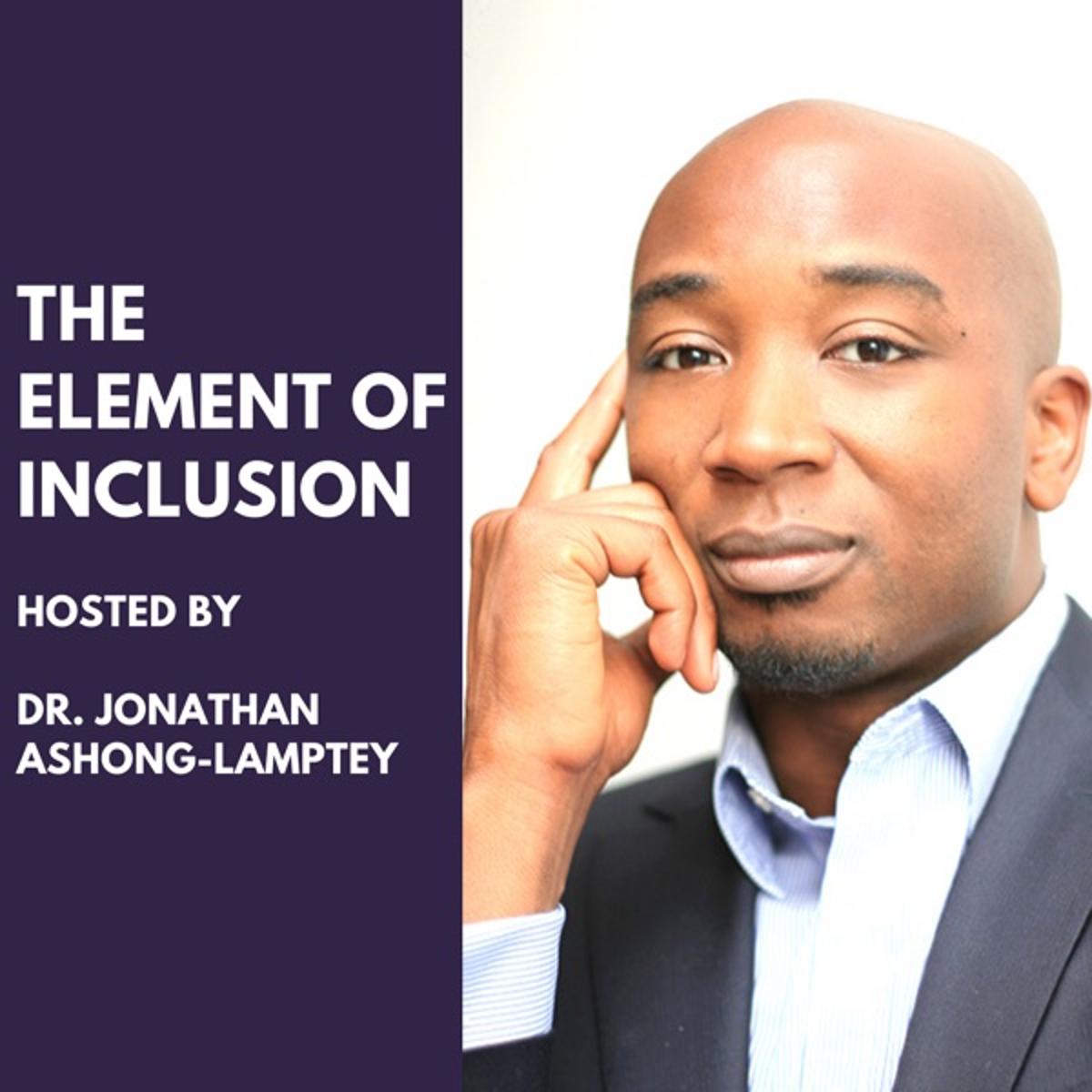
The Element of Inclusion
Why Your AI Hiring System Is Making Decisions You Can’t Defend
Why It Matters
Invisible AI filters can silently exclude qualified talent and expose firms to compliance and reputational risks, making it crucial for HR leaders to audit and justify every hiring rule. As organizations race to build diverse workforces, understanding and correcting these hidden biases offers a quick, measurable path to better outcomes and stronger accountability.
Key Takeaways
- •AI hiring tools embed hidden decision filters
- •Invisible filters often rely on unsupported assumptions
- •Unjustified rules expose companies to legal and talent risk
- •Removing biased filters can boost pipeline diversity by 25%
Pulse Analysis
In today’s episode, Dr. Jonathan exposes how AI‑driven hiring platforms silently apply invisible filters that shape candidate pools without human oversight. He illustrates the issue with a salary‑expectation screen that automatically disqualified high‑askers, a rule many recruiters could not explain. Such hidden logic not only erodes decision quality but also creates legal exposure when organizations cannot justify rejections. By highlighting the gap between assumed cost‑savings and actual performance data, the discussion underscores why every automated rule must be transparent and evidence‑based.
The host stresses that most of these filters fail the “evidence test.” Companies often adopt assumptions—like equating higher salary demands with lower viability—without measurable proof of impact on hiring outcomes. When a rule cannot be traced to reliable data, it becomes guesswork, weakening credibility and opening the door to discrimination claims. Dr. Jonathan recommends a structured “reporting reality check,” a framework that converts opaque decisions into auditable metrics, enabling HR leaders to defend choices and align hiring practices with organizational goals.
Finally, the episode demonstrates the tangible benefits of correcting biased filters. By removing the salary‑expectation screen, one client increased the diversity of its talent pipeline by 25%, proving that decision‑level adjustments, not additional training programs, drive inclusion. This case study reinforces that inclusive hiring is a function of sound, defensible decision design rather than superficial initiatives. Listeners are urged to audit every rule in their AI hiring stack and explore the show notes for tools that make hiring decisions measurable, accountable, and fair.
Episode Description
If hiring systems apply hidden filters, decision quality weakens and outcomes become indefensible. Here I explain how unseen rules shape results.
In this episode we cover:
- How hidden filters shape candidate selection outcomes
If your challenge is proving hiring decisions with credible evidence, begin here:
The post Why Your AI Hiring System Is Making Decisions You Can’t Defend appeared first on Element of Inclusion.


Comments
Want to join the conversation?
Loading comments...