
The Unexamined Narrative: What Pundits Get Wrong About the American University
Key Takeaways
- •Academia faces AI‑generated paper challenges.
- •Public universities differ from elite “woke” narratives.
- •Critical thinking eroded by social‑media tribalism.
- •Climbing reinforces discipline and student empathy.
- •Faculty worry about funding and research cuts.
Summary
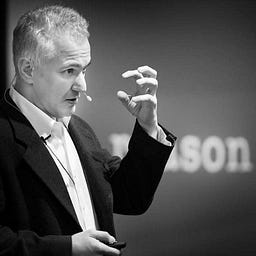
Bill Ramsey, a philosophy professor at UNLV and elite rock climber, sat down for a Substack interview that challenges the prevailing media narrative about American universities. He argues that the “woke‑culture” hype largely reflects a few elite private campuses, while most public institutions grapple with concrete issues like AI‑generated essays, shrinking research budgets, and student distraction by social media. Ramsey also links his climbing discipline to teaching, saying it sharpens critical thinking and empathy for students. The conversation underscores a broader call for good‑faith debate and a return to intellectual rigor on campus.
Pulse Analysis
The media’s portrayal of American universities often conflates isolated incidents at elite private schools with the broader landscape of public higher education. Bill Ramsey’s experience at UNLV illustrates that most faculty are not preoccupied with “trigger warnings” or ideological litmus tests, but with tangible concerns such as the rise of AI‑written assignments, dwindling state support for basic research, and the need to equip students with critical‑thinking tools in an attention‑driven digital age. By separating anecdotal sensationalism from systemic realities, the conversation invites a more nuanced public discourse about the actual state of academia.
Beyond the classroom, Ramsey highlights how external pursuits like rock climbing reinforce the very pedagogical goals universities claim to champion. The discipline, risk assessment, and collaborative trust required on a climbing wall translate directly into teaching strategies that foster resilience, problem‑solving, and empathy among students. Interacting with climbers of diverse ages and backgrounds provides faculty with fresh perspectives on student motivations, helping bridge the gap between theory and lived experience. This cross‑disciplinary synergy exemplifies how holistic development can enhance scholarly effectiveness.
The broader implication is a call to restore good‑faith, evidence‑based dialogue within and beyond campus walls. As tribalism and algorithm‑driven echo chambers dominate public conversation, universities must double down on fostering open debate, rigorous epistemology, and ethical reasoning—core tenets of philosophy and liberal education. Recognizing the distinct challenges of public institutions, while learning from the disciplined mindset of pursuits like climbing, can equip educators to navigate political pressures, funding uncertainties, and the evolving digital landscape, ultimately preserving the intellectual integrity essential for a thriving democratic society.


Comments
Want to join the conversation?