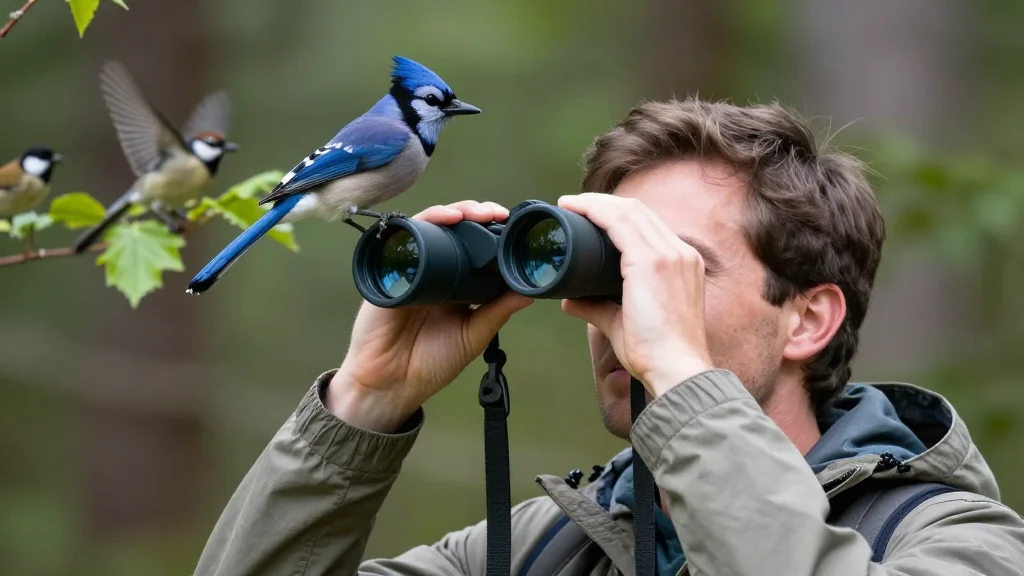
Birdwatching Linked to Slower Cognitive Aging in New Study

Why It Matters
The study provides a concrete, low‑cost avenue for individuals to protect cognitive function, a priority as the global population ages. By linking a leisure activity to measurable brain changes, the research bridges public health, neuroscience, and community engagement, offering policymakers a scalable intervention that does not require expensive infrastructure. If the findings hold up in broader trials, health insurers and senior‑care providers may incorporate birdwatching programs into preventive‑care packages, potentially reducing the societal burden of dementia and related disorders. Moreover, the emphasis on social interaction aligns with growing evidence that loneliness accelerates cognitive decline, suggesting a dual benefit of mental stimulation and community building.
Key Takeaways
- •Journal of Neuroscience study finds regular birdwatching improves memory, attention, and processing speed.
- •Participants who birdwatched in groups showed a 12% increase in hippocampal volume over six months.
- •Social interaction during birdwatching is identified as a key driver of neuroplastic benefits.
- •The hobby requires minimal equipment, making it an affordable public‑health strategy.
- •Researchers plan a larger, multi‑site trial to confirm results across varied populations.
Pulse Analysis
The birdwatching study arrives at a moment when the market for cognitive‑enhancement solutions is saturated with high‑tech gadgets, brain‑training apps, and costly clinical programs. Its low‑tech, community‑oriented approach could disrupt that space by offering a scalable, low‑cost alternative that leverages existing natural environments. Historically, interventions that combine physical activity, mental challenge, and social engagement—such as dancing or group exercise classes—have shown the strongest outcomes for older adults. Birdwatching fits this triad while also tapping into a growing eco‑tourism trend, potentially attracting a demographic that values sustainability.
From a competitive standpoint, the findings may spur nonprofit organizations, parks, and local governments to invest in bird‑habitat preservation as a public‑health measure. Funding streams that previously targeted traditional medical research could be redirected toward community‑based programs that encourage outdoor participation. Companies that produce binoculars, field guides, and citizen‑science platforms may see a surge in demand, prompting a new niche market for tech‑enhanced birdwatching tools that track cognitive metrics.
Looking ahead, the key question is whether the observed brain changes translate into long‑term reductions in dementia incidence. If subsequent trials confirm a causal link, insurers could begin offering premium discounts for members who log regular birdwatching activity, mirroring existing wellness incentives for gym attendance. The study thus opens a pathway for integrating nature‑based hobbies into formal health‑maintenance frameworks, reshaping how society approaches cognitive aging.
Birdwatching Linked to Slower Cognitive Aging in New Study
Comments
Want to join the conversation?
Loading comments...