Diet and Healthspan - Uncertain but High Value
Key Takeaways
- •Shifting to whole‑grain, legume, fruit diet adds ~10 years life expectancy.
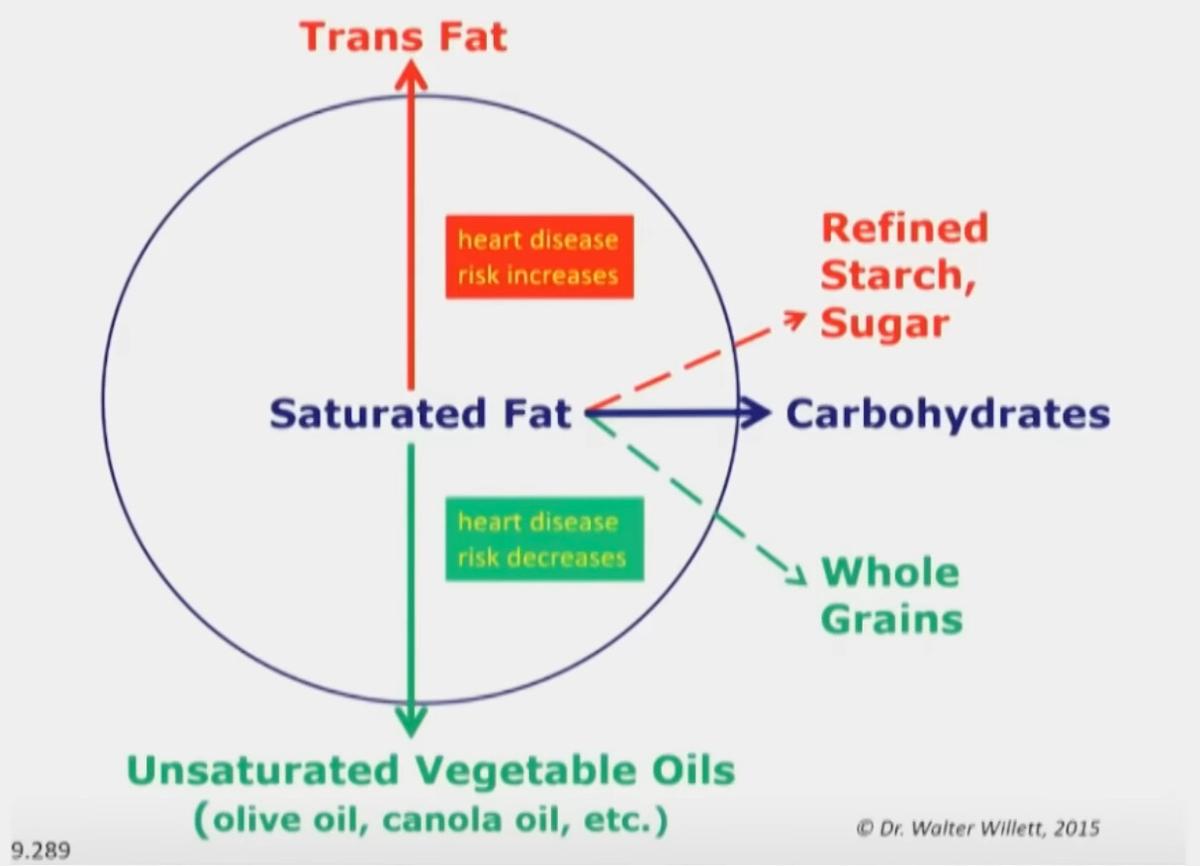
- •Replacing processed meat with legumes or sardines cuts saturated fat and costs.
- •Frozen fruits/veggies retain nutrients while saving up to 30% on grocery bills.
- •Simple pantry staples cost pennies per serving and boost microbiome health.
- •Even at age 70, diet changes can add 4‑5 years remaining life.
Pulse Analysis
The University of Bergen’s epidemiological model, built on 467,354 UK Biobank participants, provides one of the most granular looks at diet‑driven longevity. By comparing a high‑quality “longevity diet”—rich in whole grains, nuts, fruits, legumes, and low in sugary drinks and processed meats—to typical Western patterns, the researchers derived hazard ratios that translate into a 10‑year life‑expectancy boost for 40‑year‑olds. This magnitude rivals many pharmacological interventions, positioning nutrition as a primary preventive tool in an aging population.
Beyond the science, the Business Insider piece emphasizes that these gains are attainable without premium price tags. Shelf‑stable staples such as beans, lentils, oats, and brown rice cost only a few cents per serving, while frozen produce offers comparable micronutrient profiles to fresh, peak‑season items at 20‑30% lower cost. Swapping sugary sodas for tea or processed meats for sardines not only trims saturated fat intake but also reduces grocery bills, aligning health incentives with consumer wallets. Retail trends show a surge in plant‑based product lines, yet the article argues that the most effective changes lie in existing, affordable categories.
For policymakers, insurers, and employers, the implications are clear: encouraging low‑cost, evidence‑backed dietary shifts can lower chronic disease incidence and associated healthcare expenditures. Incentive programs that subsidize legumes or promote frozen fruit consumption could yield measurable returns in public‑health outcomes. As the longevity research community continues to refine nutrient‑age biomarkers, the convergence of cost‑effective nutrition and measurable lifespan extension is set to reshape preventive health strategies worldwide.
Diet and Healthspan - Uncertain but High Value
Comments
Want to join the conversation?