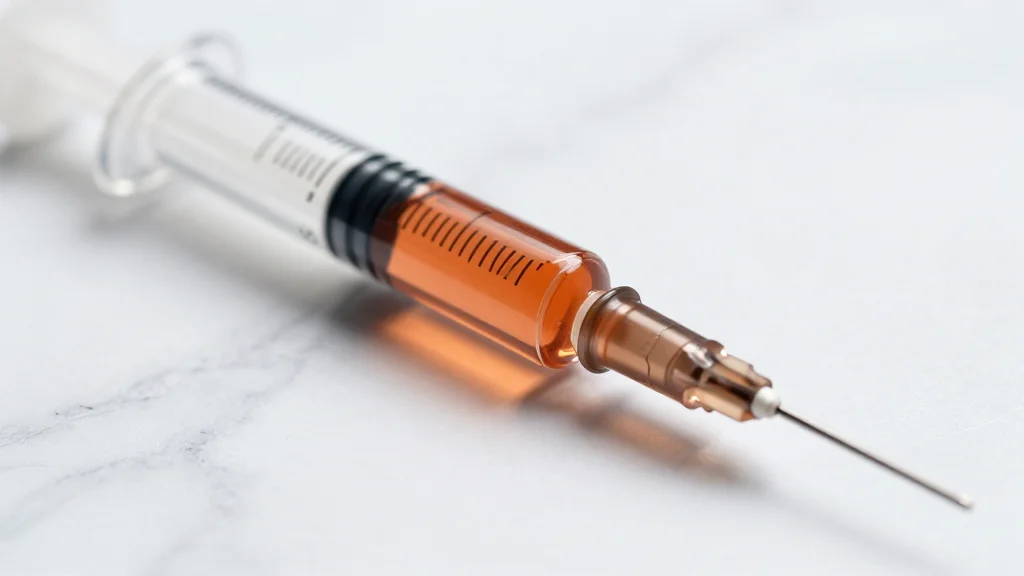
GHK-Cu (Copper Peptide) Clinical Evidence Guide: 2026 Medical Standards
Key Takeaways
- •GHK‑Cu outperforms Vitamin C and tretinoin in collagen synthesis.
- •Systemic subcutaneous dosing (1‑2 mg daily) requires careful dilution to avoid irritation.
- •Restores plasma GHK‑Cu levels, counteracting the 60 % age‑related decline.
- •Clinical data show hair‑follicle regeneration comparable to minoxidil without cardiovascular risk.
Pulse Analysis
The resurgence of GHK‑Cu reflects a broader shift toward biologically native peptides that act at the epigenetic level. Unlike traditional cosmetics that merely coat the skin, GHK‑Cu delivers copper directly to fibroblasts, matrix metalloproteinases, and antioxidant pathways, effectively rebooting gene expression profiles associated with aging. Its endogenous nature eases regulatory concerns, and the FDA is poised to return it to Category 1 compounding status in 2026, paving the way for wider clinical adoption.
Robust trial data now place GHK‑Cu at the top of the dermal remodeling hierarchy, delivering superior collagen and elastin synthesis compared with Vitamin C and tretinoin. The peptide also demonstrates moderate evidence for systemic anti‑inflammatory action by inhibiting NF‑κB and activating Nrf2, which translates into measurable benefits for chronic wounds, diabetic ulcers, and joint discomfort. Dosing protocols—1 mg to 2 mg daily subcutaneously or 1‑2 % topically—are cycled to mitigate copper‑related irritation and maintain zinc balance, a nuance that clinicians must manage for optimal outcomes.
From a market perspective, GHK‑Cu’s dual appeal in aesthetic and therapeutic domains fuels significant commercial interest. Its hair‑follicle regeneration efficacy rivals minoxidil while avoiding cardiovascular side effects, opening a lucrative niche in anti‑hair‑loss treatments. As insurers begin to recognize the peptide’s role in reducing long‑term wound care costs and systemic inflammation, reimbursement models may evolve, accelerating integration into standard regenerative protocols. Continued research into liposomal oral delivery could further expand its reach, solidifying GHK‑Cu as a cornerstone of next‑generation anti‑aging therapeutics.
GHK-Cu (Copper Peptide) Clinical Evidence Guide: 2026 Medical Standards
Comments
Want to join the conversation?