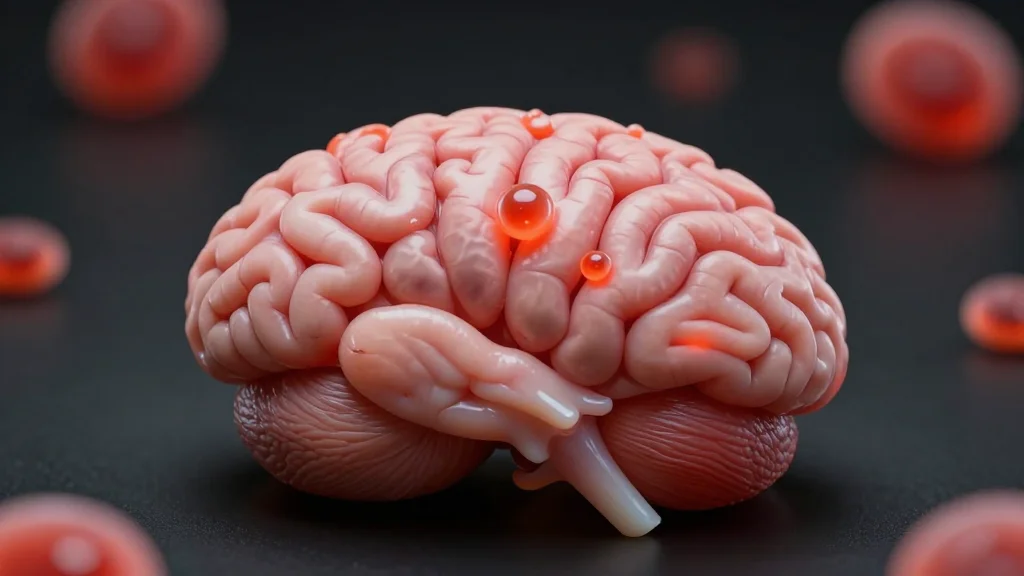
Granzyme K Secreted by Aged T Cells Contributes to Cognitive Decline, an Effect that Can Be Reversed

Key Takeaways
- •Aged CD8+ T cells secrete granzyme K, impairing hippocampal function
- •Parabiosis shows aged T cells resist rejuvenation from young blood
- •Blocking GZMK restores cognition in old mice
- •Peripheral T cell activation drives neuroinflammation without brain infiltration
- •Targeting circulating aged T cells offers a potential anti‑aging therapy
Pulse Analysis
Immunosenescence, the gradual decline of the adaptive immune system, has long been associated with increased infection risk and chronic inflammation. Recent work adds a new dimension: aged CD8+ T cells develop a distinct granzyme K‑producing phenotype that circulates systemically. Unlike the classic view that immune cells must infiltrate the brain to cause harm, these secreted proteases cross the blood‑brain barrier and alter hippocampal transcriptional programs, leading to reduced neurogenesis and memory deficits.
The study employed heterochronic parabiosis, joining the circulatory systems of young and old mice, to isolate the effect of aged T cells. Even when exposed to youthful blood, the older CD8+ T cells maintained high GZMK expression and induced hippocampal aging signatures in their partners. Pharmacological blockade of GZMK or depletion of the senescent T‑cell pool reversed these molecular changes and restored performance on spatial navigation tasks, demonstrating a causal link between peripheral immune factors and cognitive health.
These insights suggest that targeting the peripheral immune compartment could become a viable strategy to combat age‑related cognitive decline. Therapeutic approaches might include small‑molecule GZMK inhibitors, monoclonal antibodies that neutralize the protease, or senolytic regimens that selectively eliminate the dysfunctional T‑cell subset. As the global population ages, interventions that preserve brain function without invasive brain‑directed treatments could have profound economic and societal benefits, positioning immunomodulation at the forefront of next‑generation anti‑aging medicine.
Granzyme K Secreted by Aged T Cells Contributes to Cognitive Decline, an Effect that Can Be Reversed
Comments
Want to join the conversation?