Naked Mole-Rats Exhibit Little Change in Gut Microbiome Composition with Age

Key Takeaways
- •Naked mole‑rat microbiome remains stable over three decades.
- •Mice show extensive age‑related gut microbial changes.
- •Only Methanomassiliicoccus intestinalis rises with mole‑rat age.
- •Pregnant queens exhibit higher microbial diversity due to coprophagia.
Pulse Analysis
The composition of the gut microbiome is increasingly recognized as a driver of age‑related inflammation and metabolic decline in humans and laboratory rodents. In mice, shifts toward pro‑inflammatory taxa accompany reduced short‑chain‑fatty‑acid production, correlating with frailty, cardiovascular risk, and cognitive loss. Interventions such as fecal microbiota transplantation from young donors have shown promise in extending healthspan in animal models, underscoring the therapeutic potential of restoring a youthful microbial ecosystem.
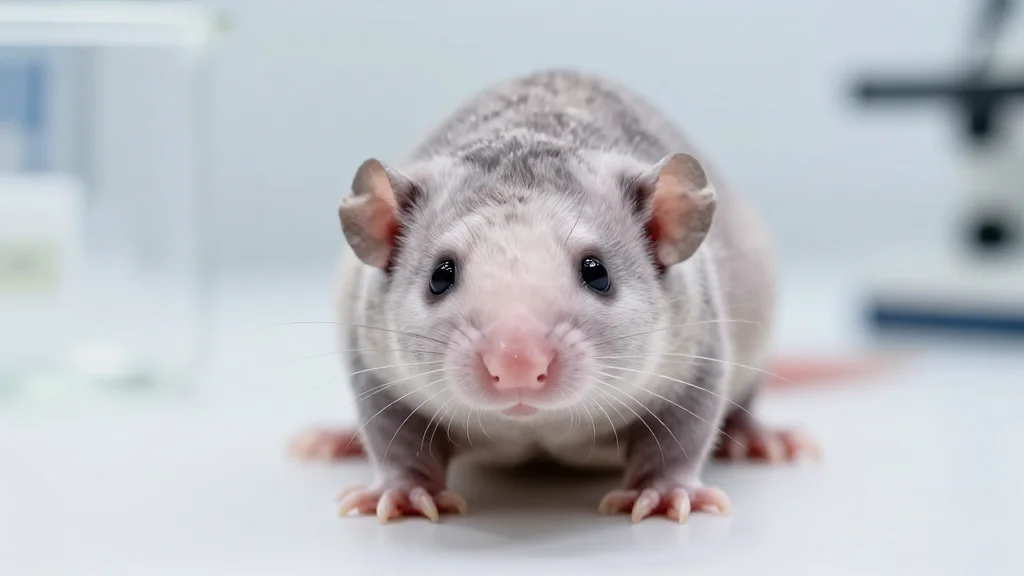
The new open‑access study of Heterocephalus glaber provides a striking counterpoint: over a 30‑year span, naked mole‑rats display virtually unchanged bacterial communities, with the sole age‑linked increase confined to the archaeon Methanomassiliicoccus intestinalis. This stability persists across social ranks, and only breeding queens—who practice intense coprophagia—show modest diversity gains. The authors argue that the mole‑rat’s immune system may continue to regulate microbial populations effectively throughout life, suggesting that age‑driven dysbiosis is downstream of immune senescence rather than an inevitable consequence of aging.
If a resilient microbiome contributes to the naked mole‑rat’s negligible senescence, engineering similar stability in humans could become a frontier for longevity therapeutics. Biotech firms are already exploring precision probiotics, post‑biotics, and engineered microbial consortia to modulate inflammation and metabolic pathways. The mole‑rat data encourage a shift from merely transplanting youthful microbes to bolstering host immune mechanisms that maintain microbial equilibrium. Future research will need to dissect the genetic and cellular factors that enable this control, offering a blueprint for interventions that delay age‑related disease.
Naked Mole-Rats Exhibit Little Change in Gut Microbiome Composition with Age
Comments
Want to join the conversation?