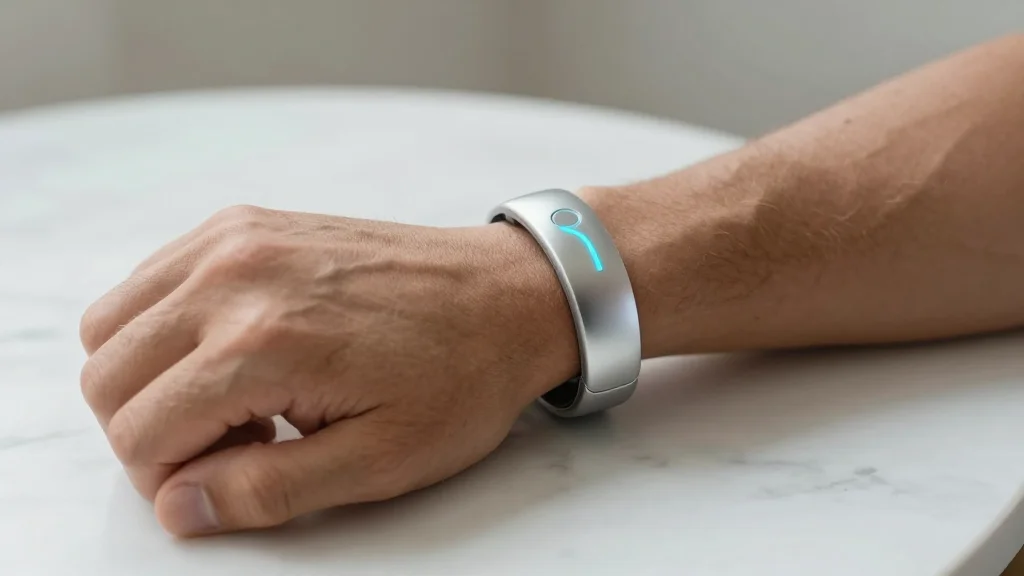
Agentis, Ultrahuman Tie Wearables to Longevity Care
Why It Matters
The integration creates a continuous, data‑driven feedback loop that could raise preventive care adoption and reshape how clinicians and consumers manage long‑term health, opening a sizable market for personalized longevity solutions.
Key Takeaways
- •Wearables feed real-time data into Agentis’ Longevity Quotient
- •Continuous glucose monitoring adds dynamic health scoring
- •Goal: affordable, personalized preventive care for broader audience
- •Addresses low preventive screening rates in U.S. adults
- •Turns raw metrics into actionable clinician recommendations
Pulse Analysis
The longevity sector has become a data‑rich arena, with wearables capturing sleep, activity, and metabolic signals at unprecedented granularity. Yet most consumers face a fragmented experience: devices generate numbers, while clinicians receive periodic lab reports that quickly become outdated. This disconnect hampers the promise of proactive health management and leaves many patients overwhelmed by raw metrics without clear guidance.
Agentis Longevity’s partnership with Ultrahuman directly tackles that friction point. By funneling continuous glucose, heart‑rate variability, and recovery data into the Longevity Quotient—a composite score that blends cardiometabolic risk, body composition, cognition, and grip strength—the collaboration transforms scattered readings into a living health index. The LQ updates in near real‑time, alerting users and physicians to subtle shifts that might precede chronic conditions. Crucially, both companies stress affordability, positioning the solution as a scalable alternative to expensive boutique longevity programs.
If the model proves effective, it could accelerate mainstream adoption of preventive health tech. A dynamic, actionable dashboard lowers the barrier for clinicians to incorporate wearable insights into routine care, potentially boosting the currently low U.S. preventive screening rates. Moreover, the partnership signals to investors that integrated, patient‑centric platforms are viable growth engines in the $200 billion digital health market. Success will depend on balancing data richness with user‑friendly interpretation, ensuring that the influx of metrics translates into tangible health outcomes rather than information overload.
Agentis, Ultrahuman tie wearables to longevity care
Comments
Want to join the conversation?
Loading comments...