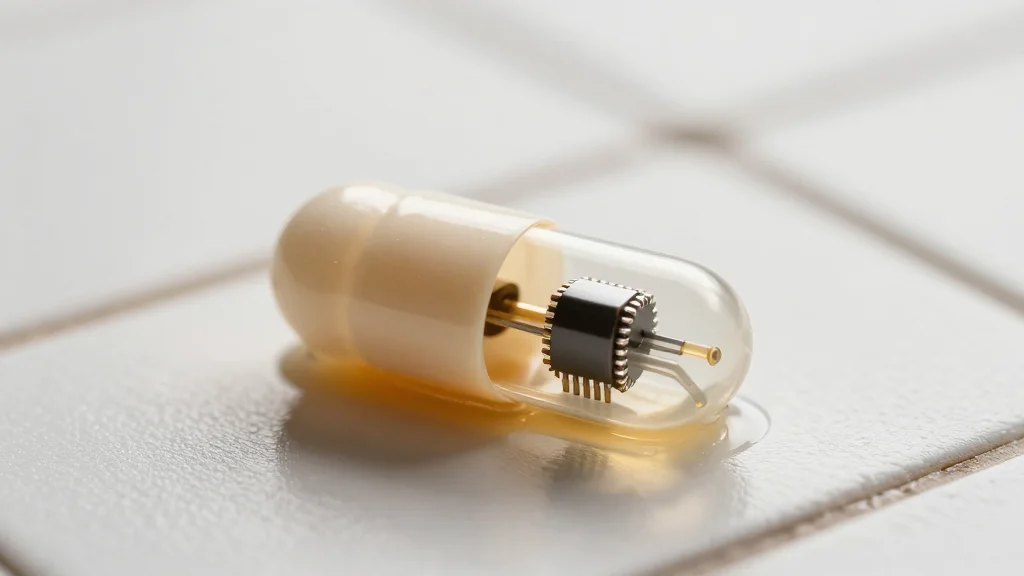
Tomorrow’s Medical Sensors Might Come Served with Dinner
Why It Matters
By turning food into a data‑collection platform, the technology could dramatically lower costs and patient discomfort for gastrointestinal monitoring. It opens a new market for continuous, at‑home health analytics and may accelerate personalized medicine.
Key Takeaways
- •Belgian‑Dutch team creates fully edible ingestible sensor platform
- •Sensors powered by stomach acid and food‑derived bio‑batteries
- •Wireless data transmitted to smartphones via low‑frequency signal
- •Sensors monitor pH, glucose, and microbiome metabolites in real time
- •Could replace invasive endoscopies and improve chronic disease management
Pulse Analysis
The race to miniaturize medical electronics has long been hampered by biocompatibility and power constraints. Traditional ingestible capsules rely on metal casings and lithium batteries that must be expelled, limiting their lifespan and raising safety concerns. The Belgian‑Dutch consortium sidesteps these issues by engineering every component—from the antenna to the sensor substrate—from food‑grade polymers and biodegradable metals, allowing the device to dissolve harmlessly after its mission. This approach not only mitigates the risk of obstruction but also aligns with growing consumer demand for sustainable, waste‑free medical solutions.
At the heart of the platform is a novel bio‑battery that harvests energy from gastric acids and the chemical energy of digested nutrients. Coupled with ultra‑low‑power microchips, the system can continuously sample the gut environment, detecting pH shifts, glucose spikes, and volatile metabolites produced by the microbiome. Data is encoded onto a low‑frequency radio signal capable of penetrating tissue and reaching a paired smartphone or wearable hub. The real‑time feedback loop enables clinicians to monitor chronic conditions such as diabetes, inflammatory bowel disease, and even early signs of gastrointestinal cancers without invasive procedures.
The commercial implications are significant. Analysts project the ingestible sensor market could exceed $2 billion by 2032 as insurers seek cost‑effective monitoring tools. However, regulatory pathways remain uncharted; the FDA will need to evaluate both the device’s safety profile and its data security protocols. Successful clinical trials could spur partnerships with pharma firms aiming to integrate sensor data into drug development, ushering in a new era of precision gastro‑health where a simple meal also serves as a diagnostic test.
Tomorrow’s medical sensors might come served with dinner
Comments
Want to join the conversation?
Loading comments...