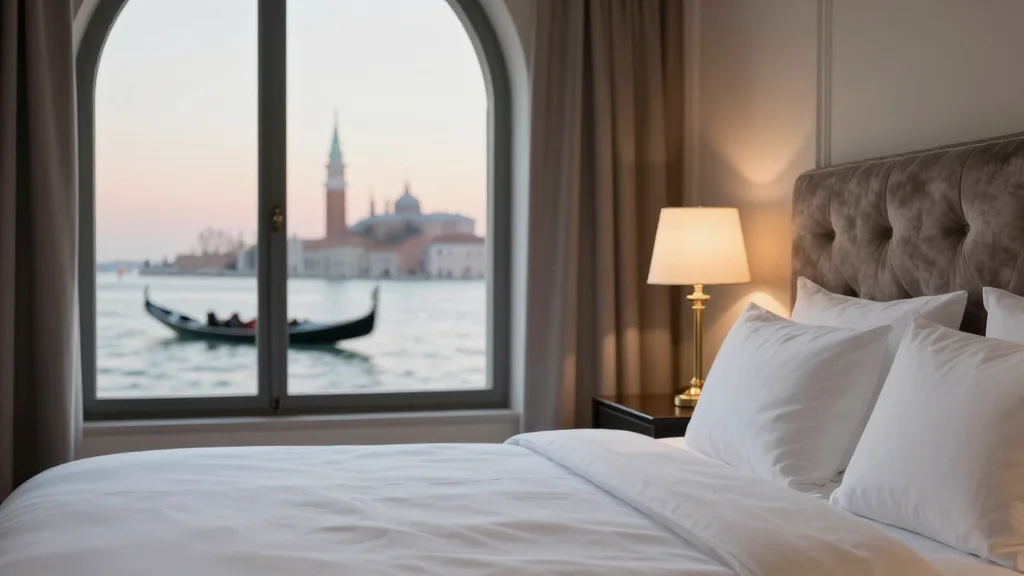
Orient Express Launches Ultra‑Luxury Venice Hotel in 15th‑Century Palazzo Donà Giovannelli

Why It Matters
The Palazzo Donà Giovannelli hotel marks the first ultra‑luxury flagship in Venice in centuries, redefining the city’s hospitality ceiling and setting a precedent for heritage‑based luxury development. By coupling high‑end design, Michelin‑starred cuisine, and a narrative‑driven guest experience, Orient Express is elevating the expectations for experiential travel, potentially prompting other luxury brands to pursue similar heritage conversions. The project also raises questions about the sustainability of ultra‑luxury tourism in a city already grappling with overtourism, prompting regulators and industry players to consider how to protect cultural assets while catering to affluent travelers. Furthermore, the hotel expands Orient Express’s ecosystem, linking its rail services, boutique hotels, and curated itineraries into a seamless luxury network. This integrated approach could reshape the competitive dynamics of high‑end travel, where brands that can offer a cohesive story across transport, accommodation, and dining may capture a larger share of the ultra‑wealthy market. The success or challenges of this Venice flagship will likely influence future investments in historic properties worldwide, as developers weigh the premium price of preservation against the allure of exclusive, story‑rich experiences for a discerning clientele.
Key Takeaways
- •Orient Express opened a 47‑room ultra‑luxury hotel in Venice’s 15th‑century Palazzo Donà Giovannelli.
- •Architect Aline Asmar d’Amman led the restoration, blending frescoes, Murano glass chandeliers, and modern luxury.
- •Chef Heinz Beck provides a three‑Michelin‑starred dining program across three venues.
- •The property introduces a "theatre of travel" concept, with boat arrivals through a Gothic water gate.
- •The launch follows Orient Express’s recent La Minerva hotel and La Dolce Vita train, expanding its luxury ecosystem.
Pulse Analysis
Orient Express’s Venice flagship illustrates a strategic pivot toward immersive, heritage‑centric luxury that goes beyond traditional accommodation. By converting a centuries‑old palazzo into a narrative‑driven hotel, the brand taps into a growing segment of affluent travelers who value authenticity and story as much as service. This aligns with broader industry trends where luxury operators are repurposing historic sites—think of the recent conversions of castles in the French Riviera and palaces in the Middle East—to create differentiated experiences that command premium rates.
However, the venture also spotlights a tension between ultra‑luxury expansion and the preservation of fragile urban ecosystems. Venice has long battled overtourism, and the introduction of a high‑priced, exclusive hotel could exacerbate pressures on local infrastructure and cultural heritage. While Orient Express frames the project as a cultural celebration, regulators may soon demand stricter oversight on visitor numbers, environmental impact, and community integration. The brand’s ability to navigate these constraints will be a litmus test for future heritage‑based luxury projects.
From a competitive standpoint, Orient Express is positioning itself as more than a hotel operator; it is building an end‑to‑end luxury travel narrative that links rail, lodging, and gastronomy. This integrated model could force traditional luxury hotel chains to reconsider siloed offerings and explore partnerships that deliver a seamless story across transport modes. If the Venice property achieves high occupancy and strong brand resonance, it may accelerate a wave of similar conversions, reshaping the luxury hospitality map toward experience‑first, heritage‑anchored destinations.
Orient Express Launches Ultra‑Luxury Venice Hotel in 15th‑Century Palazzo Donà Giovannelli
Comments
Want to join the conversation?
Loading comments...