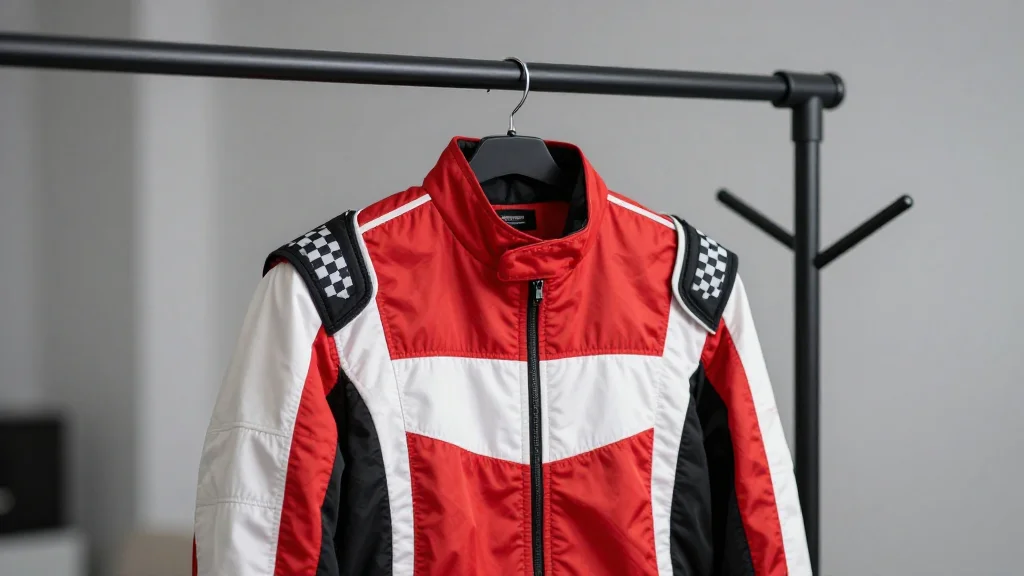
Formula 1 Teams up with Aeropostale on $20 T‑shirt Line to Win over Gen Z

Why It Matters
The Aeropostale collaboration marks a decisive turn in Formula 1’s marketing approach, moving from exclusive, high‑priced memorabilia toward mass‑market apparel that resonates with Gen Z’s buying habits. By lowering the cost of entry, F1 can capture a demographic that traditionally spends less on premium sports merchandise, thereby expanding its fan base and creating new revenue streams through sponsor activation and event attendance. If successful, the model could inspire other premium sports properties to adopt similar affordable‑fashion strategies, reshaping how leagues monetize fandom in an era where digital engagement and lifestyle branding are increasingly intertwined.
Key Takeaways
- •F1‑Aeropostale collection priced $16.17‑$65.97, about half the cost of standard F1 gear
- •TikTok haul videos have already driven organic buzz for the line
- •Sports‑wear sponsorship spend in F1 up 75% over two years, with $140 million in Puma/Adidas deals
- •Global F1 audience hit 827 million in 2025, a 12% YoY increase, driven by U.S. growth
- •Retail rollout begins online, expands to nationwide stores by May 2026
Pulse Analysis
Formula 1’s decision to partner with Aeropostale reflects a broader industry trend where premium sports brands are leveraging affordable fashion to bridge the gap between elite fandom and everyday consumer behavior. Historically, F1’s merchandise strategy hinged on high‑margin, team‑specific apparel sold at events or through its official online store, catering to affluent collectors and die‑hard fans. That model limited reach among younger audiences who prioritize price, convenience, and social‑media‑driven discovery.
The $20‑ish T‑shirt line is more than a pricing experiment; it is a calculated move to embed the F1 brand into the daily wardrobes of Gen Z shoppers. By situating products in Aeropostale’s brick‑and‑mortar locations, F1 gains physical shelf space in malls and shopping centers where its target demographic already spends time, bypassing the online‑only barrier of its official store. This omnichannel presence also creates data‑rich touchpoints—purchase patterns, foot traffic, and social engagement—that can inform future activation strategies, from targeted digital ads to localized event promotions.
Financially, the partnership is likely a modest revenue generator compared with the sport’s multimillion‑dollar sponsorship deals, but its strategic value lies in fan acquisition. Converting a Gen Z consumer at $20 establishes a relationship that can be monetized later through higher‑priced experiences—ticket sales, hospitality packages, and premium merchandise. Moreover, the collaboration dovetails with the 75% surge in apparel sponsorship spend, suggesting that F1 is positioning itself as a lucrative platform for fashion brands seeking global exposure.
Looking ahead, the success of the Aeropostale line will be measured by both sales velocity and its impact on fan engagement metrics such as social‑media mentions, app usage, and event attendance among younger demographics. If the model proves effective, we may see a cascade of similar low‑cost collaborations across other motorsport series and even beyond, reshaping the economics of sports marketing in a post‑pandemic world where accessibility and lifestyle relevance are paramount.
Formula 1 teams up with Aeropostale on $20 T‑shirt line to win over Gen Z
Comments
Want to join the conversation?
Loading comments...