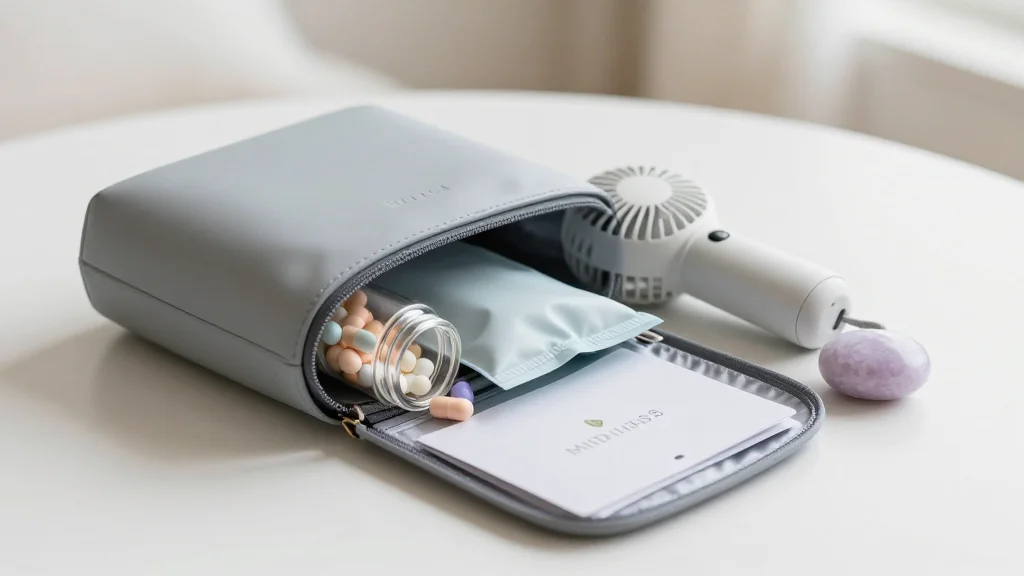
Gen Z Turns to DIY 'Anxiety Bags' With Meditation Tools to Tame Rising Stress

Why It Matters
The rise of anxiety bags signals a new frontier in mental‑health self‑care, where portable, sensory‑rich tools complement traditional therapy and medication. By embedding mindfulness and breathwork into everyday objects, Gen Z is redefining how anxiety is managed in real time, potentially reducing emergency visits and improving overall well‑being. The trend also offers a lucrative niche for wellness brands, prompting product innovation and new distribution channels. Moreover, the movement highlights a generational demand for immediate, tangible solutions to mental‑health crises, challenging providers to incorporate practical, user‑generated strategies into clinical practice. As anxiety rates remain high among young adults, the effectiveness of these kits could influence public‑health policies around preventive mental‑health resources.
Key Takeaways
- •61% of 18‑26‑year‑olds report a diagnosed anxiety condition, fueling demand for on‑the‑go coping tools.
- •Hannah Fowles credits her DIY anxiety bag with reducing panic symptoms within 10 minutes.
- •Dr. Kyra Bobinet describes the kits as a "genius" way to embed mindfulness into daily life.
- •Survey shows 43% of Gen Z experience a panic attack at least once a month.
- •Wellness brands are exploring ready‑made anxiety bag products, potentially integrating digital guided meditations.
Pulse Analysis
The anxiety‑bag phenomenon reflects a broader shift toward micro‑interventions in mental health, where users seek instant, self‑directed relief rather than waiting for scheduled therapy sessions. Historically, mindfulness tools were confined to quiet spaces; now they are being weaponized against the constant sensory overload of modern life. This evolution mirrors the rise of on‑demand health tech—apps, wearables, and telehealth—that prioritize immediacy.
From a market perspective, the DIY nature of these kits lowers barriers to entry, allowing small creators to gain traction on platforms like TikTok before larger brands move in. Early adopters are already curating kits with cold packs, fans, fidget toys, and medication, creating a template that can be standardized. Companies that can blend clinically validated mindfulness exercises with appealing physical accessories stand to capture a growing segment of the $4‑billion U.S. mental‑health market.
Clinically, the trend offers both promise and caution. While the sensory distraction can blunt the physiological cascade of a panic attack, reliance on self‑made kits may delay seeking professional help for underlying conditions. The integration of medication into these kits also raises regulatory concerns about safe storage and dosage. Future research should evaluate the efficacy of anxiety bags compared to traditional coping strategies, and policymakers may need to consider guidelines for their composition. If validated, anxiety bags could become a staple recommendation in therapeutic protocols, cementing their role in the next generation of mental‑health care.
Gen Z Turns to DIY 'Anxiety Bags' with Meditation Tools to Tame Rising Stress
Comments
Want to join the conversation?
Loading comments...