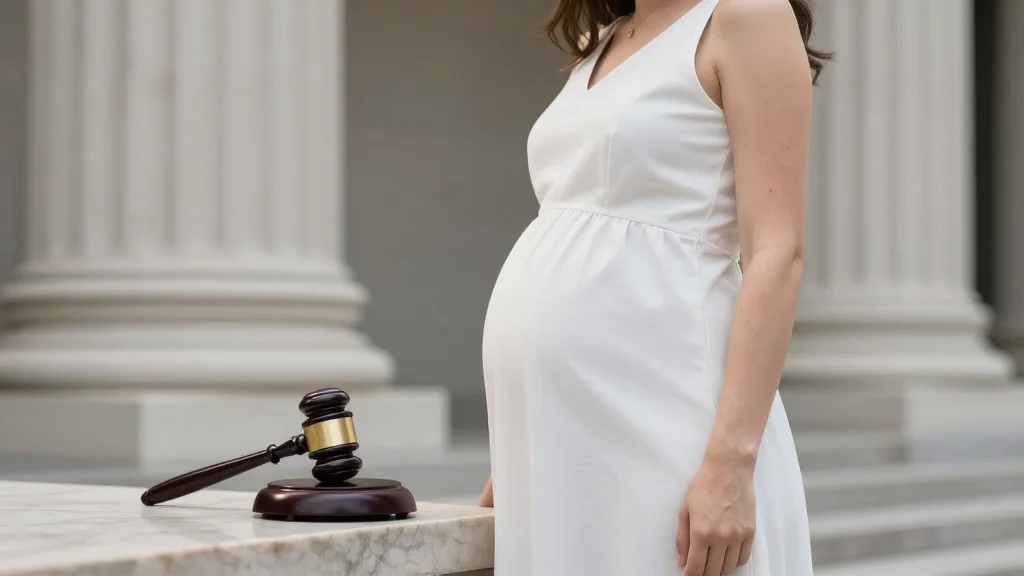
Missouri Gov. Mike Kehoe Signs Bill Ending Divorce Ban for Pregnant Women

Why It Matters
The repeal of Missouri's pregnancy‑based divorce ban reshapes the legal landscape for pregnant women, directly addressing a gender‑specific barrier that has limited reproductive autonomy for decades. By ensuring that pregnancy cannot be used to stall divorce proceedings, the state not only protects women from prolonged exposure to abusive partners but also aligns its family‑law statutes with contemporary standards of gender equity. The change may inspire similar reforms in other jurisdictions that retain outdated provisions, amplifying its impact beyond Missouri's borders. Beyond the immediate legal relief, the law highlights the intersection of domestic‑violence policy and reproductive rights. It underscores how procedural nuances—such as the timing of a divorce—can have life‑or‑death consequences for survivors. As advocacy groups monitor outcomes, the legislation could become a benchmark for measuring how legal reforms translate into tangible safety improvements for pregnant mothers nationwide.
Key Takeaways
- •Governor Mike Kehoe signed HB 1908 on April 7, 2026, repealing a 1970s law that barred finalizing divorces during pregnancy.
- •The bill passed unanimously in both the Missouri House and Senate.
- •Rep. Cecelie Williams, the bill’s sponsor, shared her personal experience of being denied a divorce while pregnant two decades ago.
- •Governor Kehoe said the issue "hit home" due to his family's history with domestic violence.
- •The law mandates that pregnancy status cannot prevent a court from granting a divorce, removing a legal obstacle for abusive‑relationship survivors.
Pulse Analysis
Missouri's decision to overturn its pregnancy‑based divorce ban reflects a broader national trend of reexamining statutes that disproportionately affect women. Historically, family‑law provisions like Missouri's were justified under the guise of protecting unborn children and simplifying custody arrangements. In practice, they created a de‑facto gender bias, allowing judges to wield discretion that often left pregnant women trapped in harmful marriages. The unanimous legislative support for HB 1908 signals a bipartisan acknowledgment that such discretion is outdated and potentially dangerous.
From a market perspective, the reform could stimulate demand for legal services tailored to pregnant women seeking swift divorce finalization. Law firms and legal‑tech platforms may develop specialized intake processes and educational resources to capture this newly unblocked segment. Moreover, the change may influence insurance and social‑service providers to adjust eligibility criteria for support programs, as women can now more readily exit abusive households and access independent assistance.
Looking forward, the real test will be in implementation. Courts must revise procedural manuals, and judges will need training to ensure compliance. If Missouri's experience demonstrates a measurable decline in domestic‑violence incidents among pregnant women, it could serve as a persuasive case study for other states still enforcing similar bans. The legislation thus not only resolves an immediate legal injustice but also sets a precedent for integrating gender‑sensitive reforms into the fabric of state law, reinforcing the notion that reproductive autonomy extends beyond health care to encompass all legal dimensions of motherhood.
Missouri Gov. Mike Kehoe Signs Bill Ending Divorce Ban for Pregnant Women
Comments
Want to join the conversation?
Loading comments...