Video•Mar 4, 2026
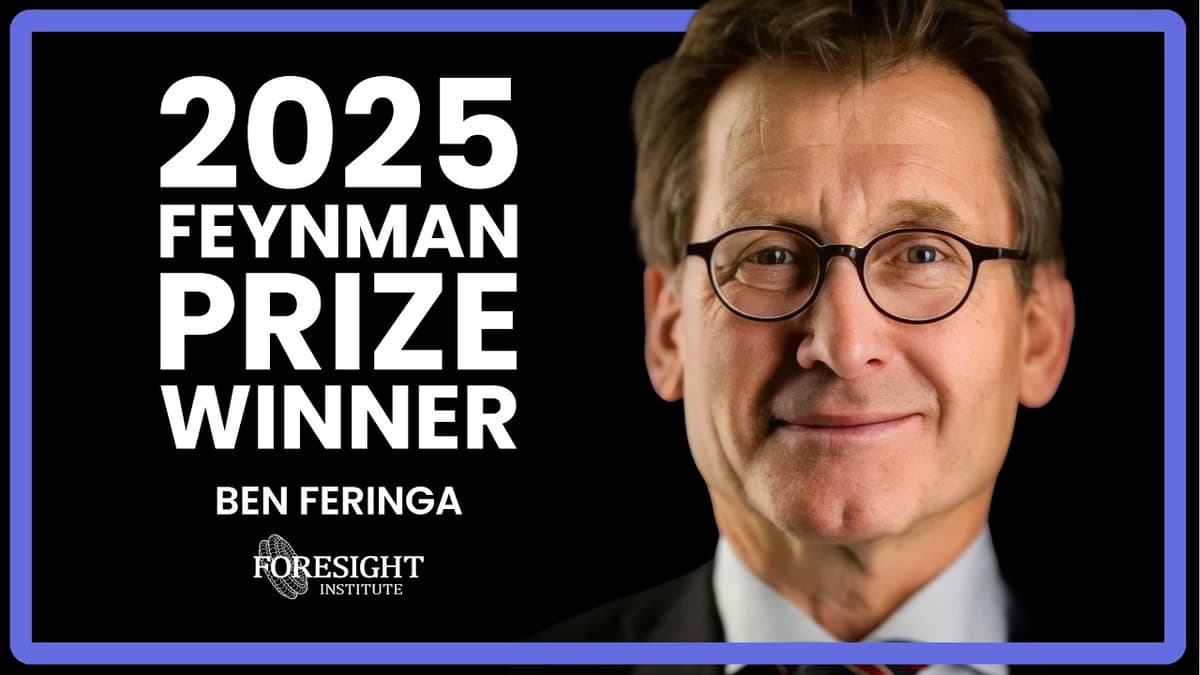
Dr. Ben Feringa | 2025 Feynman Prize Winner
Dr. Ben Feringa, 2016 Nobel laureate in chemistry, was honored with the 2025 Feynman Prize and delivered a lecture on the art of building molecular switches and motors. He framed the discussion around dynamic molecular systems that bridge chemistry, physics, engineering, and computer science, emphasizing the need to control motion at the nanoscale rather than merely observe Brownian activity. Feringa highlighted the core challenge of achieving directional rotation and amplifying motion, crediting colleagues Jean‑Pierre Sauvage and Sir Fraser Stoddart for pioneering rotaxane and catenane approaches. His own work focuses on light‑driven overcrowded alkenes that toggle chirality, enabling optical read‑out without destroying the switch. These molecular switches have been embedded in polymers, hydrogels, and protein channels to create reversible optical memories, patterned surfaces, and controllable nanopores. Concrete examples included a prototype optical disc storing megabytes of data via single‑molecule bits, a photo‑responsive antibiotic that activates only under specific wavelengths, and engineered bacterial porins that open on command to release drugs. He also described recent advances in photo‑controlled circadian‑rhythm regulators, illustrating how precise wavelength tuning—from blue to infrared—can achieve therapeutic activation without tissue damage. The implications are profound: nanoscopic motors and switches could redefine data storage density, enable on‑demand drug activation to combat resistance, and usher in a new class of smart therapeutics that operate with cellular precision. As the field matures, interdisciplinary collaboration will be essential to translate these laboratory demonstrations into commercial technologies.
By Foresight Institute
Video•Feb 24, 2026
The “Art” Of the Linker: Complexity, Biodegradability, and Scale in Active LNP R&D
The panel examined the emerging “active” delivery paradigm for lipid nanoparticle (LNP) therapeutics, focusing on the added layers of complexity introduced by ligand‑modified formulations and the need for robust R&D pipelines. Participants contrasted passive LNPs with active, ligand‑decorated versions, highlighting...
By Life Science Connect
Video•Feb 24, 2026
Novel Lipid Chemistries & Their Impact on Passive LNP Delivery
In a recent Advancing RNA Live session, Dominik Witzigmann of NanoVation and John Zuris of Stealth Co dissected emerging lipid chemistries that enhance passive lipid nanoparticle (LNP) delivery. They highlighted breakthroughs in ionizable lipids, helper lipids, and PEG‑lipids that improve...
By Life Science Connect
Video•Feb 24, 2026
How Microfluidics & QbD Are Maturing LNP Manufacturing
In a recent discussion, CMC consultant Sujit Jain and NanoVation CEO Dominik Witzigmann highlighted how microfluidic platforms combined with Quality‑by‑Design (QbD) principles are transforming lipid nanoparticle (LNP) production for mRNA therapeutics. They noted that continuous‑flow microfluidics now enable precise control...
By Life Science Connect
Video•Feb 24, 2026
Primates, Patents, & Progress: Advancements In Rational LNP Design
In a recent Advancing RNA Live segment, Dominik Witzigmann of NanoVation Therapeutics and John Zuris of Stealth Co discussed the latest scientific breakthroughs shaping lipid nanoparticle (LNP) design. They highlighted rational, data‑driven approaches that improve particle stability, targeting precision, and...
By Life Science Connect
Video•Feb 20, 2026
Gemini 3 Deep Think: Optimizing 2D Semiconductor Fabrication
The video showcases a laboratory breakthrough using the Deep Tank AI platform to design and grow two‑dimensional (2D) semiconductor crystals. By feeding the system a recipe aimed at 100 µm lateral size, the AI‑guided process produced crystals measuring 130 µm, the largest...
By Google DeepMind
Video•Feb 11, 2026
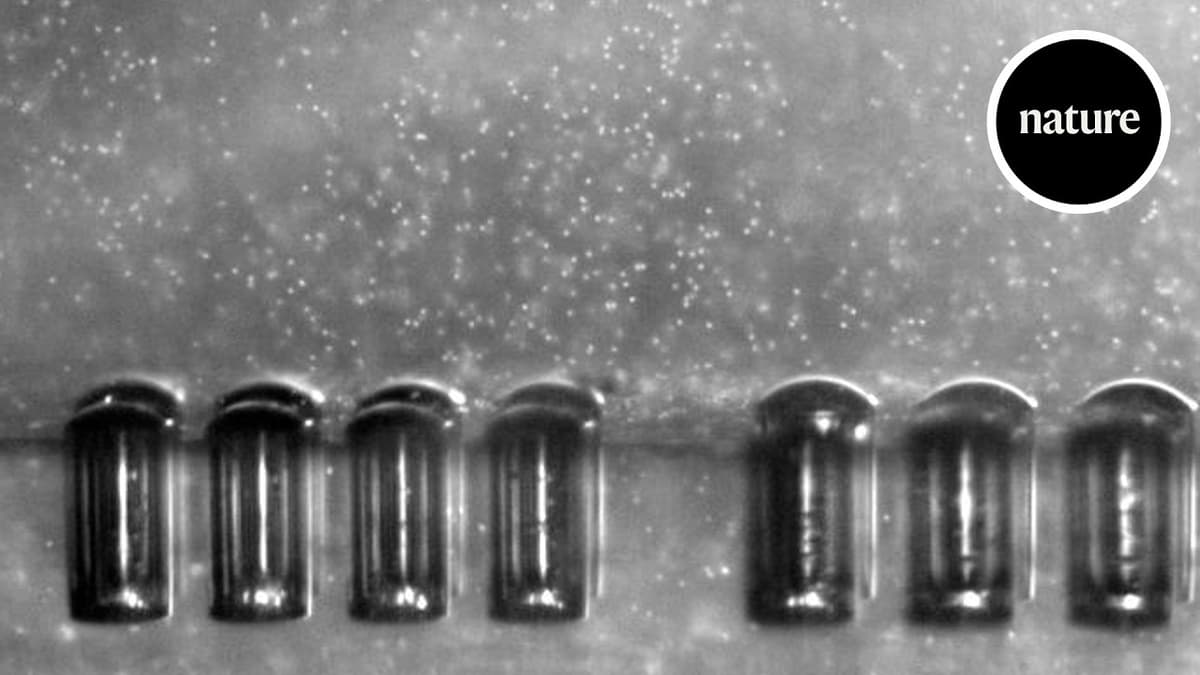
Tiny Robot Fish Could Swim Through the Body Powered by Ultrasound
The video introduces acoustic robotics, where tiny polymer devices are powered solely by ultrasound‑induced bubble dynamics, eliminating wires, batteries, or magnets and opening the door to fully wireless medical microrobots. A thin polymer sheet is laser‑molded with thousands of sub‑millimetre cavities...
By Nature Video
Video•Feb 11, 2026
Rafik Addou | Bridging Research and Manufacturing: The Role of Surface Science Nanometrology
Dr. Rafik Addou, an assistant professor at UT‑Dallas, outlined how surface‑science nanometrology can close the gap between academic research and high‑volume manufacturing. Drawing on a diverse career across Morocco, France, Switzerland, the United States and Canada, he emphasized that surfaces...
By Foresight Institute
Video•Feb 9, 2026
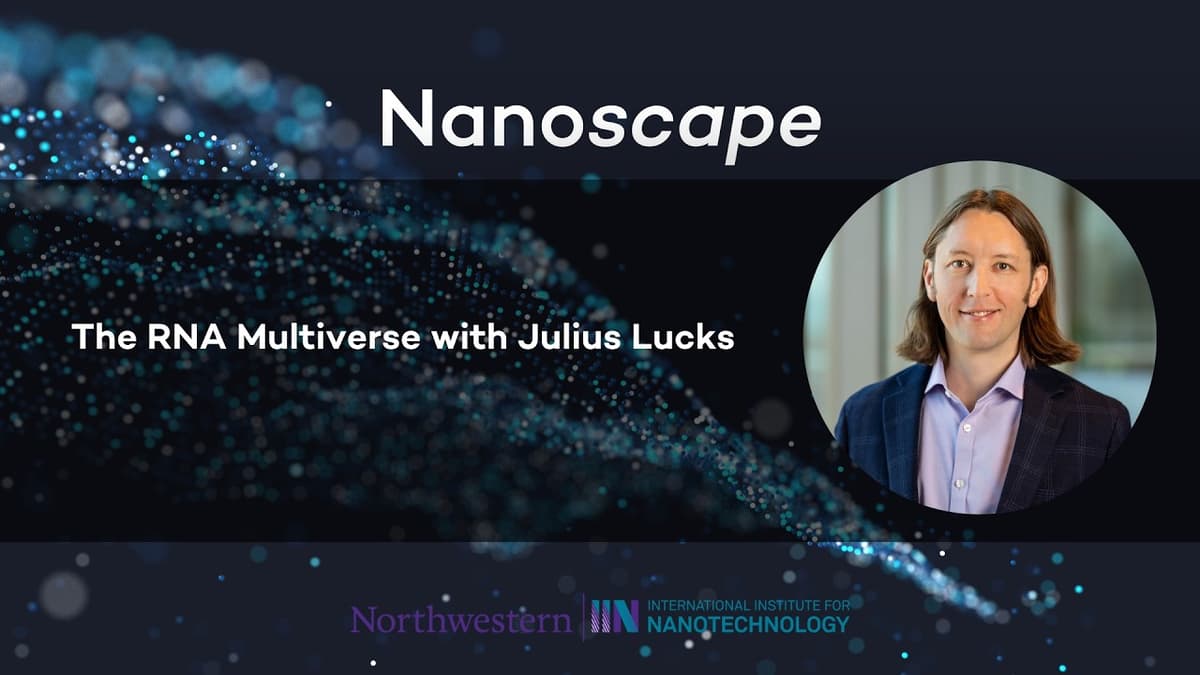
The RNA Multiverse with Julius Lucks
The Nanoccape episode spotlights Professor Julius Lucks, a chemical‑engineer turned synthetic biologist, who explores RNA’s “multiverse” – its ability to fold, wiggle, and act as a molecular computer. Leveraging nanotechnology principles, Lucks and his team engineered RNA sensors that emit...
By International Institute for Nanotechnology
Video•Feb 5, 2026
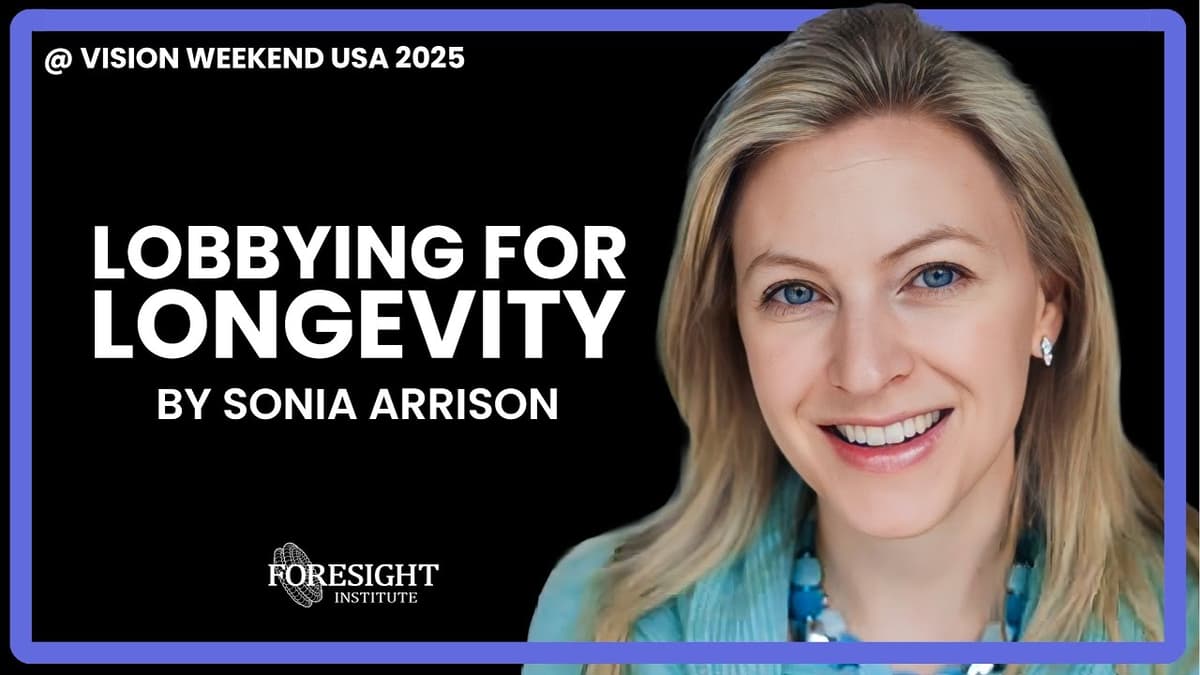
Sonia Arrison | Lobbying for Longevity Progress @ Vision Weekend USA 2025
The interview with Sonia Arrison at Vision Weekend USA 2025 focused on the Alliance for Longevity Initiatives (A4LI), a newly formed Washington‑based lobbying group dedicated to advancing longevity science through policy. Arrison, a former public‑policy professional turned venture investor, described...
By Foresight Institute
Video•Feb 5, 2026
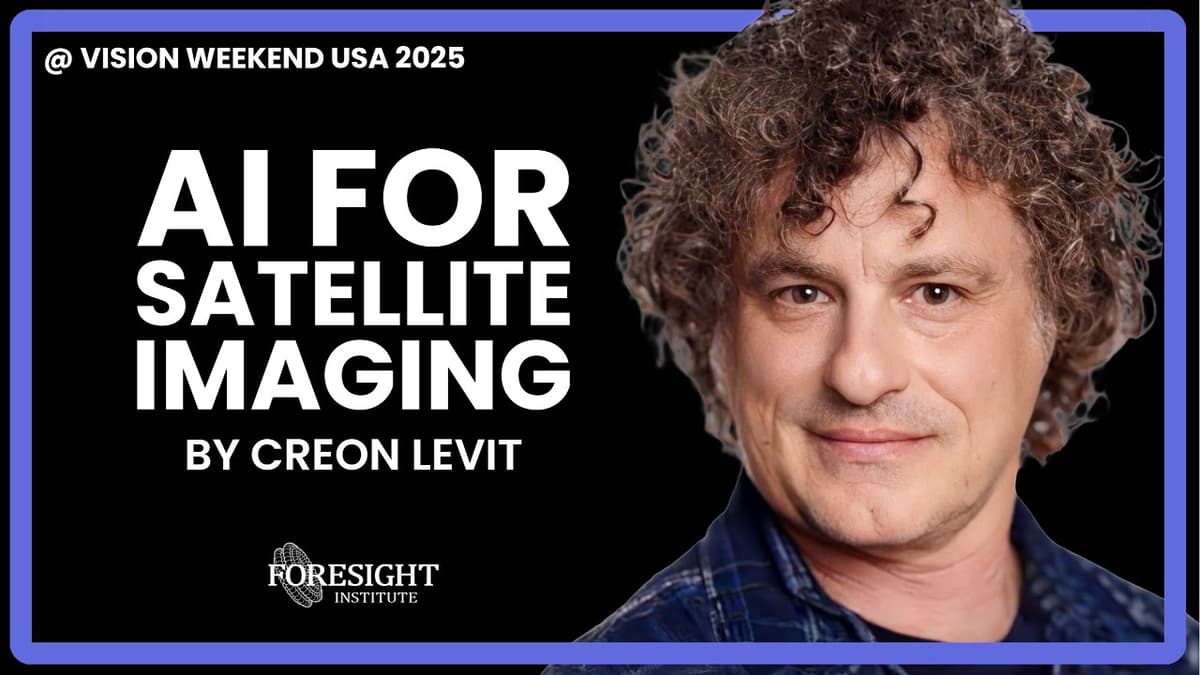
Creon Levit | AI for Satellite Imaging @ Vision Weekend USA 2025
Creon Levit, senior engineer at Planet Labs, presented the company’s AI‑driven Earth observation platform at Vision Weekend USA 2025, outlining the transition from its original daily‑coverage mission to a new “queryable planet” service that lets users ask natural‑language questions about...
By Foresight Institute

Video•Feb 5, 2026
Weighing Molecules with Light | The Royal Society
Professor Philip Kukura’s Royal Society lecture explored how modern light‑based methods, especially mass spectrometry, let scientists weigh individual molecules— from tiny explosives to massive therapeutic viruses. He began by tracing the historical need for standardized mass, from barley‑based pounds to...
By The Royal Society
Video•Feb 3, 2026
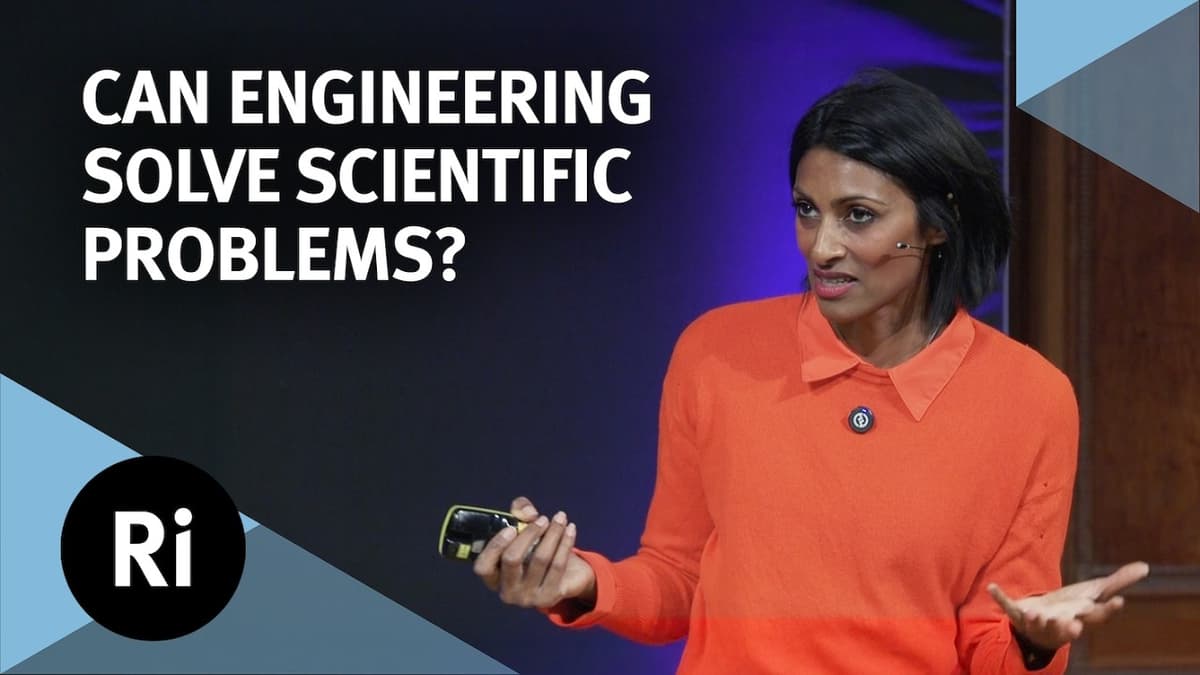
How Engineers Can Crack Science's Toughest Mysteries - with Shini Somara
Shini Somara opens her talk by recounting a personal journey from a mechanical‑engineering degree to an industry‑based PhD in computational fluid dynamics, highlighting how that experience revealed stark gender and diversity gaps in engineering. Determined to change the narrative, she...
By The Royal Institution
Video•Jan 26, 2026
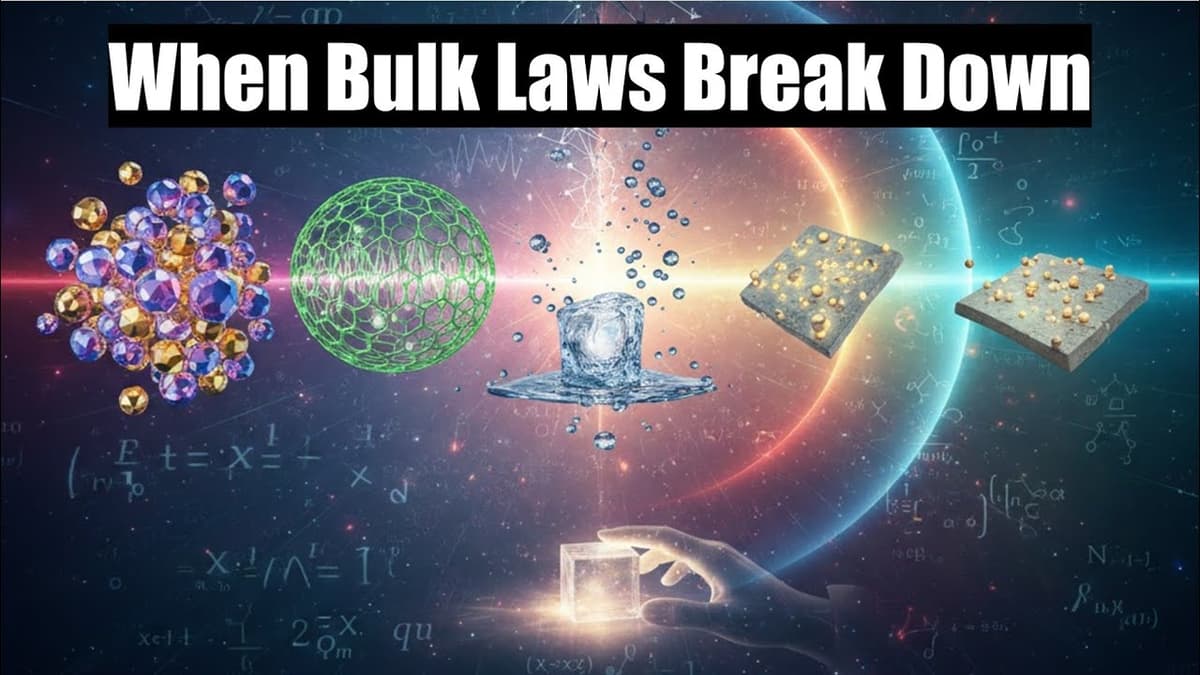
Nanotech When Bulk Laws Break Down
The lecture argues that at the nanoscale (1–100 nm) the assumptions of bulk materials fail: surface-to-volume ratios and quantum confinement dominate, producing qualitatively different thermodynamic, optical, chemical, mechanical, and magnetic behavior. Examples include massive melting-point depression in ~2 nm gold...
By AI Labs: Nanotechnology

Video•Jan 20, 2026
Designing With Chaos: The New Paradigm in Nanoelectronics
The lecture titled “Designing With Chaos” reframes noise from a nuisance to a design asset in nanoelectronics, arguing that stochastic fluctuations become essential as devices shrink to atomic dimensions. Traditional engineering seeks to suppress noise, but at the nanometer scale...
By AI Labs: Nanotechnology