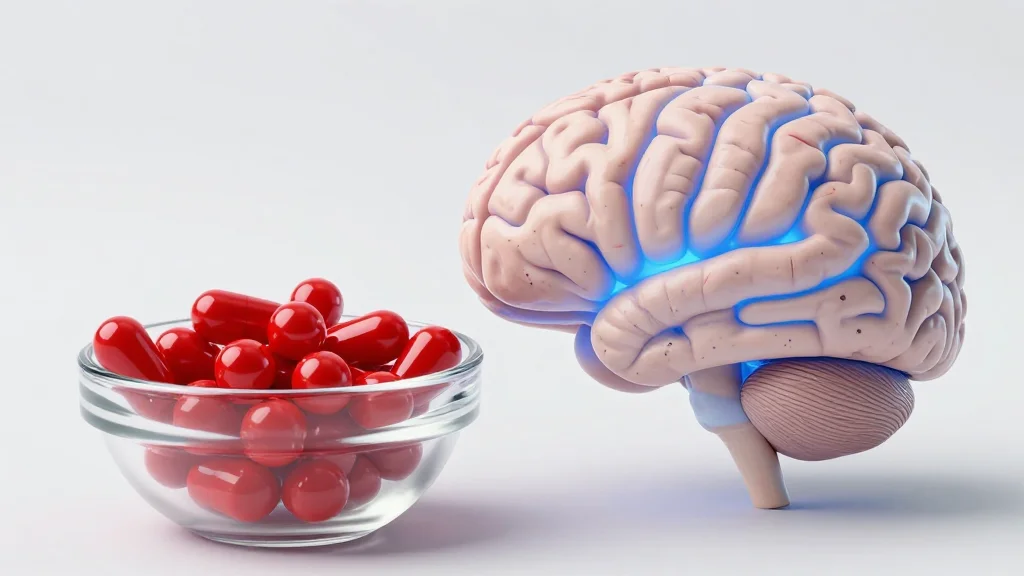
Japanese Study Finds Arginine Cuts Alzheimer’s Amyloid in Mice

Why It Matters
Alzheimer’s disease remains one of the most pressing public‑health challenges, with limited disease‑modifying treatments and high costs for existing biologics. A nutraceutical that can safely reduce amyloid formation would broaden access to preventive care, especially in low‑resource settings. Moreover, the study highlights the potential of repurposing well‑characterized dietary compounds for neurodegenerative indications, a strategy that could shorten development timelines and lower investment risk. Beyond the immediate therapeutic promise, the findings revive interest in chemical chaperones as a class of agents that stabilize protein conformation. If arginine’s effect is validated, it may spur a wave of research into other amino acids or small molecules that can modulate protein aggregation across a spectrum of age‑related disorders.
Key Takeaways
- •Kindai University researchers showed arginine reduced amyloid‑β plaques in mouse and fruit‑fly models.
- •Higher arginine concentrations produced stronger anti‑aggregation effects in laboratory tests.
- •Arginine is already sold as a dietary supplement with an established safety record.
- •Current antibody drugs cost tens of thousands of dollars per year and carry risk of brain swelling.
- •Phase 1 safety trials are slated for later 2026, with larger human studies planned for 2027.
Pulse Analysis
The arginine discovery arrives at a moment when the Alzheimer’s market is dominated by high‑priced monoclonal antibodies that deliver modest cognitive benefits. Investors have grown wary of the steep development costs and regulatory hurdles associated with biologics, prompting a search for lower‑cost alternatives. Nutraceuticals like arginine occupy a niche that bridges dietary health and pharmacology, offering a pathway to market that bypasses many of the barriers faced by novel biologics.
Historically, attempts to intervene in amyloid pathology have focused on removal after plaques have formed. Arginine’s upstream approach—preventing misfolding—represents a conceptual shift that aligns with emerging theories emphasizing early, pre‑clinical intervention. If human trials confirm efficacy, insurers may be more willing to cover a supplement that can be administered before significant neurodegeneration occurs, potentially reshaping reimbursement models.
Looking ahead, the key challenge will be translating dose‑dependent effects observed in rodents to the heterogeneous human population. The supplement’s safety profile is encouraging, but long‑term studies will need to address whether chronic arginine intake influences other metabolic pathways, such as nitric oxide production, which could have cardiovascular implications. Nonetheless, the prospect of a cheap, widely accessible agent that can blunt the amyloid cascade could democratize Alzheimer’s prevention and stimulate a broader re‑evaluation of dietary compounds in neurodegenerative research.
Japanese Study Finds Arginine Cuts Alzheimer’s Amyloid in Mice
Comments
Want to join the conversation?
Loading comments...