
Rome’s Fiumicino Airport to Get a Fourth Runway, but Should Milan Malpensa Be Italy’s Main Gateway?
The Italian government approved Aeroporti di Roma's master plan to add a fourth runway at Rome‑Fiumicino, restoring the airport’s 2011 capacity level. The move reignites debate over whether the capital should remain Italy’s primary international gateway or cede that role to Milan‑Malpensa, which commands a larger catch‑area. Northern Italy faces severe airport capacity constraints, prompting calls for a new mega‑airport to serve the region. The outcome will influence how passenger traffic and economic activity are distributed across the country.

As Allegiant and Sun Country Embark on a New Chapter, JetBlue Hunkers Down in Its Stand Alone Plan
Allegiant Air completed its acquisition of Sun Country Airlines, marking the first merger between two niche low‑cost carriers in the United States. The deal was announced amid a brief surge of consolidation speculation spurred by comments from the Trump administration,...

High Prices Ease Jet Fuel Supply Outlook for Europe’s Airlines
European airlines say jet‑fuel shortages are unlikely despite the Strait of Hormuz closure. Ryanair and easyJet report stable supplies sourced from West Africa, the Americas and Norway. Wizz Air and TUI note that soaring fuel prices have spurred additional imports from...

Is Japanese Airport Privatisation Starting to Pay Off? The Case of Fukuoka Airport Suggests Yes
Fukuoka Airport, Japan’s fourth‑busiest hub, was the third airport privatised in 2019. Despite being hit by the COVID‑19 downturn, the joint‑venture operator posted a $35 million net profit in FY2025, reversing a $6 million loss the year before. Passenger traffic has already...
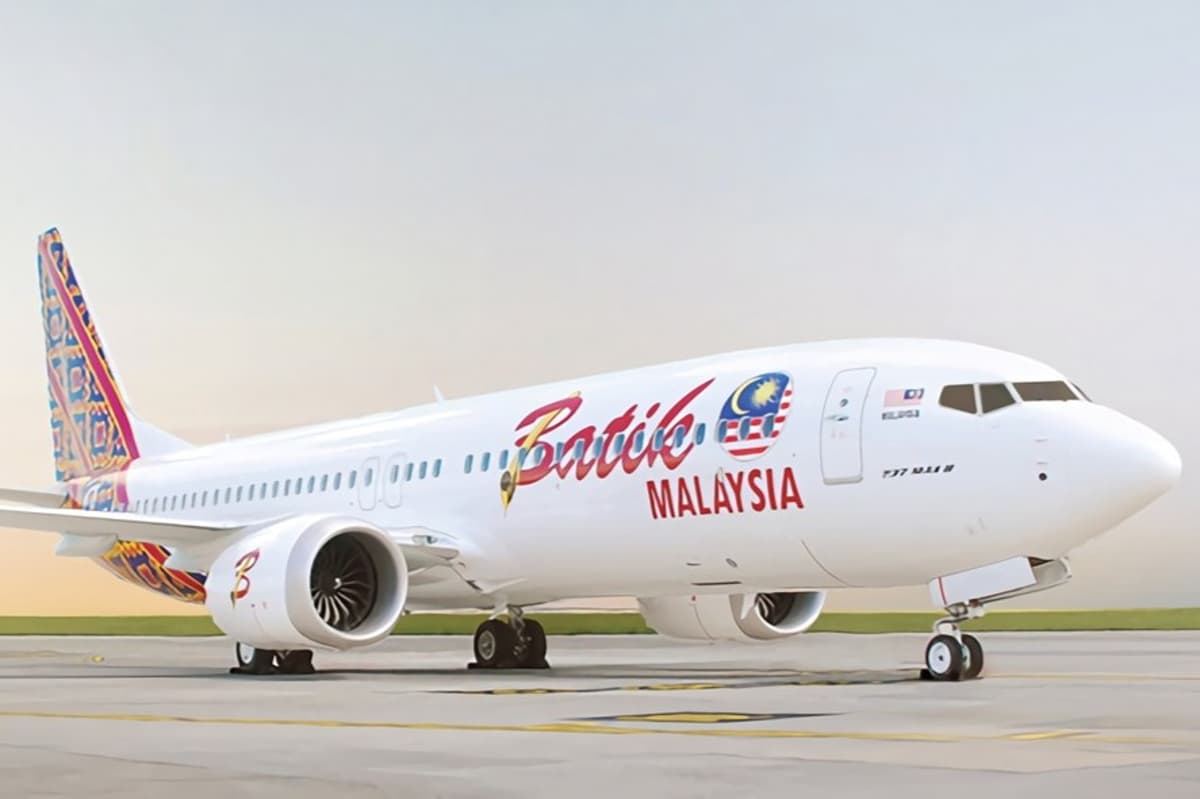
Fleet and Network Moves Will Position Batik Air Malaysia for Eventual Demand Rebound
Batik Air Malaysia, a Lion Group carrier, has trimmed capacity by roughly 25% since the Middle East conflict sparked a sharp fuel‑price surge. While fares have risen, the increase does not fully offset higher jet fuel costs, leaving margins squeezed....

European Narrowbody Aircraft Fleet: Independent LCCs’ Unrelenting Market Share Growth
European independent low‑cost carriers have cemented dominance in the narrowbody segment. Ryanair alone tops the list, while six LCCs collectively operate 1,625 aircraft and have 999 orders, surpassing the combined 1,207 narrowbodies of the continent’s three legacy groups. The LCC...
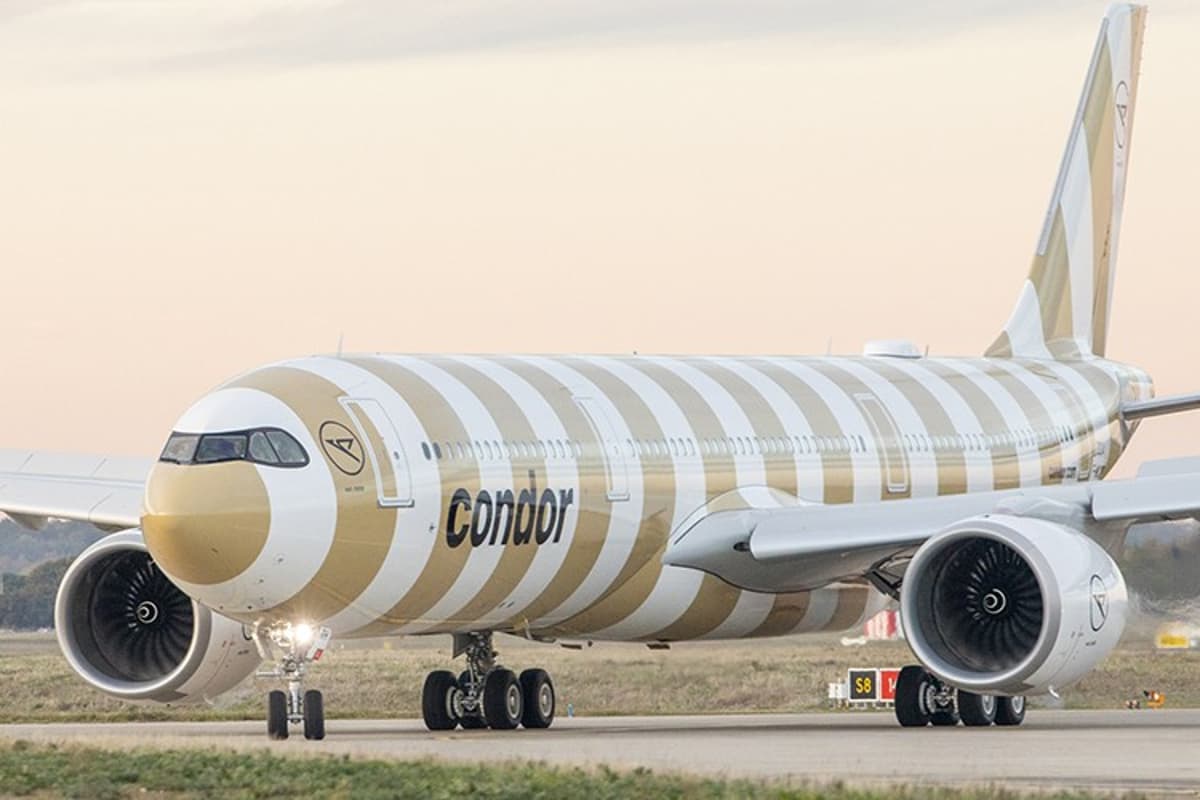
Condor: 70 Year-Old German Leisure Airline Looks to the Future After State Aid Repayment
Condor Flugdienst, Germany's 70‑year‑old leisure carrier, has fully repaid the state aid it received after the 2019 Thomas Cook collapse and the COVID‑19 crisis. Controlling shareholder Attestor, which owns 51%, is exploring a minority‑stake sale to bring in a strategic partner...
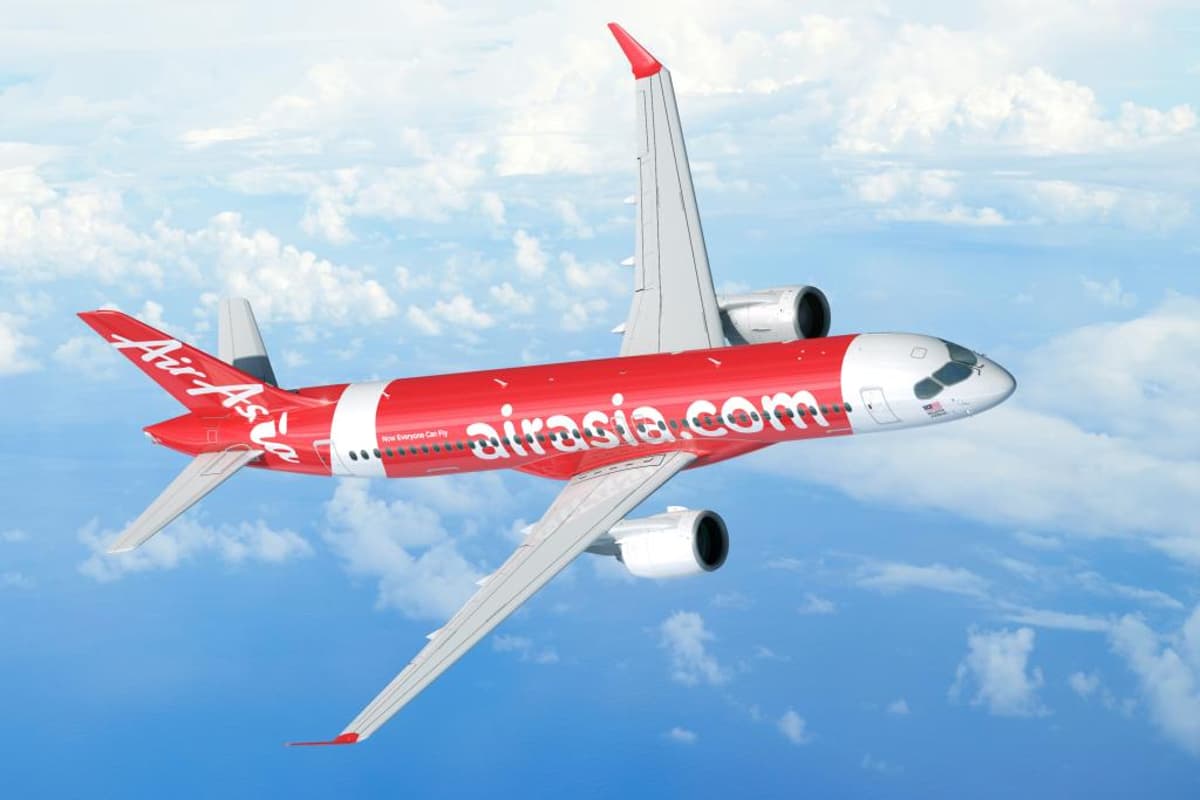
Airbus A220 Order – and Potentially a New Stretched Version – Open Market Opportunities for AirAsia
AirAsia has placed an order for 150 Airbus A220 aircraft, marking the largest A220 commitment in the Asia‑Pacific region. The carrier plans to integrate the A220s with its existing A321neo fleet to expand regional connectivity and improve unit economics. Airbus...

Mexican Airlines Exude Cautious Optimism While Working to Determine Conditions in 1H2026
Mexican flag carrier Aeroméxico and low‑cost airline Volaris are reporting steady passenger demand despite recent fare hikes prompted by soaring fuel costs tied to the Iran conflict. Both carriers say demand remains resilient in the first half of 2026, but...

Video of the Week: From Airlines to Commerce Platforms – Aviation’s Next Profit Engine
Airlines are shifting from pure transport operators to consumer commerce and data platforms to boost thin margins. Ancillary services, loyalty monetisation, digital retailing and AI‑driven personalization now account for a growing share of revenue. The transition pushes carriers toward subscription...

After airBaltic, AirAsia Is Set to Become the New Poster Child for the A220
AirAsia confirmed on May 6 that it will purchase 150 Airbus A220‑300 aircraft, opting for a new high‑density cabin layout. The deal marks the first major low‑cost carrier endorsement of the A220, echoing airBaltic’s earlier role in elevating the type...

Why Düsseldorf Airport – a Logical Choice – Was Never Germany’s Hub Airport and Maybe Never Will Be
At the CAPA Airline Leader Summit, Condor’s CEO explained why Düsseldorf Airport, despite serving the densely populated Rhine‑Ruhr industrial region, never became Germany’s primary hub. Post‑war infrastructure investment was funneled into Frankfurt, cementing its role as Lufthansa’s hub, while Düsseldorf’s...

Geopolitics without Recession? Why Aviation Still Feels the Shock First
Oxford Economics finds geopolitical shocks no longer reliably trigger global recessions, but aviation remains highly vulnerable. The sector faces immediate operational disruptions from airspace closures, fuel price swings, and shifting traveler confidence, turning macro resilience into real‑time strain. CAPA’s Rich...

Aircraft Interiors Industry Development Summary: Mar/Apr-2026 - 15 Years of 787 Interiors Evolution
Fifteen years after entering service, Boeing's 787 remains a benchmark for cabin innovation. The 2026 Aircraft Interiors Expo highlighted ongoing line‑fit upgrades and an accelerating wave of mid‑life retrofit programs. Direct aisle access now appears on 95% of recent 787...

Intent versus Reality: Summer Travel Holds Firm as Risks Redefine the Journey
Summer 2026 travel demand remains strong in the U.S. and Europe despite geopolitical tension, higher airfares and economic uncertainty. U.S. travelers prioritize domestic, resort and rural trips, leaning on loyalty programs and flexible booking options. European travelers show heightened cost...

Ontario Government Tries to Take Partial Control of Toronto’s City Airport; Now the Fun Starts
Ontario’s Conservative government has introduced legislation to acquire a 20% equity stake in Toronto’s Billy Bishop Airport, a rare inner‑city STOLport. The province argues the facility is under‑utilised and plans to lengthen the runway so that jet aircraft can serve...

Jet2.com: Paris to Be Second Biggest City Break Destination for the Low Cost Airline in Summer 2027
Jet2.com will launch three new summer 2027 routes from the UK to Paris Charles‑de‑Gaulle, operating out of East Midlands, London Stansted and Manchester between late March and late October. The addition makes Paris the airline’s second‑largest city‑break destination after Rome,...

Analyst Perspective: Losing Spirit - What the Collapse of a ULCC Pioneer Reveals About the US Market
Spirit Airlines, once the flagship ultra‑low‑cost carrier (ULCC) in the United States, has collapsed, ending a decade of disruptive pricing that reshaped the market. The airline’s downfall stemmed from insufficient scale, the aborted merger with JetBlue, and mounting cost and...

USD4.5 Billion Expansion of Madrid’s Airports Seeks to Enhance Barajas' O&D and Transfer Potential
Madrid’s Barajas Airport will undergo a $4.5 billion expansion between 2027 and 2031, adding a fourth runway and terminal upgrades. The project targets stronger Asia‑Pacific connections while preserving its dominant role as Europe’s gateway to Latin America. It also seeks to...

Can Pricing Traction Hold After Fuel Prices Fall? US Airlines See Potential Stickiness
U.S. airlines have leveraged the recent surge in jet fuel prices to reset fare structures, abandoning traditional hedging strategies and moving in lockstep on price hikes. Carriers such as Alaska Air Group, United Airlines and Delta Air Lines have seen...

Why Are Chinese Banks Investing in Airports in Africa and Who Are They?
Chinese state-owned banks are increasingly providing loan financing for African airport projects, using the deals to extend Beijing’s soft power and secure access to critical minerals. Over 60 Chinese‑financed airport contracts have been signed in the past 20 years, with...

Gulf Crisis Puts Downward Pressure on Asia Pacific Capacity and Earnings
Asia Pacific airlines are scrambling to offset volatile fuel prices caused by the Gulf crisis, employing short‑term tactics such as flight cuts, capacity redeployment, and higher ticket surcharges. Despite these measures, rising fuel costs and supply constraints are eroding earnings,...

Aviation 2026: Thriving in a System Built on Uncertainty
At the CAPA Airline Leader Summit in Berlin, Rich Maslen warned that aviation has shifted from a temporary disruption to a permanently volatile operating model. He highlighted systemic risks such as geopolitical tensions, airspace closures, soaring fuel prices, and labour...

Brazil Rio Airport Concession: Aena's Landmark Win Ushers in True Private Control - Where Next?
Spain’s airport operator Aena secured the concession for Rio de Janeiro’s Galeão Airport after a competitive auction that attracted 30 bidders. The deal makes Aena the largest airport operator in Brazil and ends Infraero’s 49% ownership in the hub. Galeão...

Demand Trends Under US Airline Scrutiny Amid Uncertainty in the Middle East - the Delta Perspective
Delta Air Lines disclosed its first‑quarter 2026 demand snapshot, noting that passenger volumes remain robust despite the ongoing Middle East conflict. U.S. carriers have largely avoided drastic capacity cuts, opting instead to monitor volatility while preserving growth potential. To counter...

Middle East Crisis May Affect Malaysia Aviation Group's Finances – but Not Its Growth Plans
The Iran‑driven Middle East crisis is pushing up fuel costs and forcing the suspension of several Middle Eastern routes, putting pressure on Malaysia Aviation Group's (MAG) 2026 financial results. Despite the headwinds, MAG is pressing ahead with a fleet expansion,...

Europe-Middle East Aviation: Flights Still Under Half 2025 Numbers in First Week of Iran Ceasefire
In the first week of the Iran war ceasefire (8‑14 Apr 2026), Europe‑Middle East flight movements rose 13% from the prior week but stayed 51.7% below the same period in 2025. The shortfall has dragged overall European traffic lower, despite modest growth...
Video of the Week: Fleet First, Fuel Later - Asia's Diverging Green Growth
Aviation sustainability in the Asia‑Pacific is moving from advocacy to early execution, as Singapore, Japan and South Korea roll out structured SAF policies. Investment in the Sustainable Aviation Fuel value chain is expanding, yet supply remains limited and costly for...

Senior Executive Changes Pick up Pace in Early 2026
Early 2026 has seen a surge of senior‑executive changes across the global airline sector, with more than 30 appointments and departures recorded by CAPA. The turnover cuts across legacy carriers, low‑cost operators, and regional airlines, reflecting a strategic reset driven...

The US Airline Model: Consolidation Created Strength, Premiumisation Is Now Sustaining It
The U.S. airline sector, once driven by sweeping mergers, has reached a point where legacy carriers enjoy strong profitability, disciplined capacity growth, and diversified revenue streams, reducing the urgency for further scale‑driven consolidation. Low‑cost and leisure‑focused airlines, however, confront rising...

Analyst Perspective: European Border Entry/Exit System Gets Off to a Non-Flying Start
The EU’s biometric Entry/Exit System (EES) went live on April 10, 2026, but operational shortcomings have triggered severe border congestion, with processing times stretching into hours. Passengers miss flights despite early arrival, and airlines are forced to depart with empty...

US Airline M&A Speculation Grows: Do Market Realities Support a New Wave?
Recent chatter in the U.S. airline sector centers on possible consolidation, sparked by reports that JetBlue is evaluating a merger and comments from the Transportation Department about M&A headroom. Delta’s CEO recalled the 2008 fuel‑driven merger with Northwest, highlighting how...

Europe’s Big Three Legacy Airline Groups: Capex Cycle Remains on a Plateau
European legacy carriers Lufthansa Group, IAG and Air France‑KLM are entering 2026 with modest capex adjustments. IAG and Lufthansa plan slightly higher net spending than 2025, while Air France‑KLM trims its budget. In aggregate the three groups will reach a...

China’s International Capacity Growth: Part Two – Trends Differ Widely in Specific Markets
China’s international airline capacity has rebounded to roughly 90% of its pre‑pandemic level, yet the recovery is uneven across key markets. Routes to Japan, Vietnam, Australia and Thailand are approaching 70‑80% of 2019 volumes, while the US‑China corridor lags at...

China’s International Capacity Growth: Part One – Balance Has Shifted on Routes to Western Europe
China’s international airline capacity is closing in on pre‑pandemic levels, but the recovery is uneven across markets. Inbound tourism to China has rebounded faster than outbound travel, which remains constrained by economic headwinds. Capacity on China‑Western Europe routes now exceeds...
Video of the Week: Latin America Inbound Travel – Growth Drivers and Strategic Trade-Offs
Latin America's inbound travel market is entering a pivotal phase as airlines and airports seek to capture more international traffic. Growing regional flows, stronger links to North America and Europe, and ambitions for Asia‑Pacific and Middle East demand are reshaping...

Iran Ceasefire Still Leaves Airlines Facing High Fuel Costs, Even if Peace Endures
A two‑week cease‑fire announced on 8 April temporarily eased financial markets, but oil prices remain well above pre‑conflict levels. Reduced refinery capacity in Iran and a lingering backlog of tanker traffic through the Strait of Hormuz have pushed jet‑fuel prices to...

Bratislava’s Expansion Tests the Limits of the LCC-Driven Central and Eastern Europe Airport Model
Bratislava’s M.R. Štefánik Airport has rebounded to passenger levels exceeding its 2019 peak, driven by a surge in low‑cost carrier routes slated for summer 2026. Ryanair’s announced base at the airport and Wizz Air’s planned return are set to deepen the LCC footprint,...

Latin American Airlines Appear Confident in Their Ability to Weather the Latest Fuel Spike Crisis
Latin American airlines are confronting a sharp rise in jet‑fuel costs triggered by the Middle East war, with crude prices nearing $150 per barrel. To protect margins, carriers are implementing fare hikes that are largely holding and are weighing capacity...

The P3 Is Increasingly the Answer to Non-Aeronautical Infrastructure Needs at US Airports
Over 600 U.S. airports operate under public‑private partnership (PPP) models, yet only two have full‑concession leases, lagging global peers. The country leads in project‑specific PPPs, especially consolidated car‑rental (ConRAC) facilities that centralize vehicle‑hire services. Los Angeles International Airport’s ConRAC, built...

AirBaltic SWOT: Achievement and Challenge as 2025 Brings Record Revenue, but Another Loss
AirBaltic posted record revenue for 2025, yet recorded its sixth net loss in seven years, though the deficit narrowed versus 2024. The Latvian carrier operates a fleet of 53 Airbus A220‑300 aircraft, focusing on Baltic connectivity and expanding an ACMI...

Video of the Week: Aviation in an Age of Uncertainty – Crisis as the New Normal
The airline sector is confronting a new normal of relentless uncertainty, driven by escalating Middle East tensions that close airspace and extend flight routes, while volatile fuel prices squeeze already thin margins. Executives are shifting from reactive recovery tactics to...

Despite Operational Challenges, German Airports Look to Future with Big Infrastructure Investments
German airports are committing to major infrastructure upgrades despite ongoing operational hurdles and rising cost pressures. Elevated taxes, charges and stricter environmental rules are forcing airlines to adopt more selective capacity and network strategies. Frankfurt and Munich airports are receiving...

Analyst Perspective: Aviation in the 2020s - No Laughing Matter Behind the April Fools
Rich Maslen, CAPA’s Head of Analysis, uses April Fool’s irony to highlight the aviation industry’s turbulent 2020s, marked by pandemic collapse, geopolitical fragmentation, supply‑chain disruptions, and mounting sustainability pressures. He argues that the sector’s narrative has shifted from whimsical optimism to...

Indian Airport Concessions Set to Restart; Bangalore Airport to Join the Fray as a Bidder?
India is preparing the third tranche of airport concessions, targeting smaller regional hubs that will be bundled with larger, more attractive airports to create compelling packages for bidders. The government hopes lessons from the 2006 and 2020‑21 rounds will streamline...

Joining US Peers, Air Canada Sees Strong Demand While Managing Changed Transborder Trends
Air Canada reports steady demand despite rising fuel costs, mirroring U.S. carriers that are raising fares. Unlike many U.S. airlines, it retains modest short‑term fuel hedges, softening the impact of a crude price surge. The carrier is adapting to altered...

Private Credit Takes Flight: Redefining Airport Infrastructure Finance Beyond Equity
Private credit is emerging as a key financing tool for airport infrastructure, complementing traditional private‑equity models. Unlike equity investors, credit providers supply debt without taking ownership, reducing risk exposure for both parties. The trend is driven by public‑private partnership structures...

Air Europa’s Codeshare with Chilean LCC SKY Airline: Good for Both (and for Turkish Airlines)
On March 10, 2026 Air Europa announced a codeshare with Chilean low‑cost carrier SKY Airline. The agreement lets Air Europa’s flight numbers appear on SKY’s services from Lima to Santiago and to five Peruvian domestic cities, with additional Latin American...

Brasilia Airport: Re-Concession Will Follow Rio Galeão's, but with Smaller Airports Part of the Deal
Brazil’s long‑running airport concession programme has been reactivated under President Lula, with the Rio de Janeiro Galeão concession approved in 2025 and slated for completion by early 2026. The government now plans to re‑concede Brasília’s “JK Airport” by the end...

Foreign Leadership at a Crossroads: IndiGo and Air India Face a Pivotal Succession Test
IndiGo and Air India, India’s two largest carriers, are confronting pivotal CEO succession decisions. IndiGo’s foreign‑born chief Pieter Elbers stepped down on March 10, 2026, while Air India’s expatriate CEO Campbell Wilson will likely depart when his contract ends in 2027. Both executives were...