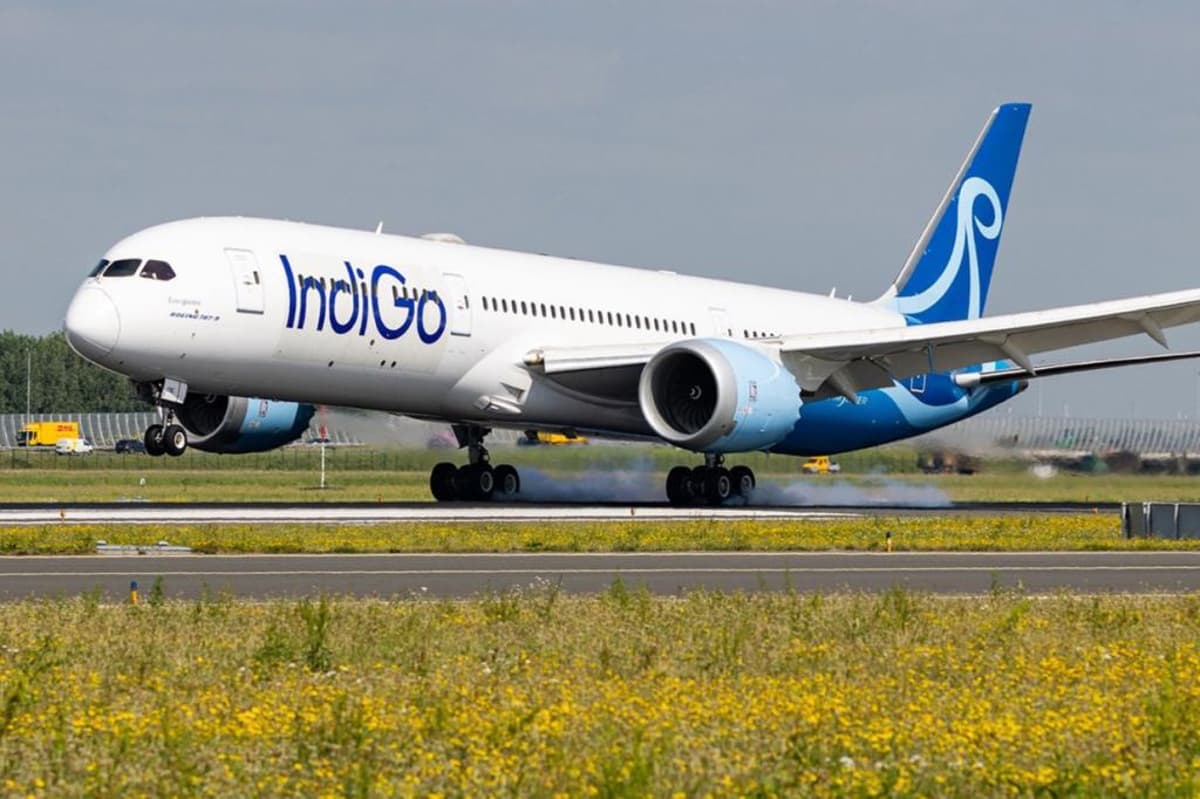
IndiGo Cuts Back Its Western Europe and Asian Routes as High Fuel and Airspace Restrictions Bite
Indian low‑cost carrier IndiGo is scaling back its international network, announcing the reduction of Western European destinations from four to two by August 2026 and the suspension of six Asian routes starting July 2026. The pullback follows volatile fuel prices and costly airspace restrictions that have eroded profitability. IndiGo will also return one of its six damp‑leased Boeing 787‑9 aircraft used for Europe service. The airline continues to focus on its Middle East market, which has been its growth engine since the Iran conflict.

Europe’s Tourism Resilience Meets a New Summer Border Test
International tourism showed resilience in Q1 2026, with UN Tourism reporting a 2% year‑on‑year rise in global arrivals despite the Middle‑East conflict, soaring oil prices and air‑connectivity concerns. Europe remains the world’s largest tourism region, benefitting from travelers shifting away from disrupted...

Uzbekistan Seeks Tourism Boost Through New Tashkent Airport and New/Rebuilt Regional Ones
Uzbekistan is launching a new Tashkent international airport capable of handling 20 million passengers annually, double the current capacity, and plans to build or modernise 13 regional airports through public‑private partnerships. A consortium of Korea’s Incheon International Airport Corp., Japan’s Sojitz...

Ryanair’s Low-Cost Discipline Turns Industry Turbulence Into Advantage
Ryanair reported a record FY26 profit after tax of €2.26 billion (≈ $2.46 billion), with revenue up 11% and earnings climbing 40% despite aircraft delivery delays, higher fuel costs and new environmental taxes. The low‑cost carrier leveraged its scale, aggressive airport negotiations and...

IATA AGM: Global Airlines - Record Demand Meets a Profitability Shock
At the IATA Annual General Meeting in Rio, the association slashed its 2026 profitability outlook, cutting expected net profit from $41 billion to $23 billion and halving the projected net margin to 2 %. The downgrade comes despite record passenger volumes, load factors...

IATA AGM: Net Zero Aviation - Energy Crisis Has Exposed Aviation's Decarbonisation Illusion
Five years after airlines pledged net‑zero emissions by 2050, the aviation sector faces a stark supply gap in Sustainable Aviation Fuel (SAF). IATA projects SAF output at just 2.4 million tonnes in 2026, covering only 0.8% of total fuel use, yet...

IATA AGM: Asia Pacific Aviation - the Capacity Race Is Hiding a Productivity Crisis
Asia Pacific aviation is set to add 2.4 billion passengers by 2040, representing 41 % of global growth, prompting the largest wave of airport investment ever. Yet IATA projects congestion will climb to 88 % by 2040, exposing a looming productivity shortfall. In North...

IATA AGM: Africa and the Middle East Aviation - Resilience Is No Longer Enough
At its June 2026 AGM in Rio, IATA highlighted that both Africa and the Middle East are moving beyond the traditional resilience narrative. While Middle Eastern carriers have shown remarkable agility in rerouting flights amid geopolitical shocks, African airlines continue...
Dexus and APAC – the Australian Real Estate Group’s Infrastructure Hopes Are Falling Apart
The Centre for Aviation’s forecast of a wave of airport M&A in Australia finally materialised with the sale of a 75% stake in Queensland Airports Ltd to a consortium of US private‑equity giant KKR and Australian tech financier Skip Capital....

Video of the Week: Decarbonising Flight - Aviation’s Race Against Time
Aviation’s net‑zero pledge for 2050 is now a strategic stress test as airlines scramble to meet interim targets on sustainable aviation fuel (SAF), fleet renewal and operational efficiency. At the CAPA Airline Leader Summit in Lisbon, senior executives warned that...

Latin America Aviation: Growth Accelerates as Structural Constraints Tighten
Latin America’s aviation market is experiencing a rare convergence of rapid passenger growth and mounting operational constraints. Premium‑cabin demand is accelerating revenue diversification, while liberalised air‑service agreements in Brazil, Mexico and Colombia are unlocking previously restricted routes. At the same...
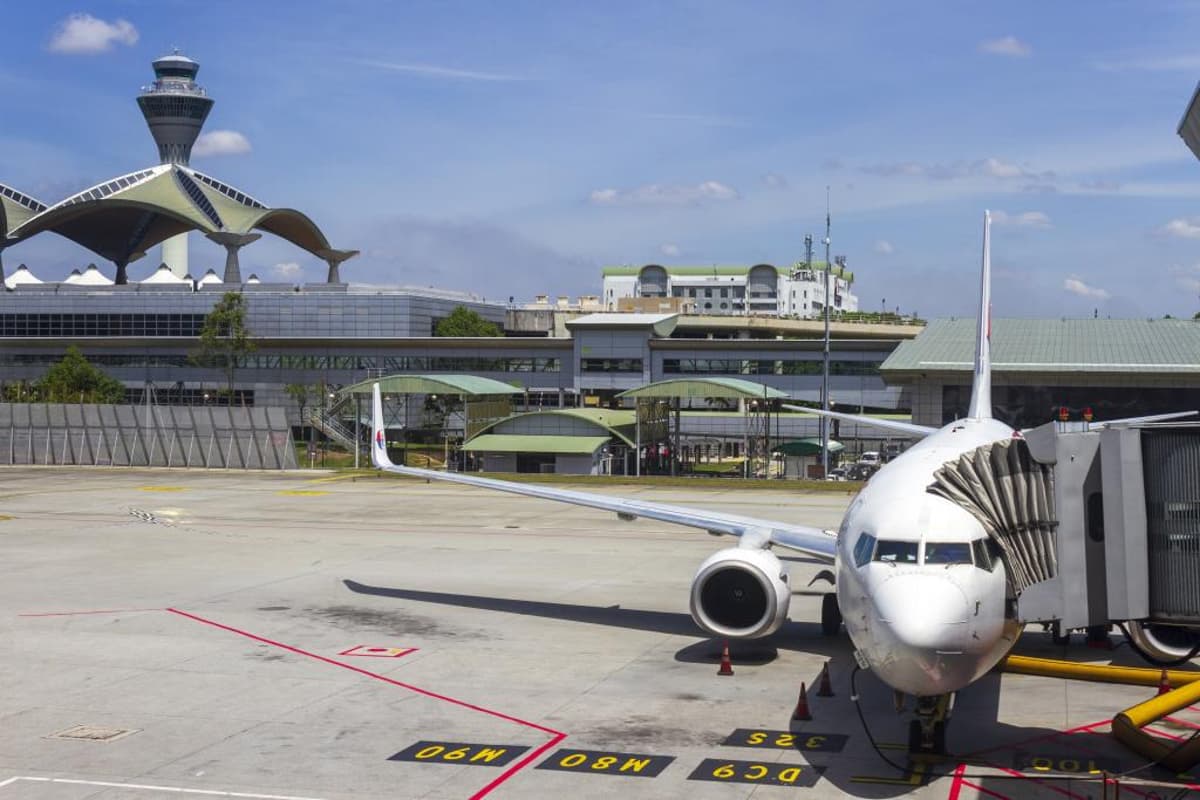
Kuala Lumpur International Airport Seeks More Routes to Europe as It Builds Connectivity
Kuala Lumpur International Airport (KLIA) is intensifying its push for more long‑haul routes to Europe to reinforce its position as a regional transit hub. The airport plans to leverage its strong Southeast Asian network and upcoming terminal capacity upgrades to...

Video of the Week: Global Aviation’s New Divide - Partnership Power or Independence?
The CAPA Airline Leader Summit in Berlin examined a widening split in global aviation between carriers that favor deep partnerships and those that champion independence. Alliances enable airlines to expand networks and achieve cost efficiencies without costly organic growth. Independent...

Is Canadian Airport Privatisation Really Back on the Agenda or Is It Just Another False Dawn?
Canada is reviving airport privatization after three failed attempts, aiming to create a sovereign‑wealth‑style fund that can sell up to 49 % of airport equity to domestic pension funds and foreign investors. The move seeks to alleviate steep government ground rents—up...

An Era of Relatively Benign Fuel Assumptions Has Given Way to a More Complex and Volatile Landscape
The aviation sector is moving into a structurally volatile era as jet fuel prices diverge sharply from crude oil, driven by geopolitical shocks and limited refining capacity. While passenger demand stays relatively resilient, airlines face higher operating costs and supply‑chain...