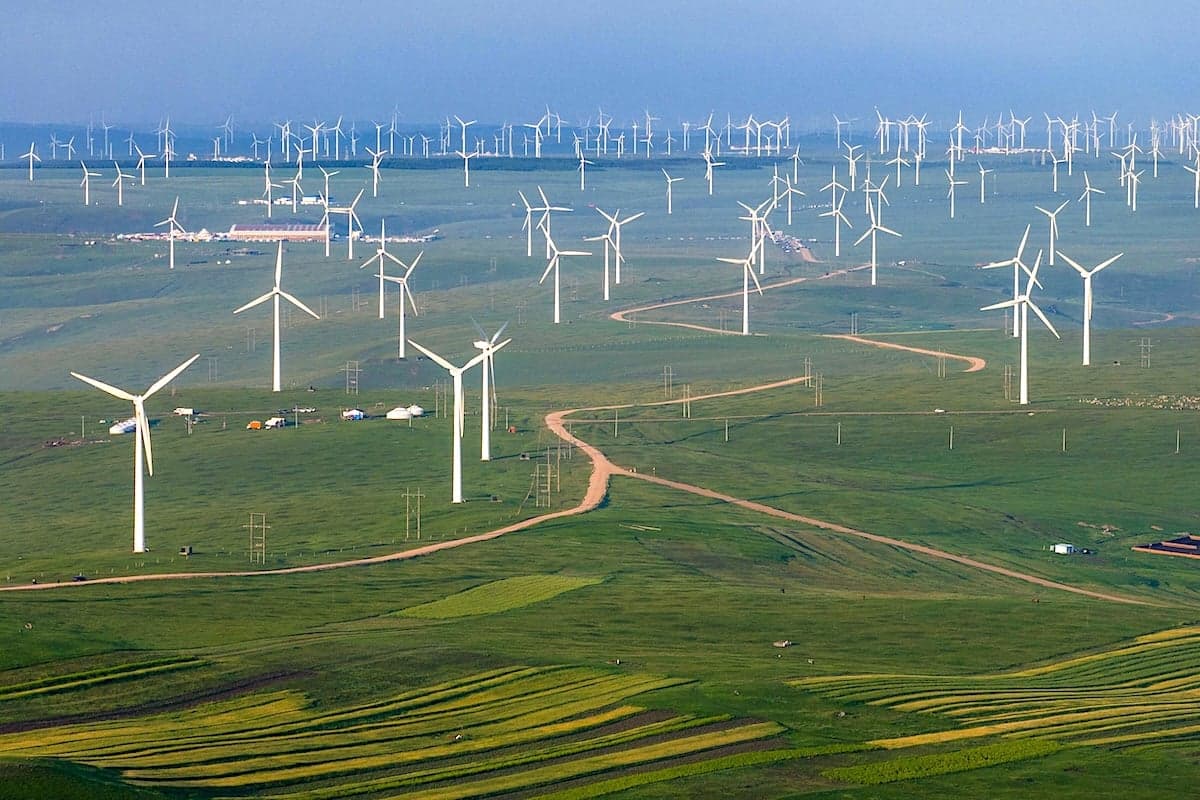
What Drove China’s Historic Drop in Power-Sector Emissions?
China’s power‑sector CO2 emissions fell for the first time in a decade as wind and solar generation surged, offsetting a slowdown in electricity demand. The decline was uneven: 18 provinces cut emissions while 13 saw increases, with Inner Mongolia and Shandong alone accounting for a 42 TWh drop in fossil generation. However, curtailment and utilisation losses limited the full impact of renewable growth, costing about $17 billion in lost power. The clean‑energy boom also bolstered energy security by supplying coastal, import‑dependent regions.

Chile’s Salt Flats and the Lithium Race neither China nor the US Wants to Lose
The Chilean government under President José Antonio Kast has moved to simplify lithium mining regulations, merging the economy and mining ministries and pledging faster permits and lower taxes. This shift reverses the previous left‑leaning National Lithium Strategy, rolling back environmental...
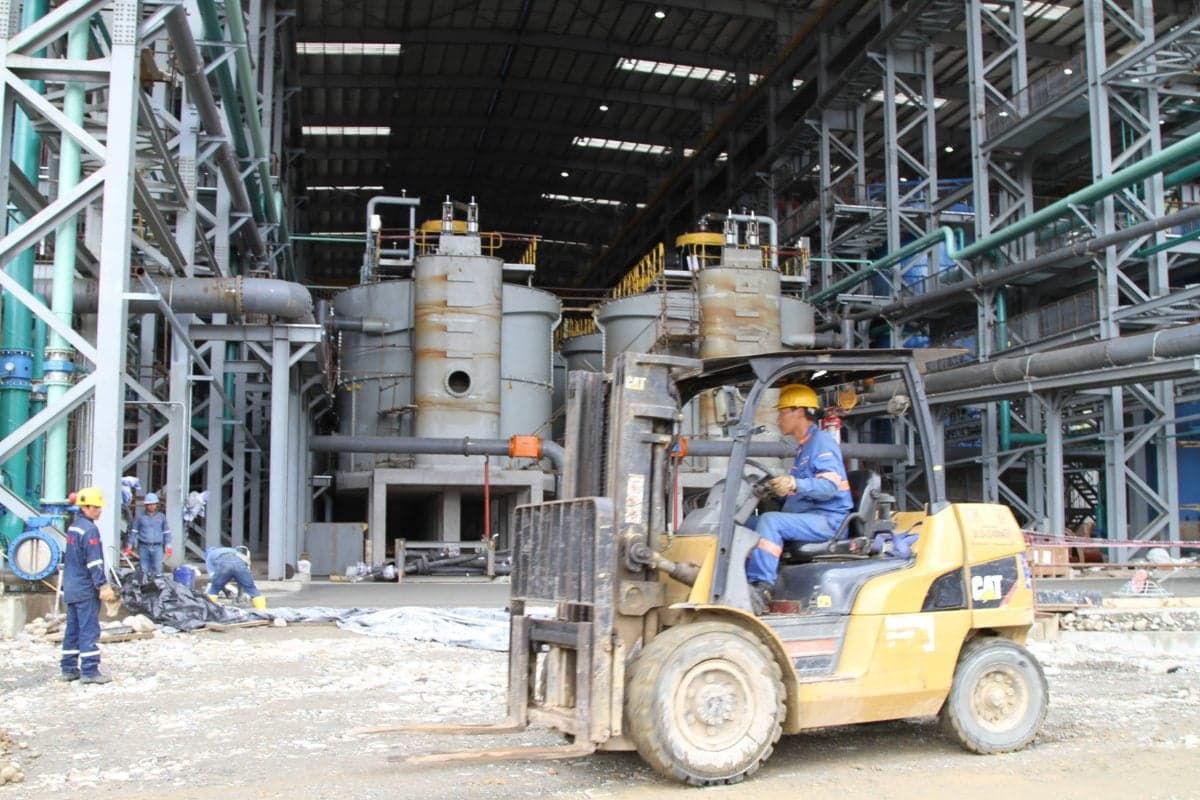
Ecuador on Cusp of Chinese-Driven Mining Boom
Chinese mining giant Jiangxi Copper Corp completed a $1.2 billion acquisition of SolGold, taking full control of Ecuador’s Cascabel copper project. The mine, slated to become the world’s largest underground silver, third‑largest gold and sixth‑largest copper operation, could move toward construction...

The Drive to Deepen China-Africa Clean Tech Cooperation
China’s renewable sector is pivoting toward Africa, where solar panel exports rose 17% last year. The South‑South Cooperation Renewables Centre, launched by the China Renewable Energy Industries Association, facilitates matchmaking, technology showcases and skills transfer across 16 African nations. The...

China’s New Hydrogen Push Could Be a Step Towards Cleaner Steel
China’s ministries have launched a new hydrogen pilot rewarding five city clusters to accelerate low‑carbon hydrogen use, especially in steelmaking. The programme earmarks about CNY 8 bn (~$1.2 bn) in subsidies over four years, with up to CNY 1.6 bn (~$232 m) per cluster, and seeks...

Transition Away Host Colombia Faces Phaseout Challenges
Colombia, under President Gustavo Petro, hosted the inaugural Transition Away conference in Santa Marta, calling on 57 nations to develop national fossil‑fuel phase‑out roadmaps. The government released a draft roadmap aiming to cut domestic fossil‑fuel demand by 90% through rapid solar and...

India Needs More Scrap to Boost Green Steelmaking. Can It Find It?
India, the world’s second‑largest steel producer, wants scrap to supply half of its steel output by 2047, up from the current 23%. To meet a planned 400 Mt annual crude steel capacity, the country must close a projected scrap deficit of...
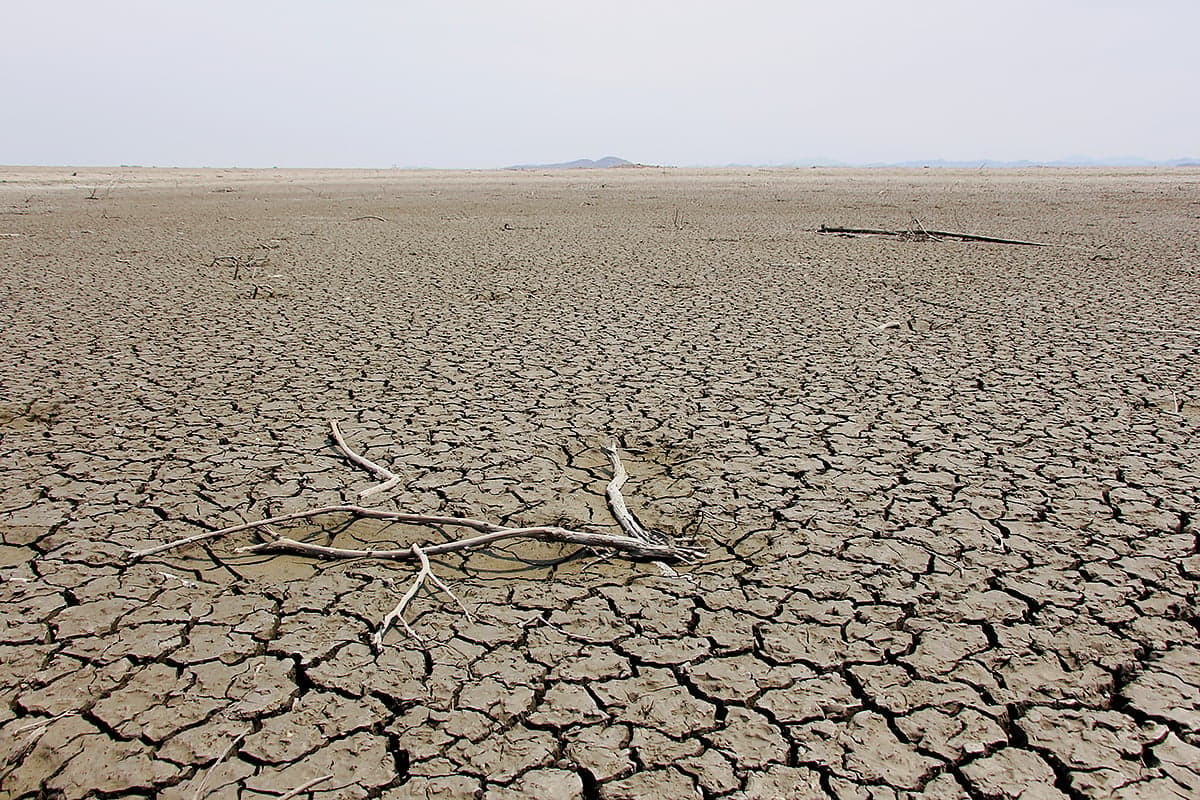
Will Chinese Megaprojects Solve Northern Peru’s Water Crisis?
A severe 2024 drought in Peru’s Piura region caused up to 1.3 bn soles (~$350 m) in losses and threatened 60,000 jobs, exposing chronic water‑management gaps. China won an international tender to conduct feasibility studies for two megaprojects—the Alto Piura dam‑pipeline‑hydroelectric scheme and...

How Investor-State Arbitration Throttles Environmental Action
Investor‑state dispute settlement (ISDS) mechanisms, embedded in over 3,000 treaties, have paid investors $36.6 bn in Latin America, with environmental claims now exceeding a quarter of all cases. A 2004 copper mine plan in Ecuador was halted, but the Canadian firm...
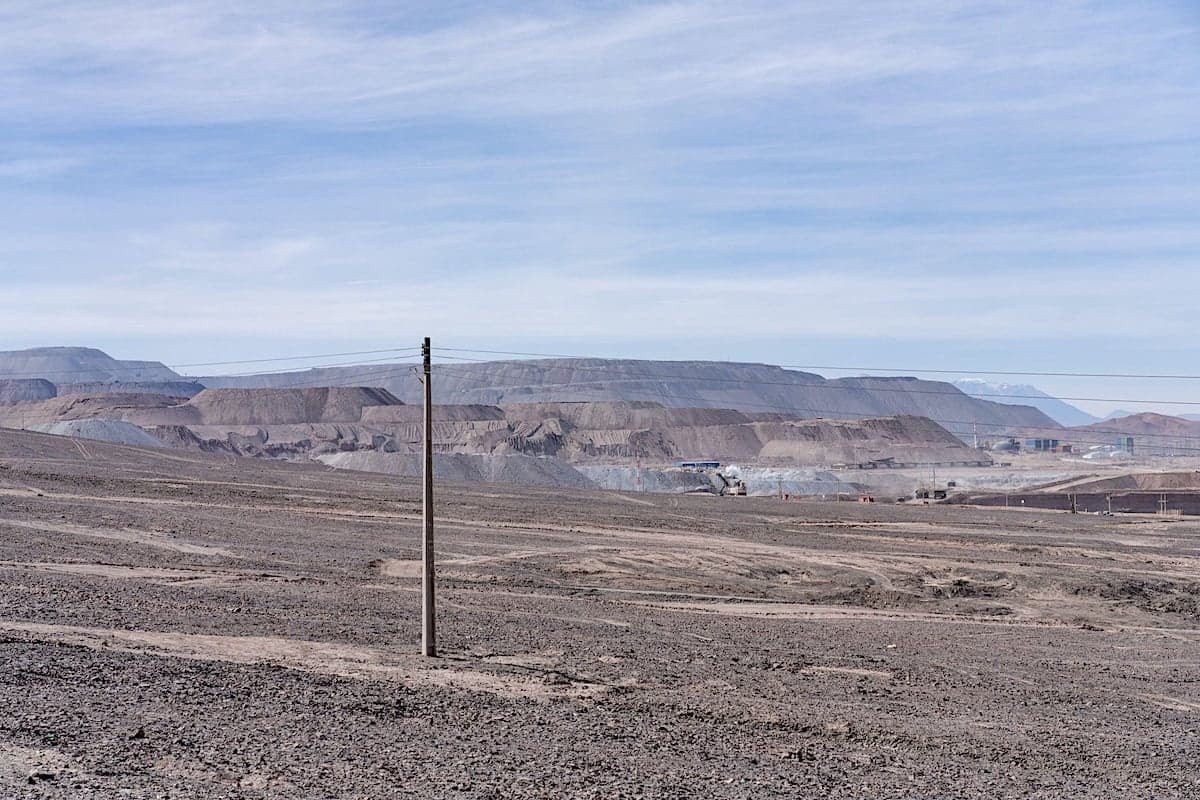
Can Chile Turn Its Mining Waste Into a New Source of Minerals?
Chile is evaluating its 836 mining tailings deposits as a source of critical minerals such as cobalt and rare earth elements, which are essential for electric vehicles and renewable‑energy technologies. Researchers highlight the technical promise of circular mining but warn...

Underground Pollution Is Threatening the Philippines’ Corals
The Philippines’ porous volcanic geology enables massive submarine groundwater discharge (SGD), funneling untreated wastewater directly into coastal waters. With only about 15% of Metro Manila connected to a sewage system, nutrients and contaminants from SGD often exceed river inputs, fueling...

Vietnam’s Race to Go Nuclear Leaves Villagers in Limbo
Vietnam has revived its stalled Ninh Thuan nuclear programme, signing a 2025 MoU with Russia’s Rosatom to build two 2.5 GW units. The government plans to relocate about 477 households—roughly 2,000 residents—from Vinh Tuong village, where snail farms are already being shut...

China’s First Environmental Code Under the Spotlight
China has published its first Ecological and Environmental Code, consolidating ten existing environmental statutes while leaving twenty related laws, such as those on energy and forestry, separate. The code expands the definition of environmental protection to include ecological factors like...

Could Crowdsourced Lending Provide the Boost African Renewables Need?
European‑based platforms such as Bettervest and Energise Africa are using crowdlending to channel small‑scale investor capital into renewable energy projects across Africa. Energise Africa alone has mobilised roughly $58 million, funding solar mini‑grids in 14 countries and offering investors 6‑8% returns...

China’s Bird Tourism Boom Sparks Calls for Regulation
China’s hide‑in‑bird‑pond tourism has exploded from a single farmer’s idea in Yunnan to more than 250 sites in 24 provinces. Operators create artificial ponds and camouflaged hides, charging visitors about CNY 70 (≈US 9.8) for close‑up birdwatching, which has lifted village incomes...